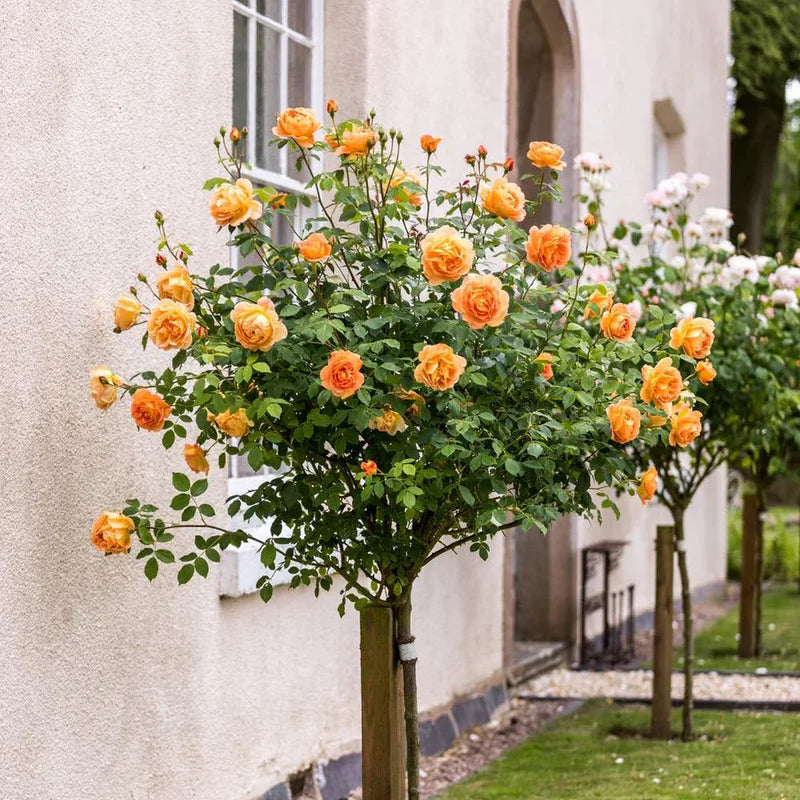

Wild Rose Hips in Winter: Reading the Plants Behind Them
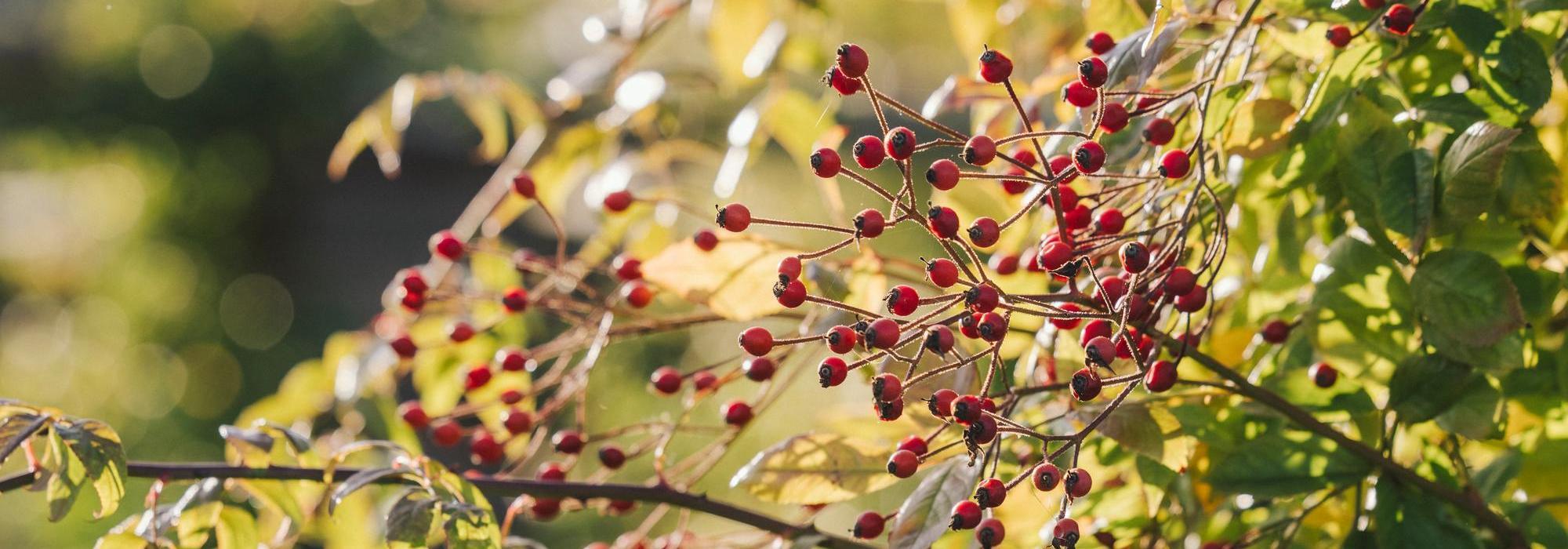
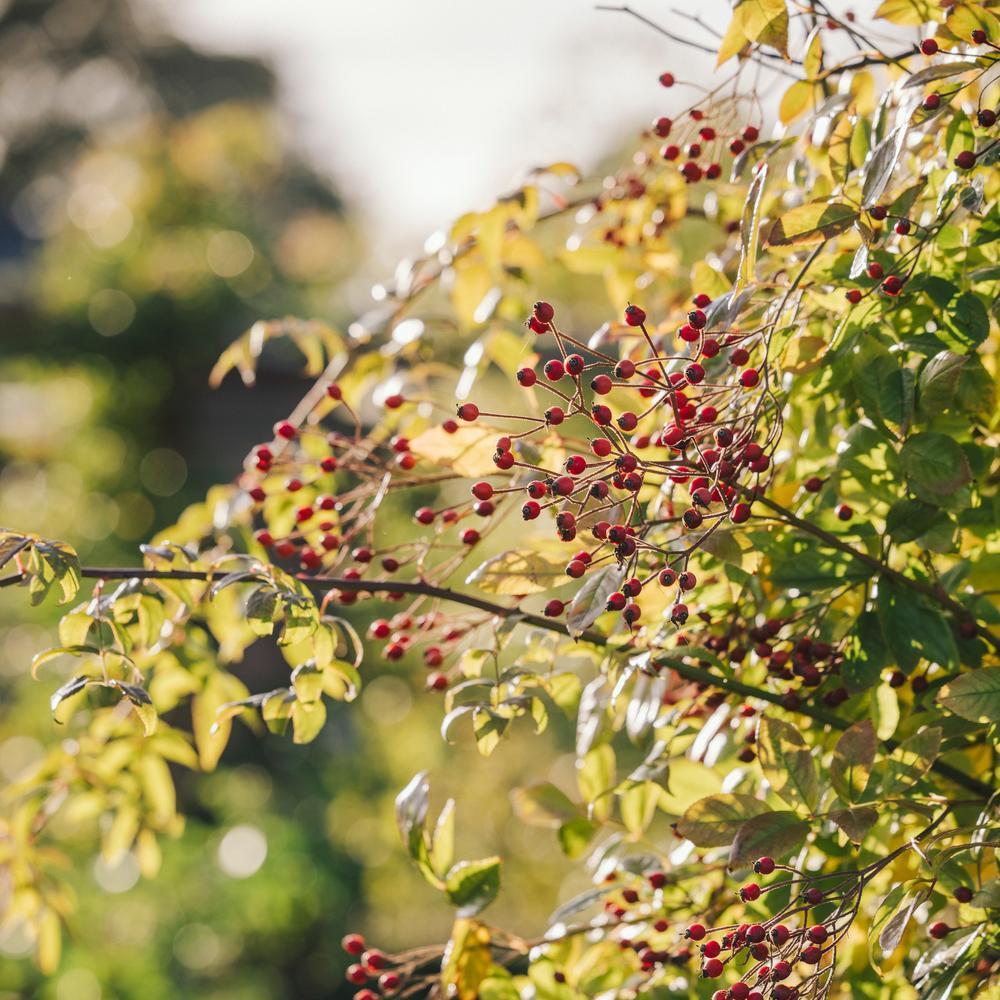
Winter has a way of showing roses as they really are. With the leaves down and the flowers long gone, the plants stand in their most open, honest form. This is when the hips become noticeable. On wild species roses, these fruits are not just a seasonal leftover. They are small clues about the landscapes that shaped each plant. If you look closely, they reveal far more than you might expect.
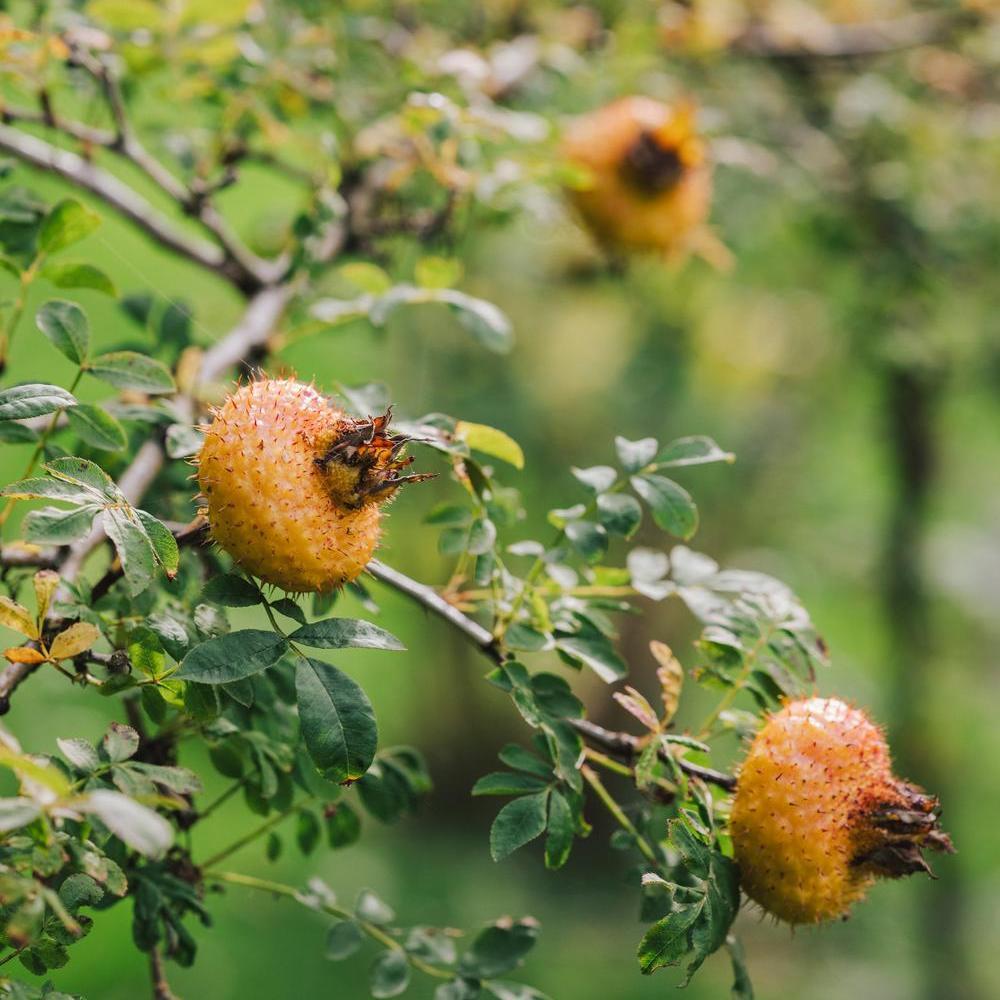
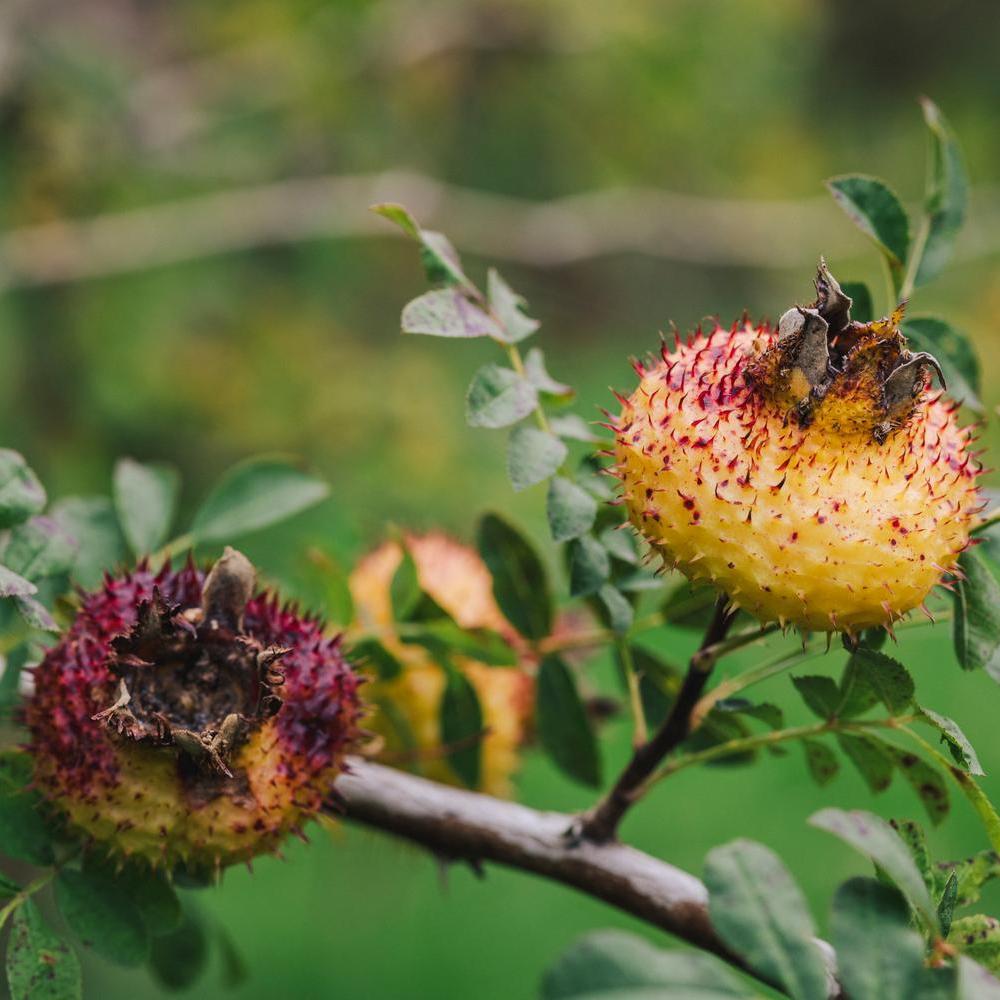
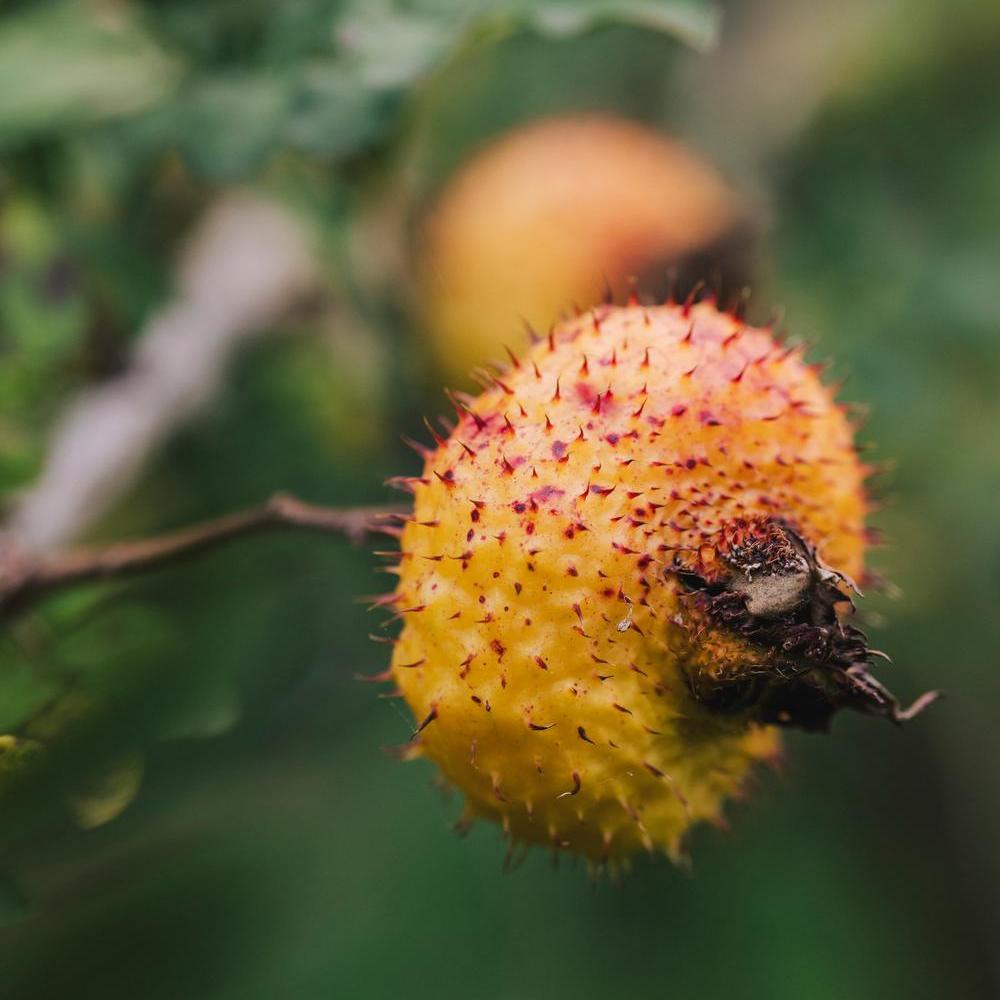
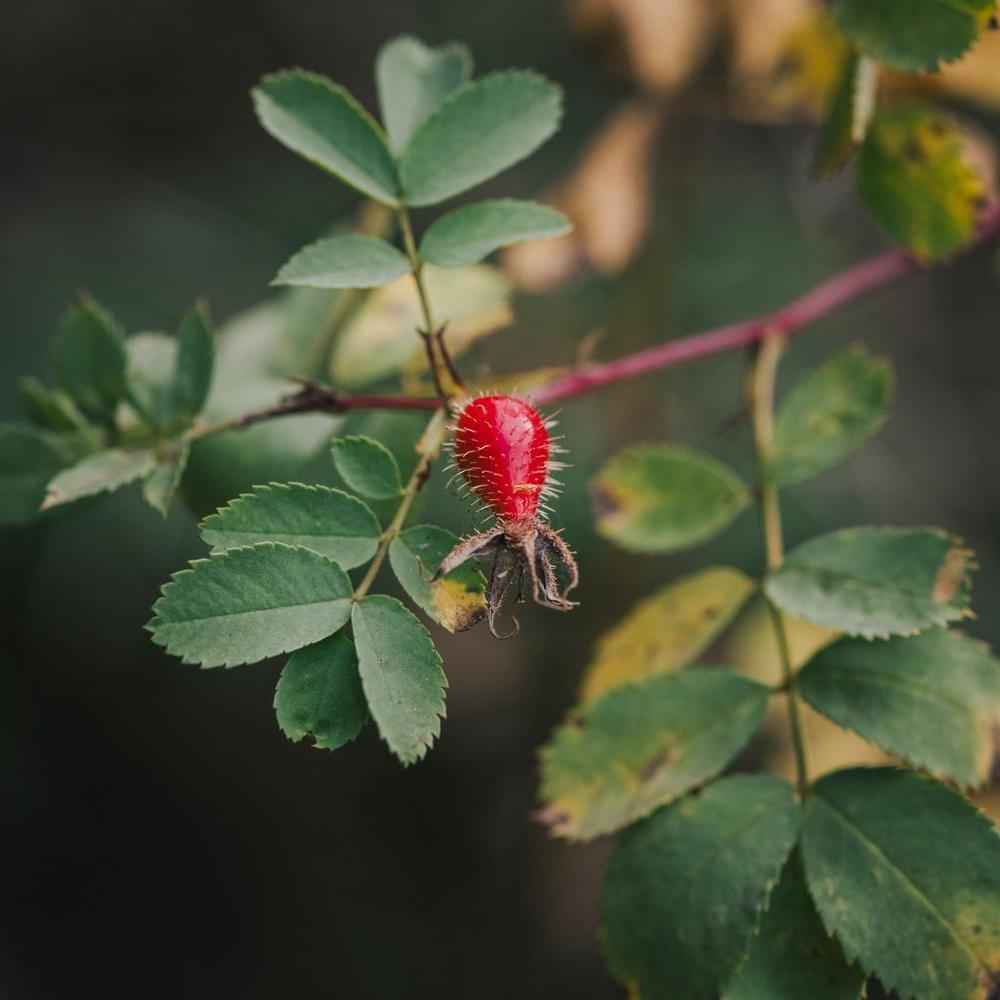
Rosa roxburghii, from the hills of China. Its bristled, chestnut-like hips are among the most recognisable of any rose. Those soft spines, which seem almost playful at first glance, make complete sense once you imagine the plant growing in its native terrain. They offer a degree of protection from animals that might otherwise browse the fruit. Even without flowers, you can sense the toughness in this species.
Rosa fedtschenkoana comes from the dry uplands of Central Asia. Its hips carry the same quiet restraint that the rest of the plant shows. They are modest in size and warm in colour, usually a soft apricot red with a muted finish. It looks like a plant that knows how to manage its resources. The grey toned foliage of summer gives way to winter fruit that continues the same gentle, understated palette.
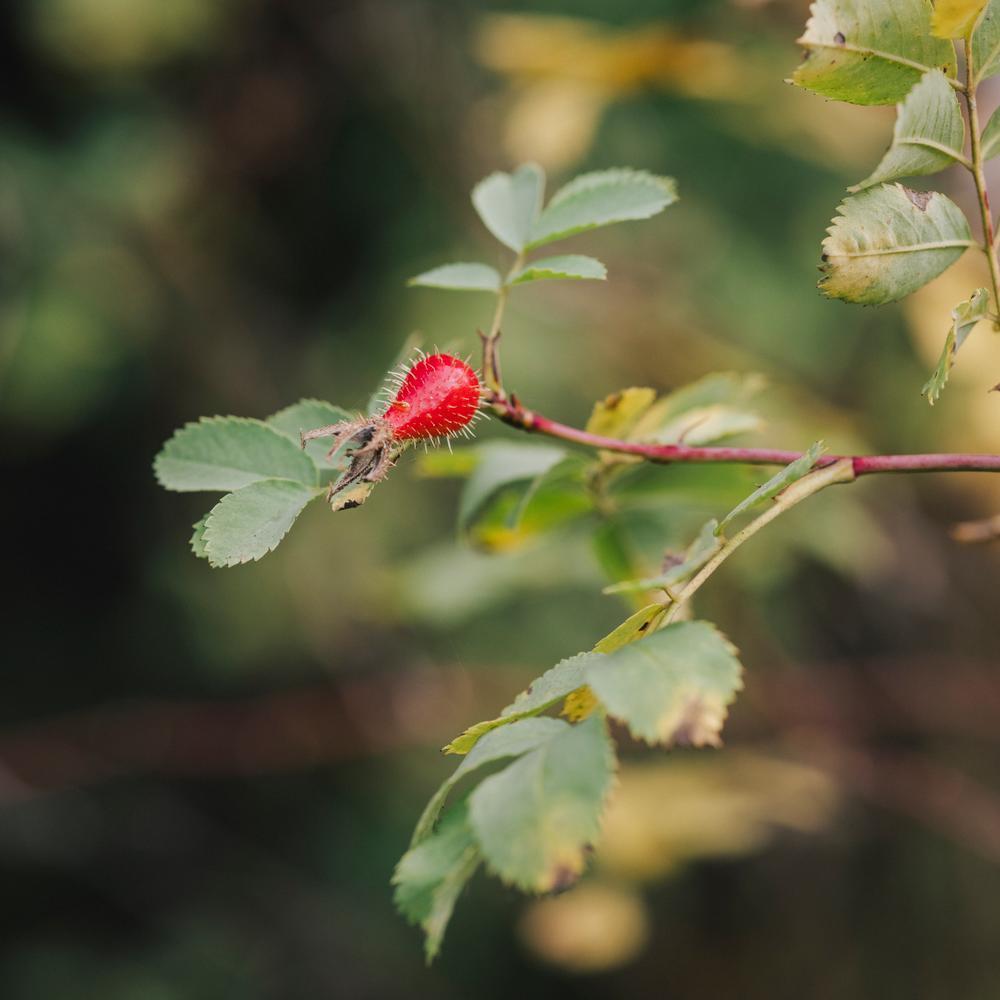
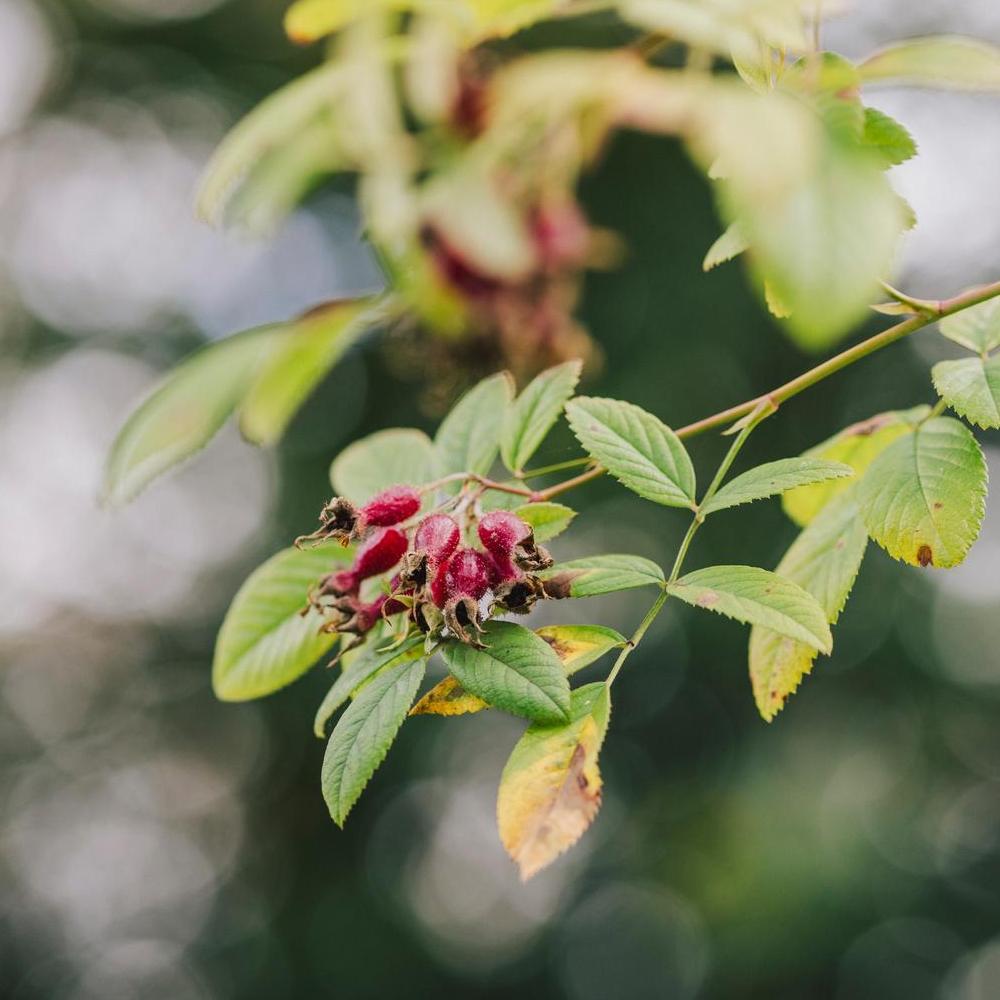
Rosa prattii, another Chinese species, has a lightness that remains visible throughout the year. Its slim, tapered hips sit neatly along the fine stems and feel entirely in keeping with the plant’s airy habit. There is no showiness here, just a clean and well-balanced line that reflects the rose’s unhurried resilience.
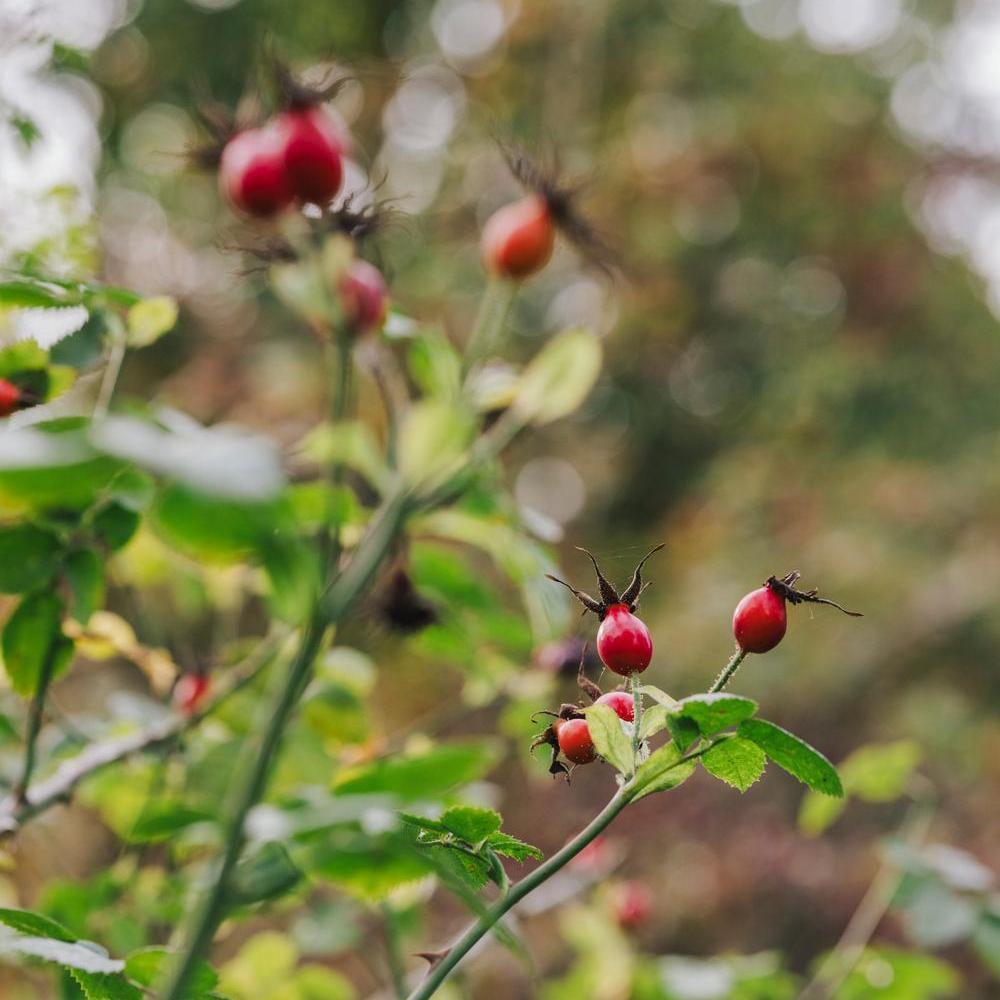
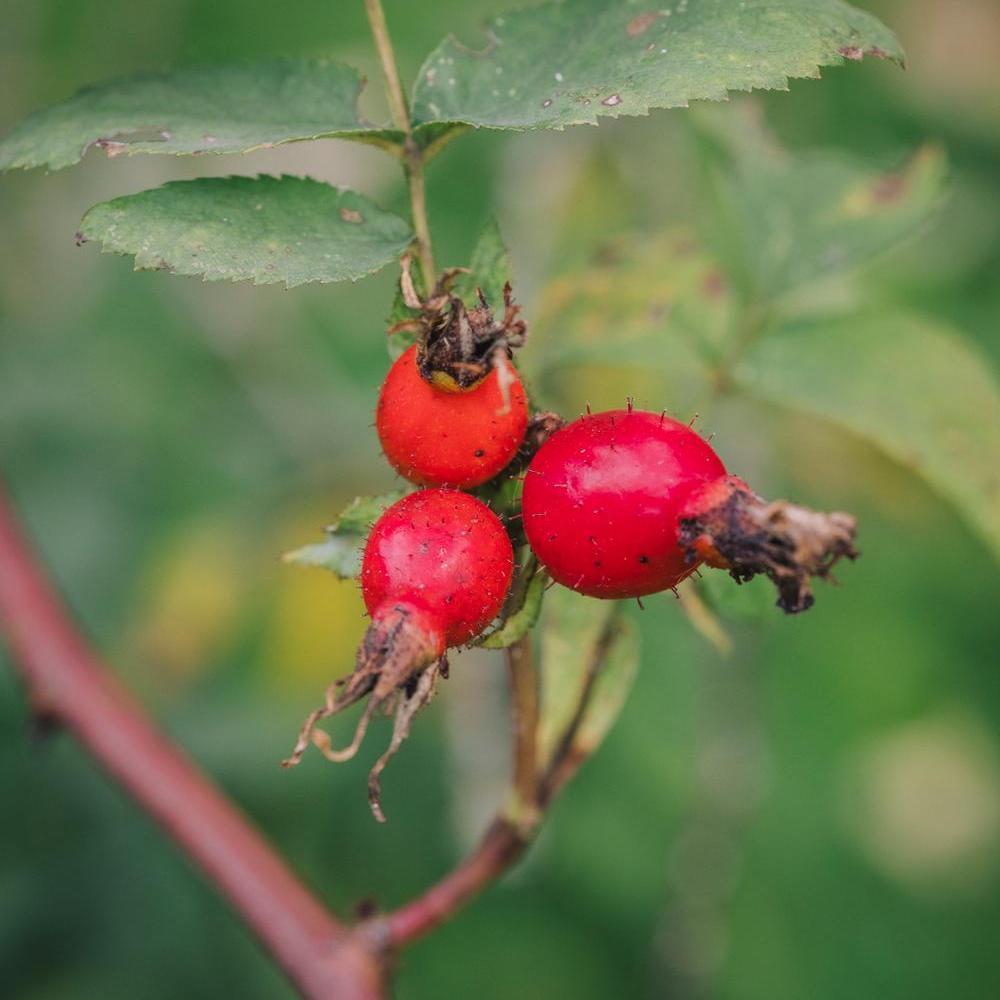
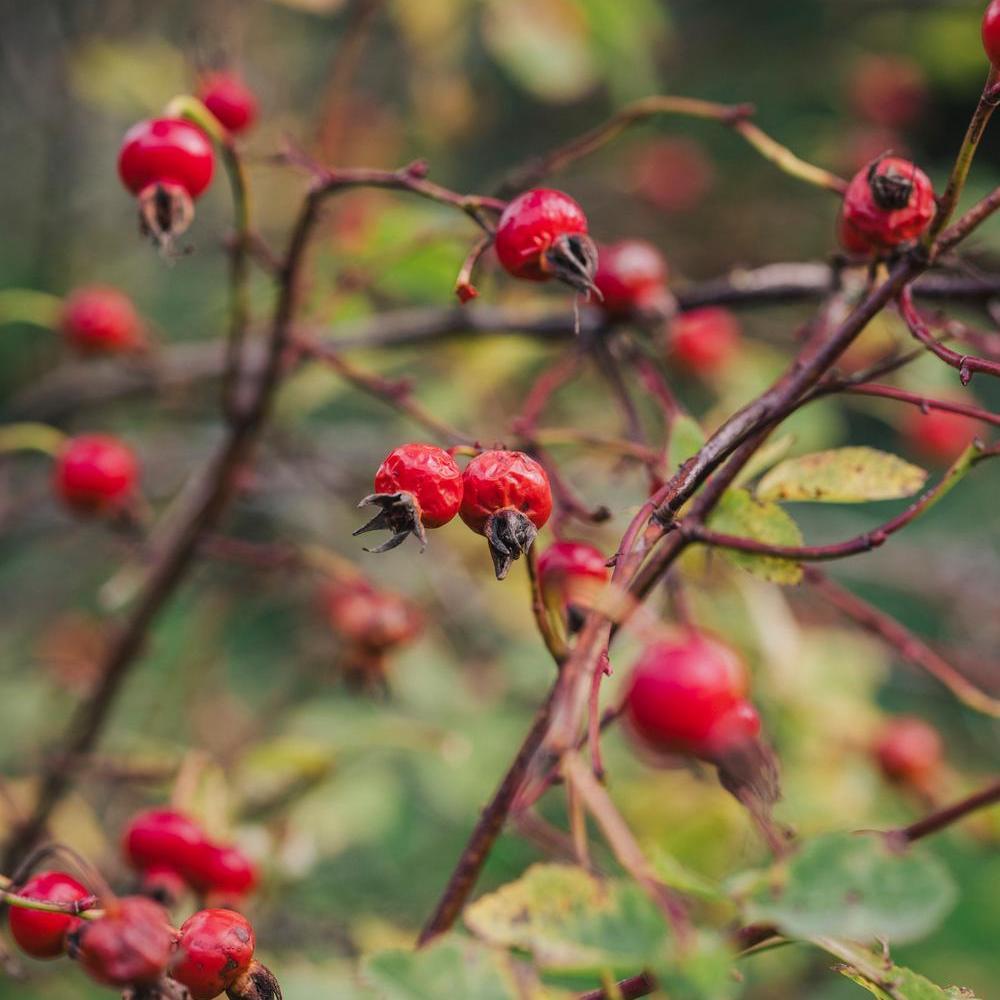
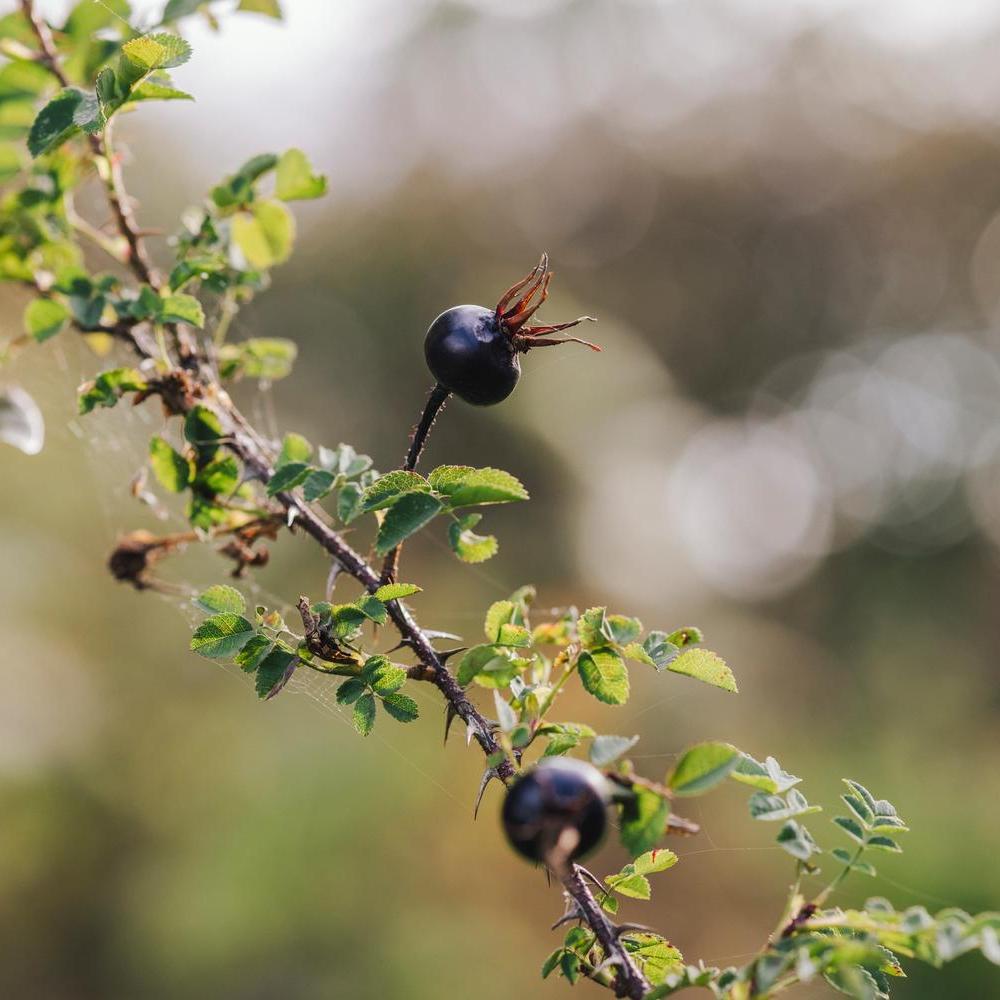
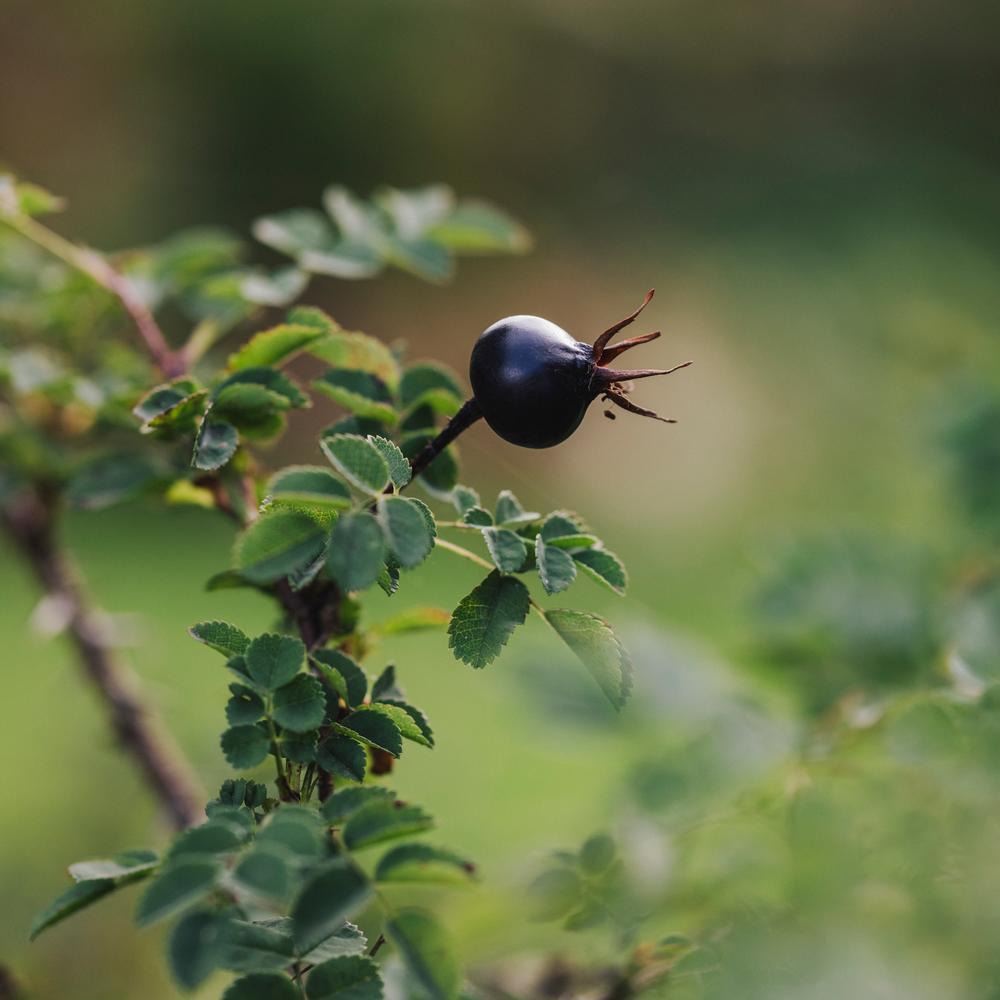
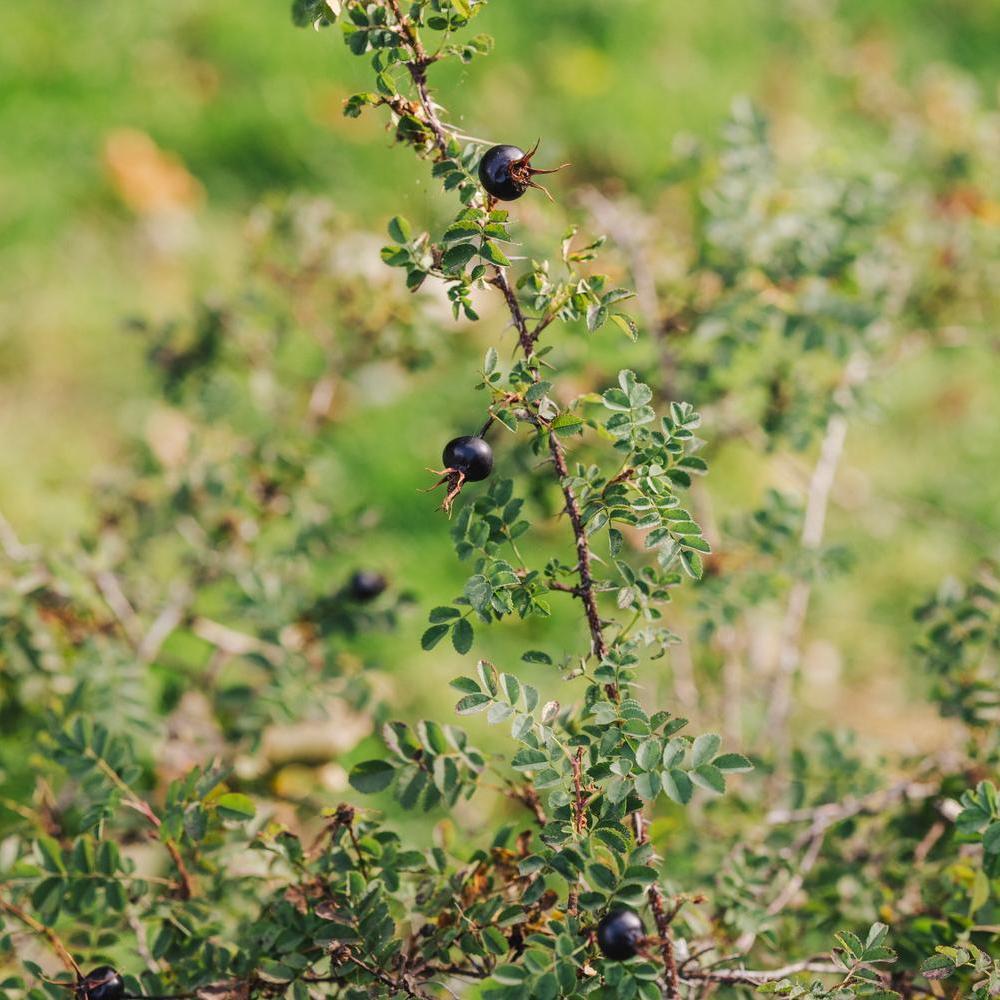
Rosa spinosissima, native to European dunes and coastal margins, tells a different story. Its small, round hips ripen to a deep purple black that stands out sharply against winter light. They are compact and smooth, shaped by a life in windy, exposed places where strength matters more than ornament. Even in the quiet months, the plant’s hardiness is obvious.
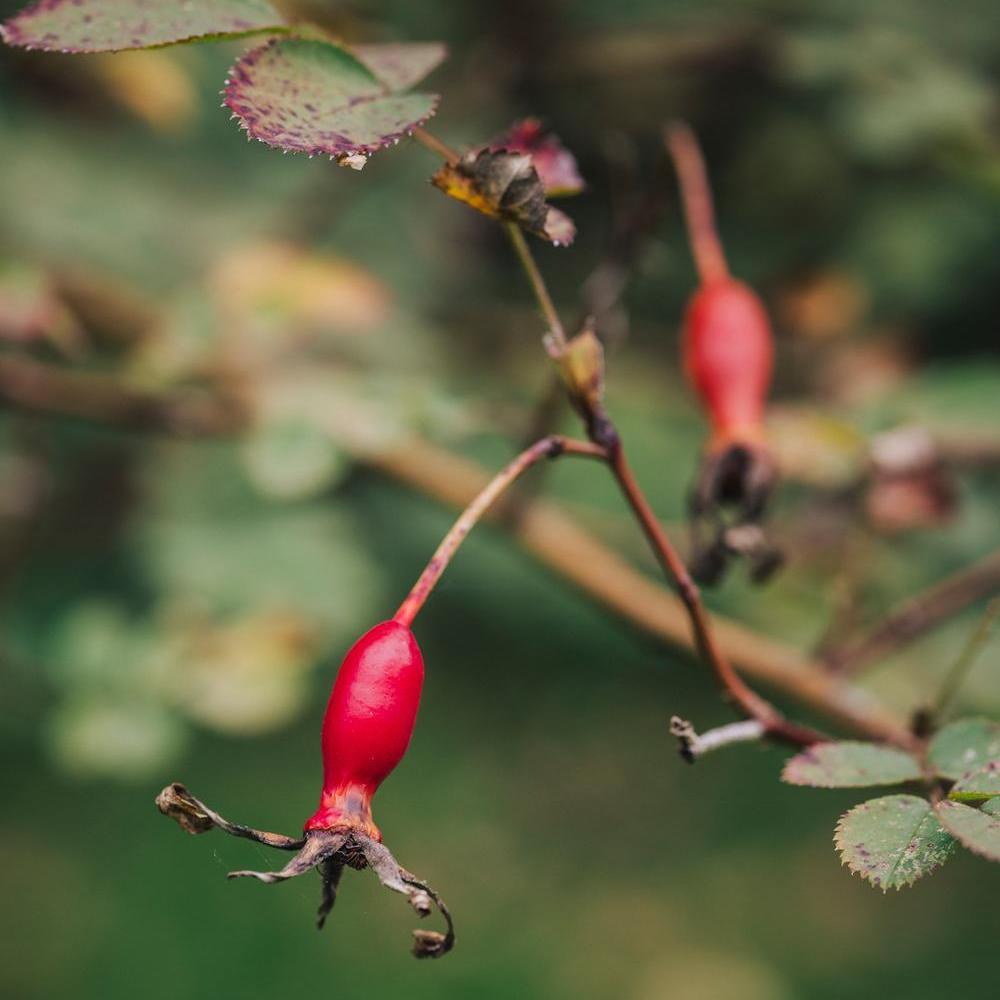
Finally, Rosa graciliflora holds slender red hips that match the light and fine structure of the plant. They feel like a natural extension of its growth, well-proportioned and quietly attractive without demanding attention.
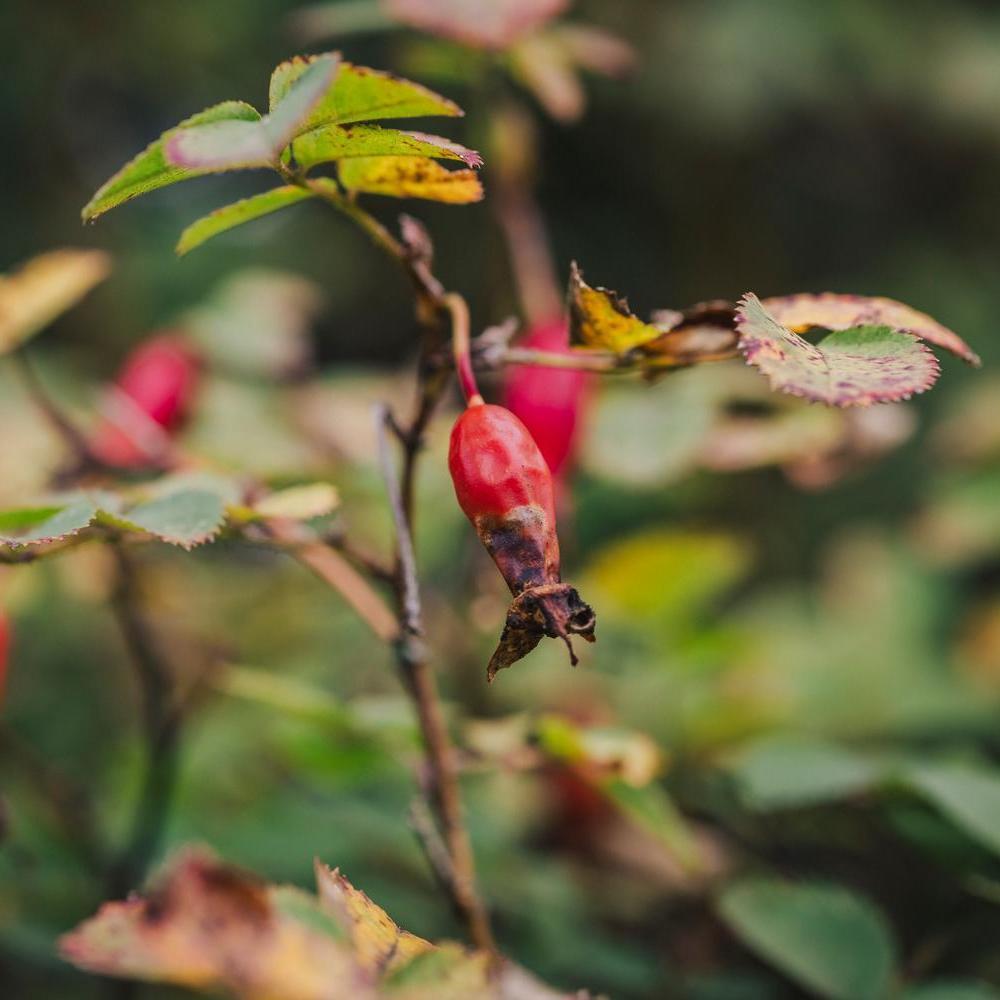
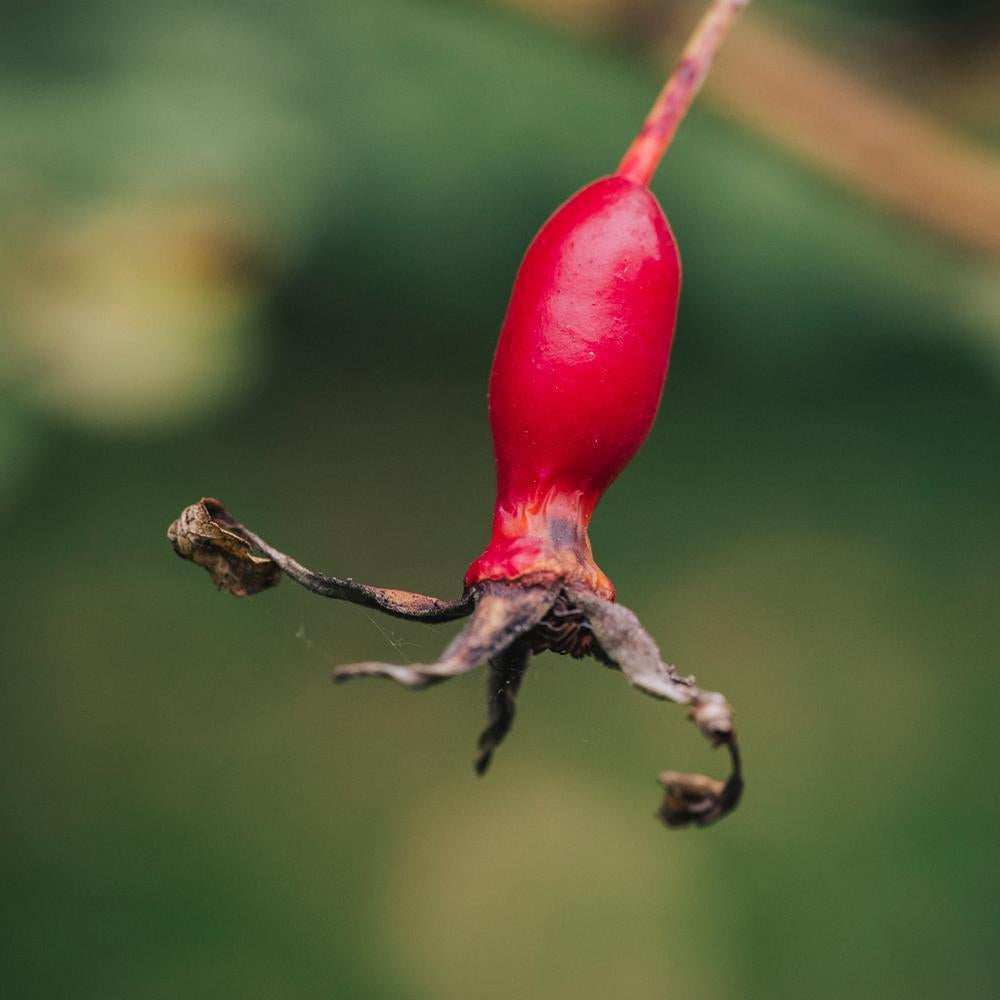
Watching these hips through winter is a good reminder of how varied the species roses really are. Each fruit hints at the strength, growth pattern and temperament of the plant behind it. Noticing these details can help gardeners choose roses that genuinely suit their own gardens rather than relying on flowers alone. It is a small piece of winter observation, but a useful one.
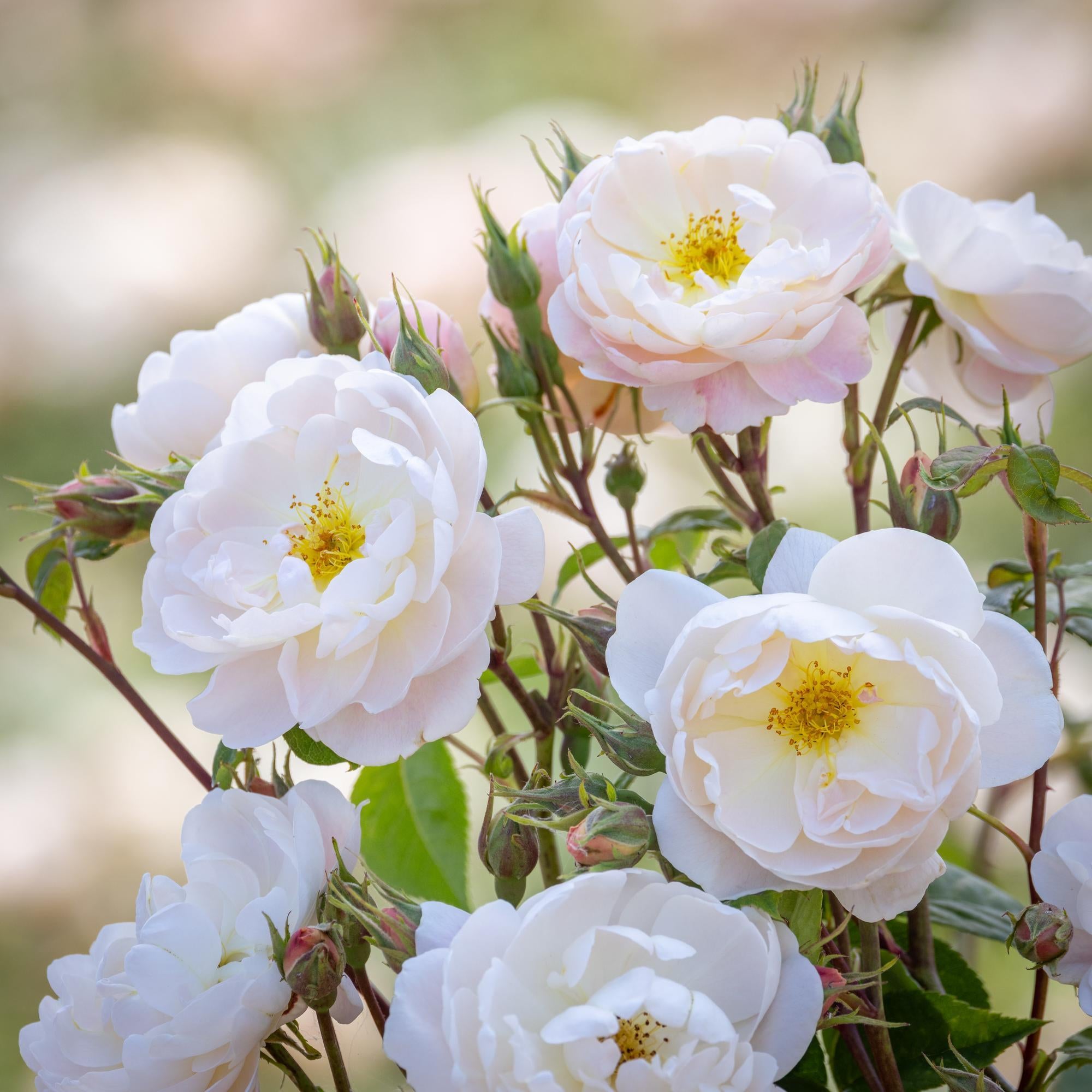 New This YearThe Last Bloom Last BloomMost of our roses have now been cut back for winter. But we’ve held back a limited selection, hand-picked from our fields with buds and blooms still to come. Plant them now and enjoy a final flourish of colour before winter arrives.Sir David BeckhamEnglish Shrub Rose£27.50 - £38.50Fragrance strength
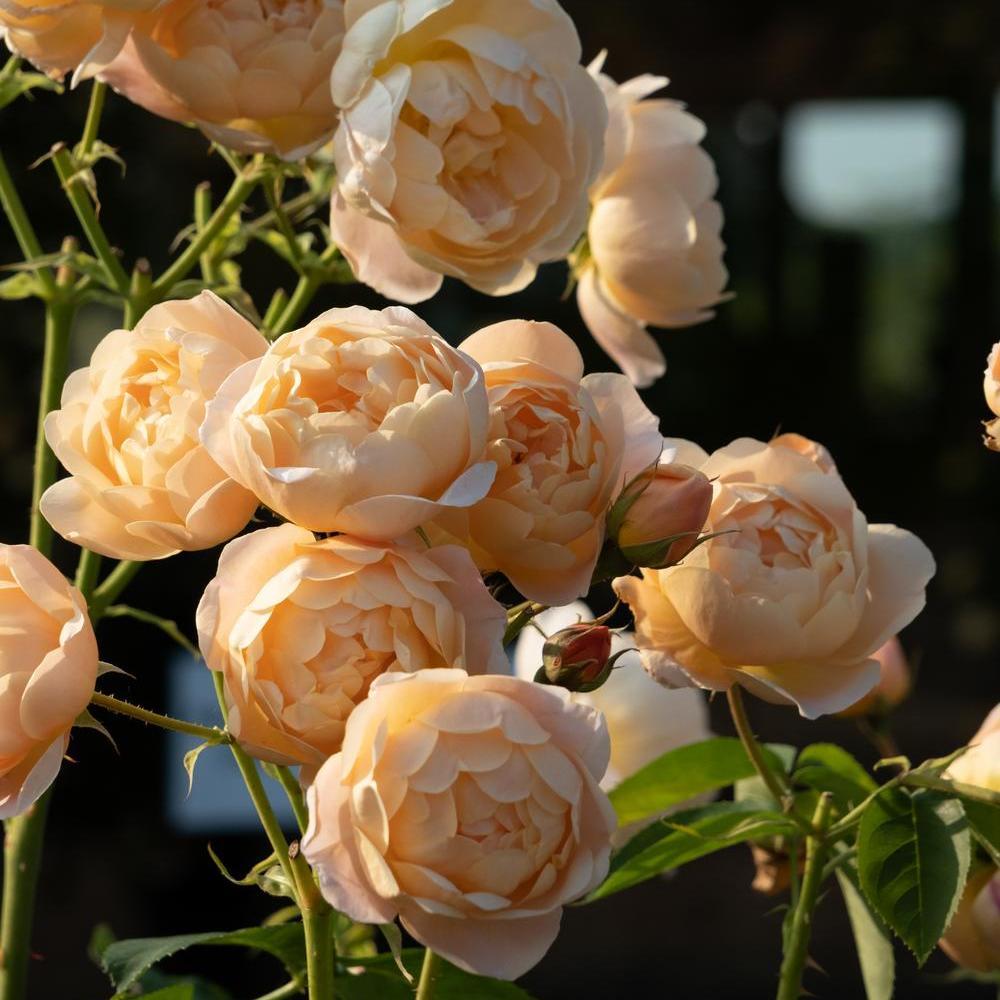 The Last Bloom Last BloomMost of our roses have now been cut back for winter. But we’ve held back a limited selection, hand-picked from our fields with buds and blooms still to come. Plant them now and enjoy a final flourish of colour before winter arrives.Dannahue®English Shrub Rose£24.00 - £35.00Fragrance strength
-
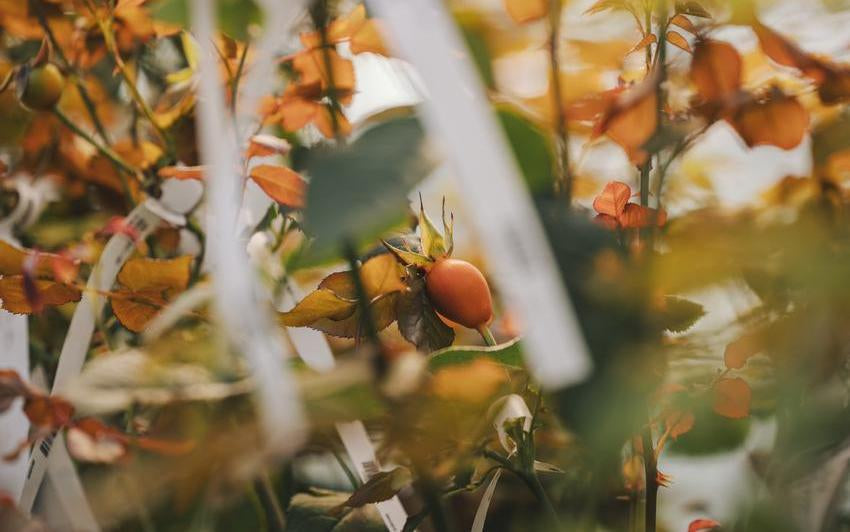
From Flower to Fruit: How Hips Give Life to New RosesAt David Austin Roses, the greenhouses are alive with energy as thousands of young plants grow and develop. This is the stage where the next generation of roses begins to take shape, starting with the formation of rose hips, the small fruits that hold the seeds of future blooms.

-
The Beauty of Ripening Hips: A Season of Promise in the Breeding GlasshousesOur breeding team shares what this special season means to them, as the hips ripen in the glasshouses and the next generation of roses begins its journey.
-
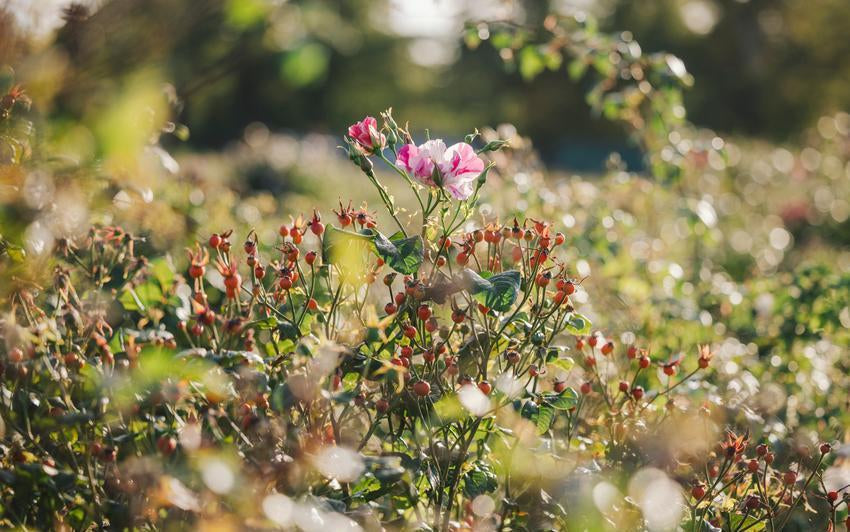
Using Rose Hips for Christmas: Natural Crafts and Winter Garden InspirationAs autumn settles and the days take on a crisp, silvery light, the garden begins to quieten. Blooms fade, leaves fall, and roses offer their final gesture of the year. Their hips, glowing in reds and soft oranges, brighten bare stems like small lanterns and bring warmth to the stillness of the season. These fruits have long carried a nostalgic charm, recalling winter walks, simple festive gatherings and the comforting traditions of Christmas. Rose hips are easy to collect. Choose firm, brightly coloured hips and snip them with a short length of stem attached. A gentle rinse is enough to prepare them for craft or cookery.
-
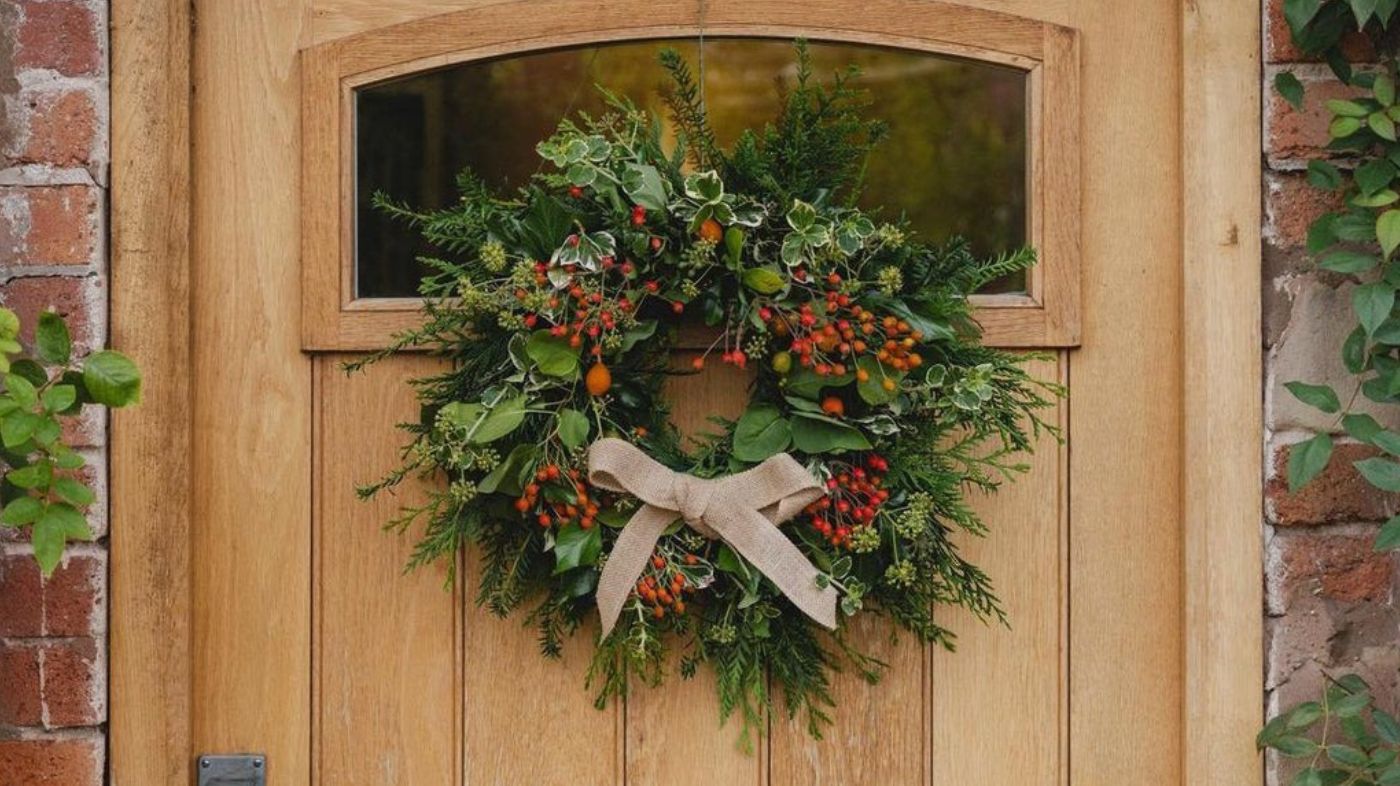
How to Make a Foraged Rose Hip Christmas WreathA winter walk often reveals more than you expect, especially when you start gathering what the season gives you. For generations, people have stepped out into the darker months to collect what the hedgerows have to offer: evergreens, seedheads, berries and, of course, rose hips. A wreath made from these finds feels honest and seasonal, shaped by the garden and the landscape rather than by anything store-bought. It is a small way of bringing winter’s character indoors.
-
David C.H. Austin’s love of Scottish roses and the rose that sparked his visionFor David C.H. Austin, roses were his passion and life's work, each one telling a story of beauty, resilience, and romance. While he is celebrated for creating the English Rose, renowned for its timeless beauty and exceptional fragrance, his extraordinary legacy began with a quiet, serendipitous discovery: ‘Stanwell Perpetual’.

-
The Perfect Gifts for Gardeners this ChristmasAs the garden rests and daylight draws in, Christmas becomes a lovely moment to surprise the gardener in your life with something thoughtful. The right gift can brighten the quieter months and carry the promise of beauty when spring returns and the roses wake again.