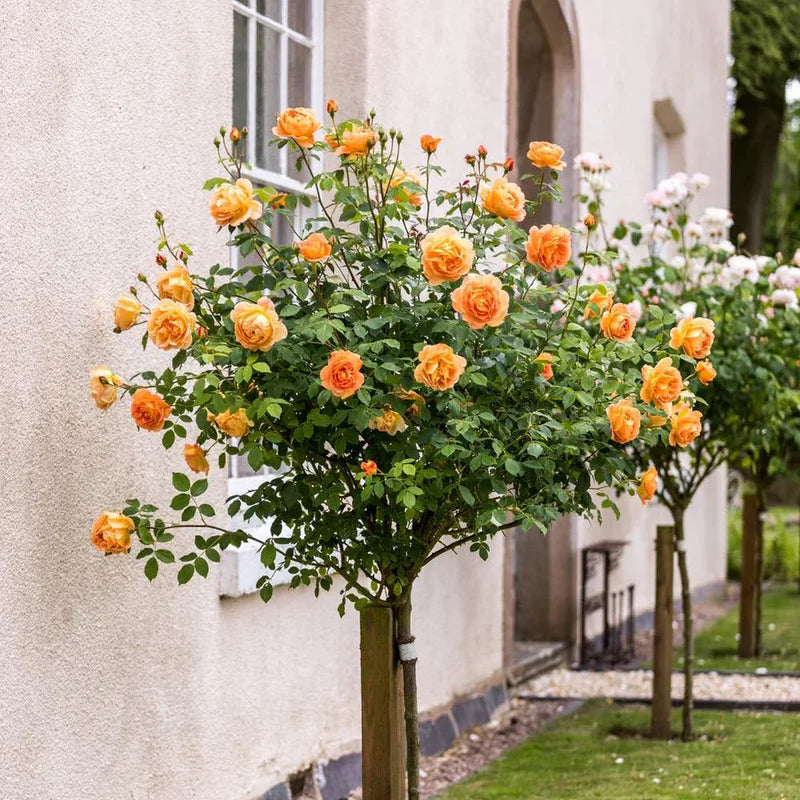

A Valentine’s Day of Roses, Planted for Years to Come
Valentine’s Day has always been a day of gesture, but it has never truly been about the gesture alone.
At its heart, it’s about choosing a way to express what matters, and doing so with care. That might be a few well-chosen words. A note left somewhere it will be found. A gift that feels considered, not hurried. The most enduring expressions of love rarely shout for attention. They simply remain.
Perhaps that is why roses have stayed so closely tied to Valentine’s Day. They have always offered their own kind of language. Even in poetry, they are rarely used merely for beauty.
As Robert Frost wrote in The Rose Family:
“You, of course, are a rose – / But were always a rose.”
It’s a line that quietly captures what Valentine’s Day is trying to say: real love is not only a moment, but something lasting.

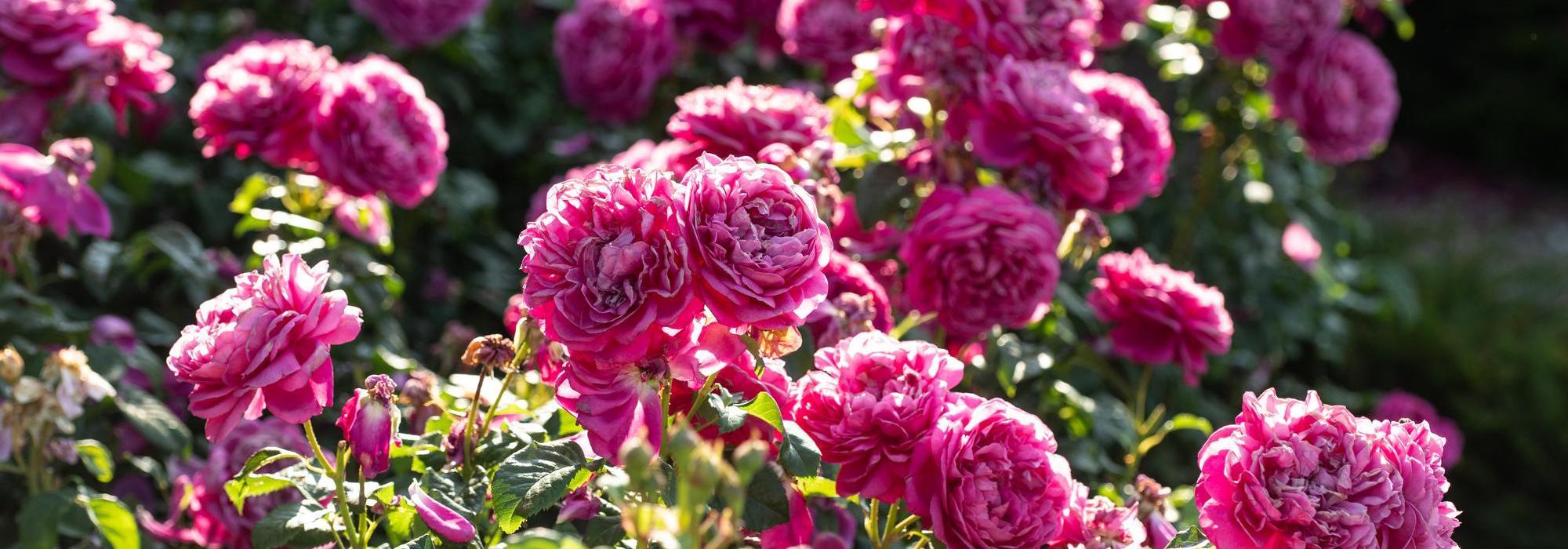
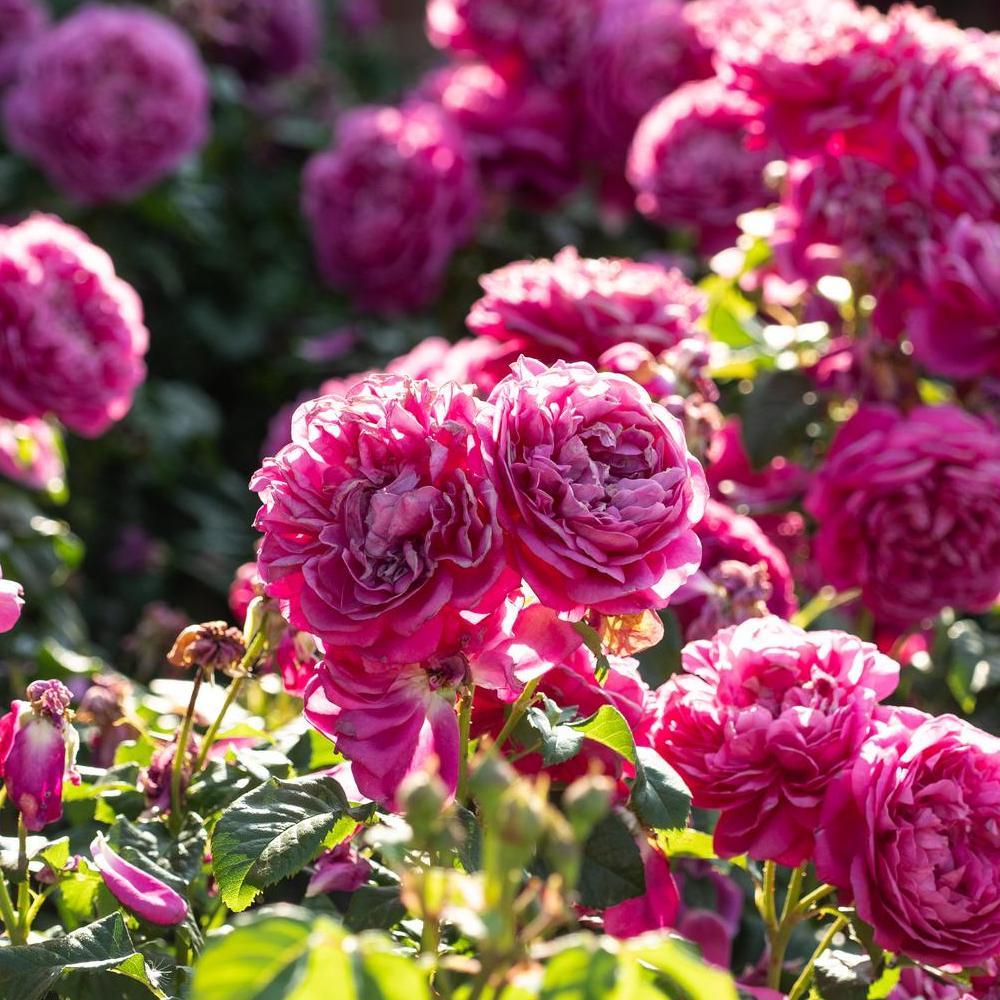
A Valentine’s Gift that Grows
So many Valentine’s gifts are designed to be enjoyed quickly. They brighten an evening, and then they pass. But a rose given as a plant tells a different story.
A potted rose can be placed by the door and enjoyed straight away. A bare root rose, planted during the dormant season, begins its journey with patience. Both have the same promise at their centre: this is a gift that can be lived with, and returned to, year after year.
It is a romantic choice, yes, but it is also a practical one. A rose becomes part of a garden, part of a home, and eventually part of someone’s seasons. It doesn’t vanish when the day is done.
Bare root roses also offer a quieter kind of thoughtfulness. They have a lower environmental impact than many traditional gifts, and because they are lighter to transport, they typically require less packaging. It is an approach that feels in keeping with the message of lasting love.
Why Roses Speak So Well for Us
As Liam Beddall, our Head Rosarian, puts it:
“Giving roses as a plant has such power. They are beautiful in the moment, but the romance is that they return, season after season.”
That return is part of what makes the gift feel so personal. The first buds. The first fragrance. The first bloom that opens properly, as if it has finally decided to show itself. Then the same again next year, and the year after.
Four roses for a Valentine’s gift that grows
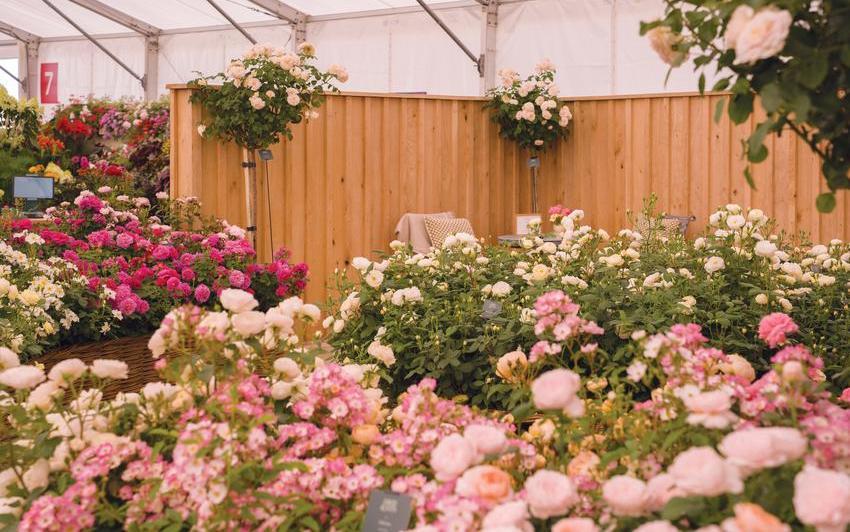
If you’re choosing a rose for Valentine’s Day, it helps to think not only of colour, but of character. These are four English Roses that lend themselves beautifully to gifting, each one with its own mood.
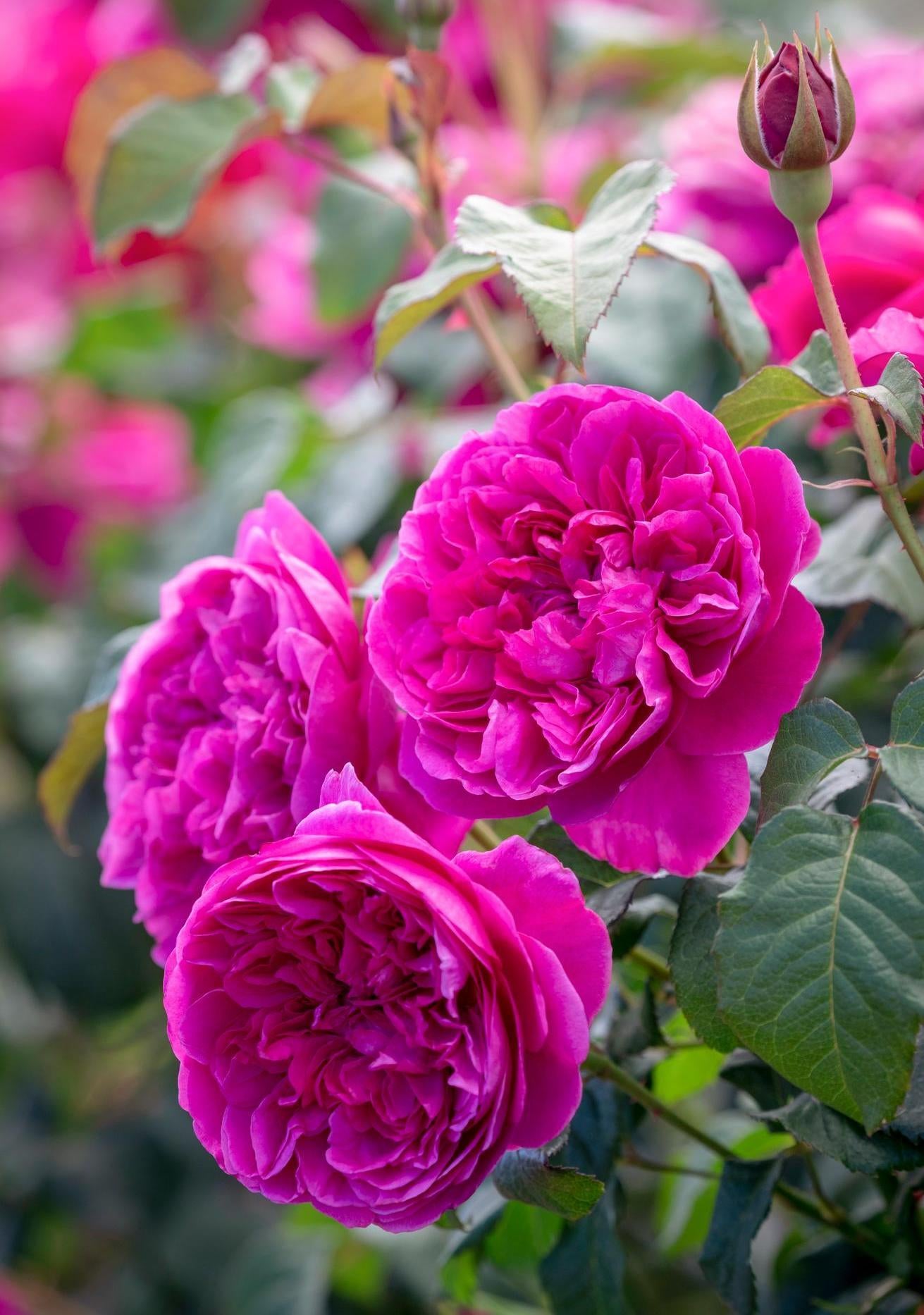
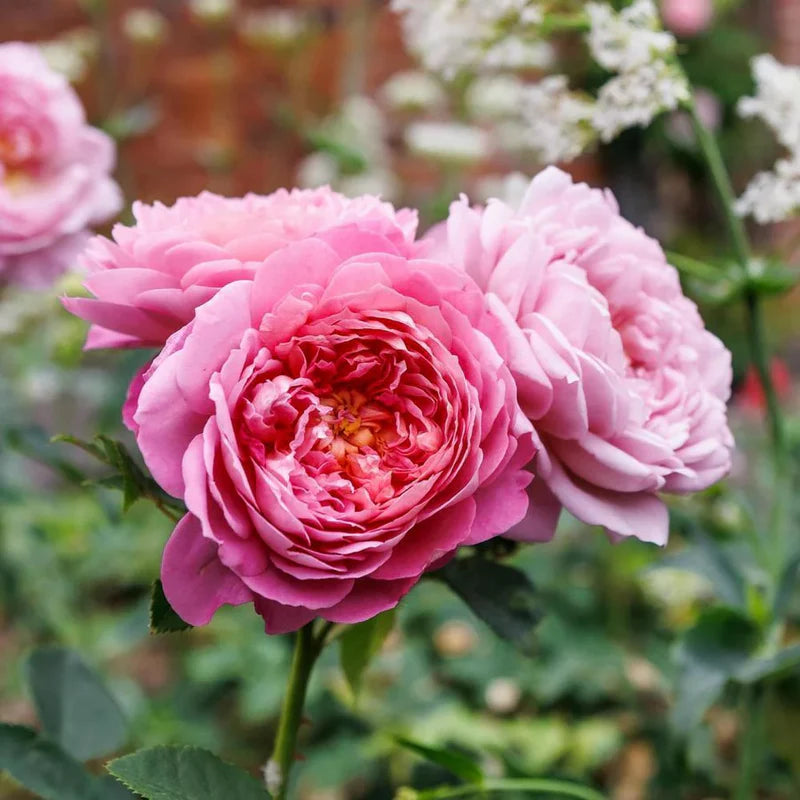
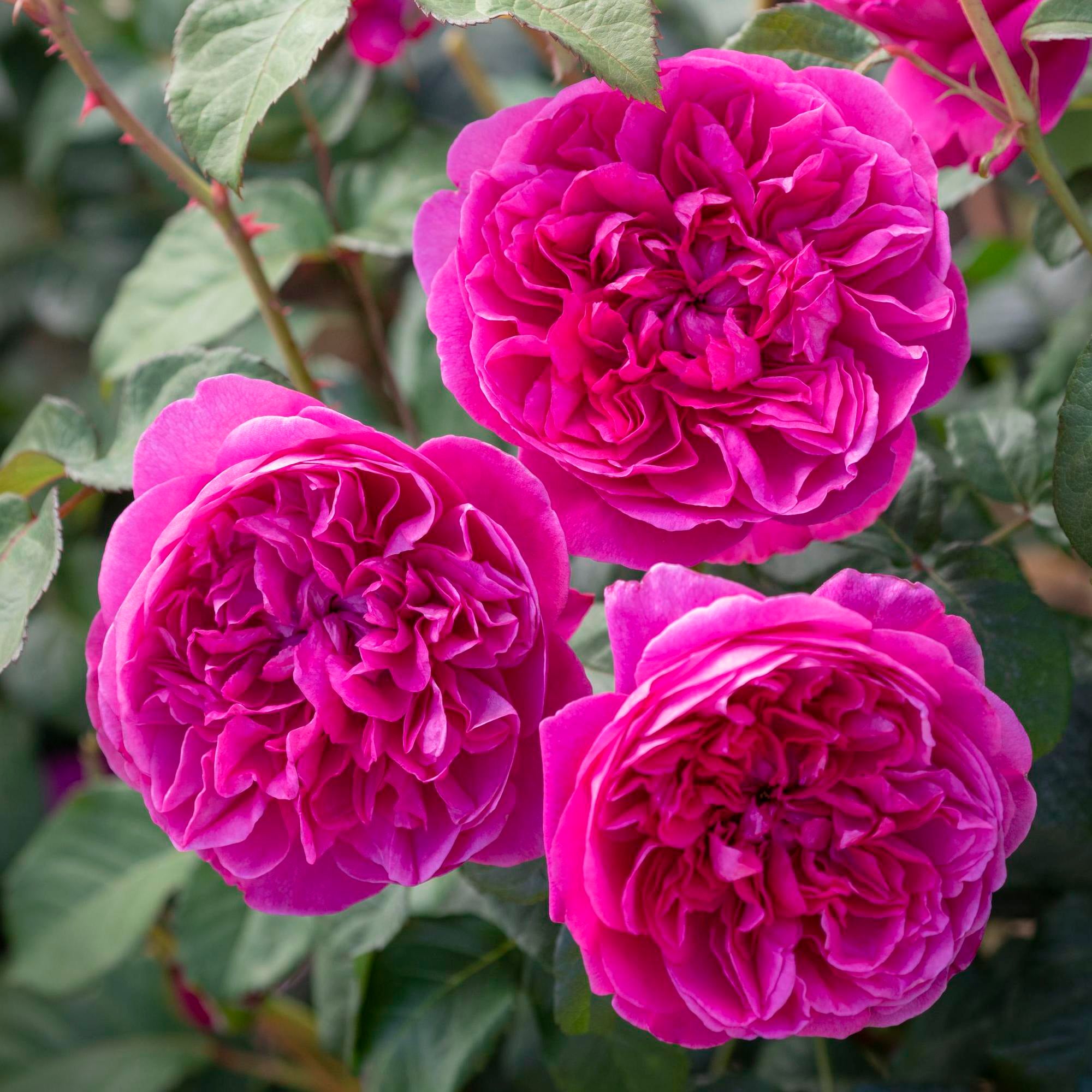
James L. Austin®
Deep pink and richly petalled, with a classic rosette form and a clear button eye. He forms a neat, upright shrub and offers repeat flowering through the season. A rose with real substance, both in habit and in bloom, with a light-medium fruity fragrance.
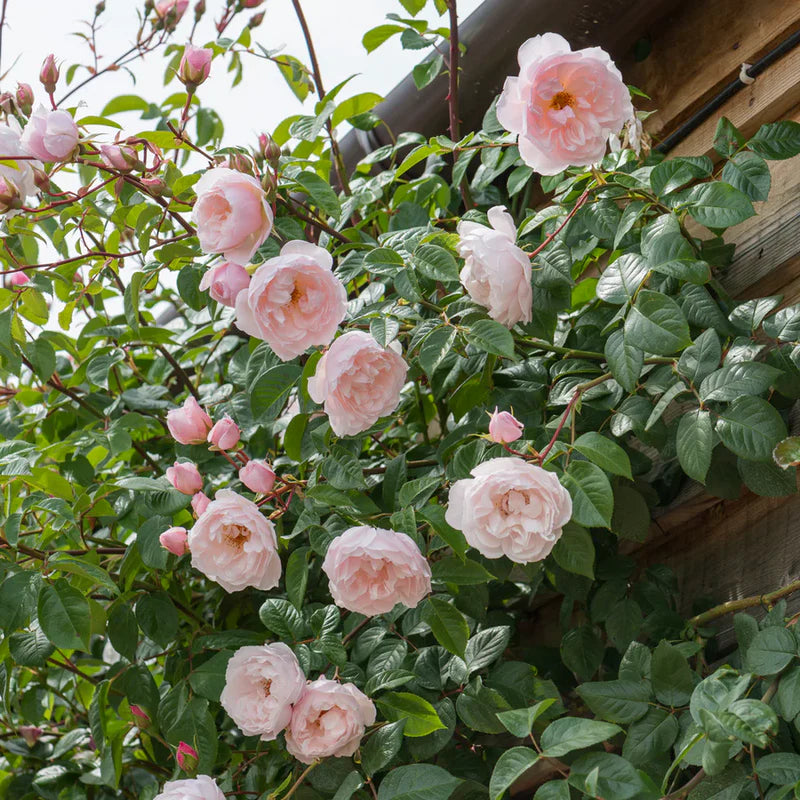
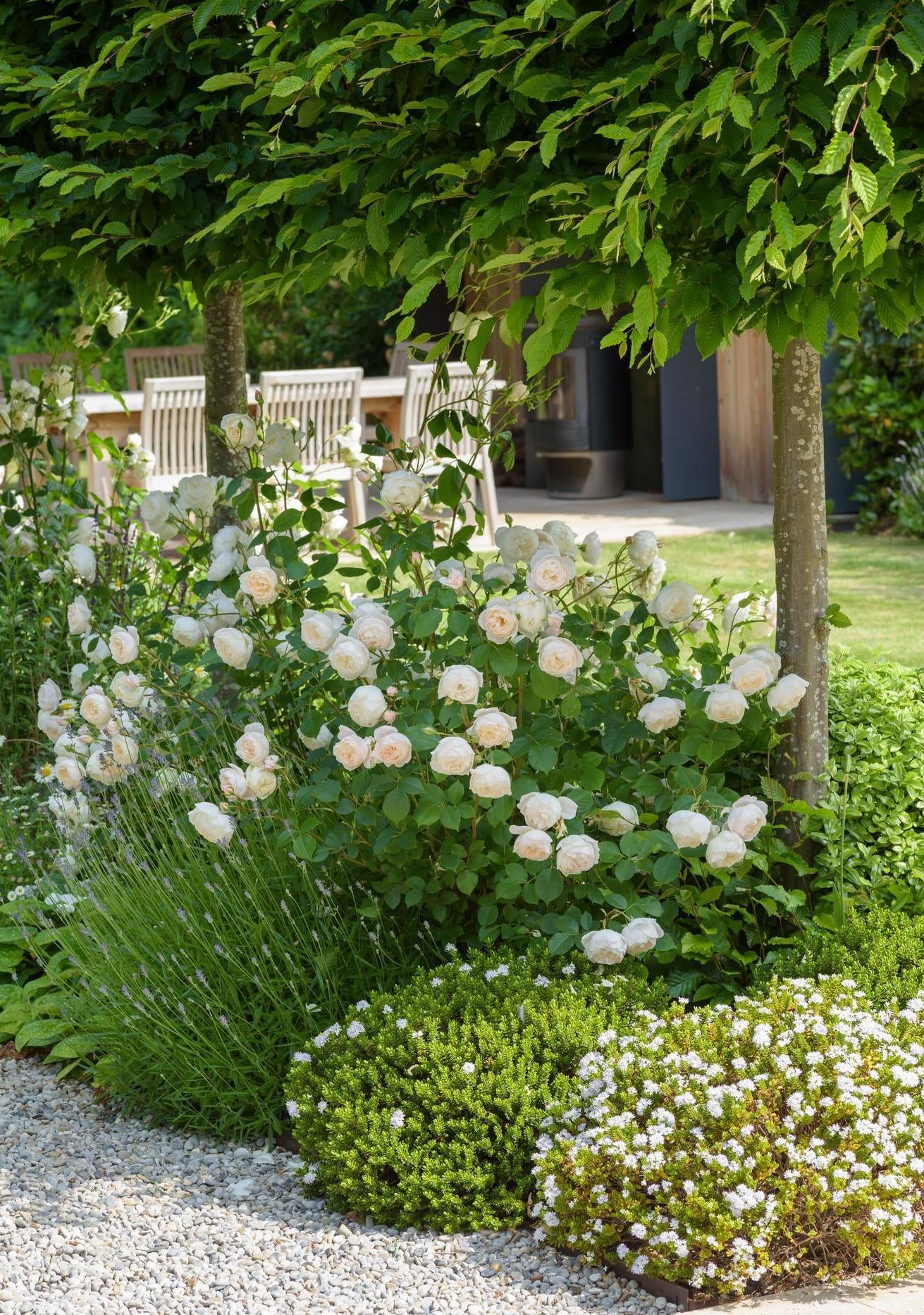
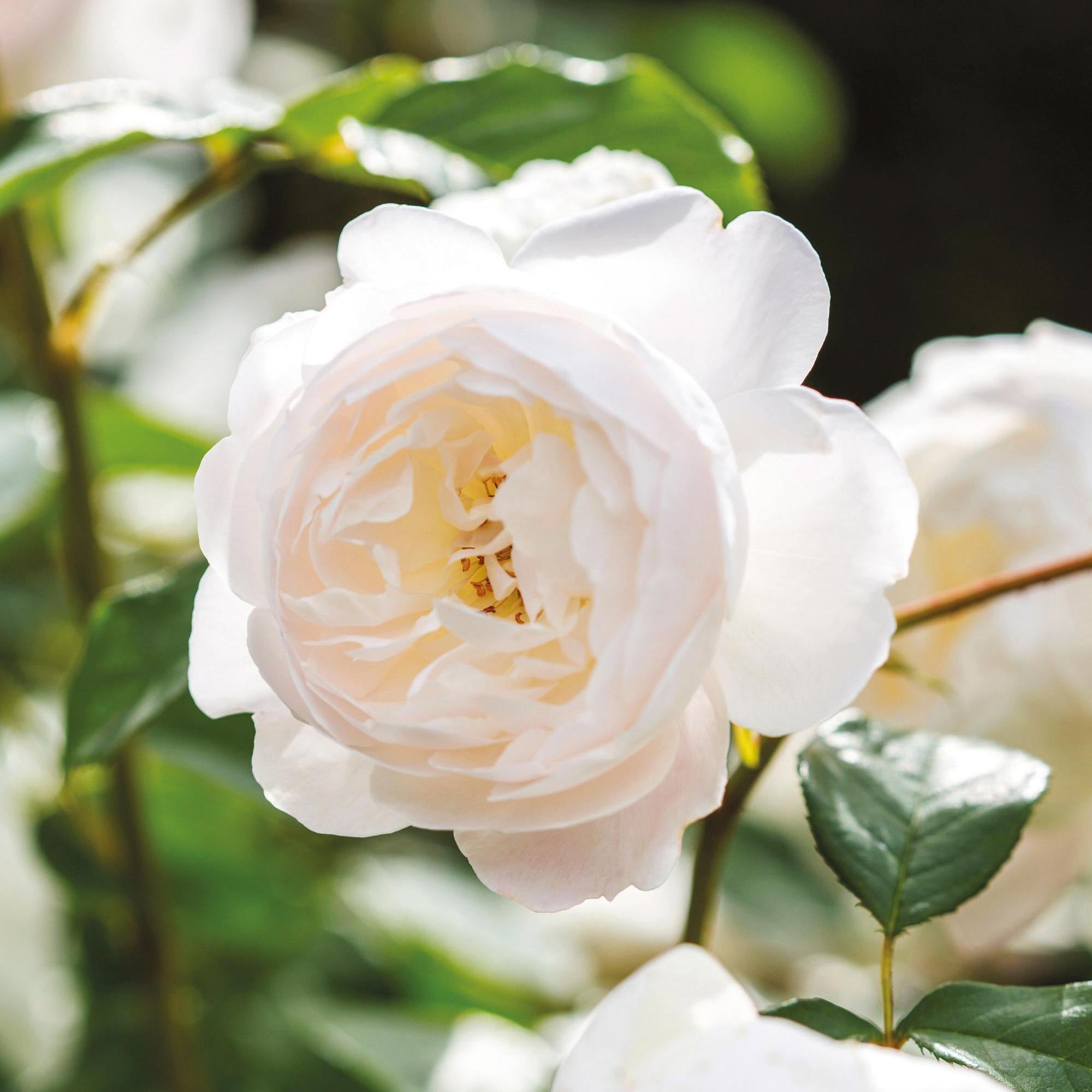
Desdemona®
Named for Shakespeare’s heroine in Othello, Desdemona has a calm, luminous elegance. Soft peachy buds open into white chalice-shaped blooms, often with the faintest blush. The fragrance is distinctive and complex, with hints of almond blossom, cucumber and lemon zest.
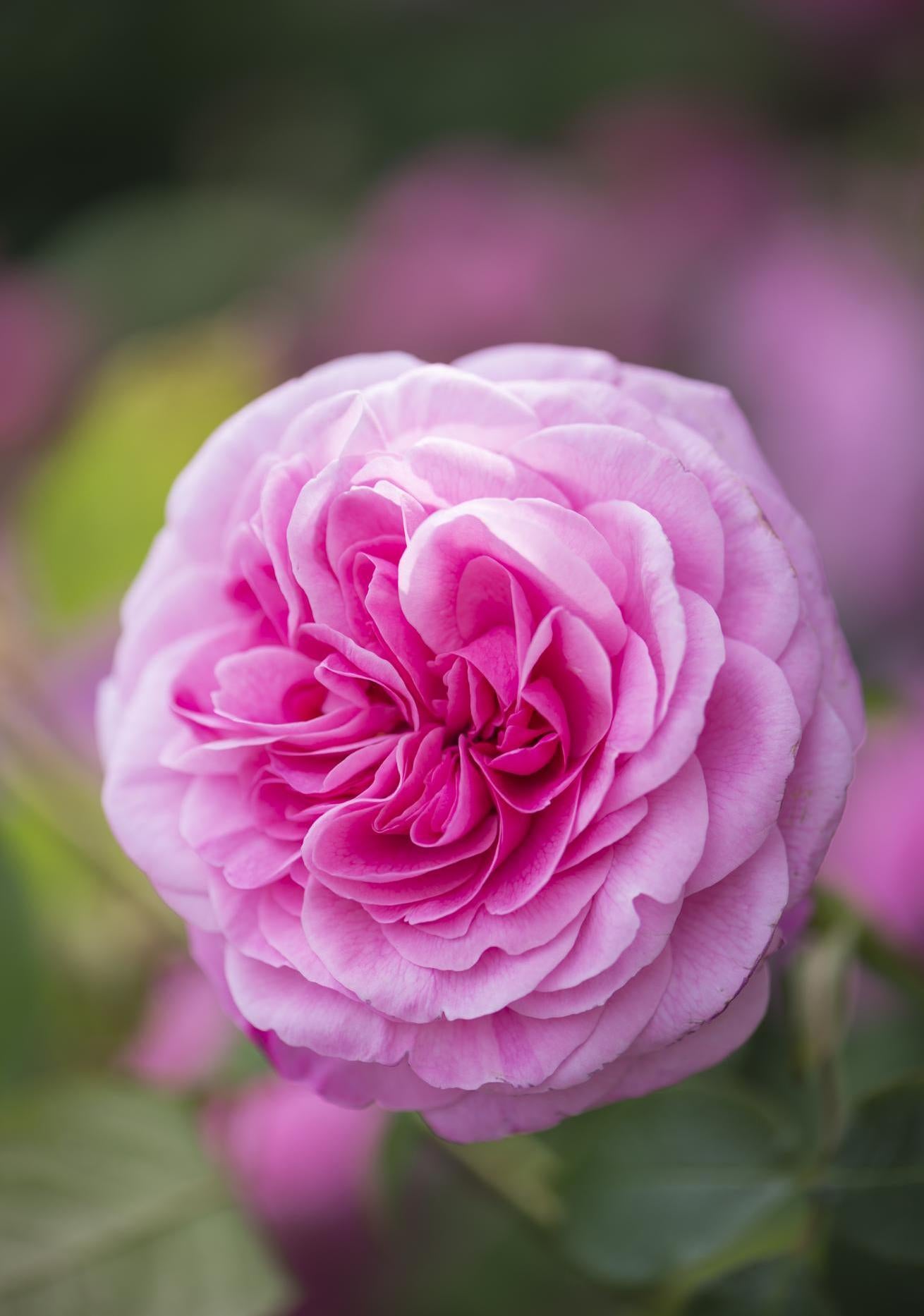
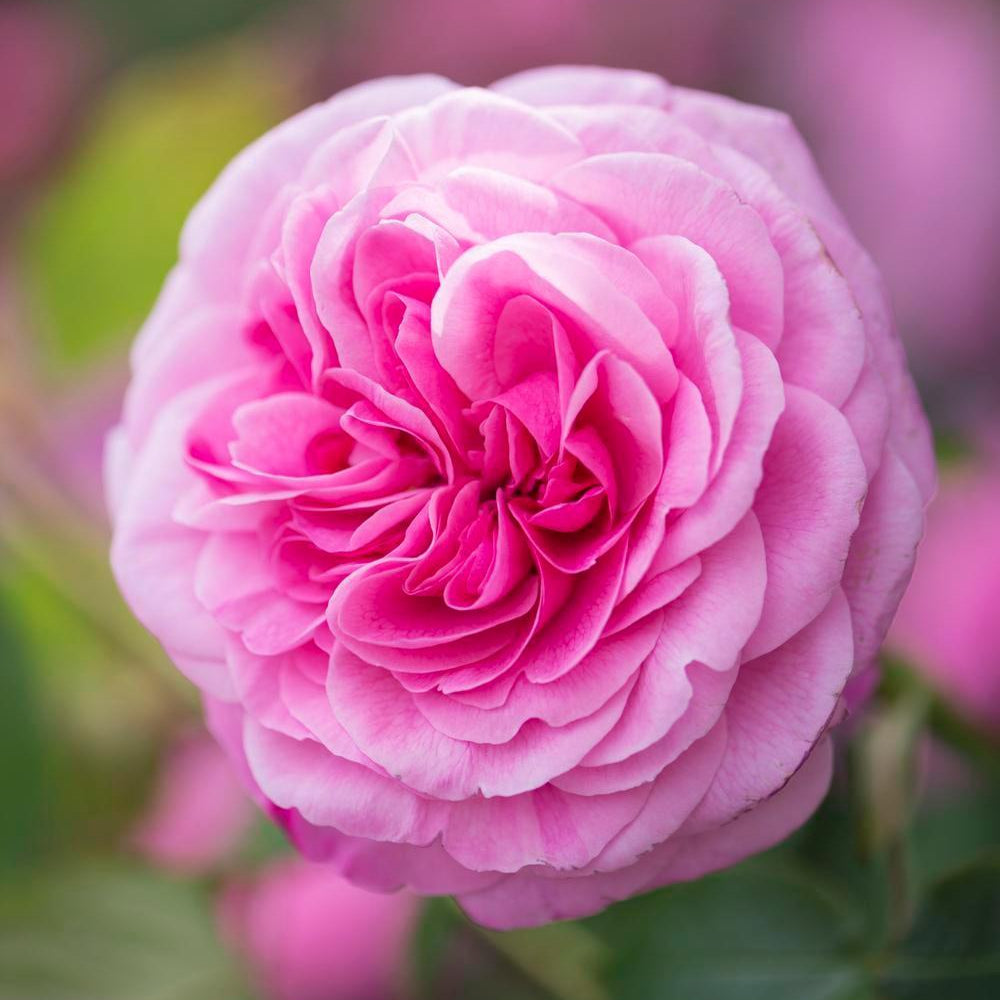
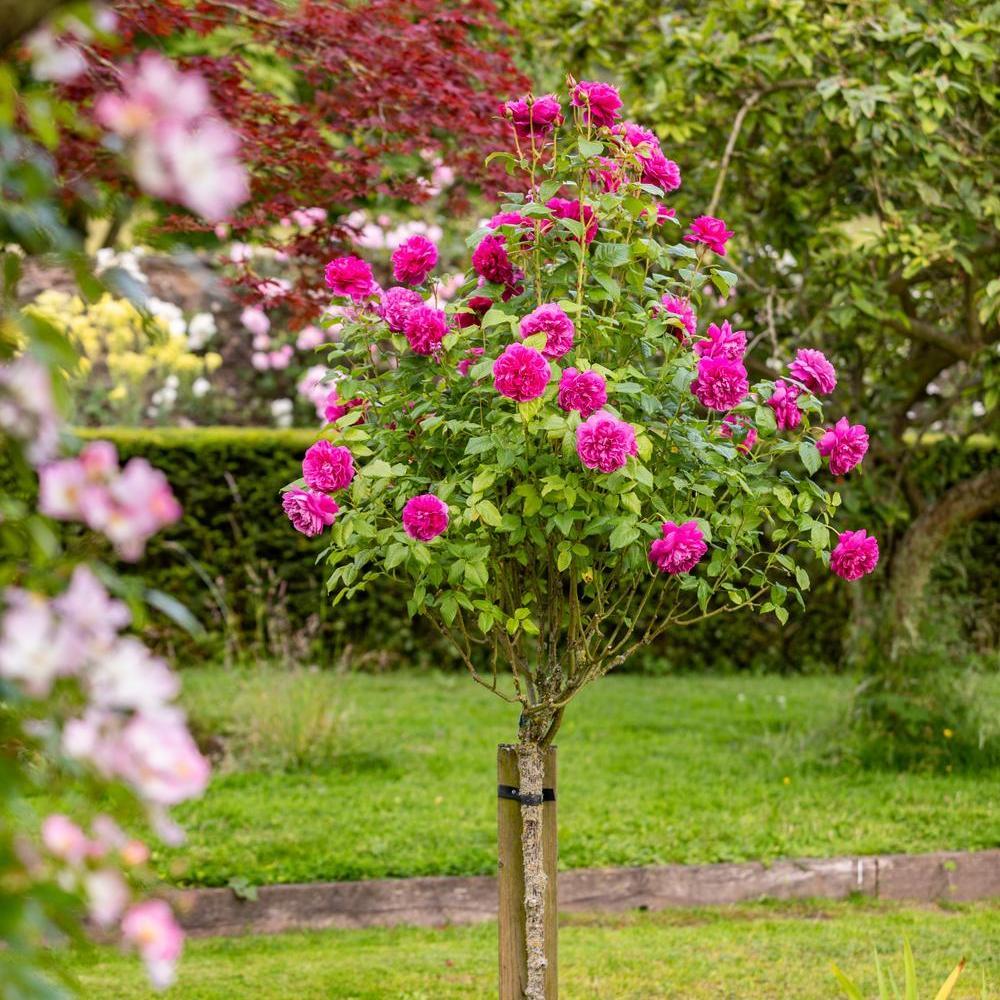
Gertrude Jekyll®
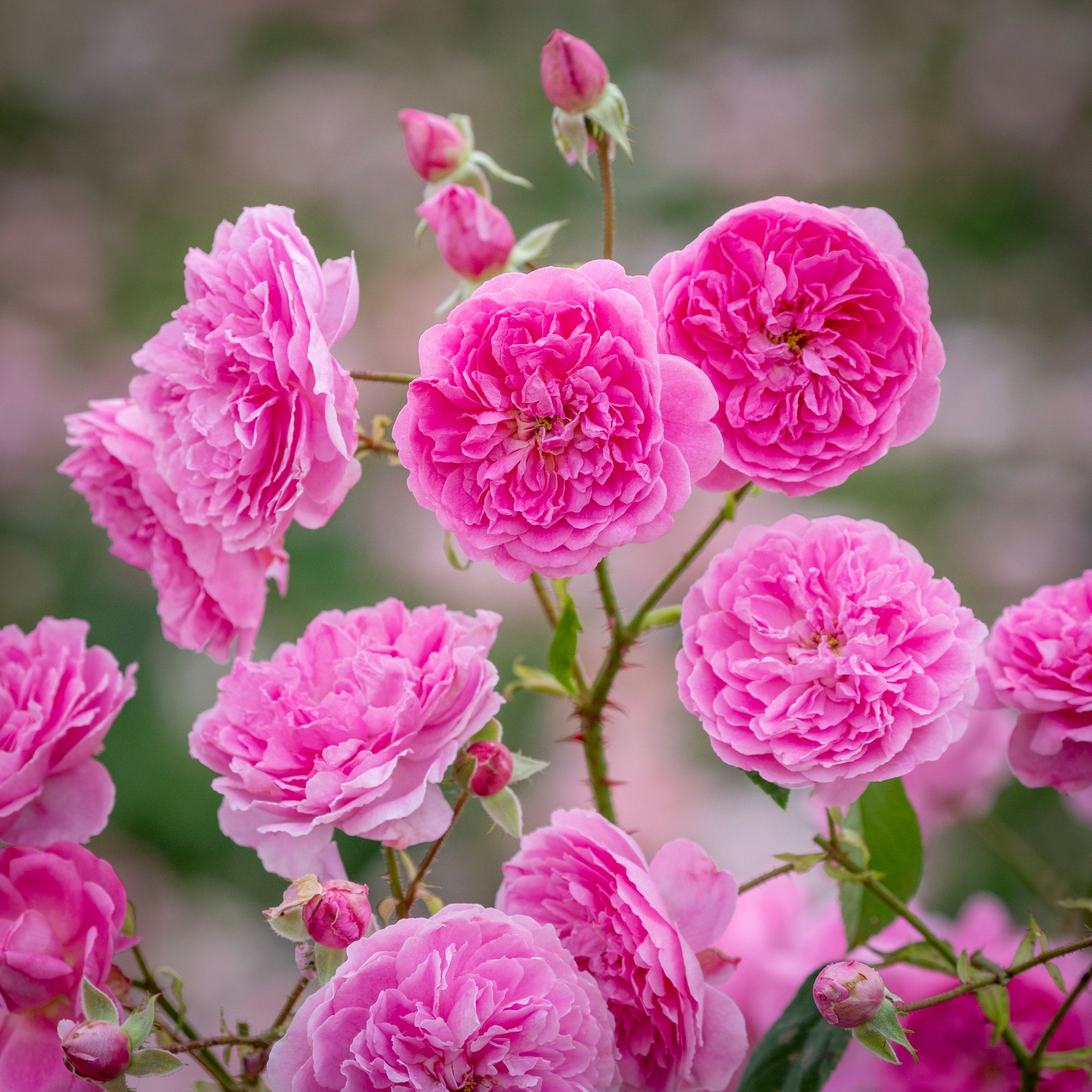
A classic rose in every sense: richly pink, deeply romantic, and famously fragrant. Her blooms are beautifully formed, and she brings a generous presence whether grown in a border or a large pot. A wonderful choice for someone who loves timeless rose beauty.
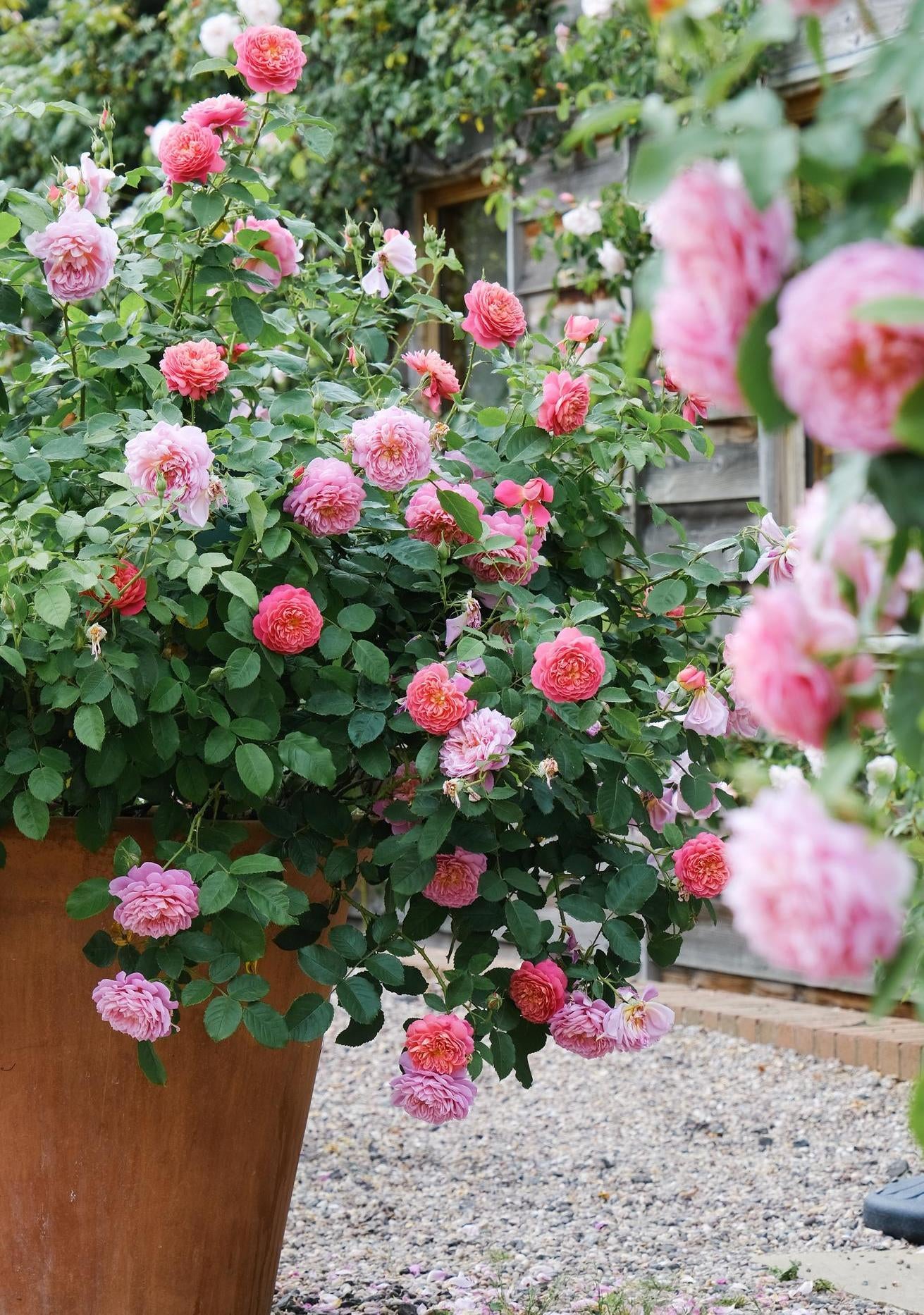
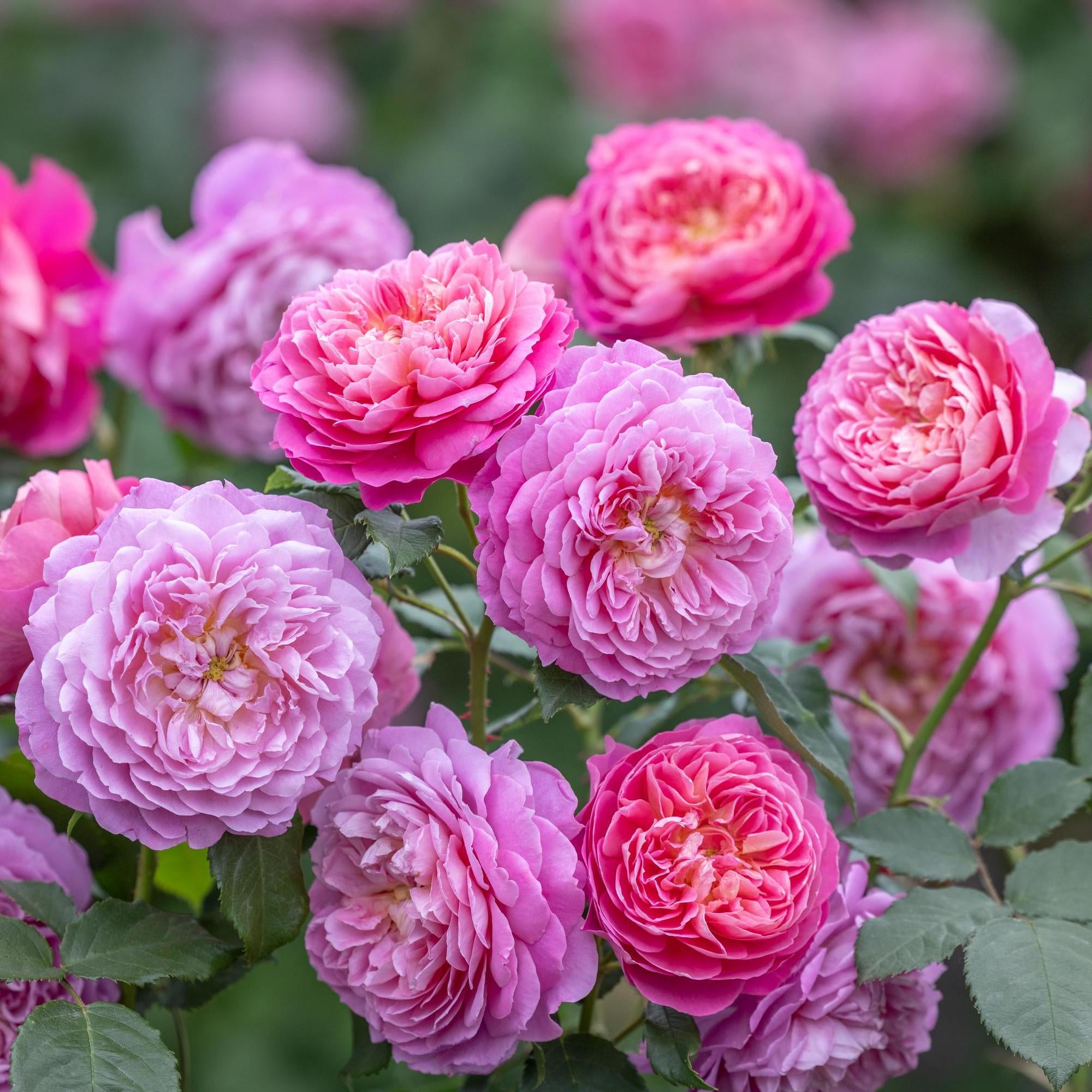
Emma Bridgewater®
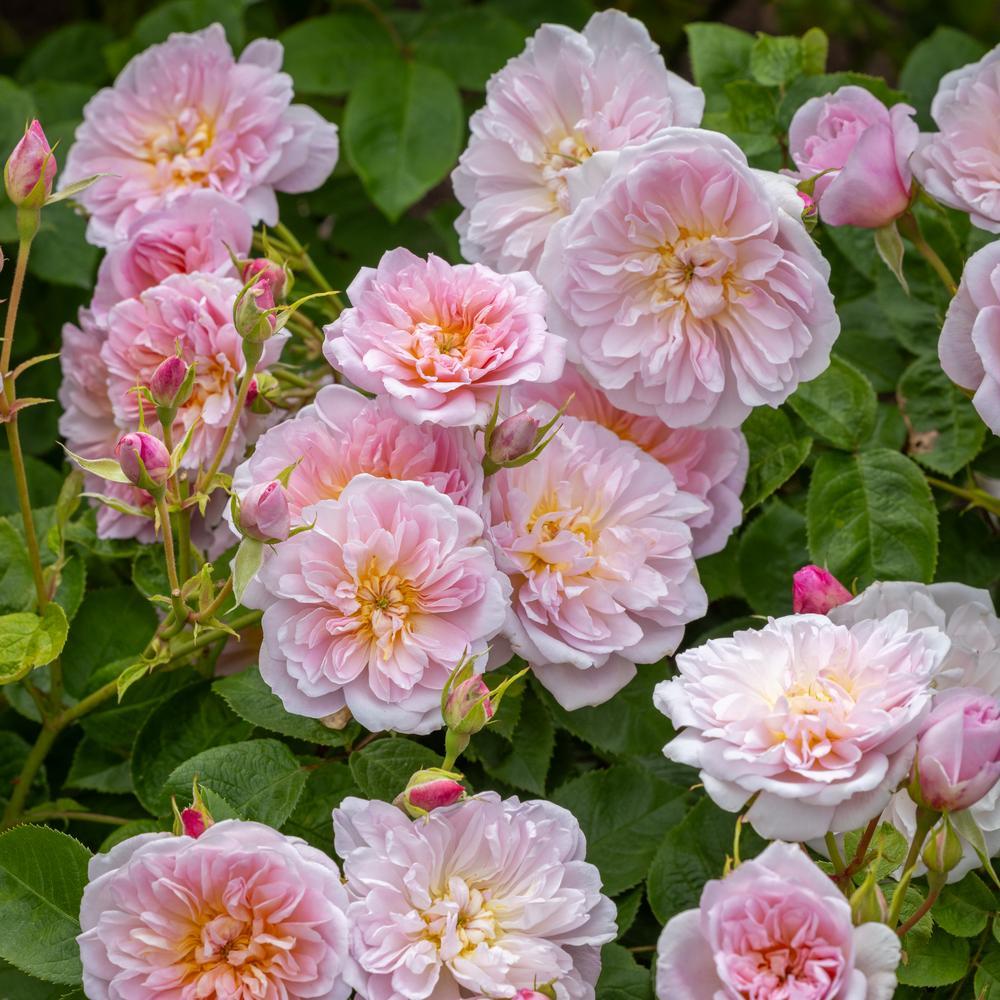
A rose with a joyful spirit. Her colouring is lively and painterly, opening coral-pink and softening into mauves and lilacs as the blooms mature. Flowering freely, she brings warmth and brightness to the garden, along with a light-medium Tea fragrance.
A Love that Lasts
Valentine’s Day does not need extravagance to be meaningful. In fact, the most memorable gestures often have a sense of quiet intention. A rose is one of them.
To give a rose as a plant is to offer something that will settle in and become part of the everyday. Over time, it becomes bound to memory: the year it was planted, the first flush of flowers, the moment it truly came into its own.
It is a gift that continues long after it is given. It returns.
And in that, it says something many of us hope to say more often: this was not only for today. This is for the years to come.
-
A Love Letter To Roses: The Stories Behind The BloomsIn the quiet garden of history, roses have always been the unsung narrators of love and symbols of passion, loss, devotion, and yearning. In the first part of our Love Letter to Roses series, we explored the deep roots of these timeless flowers, their symbolic role in the language of love. Now, we turn to the roses themselves, each a character in its own right, bearing the essence of some of the most unforgettable love stories ever told.

-
A Love Letter To Roses: Tales Of Love Through The AgesFor centuries, roses have been nature’s quiet confidants in the art of love, their petals carrying whispers of affection, longing, and devotion. These remarkable blooms have transcended cultures and eras, weaving their way into poetry, mythology, and cherished traditions. As we reflect on their history, we uncover a story as layered and evocative as the flowers themselves - a tale of beauty, meaning, and connection that has stood the test of time.
-
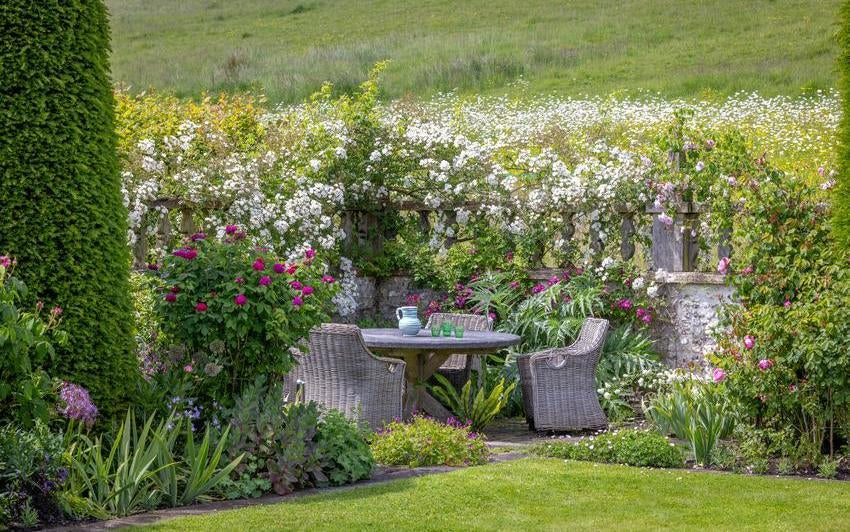
Climbing Roses and Rambling Roses: Understanding the DifferenceClimbing roses and rambling roses each bring height, fragrance and beauty to the garden, but they do so in different ways. While both can transform walls, arches and pergolas, understanding their unique growing habits will help you choose the right rose for your space and enjoy its full potential for years to come.
-
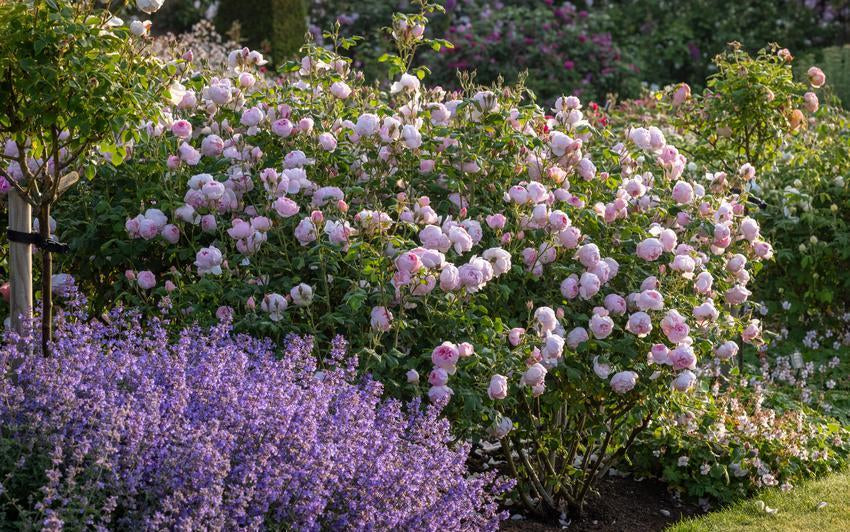
Our Longest Flowering Roses for Continuous Summer ColourThe best roses in any garden are the ones that demand a second look. They possess a magnetic charm that draws you back into the garden day after day, rewarding each visit with fresh petals, shifting hues, and the intoxicating fragrance of newly opened blooms.
-
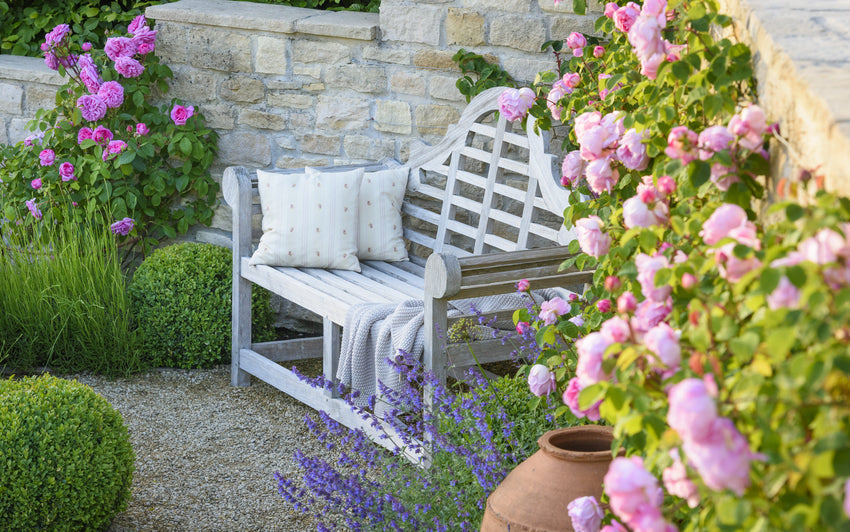
Garden Seating Ideas: How to Create a Beautiful Rose-Filled RetreatA well-placed seat can completely change the way you experience your garden. It creates a destination, encourages you to slow down and offers the opportunity to enjoy the beauty and fragrance of your roses from a different perspective.
-
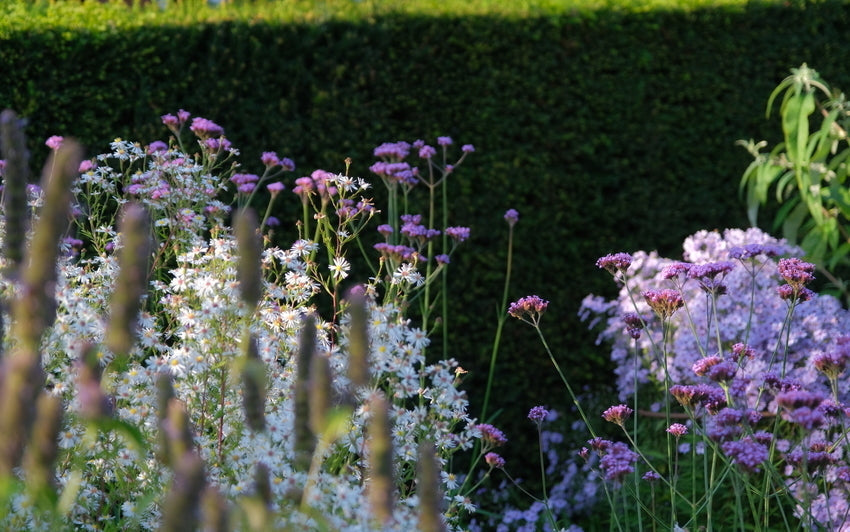
Planting Companions for Continuous Summer InterestEvery rose lover knows the feeling. Early summer arrives, and your garden transforms into a breathtaking explosion of colour and perfume. Branches heavy with blooms sway in the breeze, and for a few glorious weeks, the world feels entirely magical.
-
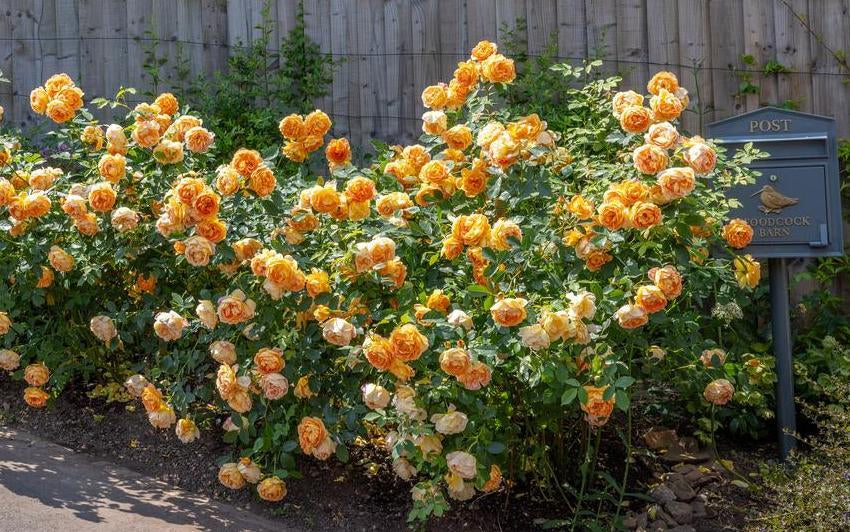
How to Design a Garden with Apricot and Orange RosesApricot and orange roses bring instant warmth to any garden design. These radiant shades bridge the gap between soft pastels and bold, dramatic colours. They capture the glowing light of late afternoon, making your outdoor space feel welcoming and alive. Whether you want a high-energy contrast or a soothing, monochromatic sanctuary, these sunset-toned blooms offer incredible versatility. They work brilliantly in traditional cottage borders, modern urban spaces, and formal courtyard displays alike.
-
Highlights from RHS Badminton Flower Show 2026We were thrilled to make our debut at the inaugural RHS Badminton Flower Show, where our Floral Marquee display was awarded a Gold Medal. Beyond our own exhibit, English Roses stole the spotlight in two of the event's most talked-about feature gardens. It was the perfect stage to show how these spectacular blooms can completely transform vastly different landscapes.