

How to Prune English Roses in Pots and Containers
An English Rose in a container is one of the garden’s greatest luxuries. Whether placed beside a front door, on a terrace, or nestled into a paved courtyard, a potted rose brings perfume and flower close at hand, not at a distance, but right where it can be enjoyed daily.
Yet roses grown in pots do have different needs from those planted in open ground. Their roots live within clear boundaries, moisture levels fluctuate more quickly, and growth can become crowded sooner. This is why pruning is especially important for container roses.
Done well, pruning does not simply keep a rose tidy. It renews the plant, encourages strong flowering stems, improves airflow, and shapes the rose into a form that looks composed and beautiful from every angle.
Pruning helps you guide the rose's growth, keeping it shapely, manageable, and full of flowers.
Done thoughtfully, pruning will:
- Help you control the overall size and shape
- Maximise flowering across the plant
- Stimulate healthy new growth
- Improve airflow, helping to reduce disease
- Prevent congestion, keeping the rose open and balanced
In many ways, pruning is about structure. It is the creation of a framework that can support the season’s flowers, without becoming crowded or unmanageable.
Essentials
It is worth sterilising secateurs from time to time, particularly if you are removing diseased growth, as this helps prevent
spreading infection from one plant to another.g infection from one plant to another.
Optional
- Kneeling pad or Knee Pads
- Pruning saw (for old, thick stems)
- A wheelbarrow or bucket (to gather old leaves and pruned stems)
- Steriliser for secateurs
English Roses are best pruned when they are dormant, before strong new growth begins.
English Shrub Roses should be pruned in late winter, typically February.
English Climbing Roses, including short climbers, should be pruned between January and February.
If your containers sit in an especially exposed position, you may prefer to prune slightly later within that window, so fresh shoots are less likely to be caught by late frosts.
Pruning English Shrub Roses in Containers
Pruning an English Shrub Rose is far more straightforward than many gardeners expect. The aim is to create a balanced plant that produces plenty of healthy new growth, and therefore plenty of flowers.
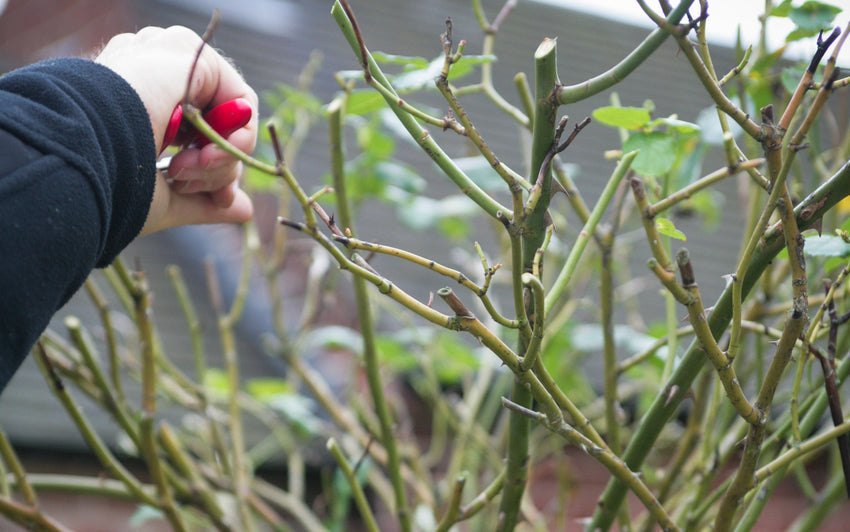
Step 1: Cut back the rose to shape
A reliable starting point is to cut back the plant by about one third.
This reduction encourages fresh flowering growth while keeping the rose in proportion to its pot. For vigorous roses, a slightly firmer prune can be helpful. For weaker plants, prune more gently.
You do not need to be overly concerned about cutting precisely above a bud. If you cut a little higher than intended, any small amount of dieback can easily be removed the following year.
Step 2: Remove the “Four Ds”
Once the overall shape is reduced, refine the rose by removing what it no longer needs. This is where you improve both health and appearance.
Remove any stems that are dead, dying, damaged, or diseased.
These stems contribute nothing to the plant and can restrict airflow, especially in containers where growth can quickly become congested.
Step 3: Remove remaining leaves
If there are still leaves on the plant at pruning time, remove them. This simple step helps reduce overwintering disease spores and leaves the structure of the rose clear and easy to assess.
Shape your rose plants based on their location to maximise flowering
Container roses are often viewed from all sides. This means shape matters more than it does in a mixed border where surrounding plants can soften outlines.
For containers or central beds, prune for a rounded dome.
Roses in containers or in a central bed will look better with low stems around the edges and taller stems in the centre. This creates a rounded dome shape that is full, balanced, and naturally elegant.
A rose pruned in this way looks natural rather than clipped, and as the season progresses it produces a beautiful mound of bloom.
Pruning Short Climbers in Pots
Some English Climbing Roses are perfectly suited to container growing, especially when trained onto an obelisk, pillar, or wall-mounted wires. A short climber in a pot can be remarkably effective. It lifts flowers into the air, softens structure, and creates height without taking up much ground space.
Climbing roses are pruned differently from shrub roses because their flowering depends on maintaining a framework of main stems.
Step 1: Remove remaining leaves
Begin by removing any leaves still on the climber. It’s a clean start for the season ahead, and it reduces the risk of disease lingering on the plant.
Step 2: Build and keep the main framework
The main stems form the permanent shape of the climber. In the early years, your aim is to encourage and build this framework rather than cut it away.
Identify the strongest long stems and keep them. Tie them in neatly to your support. Where possible, fan them out or train them more horizontally.
This training is one of the simplest ways to increase flowering because it encourages more blooms along the length of the stems rather than only at the tips.
Step 3: Remove the “Four Ds”
Remove any growth that is dead, dying, damaged, or diseased. This keeps the plant healthy and prevents problems building up in a restricted container environment.
Step 4: Prune the flowering side shoots
Once you have a framework of main stems, your annual pruning focuses on the side shoots that flowered in the previous season.
Shorten these flowering laterals back to a few buds to encourage strong new flowering growth close to the main structure. This keeps the climber tidy, well-shaped, and generous with bloom.
What size pots do English Roses need?
Container size is one of the most important decisions you’ll make. A rose grown in a pot that is too small will never perform as well as it should. It dries quickly, becomes stressed, and flowers less freely.
If there is one principle worth following, it is simply this. Choose the largest container you can comfortably accommodate.
-
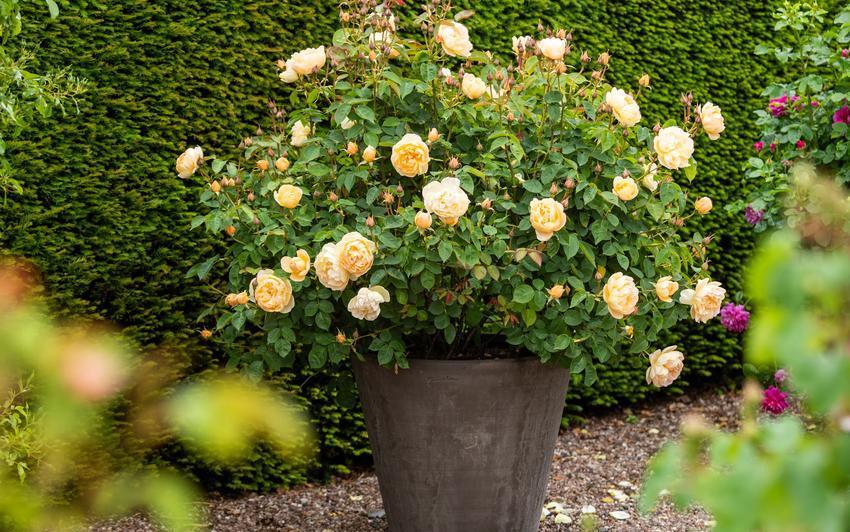 Pot size for English Shrub RosesFor an English Shrub Rose, choose a pot at least 45cm wide and 45cm deep. This is approximately 40 to 60 litres.Learn more
 -
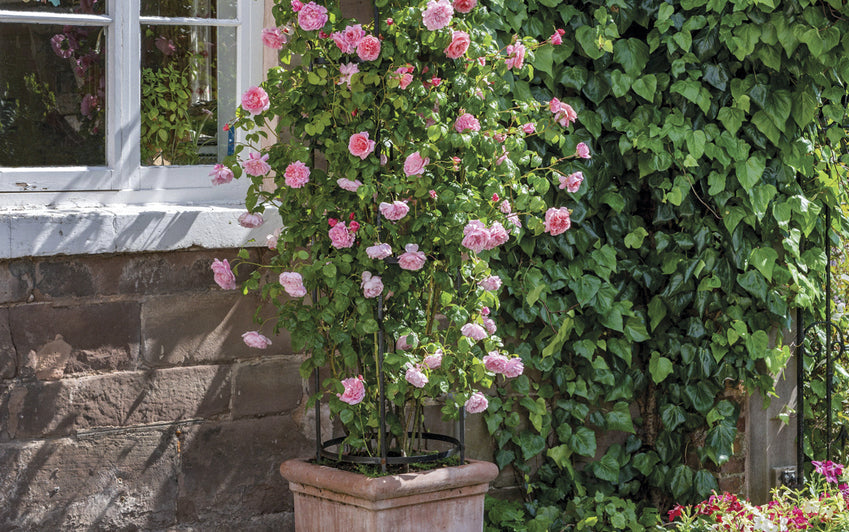 Pot size for English Climbing RosesClimbers need more compost volume to support their larger top growth and the extra demands of flowering. Choose a pot at least 60cm wide and 60cm deep.Learn more
-
Liquid error (snippets/image line 25): invalid url input
-
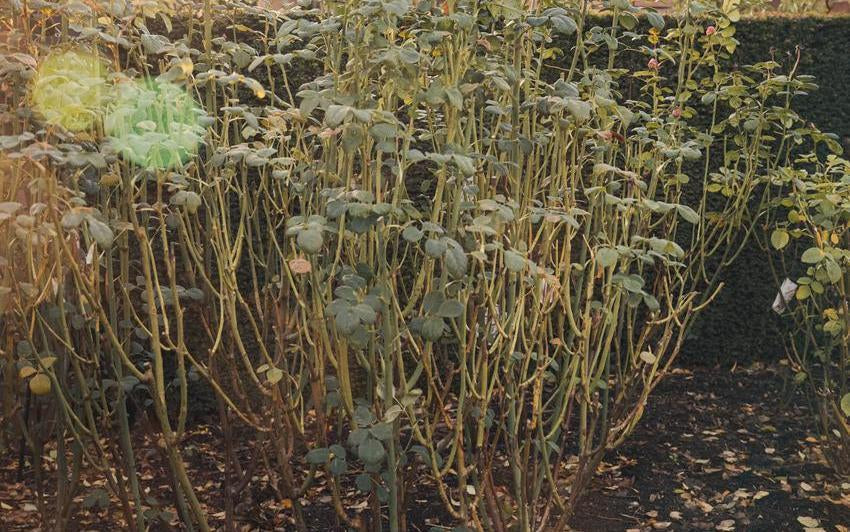
How to Prune Repeat Flowering Shrub RosesIn winter, the garden shows its bones. Beds are quieter, borders are pared back, and shrubs stand in their true shape. Roses too reveal themselves at this time of year, and although it may seem as though little is happening, the plant is already preparing for the season to come.
-
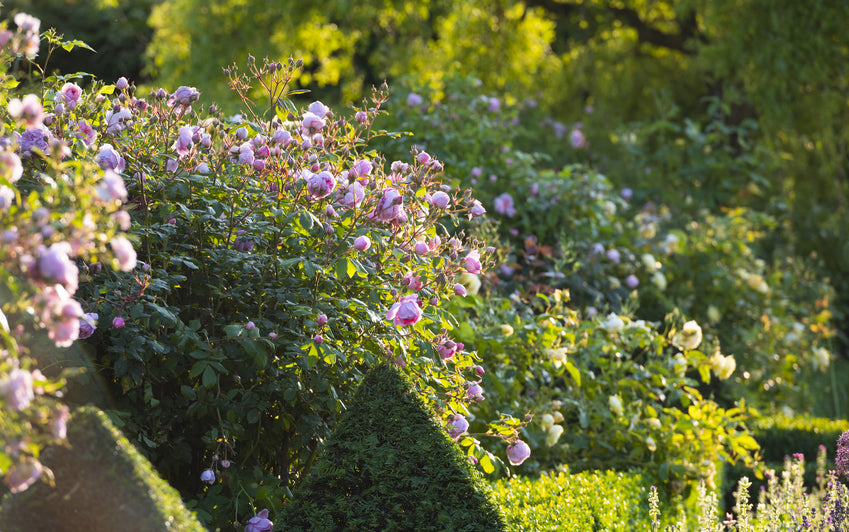
Once-Flowering Roses: A Guide to PruningOnce-flowering roses carry an air of tradition, a reminder of old gardens where their brief but magnificent display was the highlight of summer. They bloom on wood made the year before, so pruning them is a matter of patience and respect for their natural rhythm.
-
Shaping and Pruning Roses to Flower from Base to TipRoses naturally put most of their energy into the tips of their stems, which can lead to flowers mainly at the top of the plant. With the right pruning and shaping, you can encourage fresh growth and blooms all the way from the base up.

-
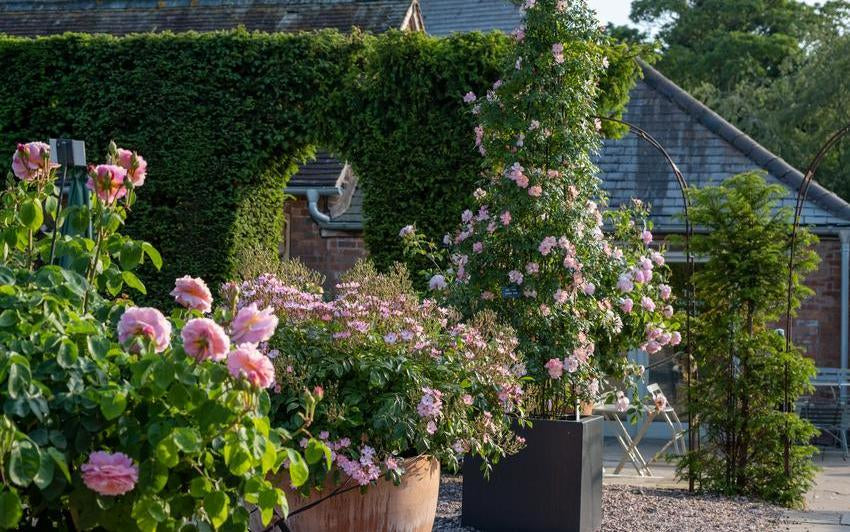
The Basics of Growing RosesRoses bring a quiet happiness to a garden. Their beauty feels effortless once they are settled, and even a new gardener can grow them with success. With sunlight, sound soil, and a little seasonal care, roses will flower generously and become dependable companions through the year.
-
How to Prune a Standard Tree RoseStandard Tree Roses bring a particular elegance to the garden. Their blooms are held aloft, turning borders and containers into something more structured and refined. Because the flowering head sits high above the ground, its outline becomes part of the garden’s architecture, which makes pruning especially important.