

Companion Planting with Shrub Roses By Liam Beddall, Head Rosarian at David Austin®
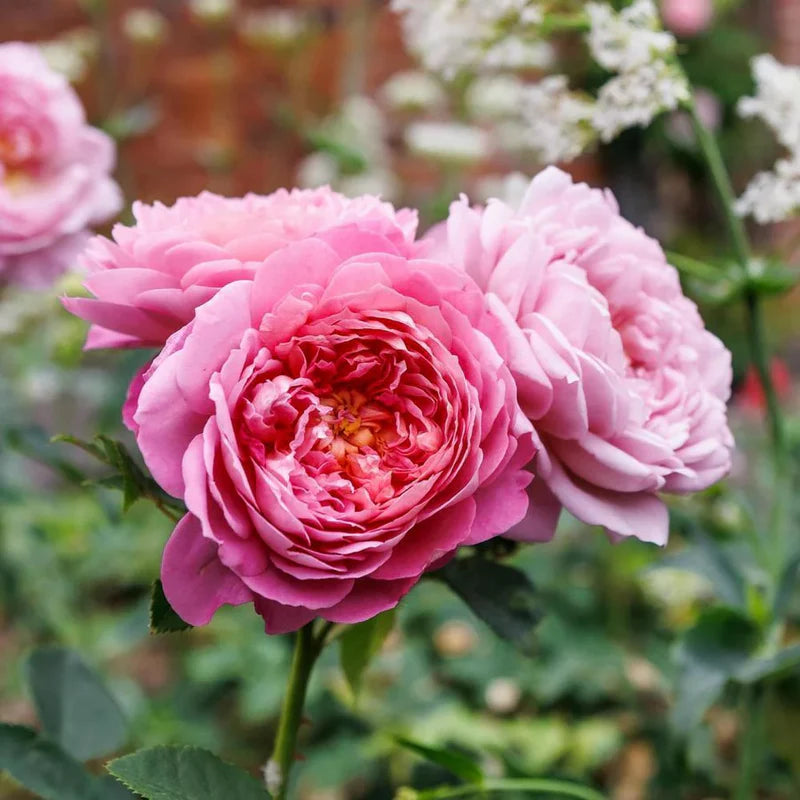
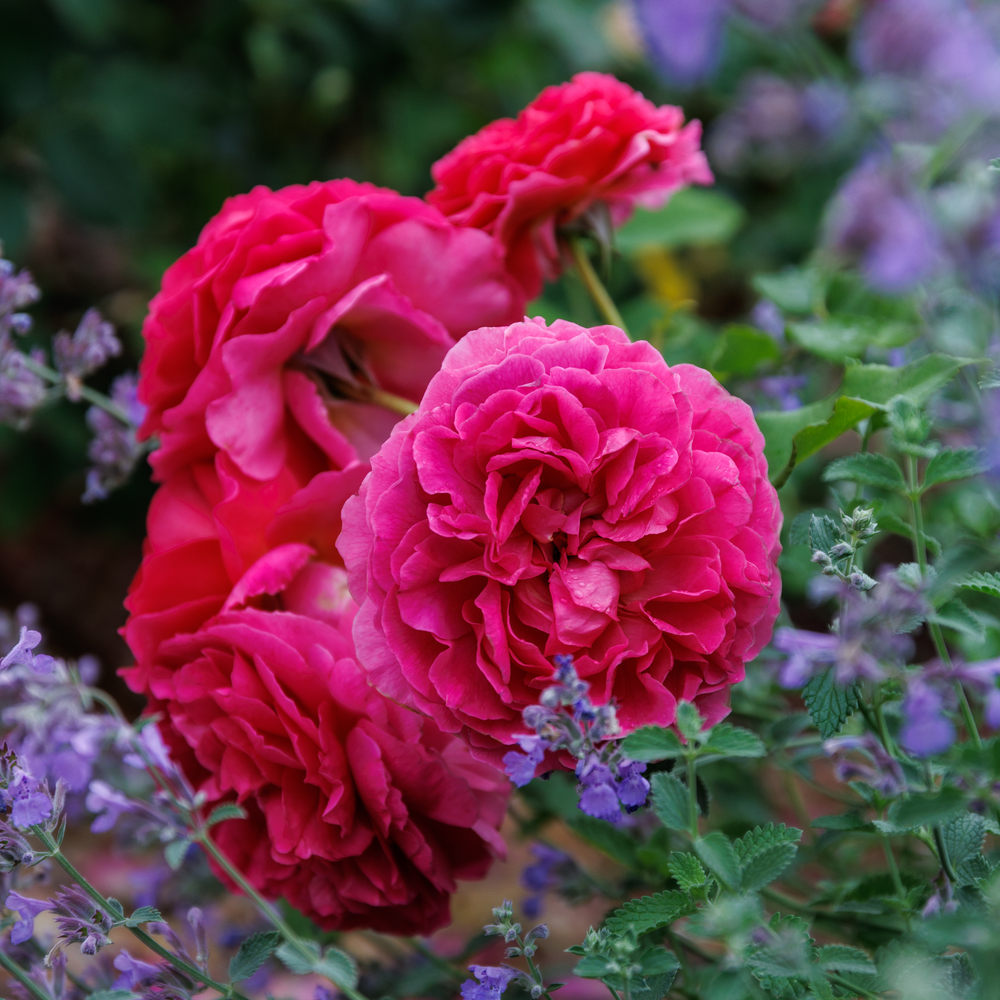
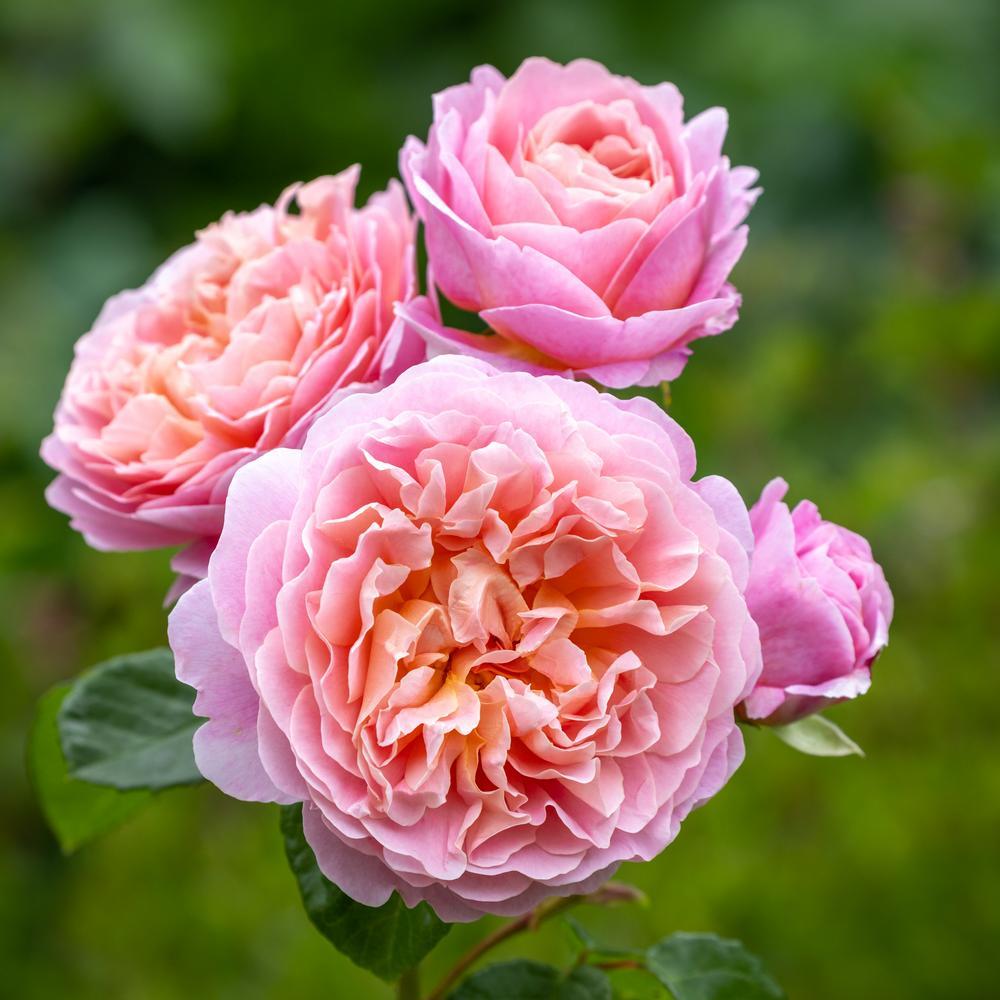
Shrub roses bring generosity to the garden. Their softly cupped blooms, graceful habit and long flowering season make them natural focal points within a border. Yet, when thoughtfully paired with companion plants, they become part of something even richer: a tapestry of colour, texture and life that unfolds through the seasons.
Companion planting is not simply about filling the spaces around a rose. The right partners can extend seasonal interest, encourage beneficial insects and create a garden that feels harmonious and full of movement.

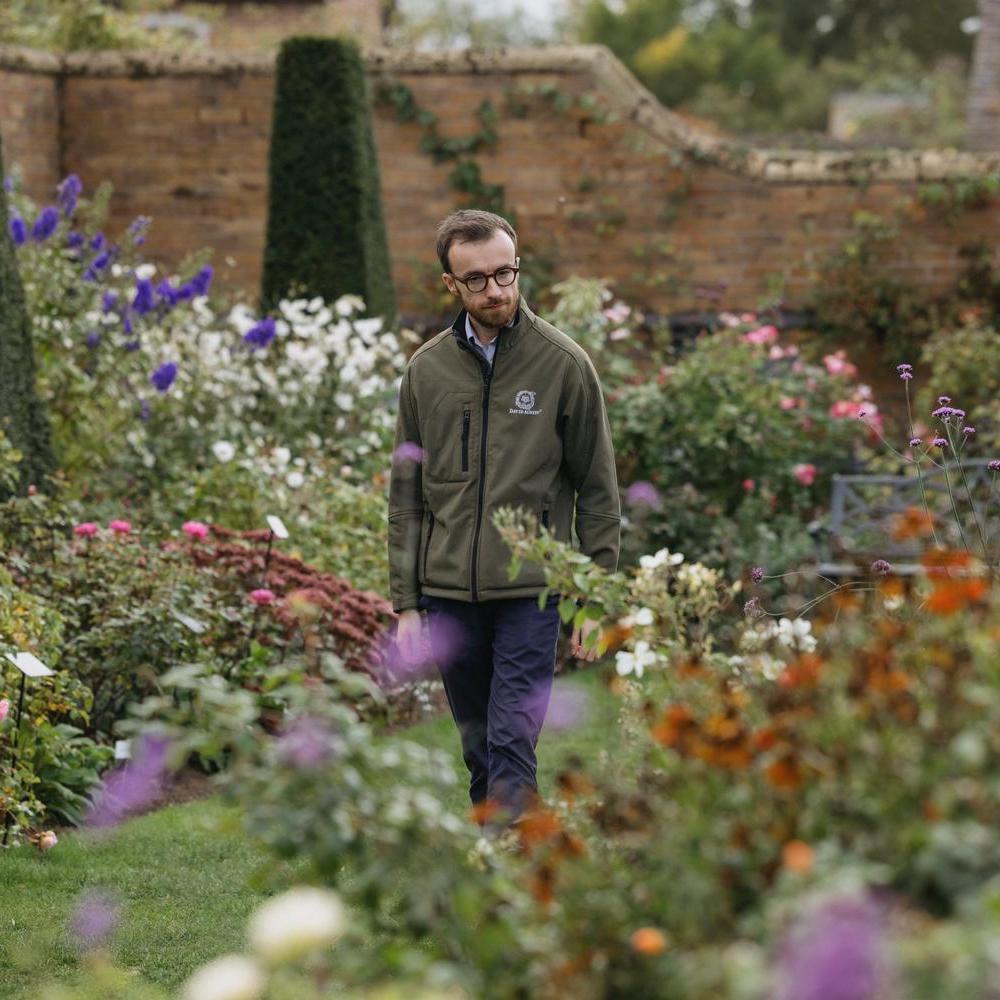
Why plant companions with shrub roses?
Roses are wonderfully versatile plants, and they sit comfortably among a wide range of companions. The most successful combinations often bring three gentle benefits.
Firstly, companion plants help extend the season of interest. Roses may carry the main performance in summer, but carefully chosen partners can provide early spring foliage, midsummer colour and late-season structure. When plants bloom alongside roses, the interplay of shapes, textures and tones can be particularly charming.
Secondly, companion planting welcomes pollinators and beneficial insects. Flowers such as cosmos, echinacea and rudbeckia attract hoverflies and ladybirds, whose larvae help keep common rose pests, such as aphids, in check.
Finally, mixed planting helps break up monoculture. Introducing plants beyond the rose family creates a more diverse planting scheme, which can help reduce the spread of pests and diseases by limiting the concentration of host plants.
Perennials: natural companions
While roses combine beautifully with many types of plants, perennials are perhaps their most natural partners. They allow the rose to remain the star of the show while adding softness, movement and seasonal rhythm to the border.
Low-growing perennials such as Geranium and Nepeta spill gracefully around the base of shrub roses, softening the edges of paths and borders. Taller companions like Salvia, Phlox and Aster provide height and colour behind or among the roses, creating depth while attracting pollinators.
For structure, small evergreen shrubs can also be effective. Rounded forms of Taxus (yew), for example, provide a dark, textural backdrop against which the lighter tones of rose blooms can truly shine.
Companions that support rose health
Some companion plants offer more than beauty. They can also help support the health of the garden ecosystem.
Flowers such as Cosmos and Tagetes attract ladybirds and other beneficial insects, while Alliums, Rudbeckia and Echinacea draw hoverflies, whose larvae are particularly fond of aphids.
Planting these species among roses creates a lively and balanced planting scheme. Helpful insects play a quiet role in maintaining the health of the border.


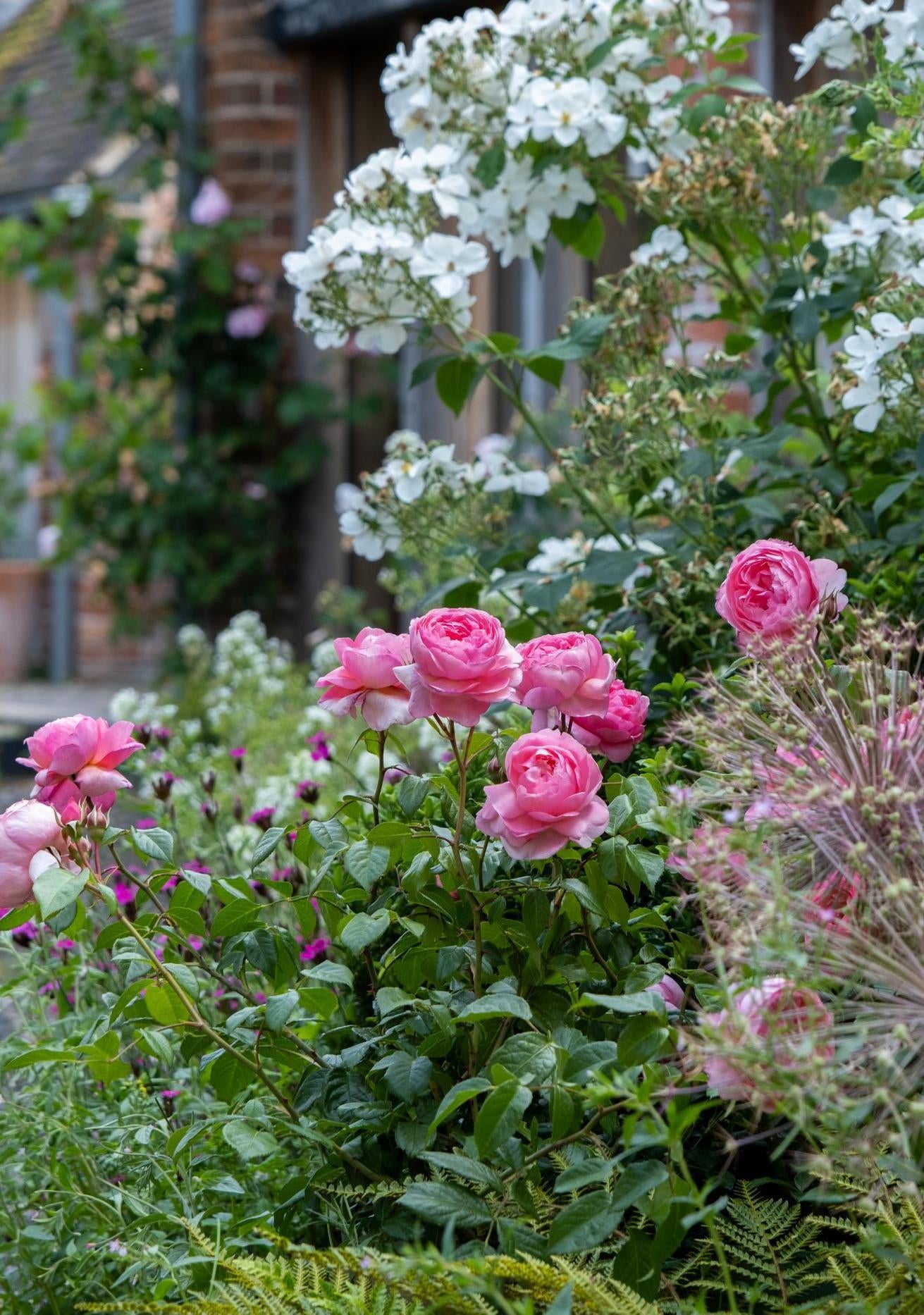
Beautiful planting combinations
One of the pleasures of companion planting is discovering combinations that bring together colour, structure and seasonal interest.
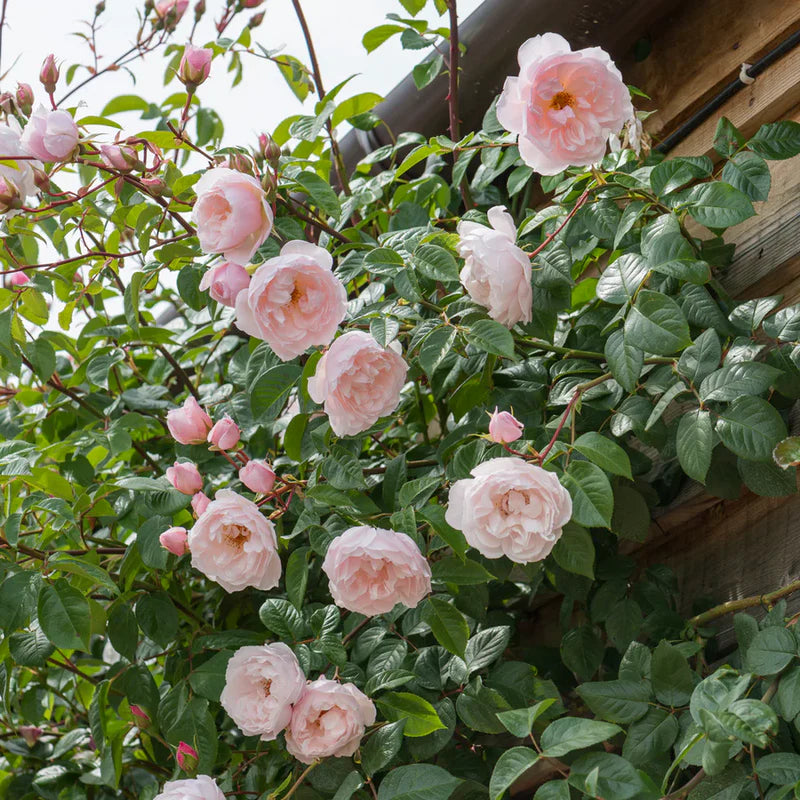
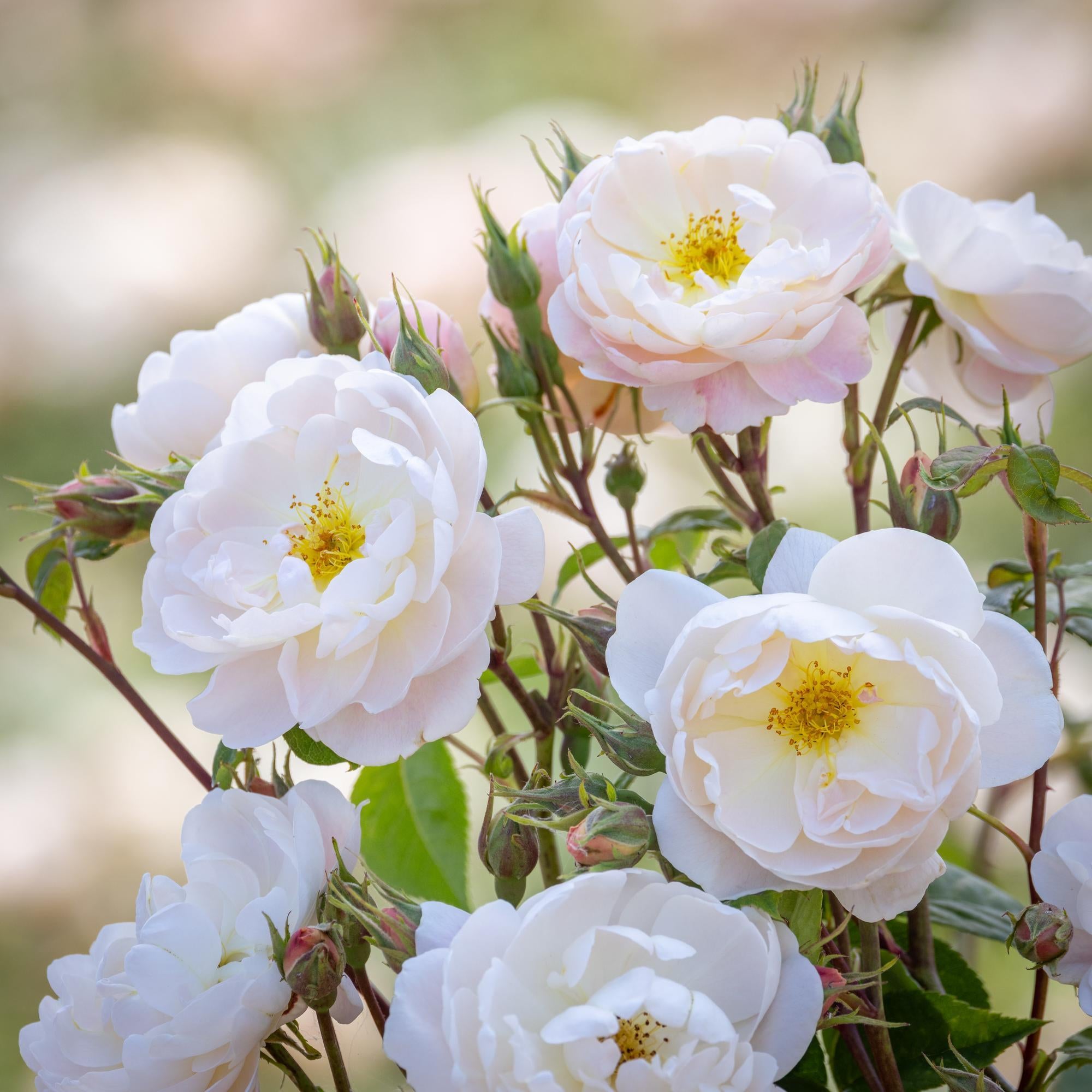
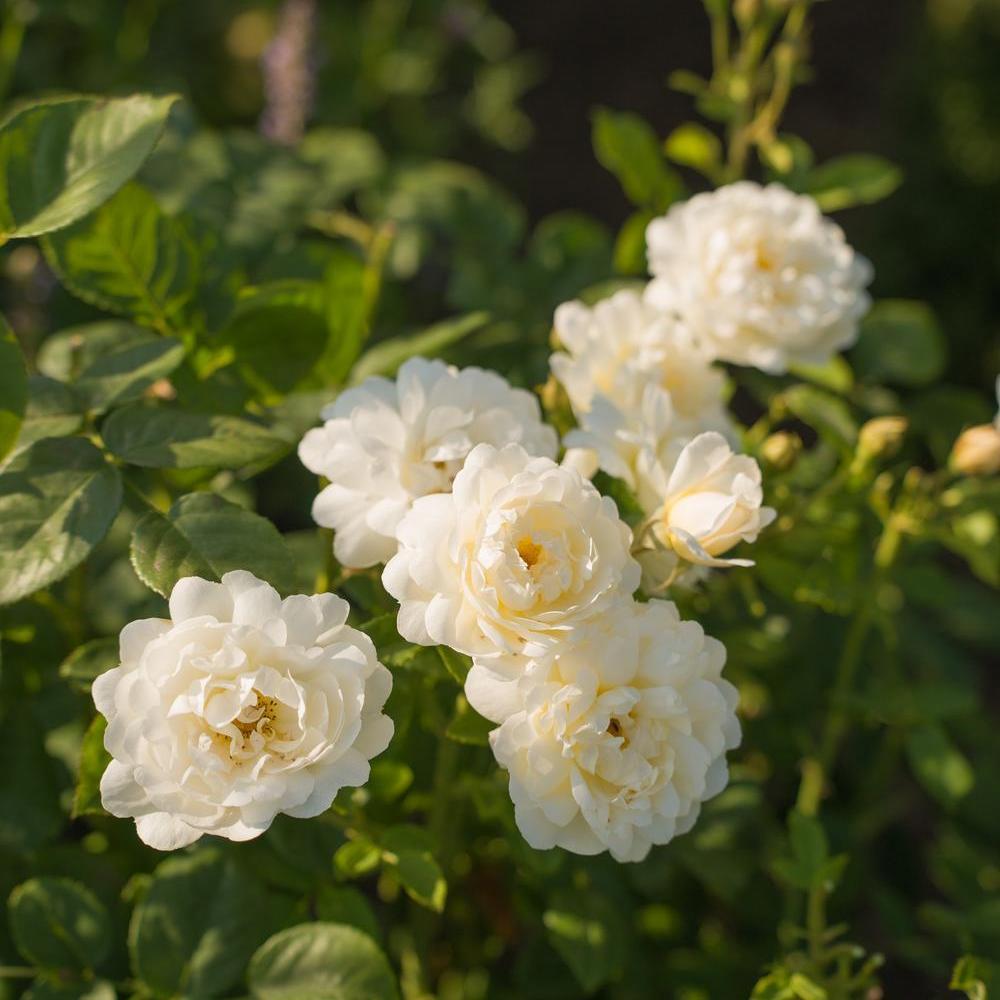
For a generous border, consider planting a single rose variety in groups. Desdemona®, with its softly cupped blush-white blooms, looks especially elegant set against the rich green structure of a yew backdrop. The rounded form of the rose pairs beautifully with the tall spires of foxgloves, while ground-level interest can be added with Geranium or Sedum. The deep magenta flowers of Cirsium rivulare ‘Atropurpureum’ introduce a relaxed, meadow-like note while welcoming pollinators.
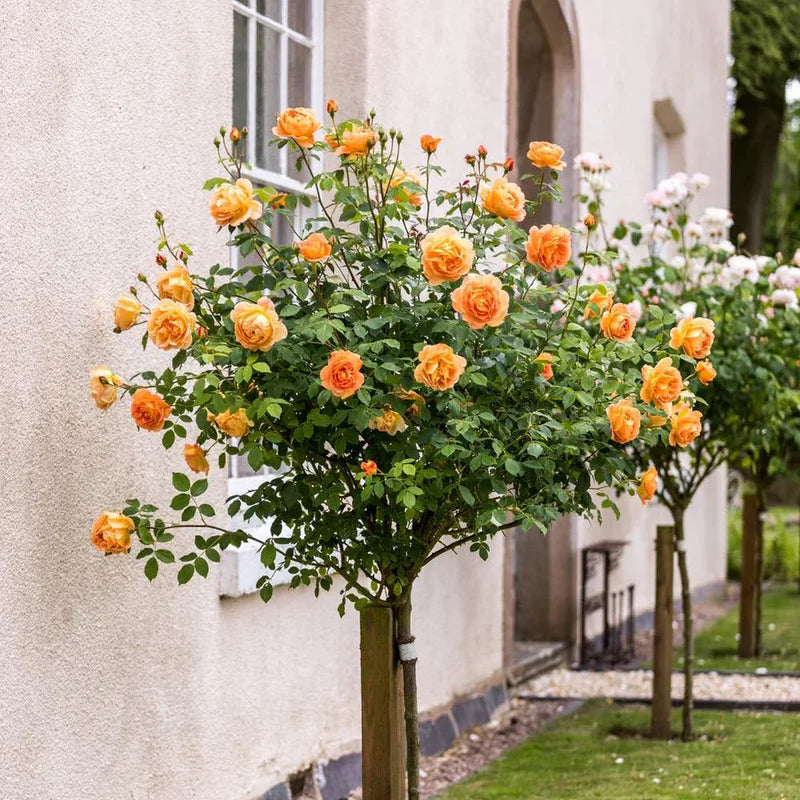
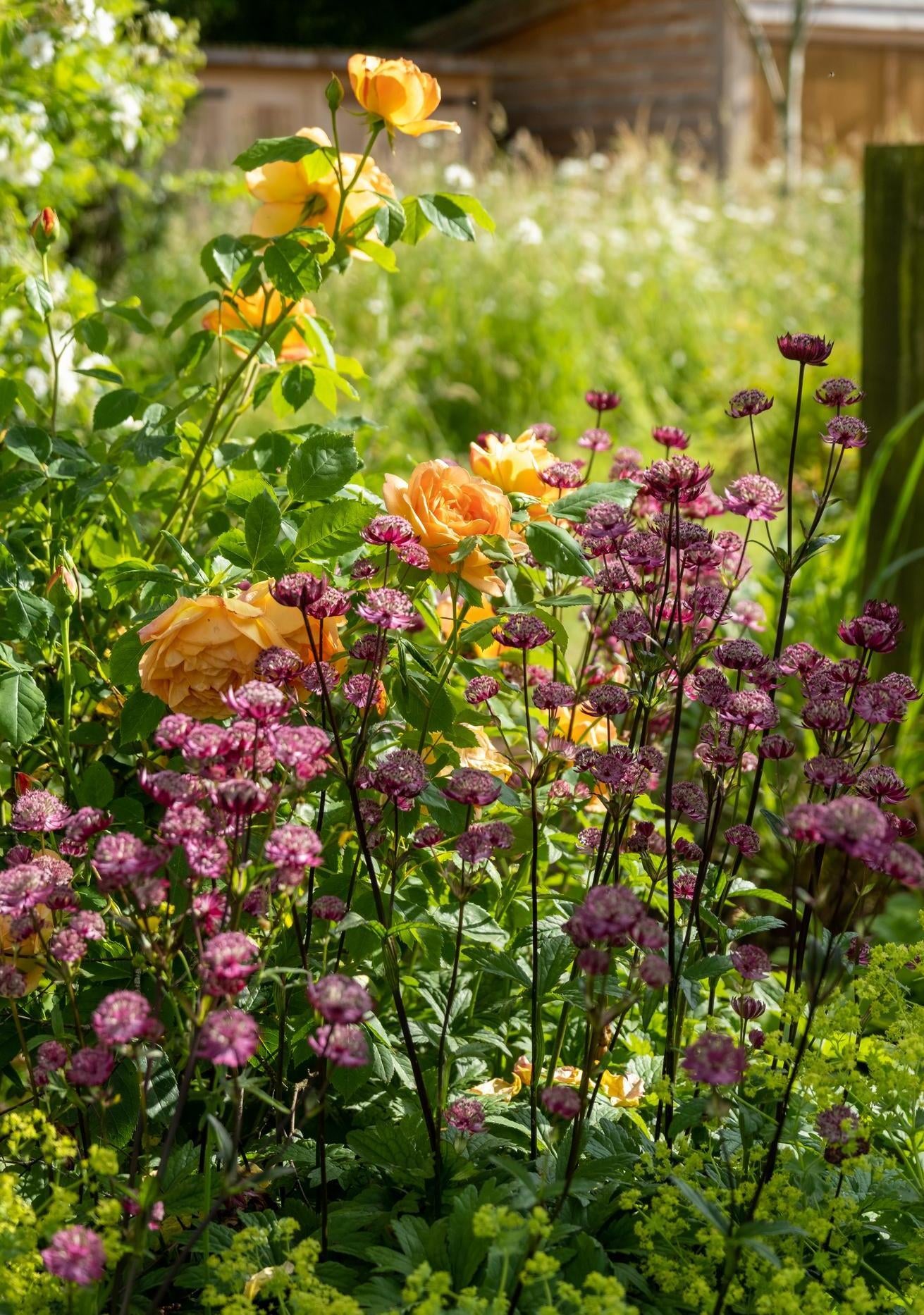
In longer borders, repeating smaller planting vignettes can create rhythm. The warm, burnt-orange tones of Lady of Shalott® combine beautifully with Astrantia major ‘Claret’, whose delicate flowers float lightly among the rose stems. Along the front of the border, Alchemilla mollis forms a soft, chartreuse edging that lends a romantic finish.
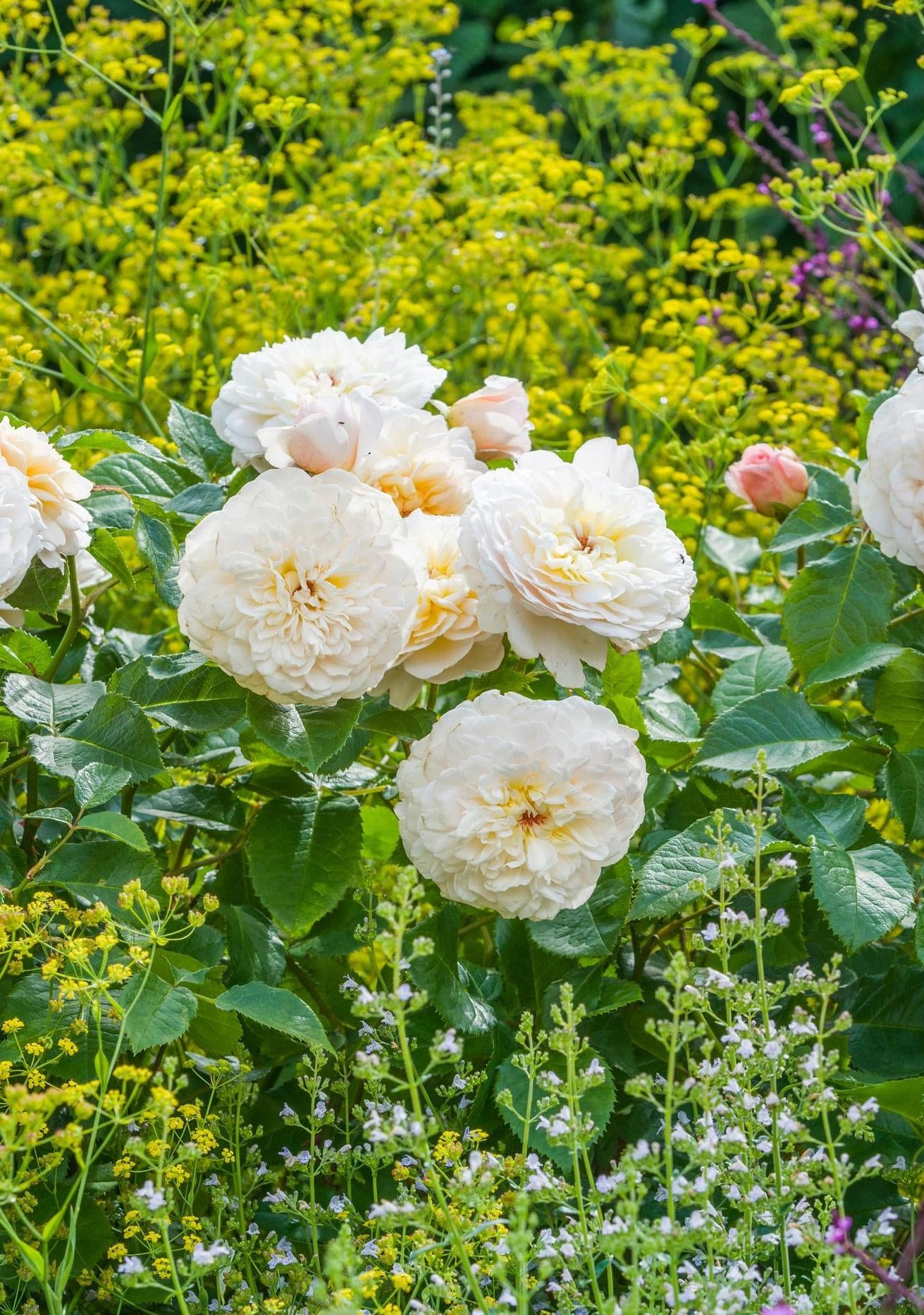
For a lighter, more naturalistic scheme, try planting Emily Brontë® among the airy haze of Bupleurum falcatum, with Calamintha nepeta at its feet. The gentle blush tones of the rose echo the soft yellow of the bupleurum, while Verbena officinalis var. grandiflora ‘Bampton’ introduces darker colour and a graceful, meadow-like movement.
Plants to approach with care
Most plants will happily grow alongside shrub roses, but it is wise to avoid companions that are overly vigorous. Strong growers can compete with roses for water and nutrients if planted too closely.
Perennials such as Geranium ‘Rozanne’, for instance, make beautiful companions but can spread enthusiastically. It is therefore important to leave adequate space for both plants to thrive.
Likewise, tall trees or dense shrubs that cast heavy shade are best avoided. Roses flourish in sunshine and will flower most generously when grown in a bright, open position.
When planning a planting scheme, it is important to remember that roses prefer sunlight, space and good soil.
Allow each shrub rose enough room to reach its mature height and spread without crowding. Roses thrive in moisture-retentive, nutrient-rich soil, though most soil types can be improved with organic matter such as well-rotted manure or soil improver.
A sunny, airy position is ideal. While some varieties tolerate partial shade, most roses perform best with at least six hours of sunlight each day. Shade-tolerant varieties will still grow well with around four hours.

Creating harmony in the border
The most natural-looking planting schemes often rely on restraint. Choose companions that complement the rose rather than compete with it.
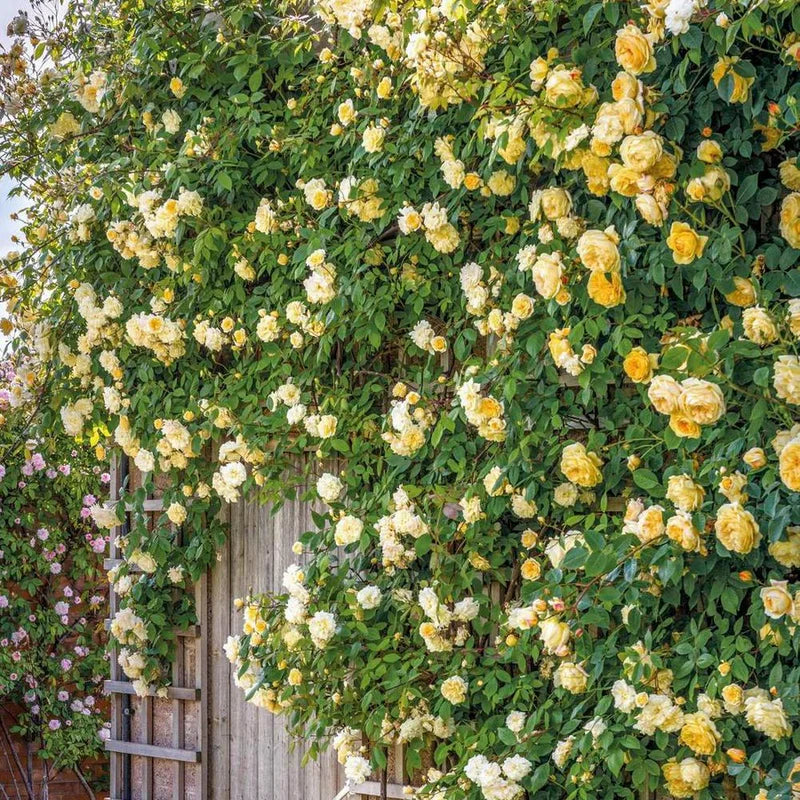
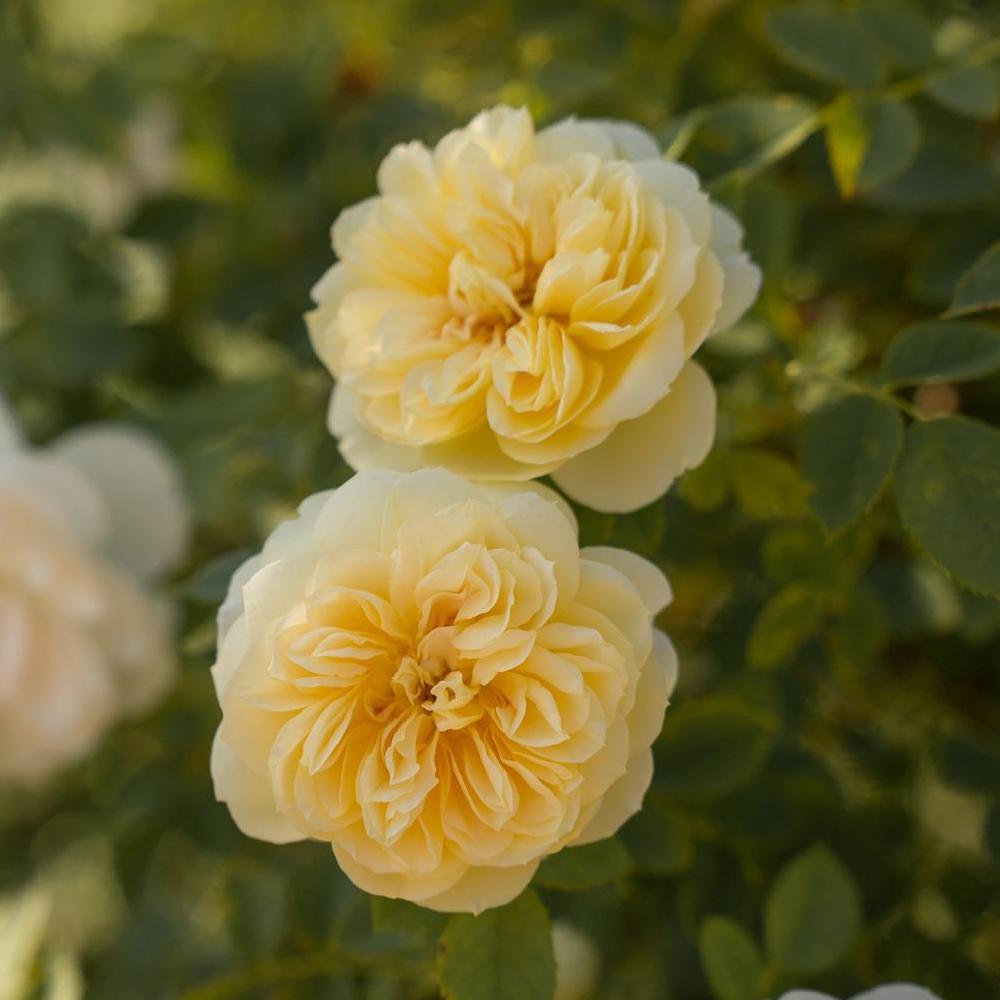
Many rose varieties have richly layered blooms, so pairing them with simpler flower forms creates a pleasing contrast. The delicate, daisy-like flowers of Erigeron karvinskianus, for example, make a charming skirt around the soft yellow blooms of Vanessa Bell®.
A gentle, cohesive colour palette can also bring calm to a planting scheme. The airy white flowers of Gaura lindheimeri ‘Whirling Butterflies’ pair beautifully with the elegant blooms of Desdemona®. Each plant enhances the other without overpowering it.
In the end, companion planting is about balance. When roses are surrounded by plants that echo their colours, soften their forms and welcome wildlife, the whole garden begins to feel more alive. It becomes a place where roses truly belong.
-
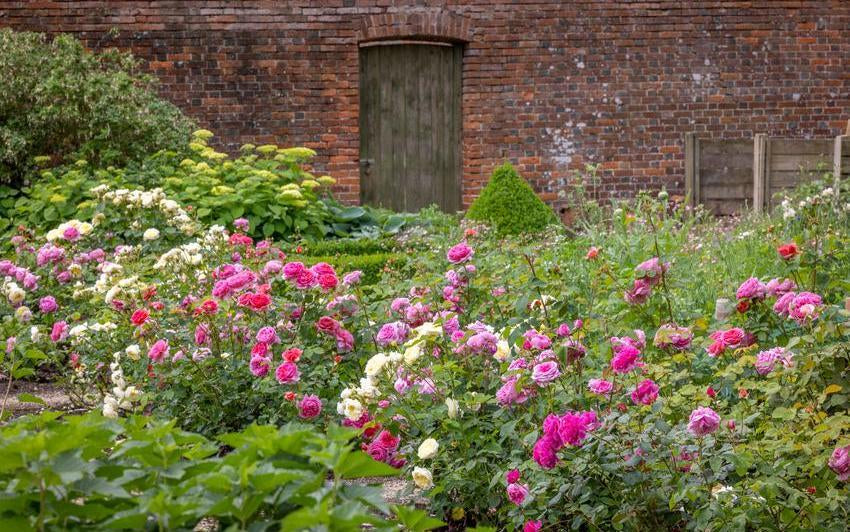
Giving Roses Room to Grow: A Guide to Planting DistancesAllowing the right amount of space between roses is one of the quiet secrets of a well-balanced garden. When shrub roses are planted too closely together, the border can quickly feel crowded as the plants mature. Planted too far apart, however, and the planting may appear sparse, with bare patches of soil between each rose.
-
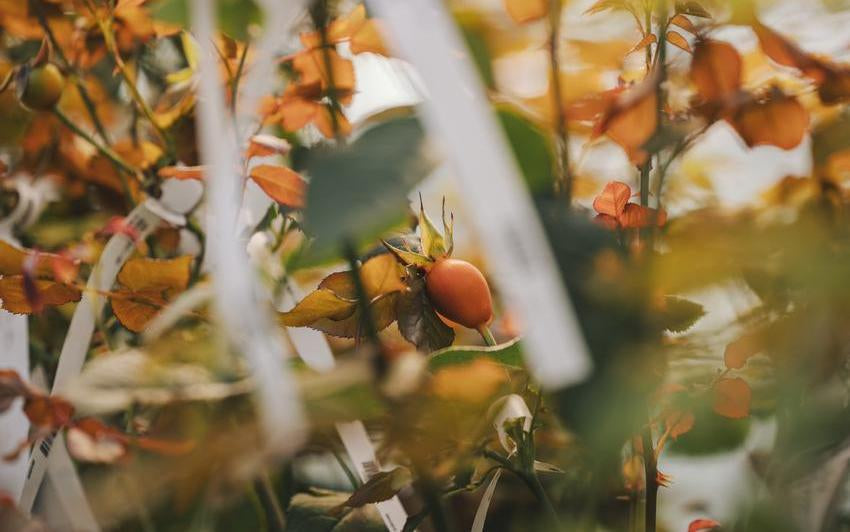
Every Rose Begins as a Hip: Inside Our Breeding Glasshouses This AutumnOur breeding team shares what this special season means to them, as the hips ripen in the glasshouses and the next generation of roses begins its journey.
-
The Untamed Beauty of Climbing and Rambling RosesPicture an old apple tree in early summer. High among its branches, far above where anyone thought to plant a thing, sprays of soft flowers tumble from the canopy and scent the air below. It looks as though it simply happened. In truth, it began with a single rambling rose planted at the foot of the tree a few winters before, given just enough guidance to find its way up.

-
What Is a Bare Root Rose? A Beginner's Guide to Every PartOpening the box on your first bare root rose is an exciting moment. Inside, you'll find a neat bundle of roots and sturdy stems, carefully packed and resting for winter. There are no leaves or flowers yet, and that is exactly as it should be. Everything your rose needs to grow, flourish and flower for years to come is already there, ready and waiting for spring. Getting to know each part of your rose, and what it does, makes planting simple and helps you give it the very best start.

-
Get Your Garden Ready for Bare Root Rose SeasonBare root rose season runs from November to April, making the cooler months a lovely time to introduce new roses to your garden. Whether you're planning a new border, adding to an existing collection or planting a climbing rose against a favourite wall, there is plenty to look forward to.

-
Bare Root or Potted? Why Our Roses Come Two WaysAcross the year, you'll find two different forms of David Austin® rose available. For much of the year, our potted roses are ready and waiting, cut back and dormant during the cooler months, in leaf and growth through the warmer ones. Then, once the growing season draws to a close, our bare root roses come into their own, dug fresh from the field and sent out while fully dormant, just as English roses have been grown and shared for generations.

-
The Comfort of Autumn in the Rose GardenAutumn brings a particular kind of morning. You pull on a favourite jumper, step outside and feel the cooler air on your face, and somehow the day feels a little clearer. Leaves gather beneath your feet, the soil smells rich and damp, and the low sun turns everything a soft shade of gold.


