
A Rose for Burns Night: Rosa spinosissima and the Soul of Scotland
Some roses feel made for sheltered borders and warm, soft summers. Rosa spinosissima feels different. It belongs to tougher places, where wind shapes the plants as much as the gardener ever could.
Rosa spinosissima, often known as the Scotch Rose or Burnet Rose, is one of these.
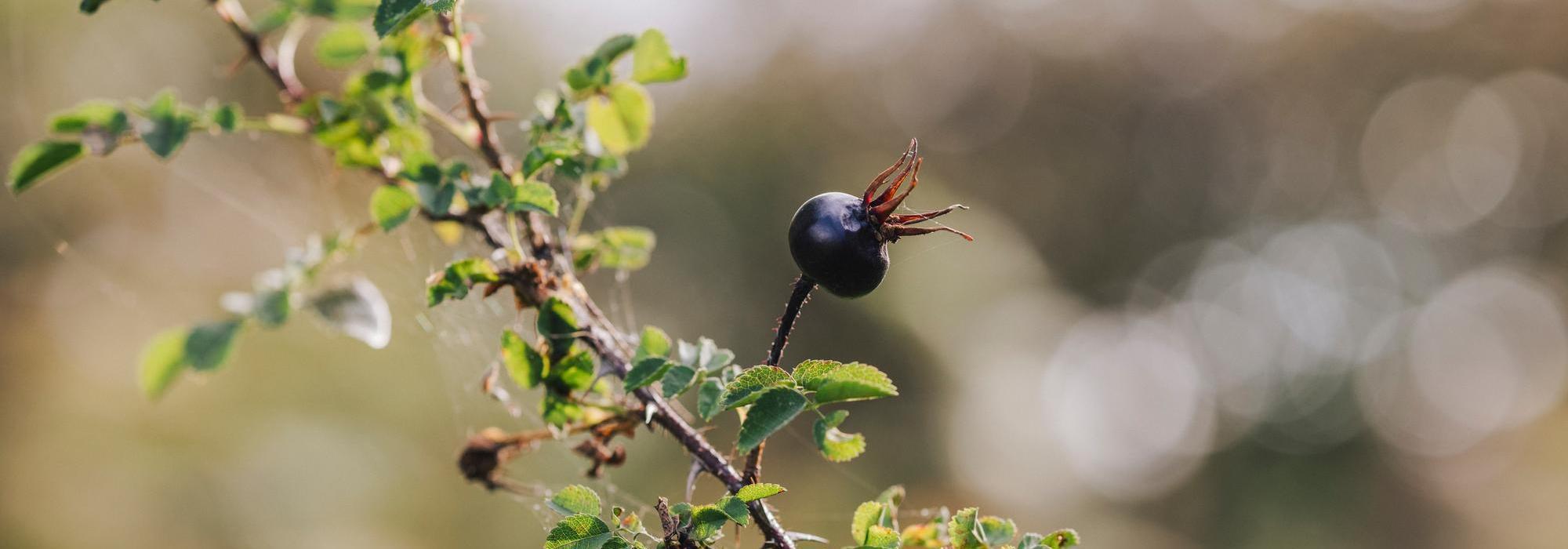
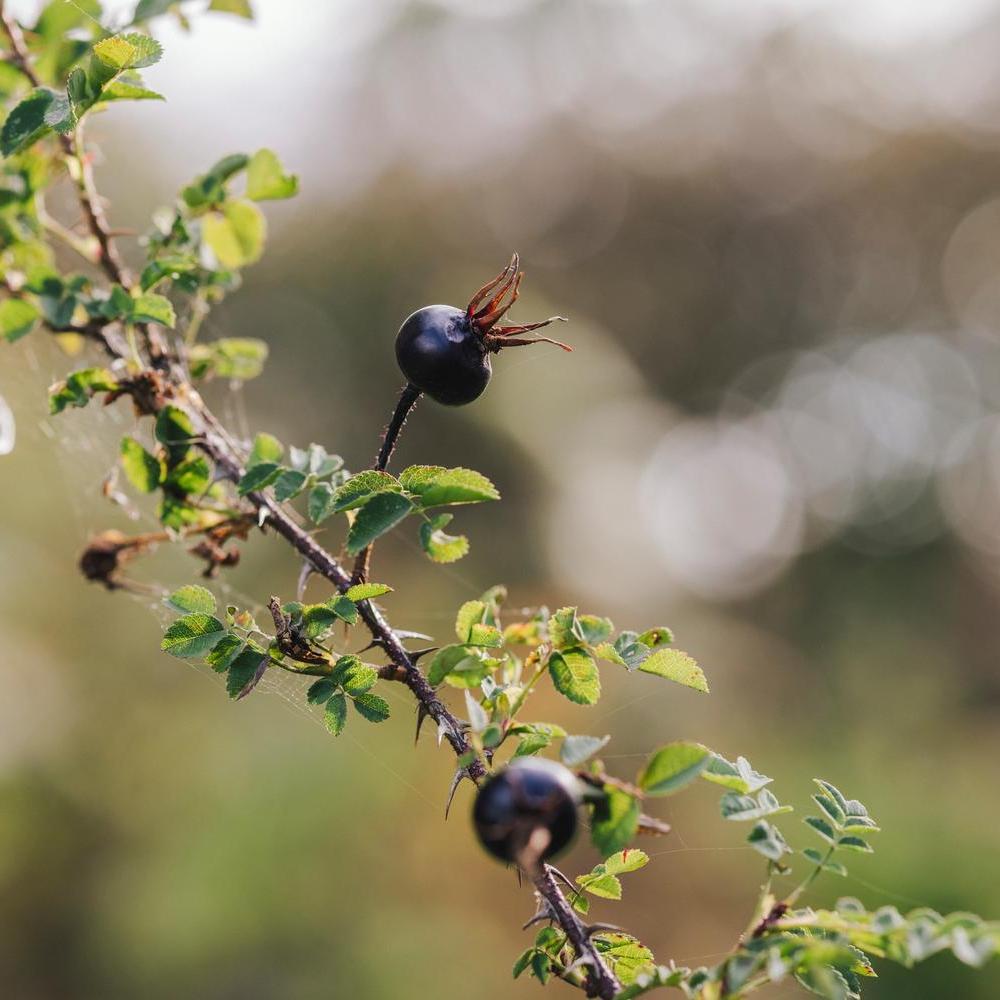
It grows low and strong, forming thickets of spiny stems and small, neat foliage. Nothing about it feels fussy. It is a rose with the character of Scotland in its bones. The sort of plant you might imagine holding fast on a coastal bank, or brightening a rough hillside where the soil is lean and the weather never quite settles. Even its habit has a kind of independence, suckering freely and making its own way, as if it were never fond of being told where to stop.
And then, in late spring and early summer, it flowers.
The blooms are simple and beautifully open: creamy white petals with a warm centre of golden stamens. They are not the extravagant rosettes we associate with English Roses, but something older, more elemental. There is an honesty to them, a plain-spoken charm.
Burns, romance, and the rose in Scottish imagination
Burns Night is, of course, a celebration of Robert Burns, and with him the heart of Scotland: song, story, humour, poetry, and love.
It is difficult to think of Burns without thinking of roses. He gave the rose to Scottish culture in one of its most enduring forms in A Red, Red Rose, where love is compared not to something decorative, but to something living, fresh, and full of promise.
That’s the heart of it. Roses do not merely symbolise love because they are pretty, but because they are faithful. They return. They endure.
In that sense, Rosa spinosissima feels like a particularly Burnsian rose. It is romantic without being showy, resilient without hardness, and full of quiet poetry.
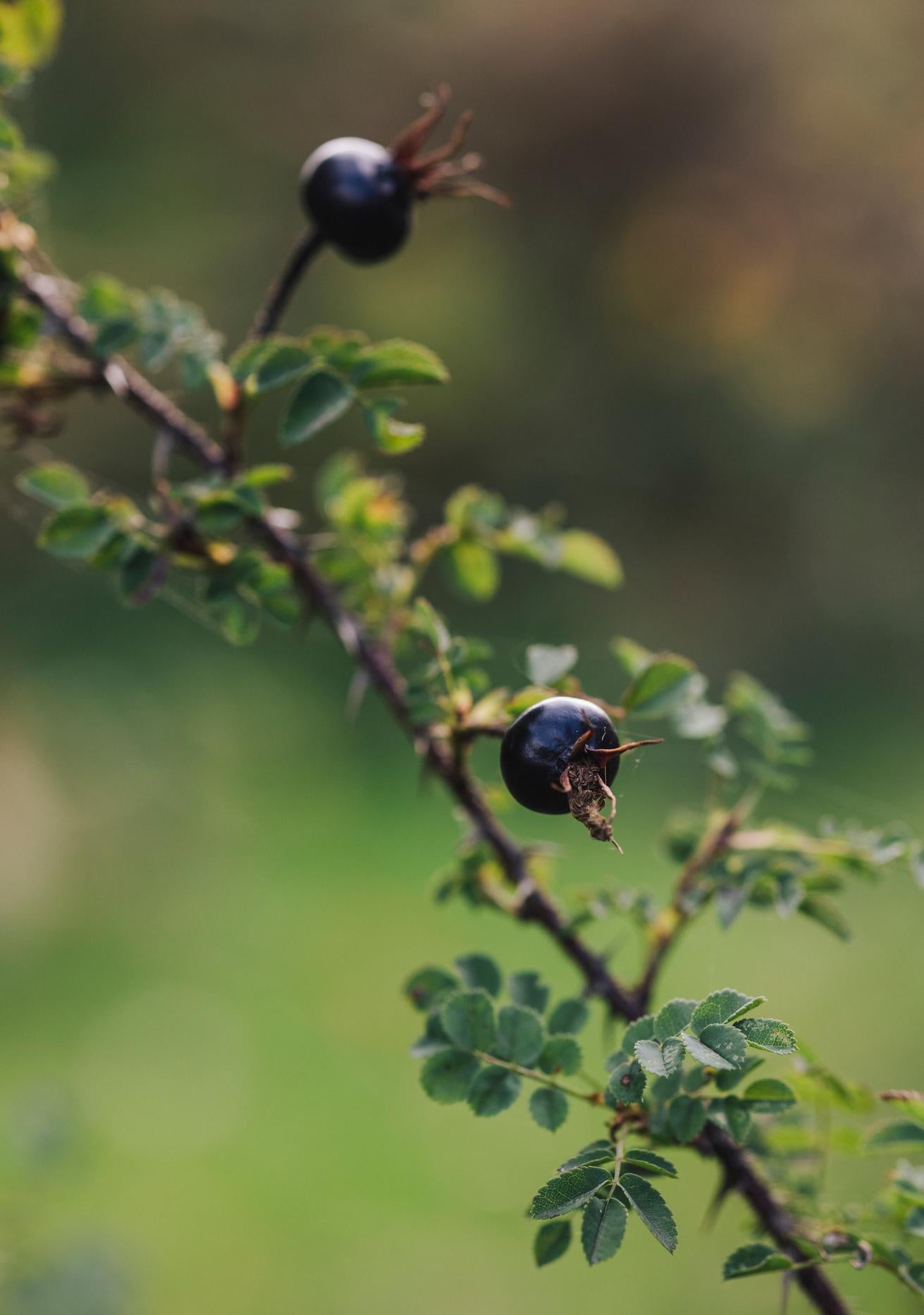
The hips, Scotland’s little miracle
If the flowers are a soft chapter, the hips are the unforgettable ending.
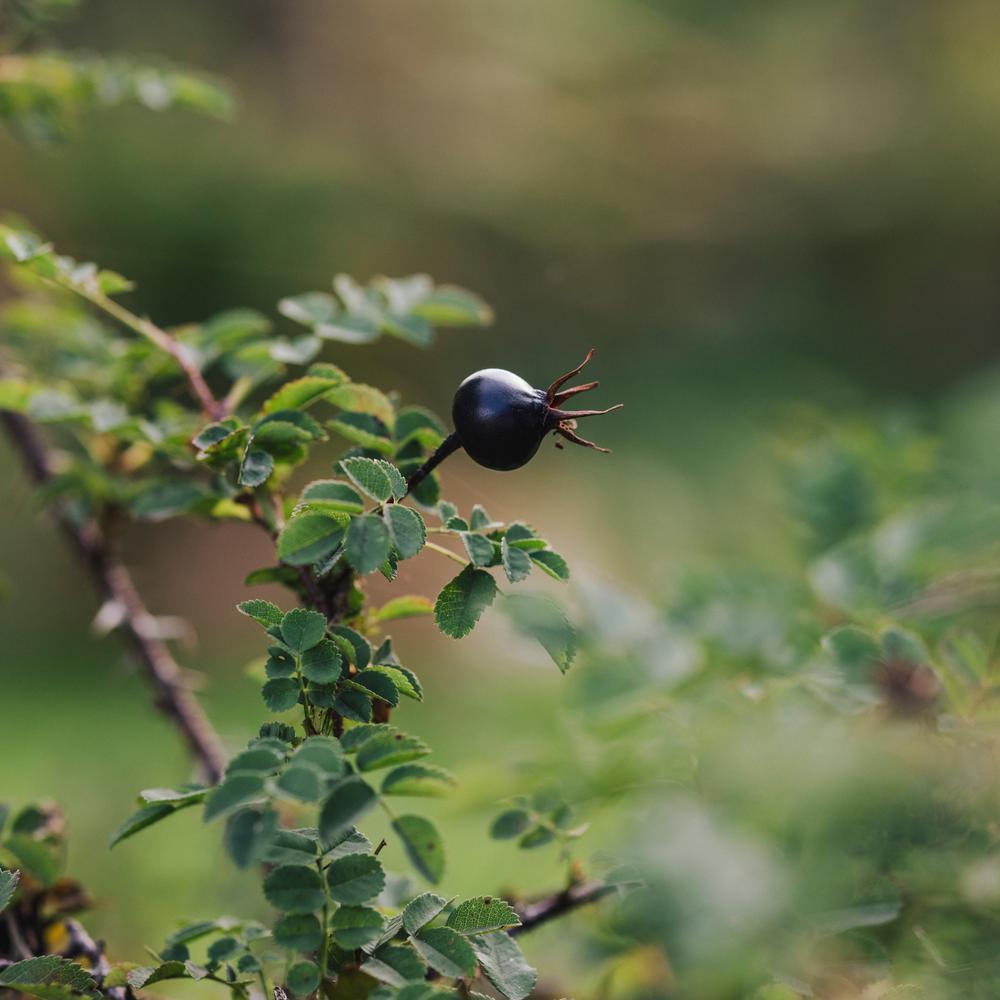
After flowering, Rosa spinosissima produces small, rounded hips that ripen not to the usual red or orange, but to a deep purple-black, like polished ink. They are among the most unusual hips in the rose world, and in winter light they look almost surreal, as though they belong in a still life painting.
In a season when so much is stripped back, these hips give the plant a second life. They offer structure, colour, and a sense of continuation. They also provide food for birds, adding another layer to the rose’s usefulness and generosity.
A rose that suits the Scottish garden
This is not a rose for perfectionists. It is a rose for gardeners who love nature as much as they love gardens.
Rosa spinosissima thrives even where other roses might falter, and is particularly suited to poorer soils, naturalistic planting, coastal conditions, and wildlife-friendly spaces. It is low-growing, tough, and surprisingly beautiful in a way that feels thoroughly true.
And perhaps that is why it feels so right for Burns Night.
Because Burns was never about perfection either. He was about spirit. About the real things. The lasting things. Love, laughter, loyalty, and land.
And Rosa spinosissima, in its thorn and flower and ink-dark hip, carries all of that in a single plant.
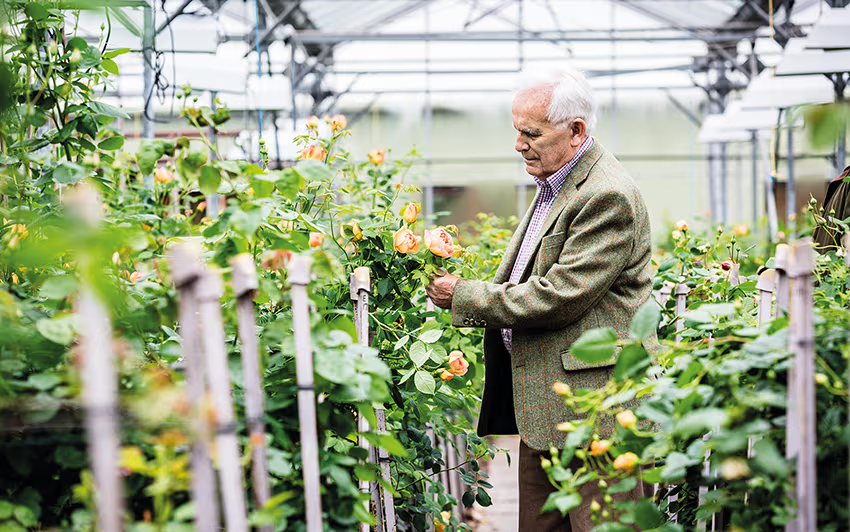
David C. H. Austin’s love of Scottish roses and the rose that sparked his vision
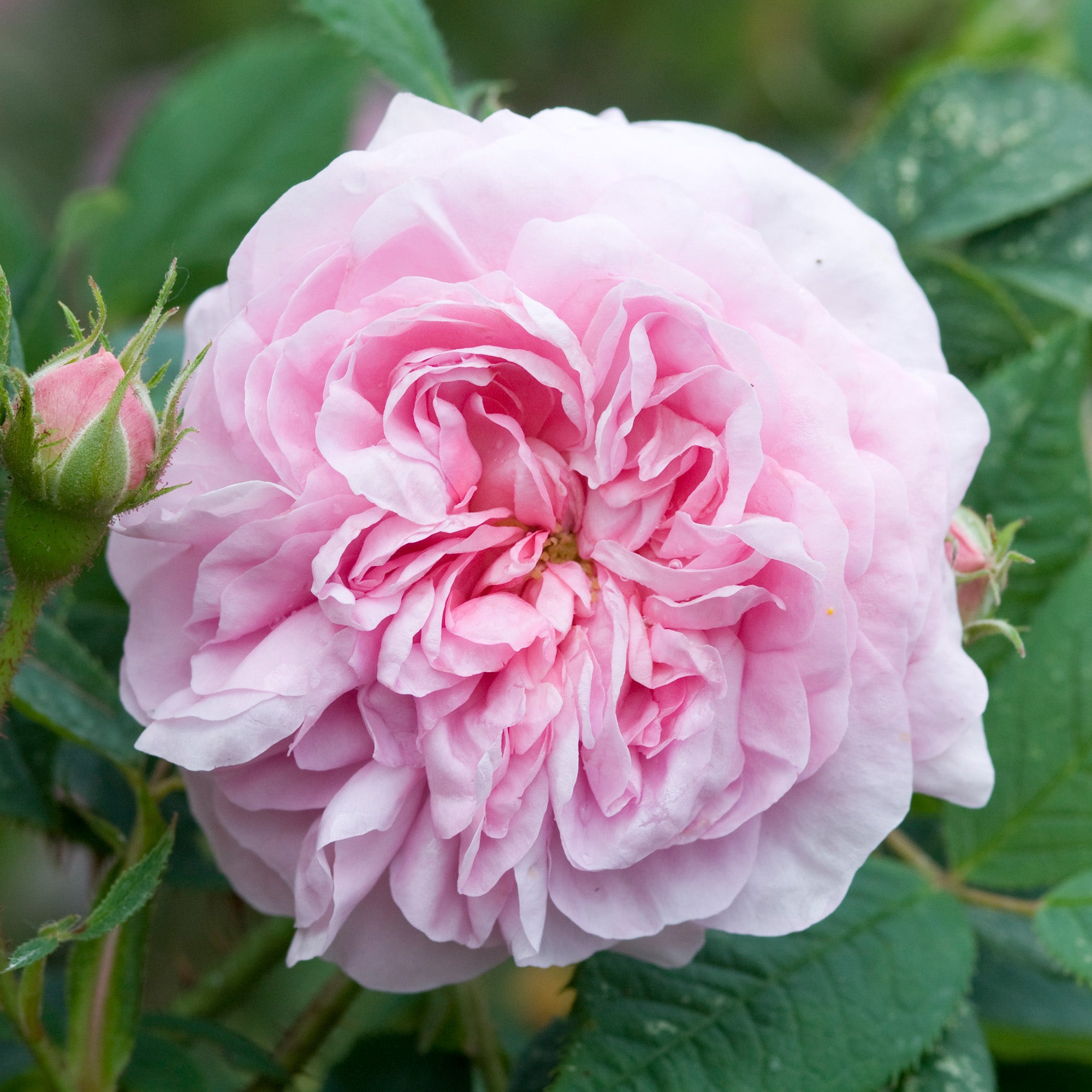
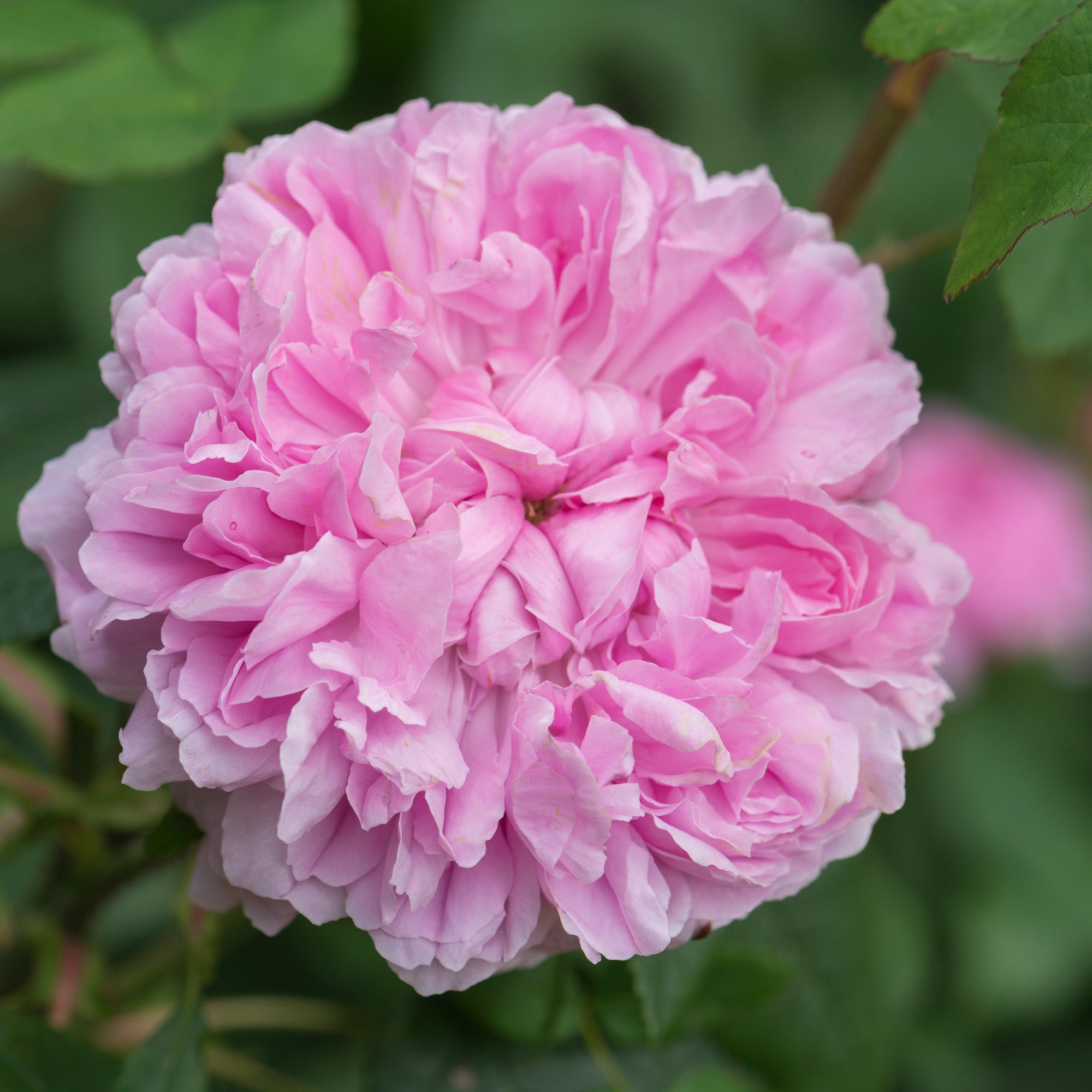
For David C.H. Austin, roses were his passion and life's work, each one telling a story of beauty, resilience, and romance. While he is celebrated for creating the English Rose, renowned for its timeless beauty and exceptional fragrance, his extraordinary legacy began with a quiet, serendipitous discovery: ‘Stanwell Perpetual’. With a character as untamed and delicate as the Scottish landscape, this rose would go on to shape the very essence of every rose he bred.
-
Heritage of Bare Root Roses: From the Kitchen Table to Gardens Around the WorldThe story of David C. H. Austin’s bare root roses begins not in grand gardens or greenhouses, but in the heart of a family home - at the kitchen table of Bowling Green House in Shropshire. It was here that a young man, captivated by the beauty of Old Roses, began to imagine something new: roses that would combine the grace and fragrance of the past with the reliable flowering of modern varieties.

-
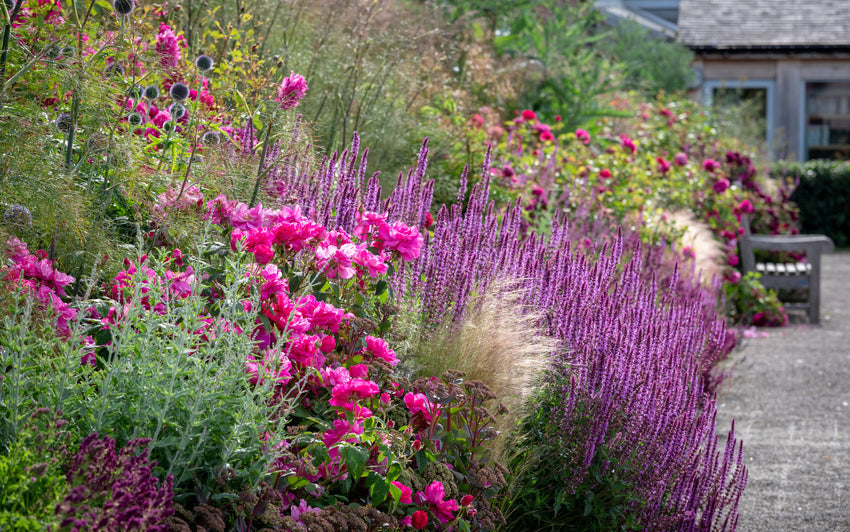
Rosa Gallica Officinalis: The apothecary’s rose in Shakespeare’s gardenAs April arrives and gardens begin to stir into life, one flower stands out not only for its vivid beauty but for its rich connection to history, healing, and literature. Rosa gallica officinalis, known as the Apothecary’s Rose, is more than an ornamental bloom. It carries with it centuries of meaning and a deep-rooted place in both horticulture and the poetic imagination.
-
David C.H. Austin’s love of Scottish roses and the rose that sparked his visionFor David C.H. Austin, roses were his passion and life's work, each one telling a story of beauty, resilience, and romance. While he is celebrated for creating the English Rose, renowned for its timeless beauty and exceptional fragrance, his extraordinary legacy began with a quiet, serendipitous discovery: ‘Stanwell Perpetual’.

-
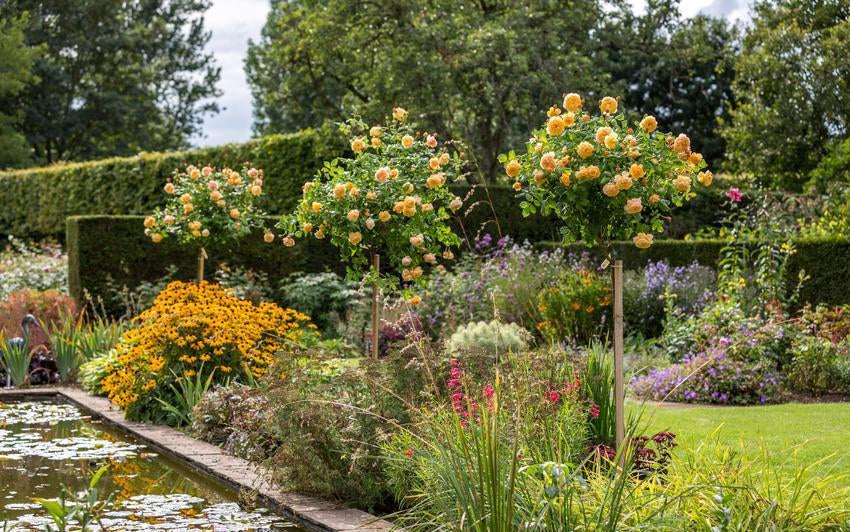
Designing with Standard Roses: Creative Ways to Style Your GardenStandard roses possess an inherent charm that immediately refines any outdoor space. Often referred to as tree roses, these beautiful plants lift your favourite blooms off the ground, presenting them at eye level on clean, structural stems. While they are a staple of formal landscapes, their unique height makes them incredibly versatile for relaxed, modern, and informal spaces too.
-
The Rose Year BeginsAutumn brings a distinct richness that invites us to slow down and notice the changes. Leaves turn shades of amber and gold, while the lower, softer light catches the borders in the late afternoon. As cooler mornings bring heavy dew and that unmistakable, earthy scent of damp soil, the garden gradually settles down for the season.

-
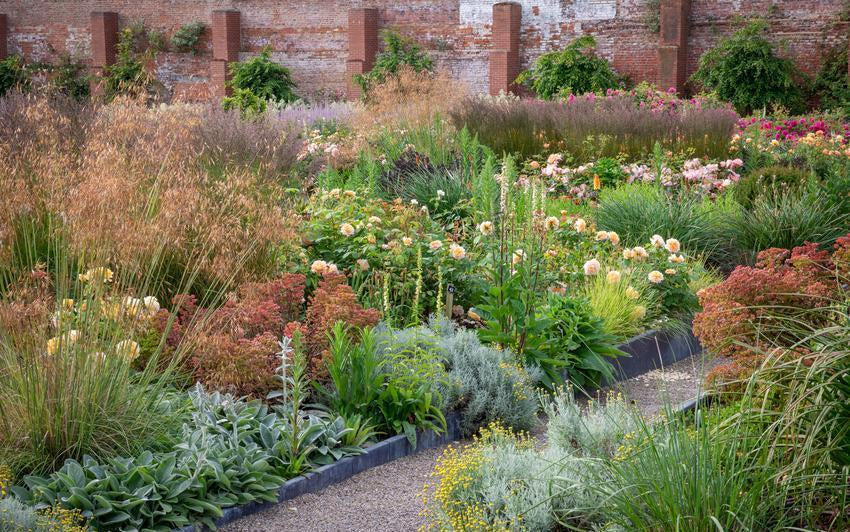
What to Plant with English Roses for Autumn ColourBy the end of September, the rose garden is changing. The exuberance of summer is giving way to a slower rhythm, and many English Roses are setting hips, their once-constant flowers replaced by clusters of glowing fruit. Yet the borders need not feel diminished. With the right companions, roses can be framed and supported so that the garden still sings with colour, texture and grace well into October and beyond.
-
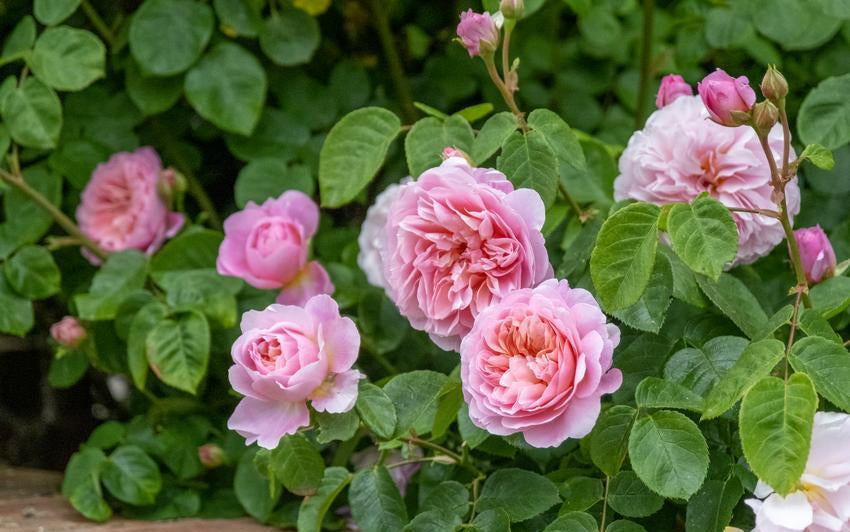
Roses with Large Blooms: Varieties for Garden ImpactA rose in full flower can transform a garden. Large, many-petalled blooms draw the eye through a border, bring colour to a quiet corner or create a beautiful focal point when grown in a pot.
-
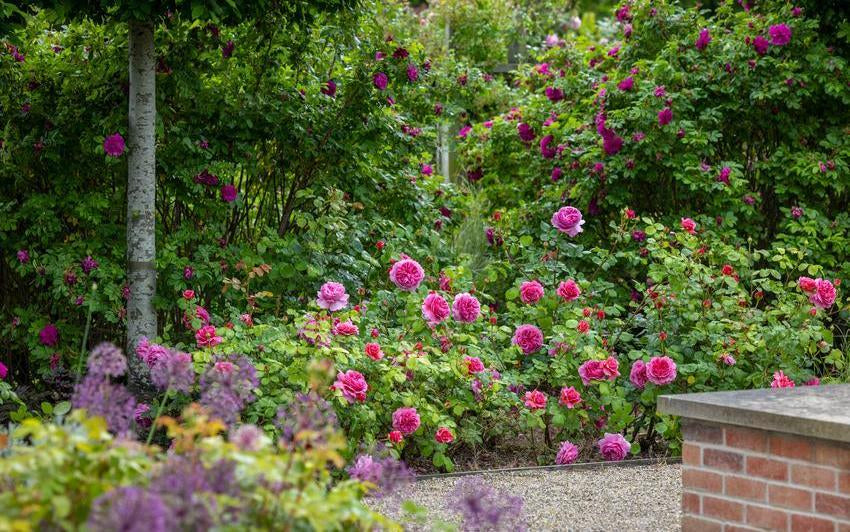
Best Fragrant Roses for Autumn: Scent and Colour Beyond SummerThe fragrance of a rose is never quite fixed. Temperature, humidity, time of day and even the stage of the flower can all influence how its scent is released and experienced. As the warmth of summer begins to soften into autumn, cooler mornings and greater moisture in the air create different conditions for fragrance, and a familiar rose can reveal itself in a rather different way.
-
Using Red Roses to Bring Richness and Depth to the GardenA red rose has a wonderfully compelling presence in the garden. Amongst a sea of green, even a glimpse of crimson catches the eye, drawing you closer for another look. Red can sometimes have a reputation for being difficult to use, particularly alongside softer colours. Yet the palette is far more varied than we might first imagine. From clear crimson to deep, velvety tones, red roses can bring warmth, richness and depth to a garden without overwhelming it.