
How to Water Roses
As the warmer months arrive, ensuring your roses remain well-hydrated is the most effective way to maintain their health and vitality. Regular watering supports the plant’s natural resilience, allowing for a consistent and beautiful display of flowers throughout the summer.
The amount of water required depends on your specific environment, including soil type and weather conditions. Generally, newly planted roses and those in containers will require the most frequent attention.
The need for irrigation is closely linked to rainfall and temperature. Rather than relying on the appearance of the surface, it is best to check the moisture levels of the soil an inch or two below the ground before applying more water.
Seasonal Guidelines:
- October – February: During the winter, rainfall is typically sufficient. Watering is only necessary if the season is unusually dry and mild.
- March – May: Watch for dry spells of two weeks or more. We recommend watering newly planted roses every two or three days, and established roses once a week if the soil feels dry.
- June – September: In the height of summer, roses may need more regular support. New roses should be checked every other day, while established roses generally require a thorough soaking once a week, depending on rainfall.
Note: If blooms or foliage begin to wilt in the heat, it is a clear indication that the plant needs immediate hydration.
As a general rule, we suggest the following amounts per plant during each watering session:
- Shrub and Potted Roses: 5 Litres
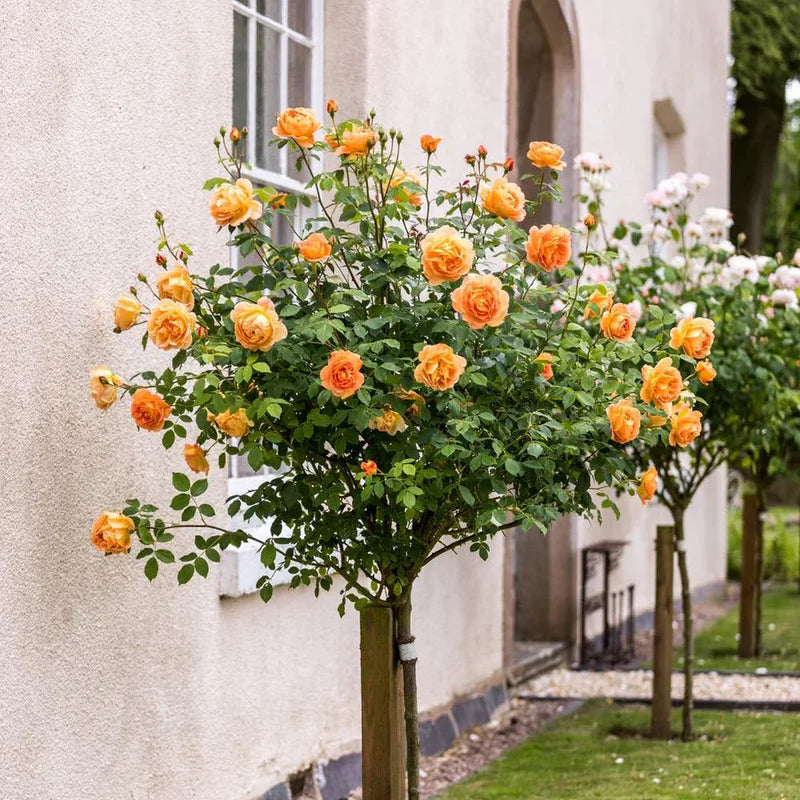
- Climbing, Rambling, and Standard Roses: 10 Litres
Professional Techniques
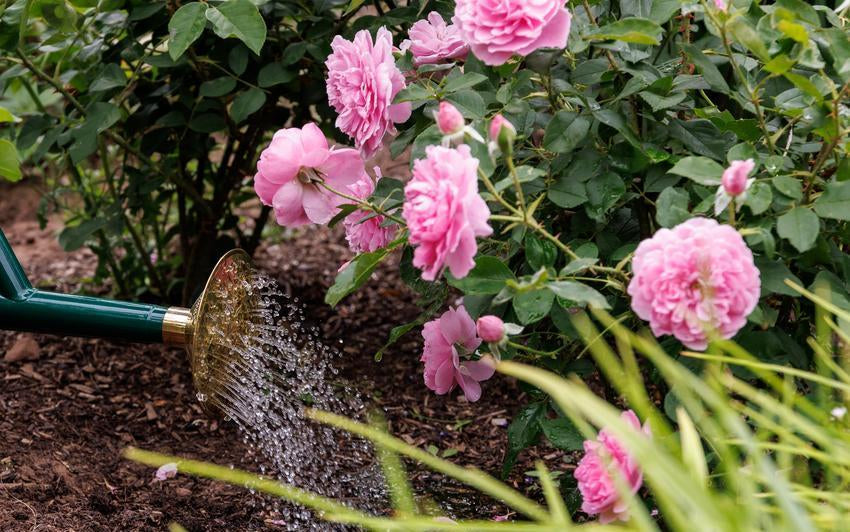
For the best results, water should be applied with precision to ensure it reaches the roots where it is needed most.
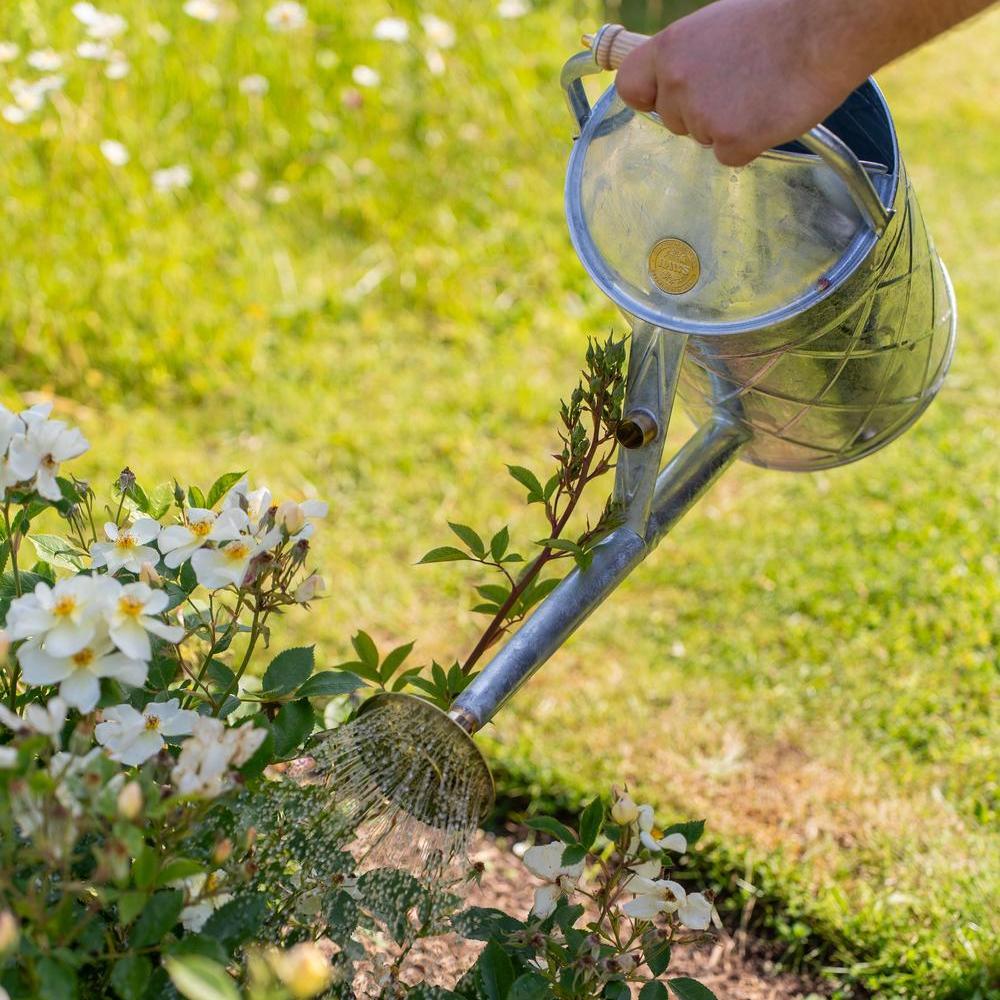
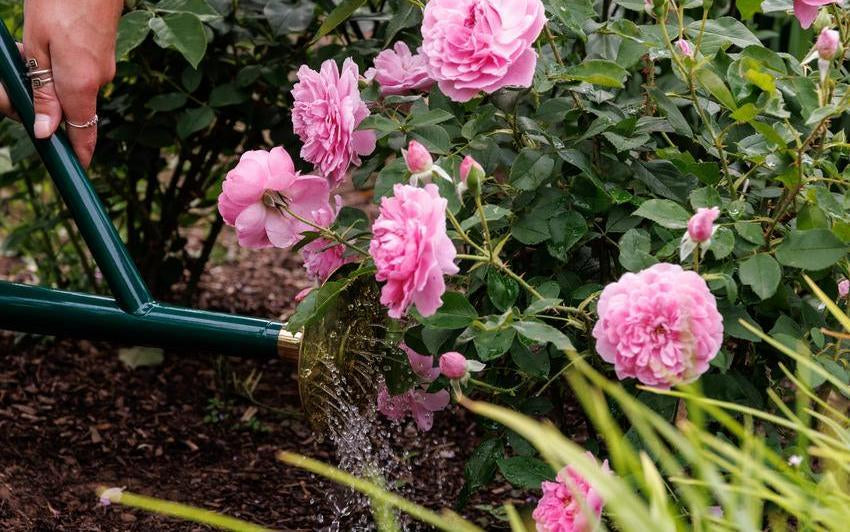
- Water the Base: Apply water as close to the base of the rose as possible. If the water begins to run away, pause for a moment to let it soak in before continuing. In very dry soil, creating a small, shallow well around the base can help contain the water.
- Protect Leaves and Blooms: Aim to keep the foliage and flowers dry. Moisture sitting on leaves - especially overnight - can encourage fungal issues like black spot.
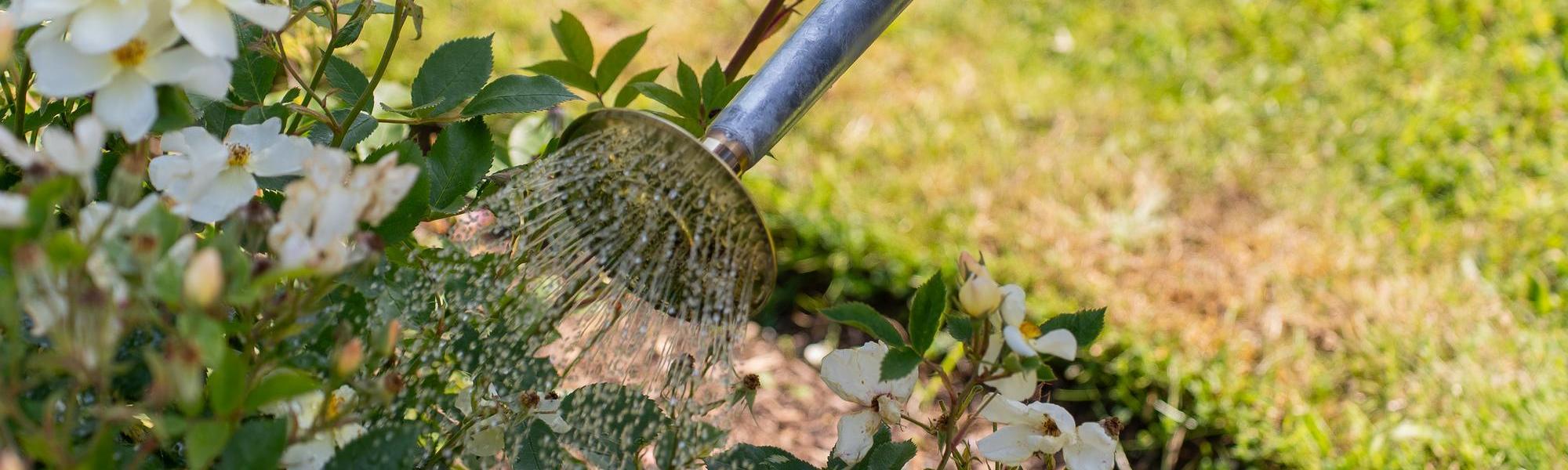
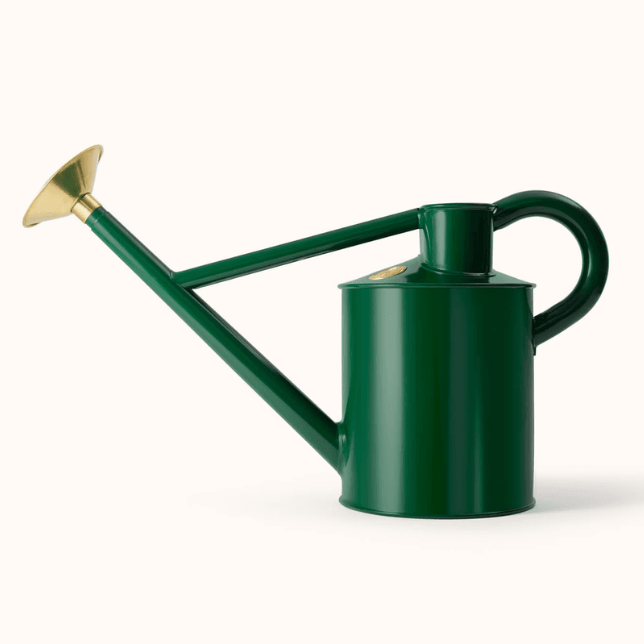
- Use a Gentle Flow: Avoid high-pressure hoses. A soft spray or a watering can allows for a gentle delivery that won’t disturb the soil or splash the foliage.
Roses That May Require Extra Attention
Certain planting situations are more prone to drying out. Please be extra vigilant with:
- Newly Planted Roses: These are still establishing their root systems and cannot yet reach deep groundwater.
- Roses in Containers: Pots dry out significantly faster than the ground and should be monitored daily.
- Wall-Side Planting: Roses against walls or fences are often sheltered from natural rainfall, meaning the soil remains dry even after it rains.
- Proximity to Trees: Large hedges and trees are heavy consumers of water and will often compete with your roses for moisture.
By monitoring your soil and providing deep, targeted hydration, you ensure your roses have everything they need to flourish all season long.
Heatwave Rose Care: Watering for Health and Resilience
Summers no longer behave as they once did. The balance of sun and rain that shaped our gardens for generations is slipping, replaced by longer dry spells and more intense heat. The soil hardens, moisture disappears quickly, and even the most established plants begin to show signs of stress. Roses, for all their grace and vigour, are no exception. But while the weather is changing, so too can we adapt our approach, caring for our plants with greater awareness and intention.





-
Heatwave Rose Care: Watering for Health and ResilienceSummers no longer behave as they once did. The balance of sun and rain that shaped our gardens for generations is slipping, replaced by longer dry spells and more intense heat. The soil hardens, moisture disappears quickly, and even the most established plants begin to show signs of stress. Roses, for all their grace and vigour, are no exception. But while the weather is changing, so too can we adapt our approach, caring for our plants with greater awareness and intention.
-
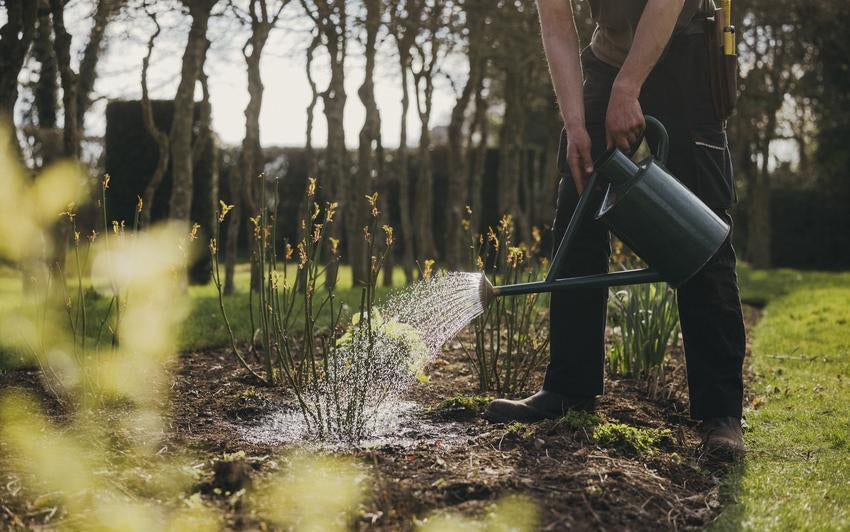
How To Water Bare Root Roses Planted Later In The SeasonWith the spring sunshine finally reaching the garden, now is the perfect time to check in on your newly planted bare root roses. They're just beginning to settle in, and the care you give them over the next few weeks will make all the difference to how well they grow and bloom this summer.
-
Our Water-Recycling Scheme: Ensuring Sustainable GrowthAt David Austin®, sustainability is at the heart of everything we do. Through our BLOOM initiative, we are committed to caring for the environment while ensuring our beautiful roses thrive. One of the key ways we achieve this is through our water recycling scheme.

-
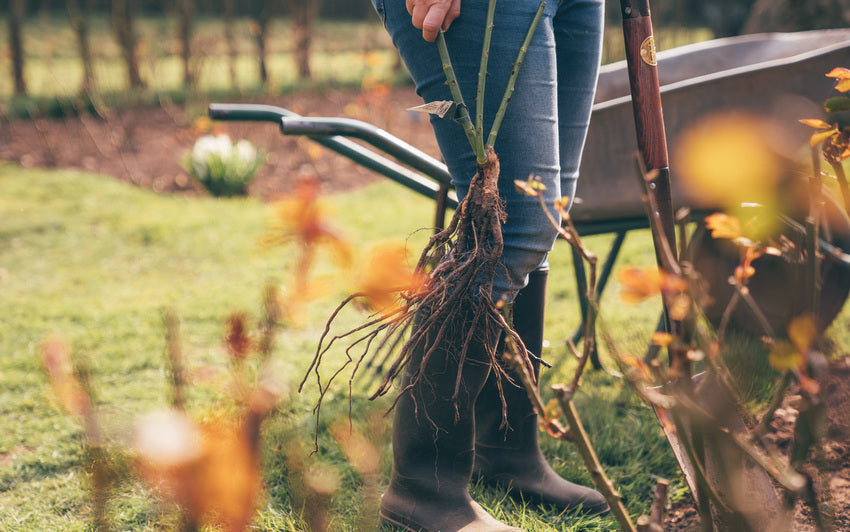
Planting Bare Root Roses: Step-by-Step for Garden and PotsBare root roses arrive simply, as stems and roots, quietly waiting for the garden to bring them to life. With care, they can transform into lush, flowering plants, filling a garden with colour, fragrance, and presence. Affordable, easy to handle, and a traditional favourite among gardeners, they offer both charm and reward.
-
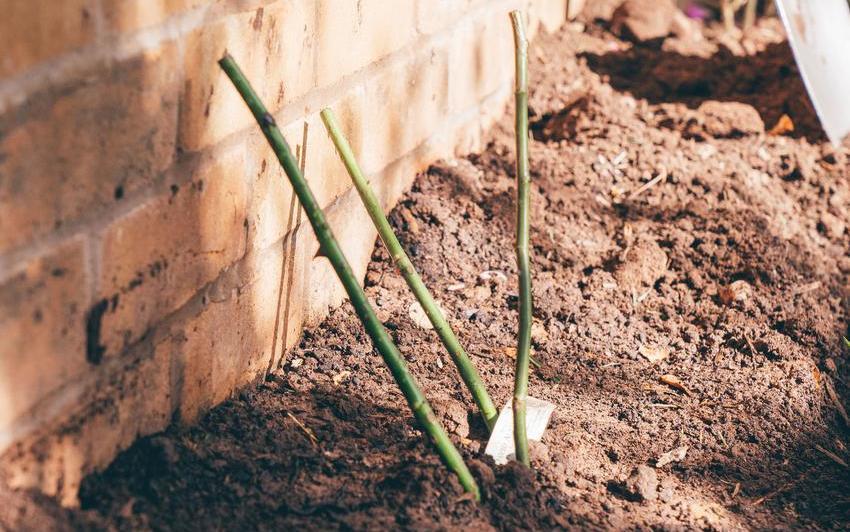
Planting Bare Root Climbing and Rambler Roses in the Ground: Step-by-StepBare root climbing and rambling roses bring both structure and romance to the garden, offering a traditional and sustainable way to cover walls, fences, and arches with abundant blooms. Planted between autumn and early spring, these roses establish naturally through the cooler months, ready to send out vigorous new shoots when warmth returns. With a little preparation and care, they will reward you for many years with graceful growth and exquisite fragrance.
-
Planting Bare Root Shrub Roses in a Pot: Step-by-StepBare root shrub roses are a perfect choice for growing in containers, offering beautiful, bushy growth and abundant, fragrant blooms throughout the summer and into autumn. Planting them in a pot allows gardeners without a garden bed to enjoy the elegance of English Roses, while giving the plant the freedom to establish strong roots in a controlled environment. By following a few careful steps, your rose will settle naturally and flourish for years to come.

-
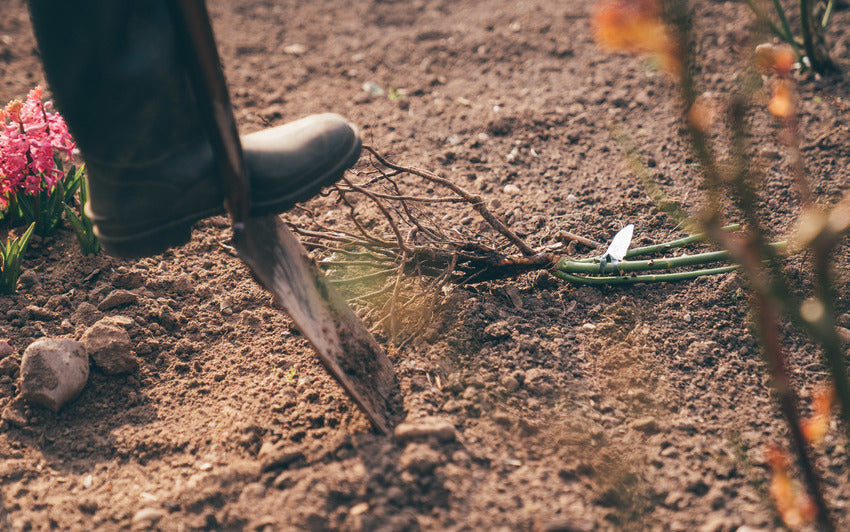
Planting Bare Root Shrub Roses in the Ground: Step-by-StepBare root shrub roses are a gardener’s delight, offering a traditional, sustainable, and rewarding way to add colour and fragrance to your garden. Delivered simply as stems and roots, they are designed to work in harmony with the seasons. Planted in autumn through to spring, they settle naturally into the soil over the colder months, ready to burst into life and reward you with blooms the following year. Easy to handle, they are a dependable choice for both new and experienced gardeners.
-
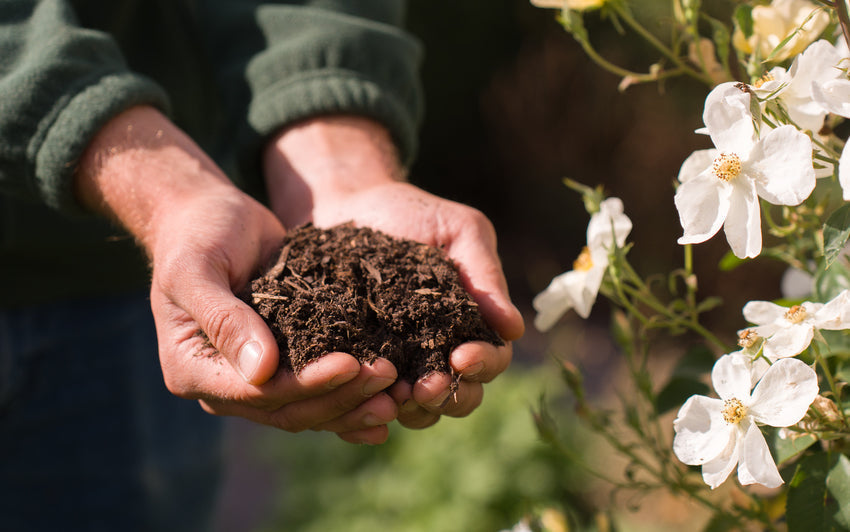
Growing Beautiful Roses, Without PeatGrowing without peat is a change many gardeners are becoming familiar with. Peat-free compost behaves a little differently from traditional compost, so it is quite natural to wonder whether your roses will grow and flower just as beautifully.
-
Moving a Rose: A Step-by-Step GuideRoses are wonderfully resilient, and sometimes a change of position is all that is needed to help one flourish. Perhaps a border is being redesigned, a rose would benefit from more sunshine, or a much-loved plant simply needs a little more room.