
Growing Beautiful Roses, Without Peat
Growing without peat is a change many gardeners are becoming familiar with. Peat-free compost behaves a little differently from traditional compost, so it is quite natural to wonder whether your roses will grow and flower just as beautifully.
For more than 15 years, we have been carefully trialling and refining peat-free composts at our nurseries. Today, every David Austin rose we grow is produced in 100% peat-free compost.
During that time, we have learnt a great deal about what roses need to flourish without peat. Happily, it needn’t be complicated. A few small adjustments to the way you water, feed and care for your roses will help them settle in and thrive.
Why We Choose to Grow Without Peat
Peatlands are remarkable places. Rich in wildlife and able to store vast amounts of carbon, they are among our most precious natural habitats. Once disturbed, they can take many years to recover.
Choosing to grow without peat is one of the ways we can help protect these landscapes for the future. It forms part of our wider commitment to growing roses with greater care for the natural world, while continuing to produce healthy, beautiful plants for the garden.
Understanding Peat-Free Compost
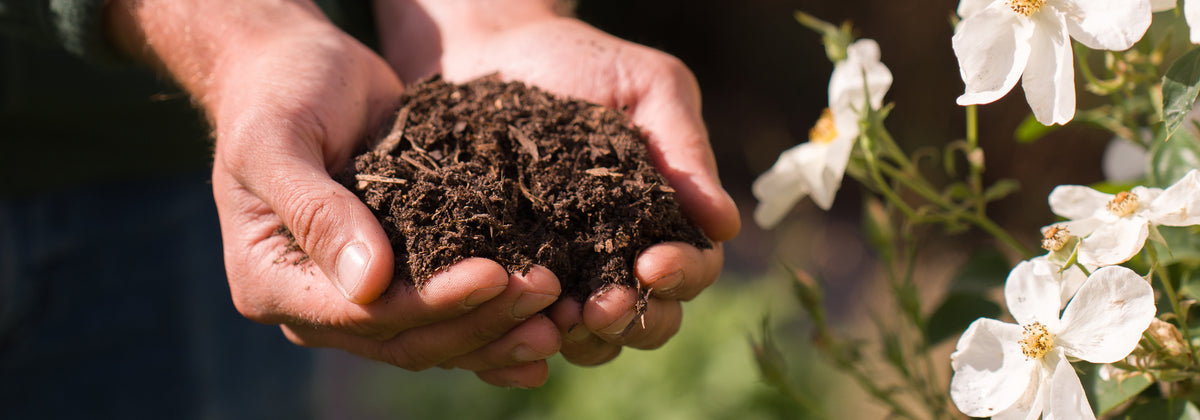
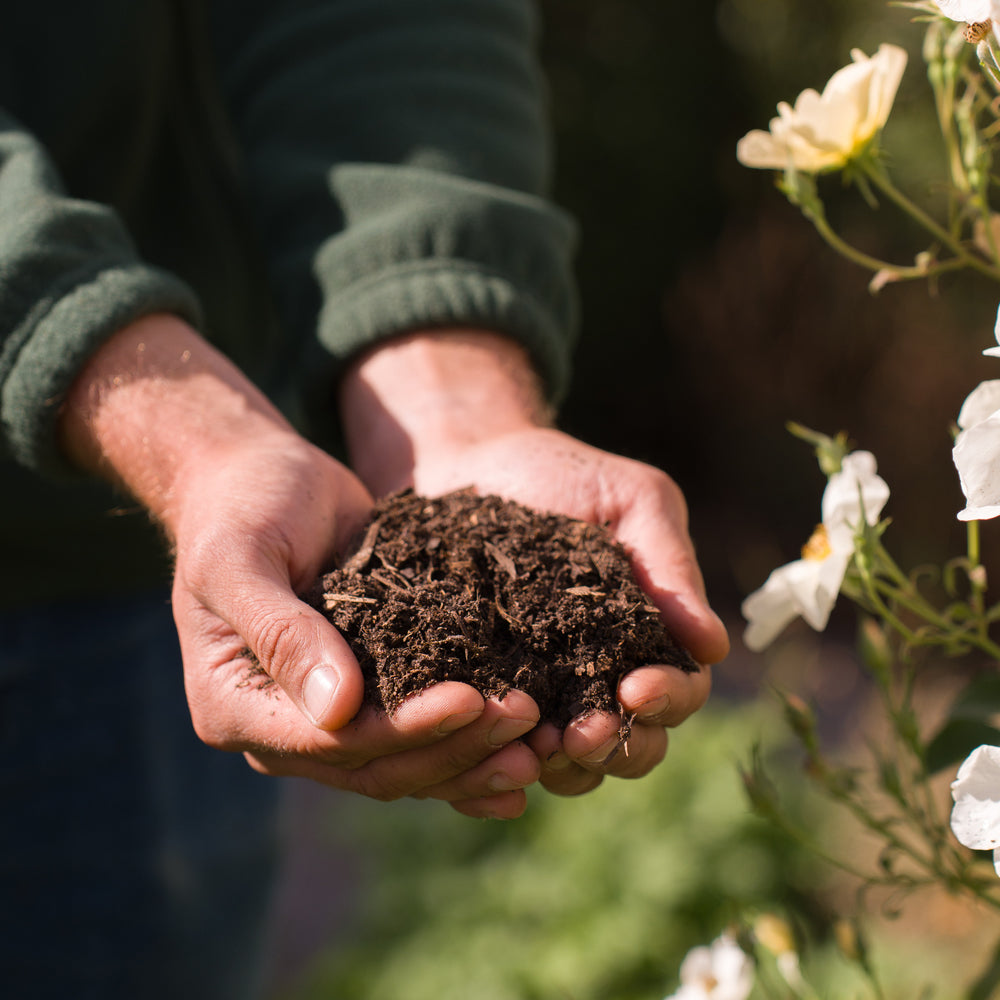
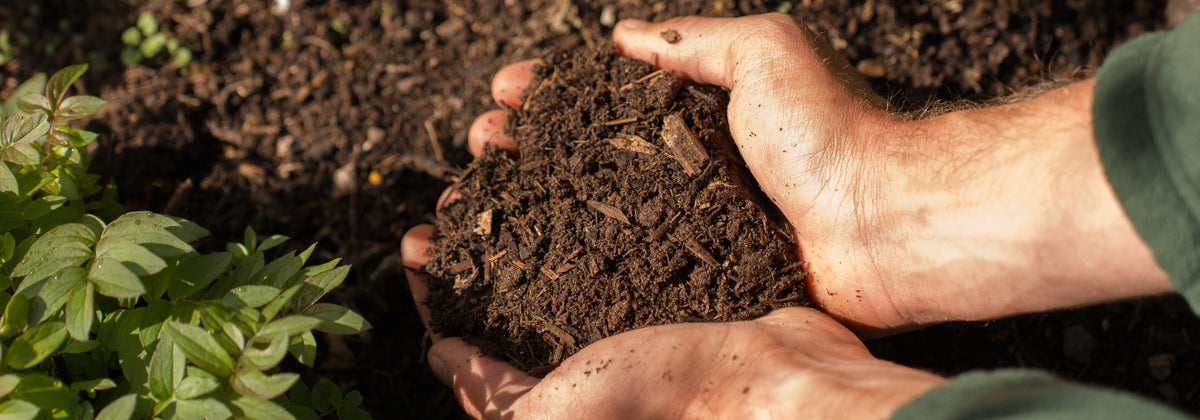
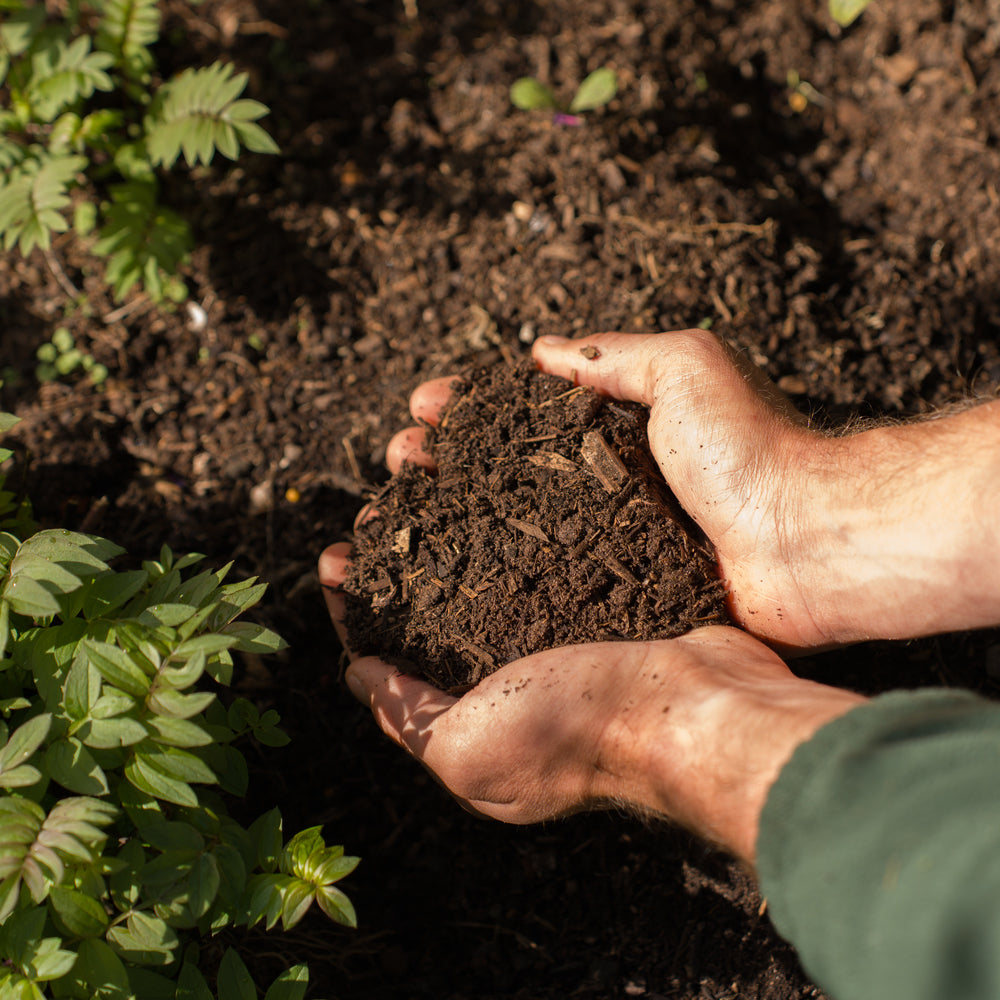
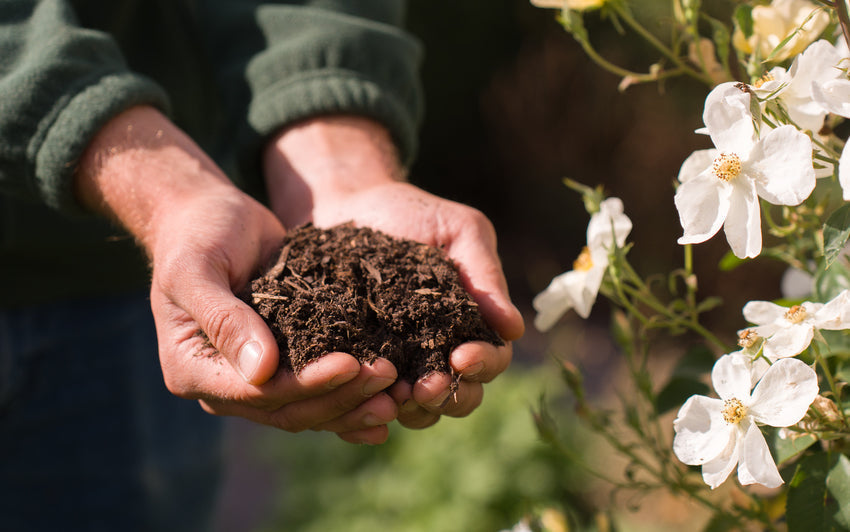
Rather than peat, modern peat-free composts are made from blends of materials such as bark, wood fibre and coir. Together, these provide the structure, drainage and air that healthy roots need.
Different blends can behave in slightly different ways, particularly when it comes to holding water and nutrients. Becoming familiar with your compost, and checking what your rose needs rather than simply following a watering schedule, will help you get the best from it.

Named an RHS Peat-Free Champion
We were delighted to have this work recognised when David Austin® was named an RHS Peat-Free Champion. Yet the greater reward is knowing that every rose leaving our nursery has been grown without peat.
Getting Watering Right
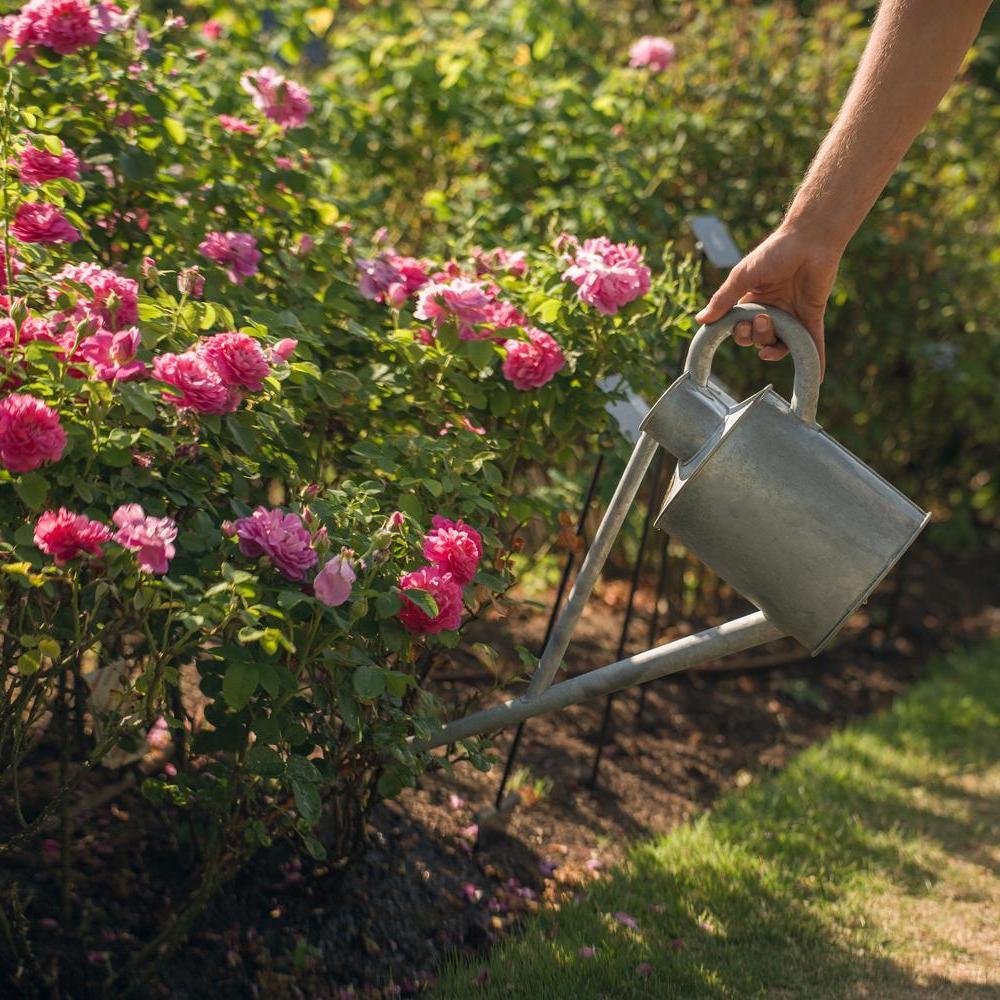
With peat-free compost, appearances can sometimes be deceptive. The surface may look quite dry while the compost around the roots remains comfortably moist.
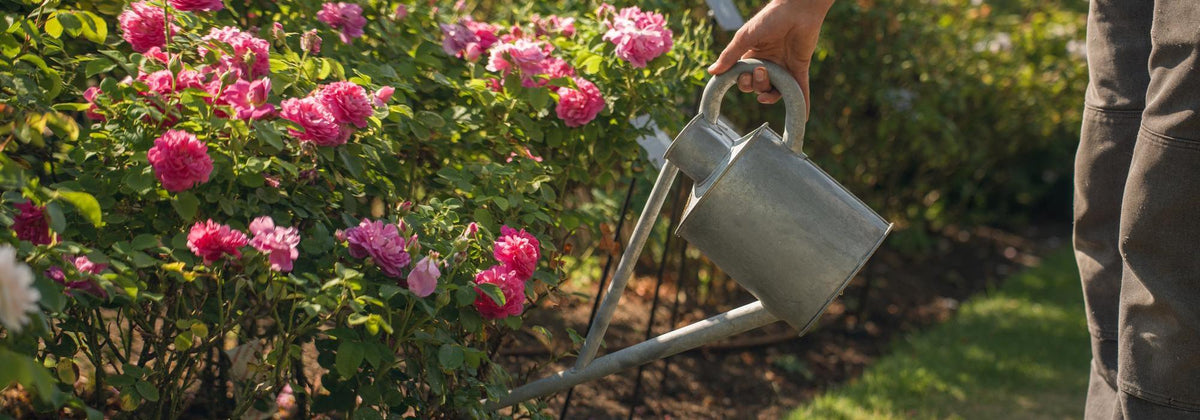
Before reaching for the watering can, push a finger an inch or two beneath the surface to feel the compost. For roses growing in pots, lifting the container can also be helpful. A noticeably lighter pot will usually need watering.
It is worth remembering that both too much and too little water can cause a rose to wilt. If the compost still feels moist and the leaves are drooping, check that excess water is able to drain freely before watering again.
Peat-free compost can drain more freely than traditional peat-based mixes, so roses may need checking more frequently during warm, dry or windy weather. As the seasons change, their needs will change too. It is always better to let the plant and compost guide you rather than watering to a fixed routine.
Try not to allow peat-free compost to dry out completely, as some of its ingredients can be slower to absorb water again. When your rose does need watering, water thoroughly and allow any excess to drain away.
Feeding Your Roses
Roses are wonderfully generous plants and, with the right nourishment, will reward you with healthy growth and abundant flowers.
Fresh compost provides nutrients to begin with, but these will gradually be used by the plant. As new growth appears in spring, begin feeding regularly through the growing and flowering season, following the instructions for your chosen rose feed.
Roses growing in containers may need feeding more regularly than those planted in the ground, as their roots have a smaller volume of compost from which to draw nutrients.
What to Expect in the First Season
A newly planted rose needs a little time to establish, and you may notice that growth is more measured during its first season as the roots settle into their new surroundings.
The most important thing is to keep an eye on watering and provide regular feeding during the growing season. With good care, the rose will establish its root system and become stronger and more settled as it matures.
Keeping Container Roses Happy
The organic ingredients in peat-free compost naturally break down and settle over time. A little ongoing care will help keep your roses growing happily.
Adding a fresh layer of mulch each year will help the compost retain moisture and keep the roots comfortable during warmer weather.
Every few years, a container-grown rose will also appreciate being repotted with fresh peat-free compost. This replenishes nutrients, improves the structure of the compost and gives the roots renewed space to grow.
Choosing a Peat-Free Compost
Not all peat-free composts are the same, so it is worth choosing a good-quality product suited to the plants you are growing.
Look for compost carrying the Responsible Sourcing Scheme label, which provides information about the environmental impact of the materials used.
Where possible, choose fresh bags and avoid those that feel particularly heavy or waterlogged, as this can be a sign that they have been stored outside for some time.
Growing with Care
Our journey to becoming peat-free has taken more than 15 years of careful trials, observation and refinement. Along the way, we have learnt how to adapt the way we grow while maintaining the health and beauty we expect from our roses.
We were delighted to have this work recognised when David Austin Roses was named an RHS Peat-Free Champion. Yet the greater reward is knowing that every rose leaving our nursery has been grown without peat.
For gardeners, making the same change at home is a small but meaningful way to help protect precious peatlands. With a little understanding and care, there is no reason why growing without peat should mean compromising on the simple pleasure of a healthy rose, covered in flower.
-
Growing Roses With Solar PowerWe have installed photovoltaic solar panels on the roofs of our production facility, offices, and cold stores to reduce our environmental footprint and adopt cleaner energy sources. These solar panels are crucial in our efforts to achieve greater sustainability.

-
Our Water-Recycling Scheme: Ensuring Sustainable GrowthAt David Austin®, sustainability is at the heart of everything we do. Through our BLOOM initiative, we are committed to caring for the environment while ensuring our beautiful roses thrive. One of the key ways we achieve this is through our water recycling scheme.

-
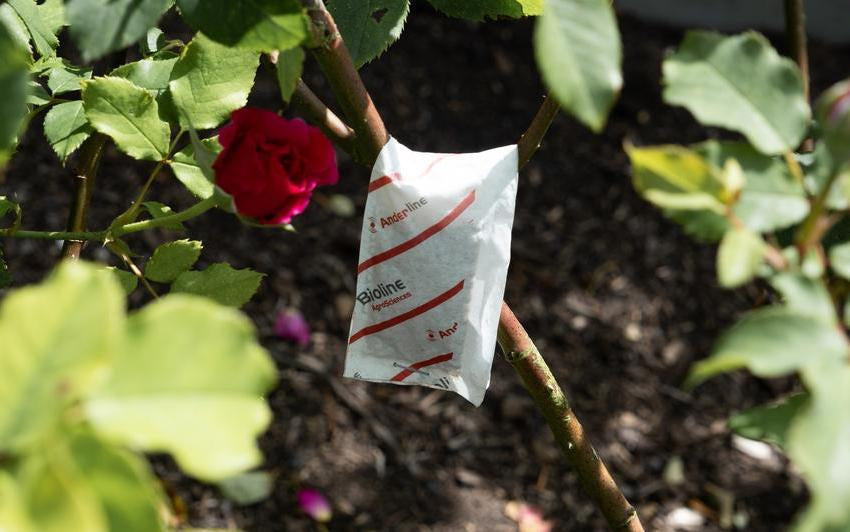
Cultivating Harmony Through Thoughtful Pest ControlWe’ve implemented an Integrated Pest Management system across all six of our themed gardens and our nursery- home to the breeding of our world-renowned roses.
-
Twelve Years in the Making: Breeding an English RoseA new English rose, over a decade in the making, is ready to make its debut in the Great Pavilion at the Chelsea Flower Show. After years of careful cultivation, it will finally share its beauty with the world in full bloom, for the very first time.
-
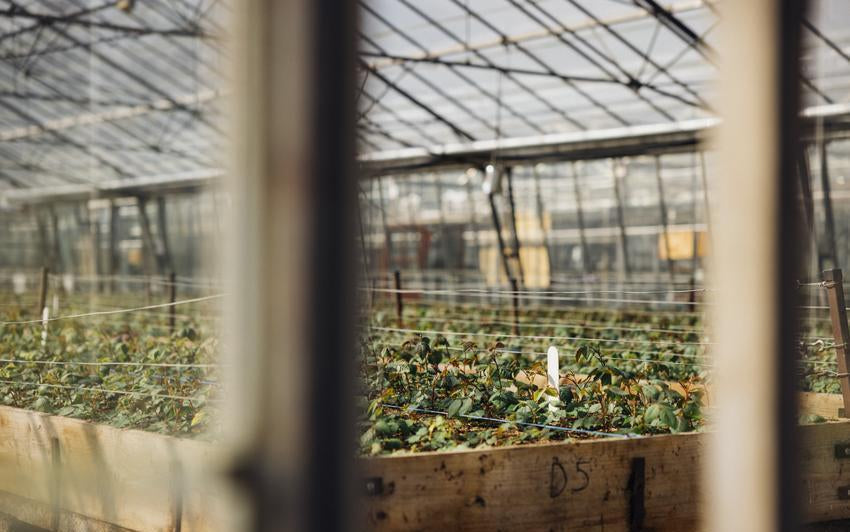
Growing Beautiful Roses, Without PeatGrowing without peat is a change many gardeners are becoming familiar with. Peat-free compost behaves a little differently from traditional compost, so it is quite natural to wonder whether your roses will grow and flower just as beautifully.
-
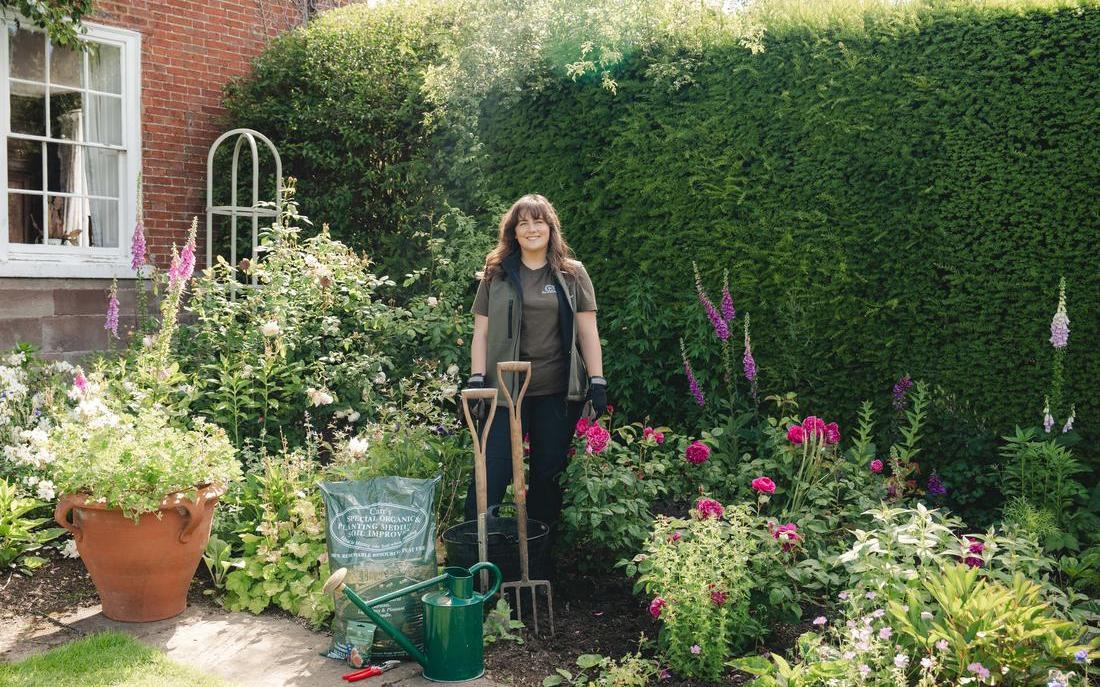
Moving a Rose: A Step-by-Step GuideRoses are wonderfully resilient, and sometimes a change of position is all that is needed to help one flourish. Perhaps a border is being redesigned, a rose would benefit from more sunshine, or a much-loved plant simply needs a little more room.
-
How to Plant and Grow a Rambling Rose Up a TreeRambling Roses have a natural affinity with trees. Their long, vigorous stems can be encouraged upwards into the branches, where they gradually weave through the canopy and open their flowers amongst the leaves. As the rose matures, the effect becomes increasingly natural, with great trusses of bloom appearing high above the ground and tumbling softly from the branches.

-
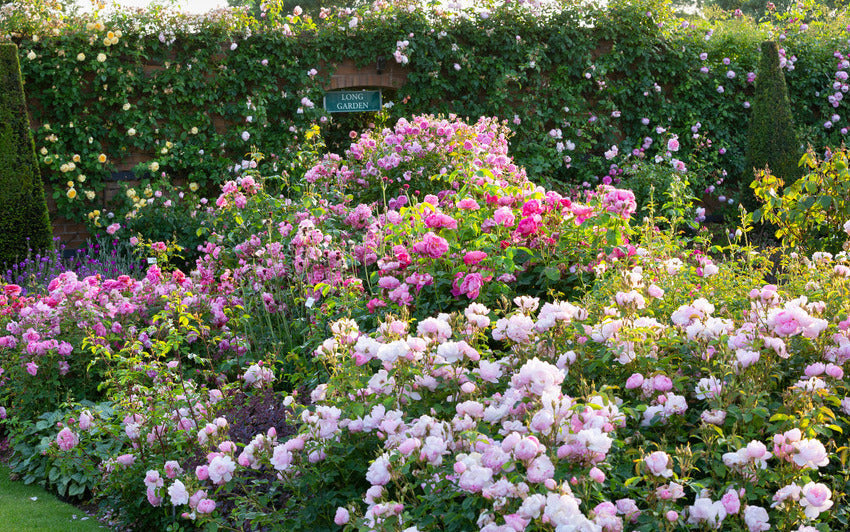
How to Grow Healthy Roses Without Chemical SpraysIt is perfectly possible to grow beautiful, healthy roses without routinely using chemical sprays. The key is to concentrate on the health of the rose and the garden around it, rather than trying to prevent every aphid, marked leaf or other sign of nature.
-
Summer Pruning Roses: What It Is and Why It MattersBy the height of summer, many repeat flowering roses will already have given a wonderful display, with some moving through their second flush of flowers. As blooms begin to fade, a little thoughtful care can help keep plants looking their best and encourage further flowers to follow.
-
Spider Mites on Roses: Meet the Tiny Pest That Loves Your RosesTiny, elusive and surprisingly hungry, spider mites are one of the most common pests to appear on roses during warm, dry weather. Although they're difficult to spot, the damage they leave behind is much easier to recognise. Fortunately, once you know what to look for, they're straightforward to manage, especially when caught early.