

The Hidden World of Mycorrhizal Fungi: Why Your Roses Need Them
Strong roses start with strong roots. Here's how one of nature's oldest partnerships can give yours the best possible start.
Walk around any thriving British garden and you'll see the results of healthy soil: glossy foliage, sturdy stems and roses that bloom generously from June into autumn. What you won't see is the busy world working beneath your feet to make it all happen.
Among the most remarkable members of that underground community are mycorrhizal fungi. They've been quietly helping plants grow for millions of years, and adding them could be the simplest step you take this season to help your roses flourish.
What Are Mycorrhizal Fungi?
Mycorrhizal fungi are naturally occurring soil fungi that form a close, mutually beneficial partnership with plant roots. The name says it all: myco means fungus and rhiza means root.
Think of them as a natural extension of your rose's root system. The fungi send out fine, thread-like strands called hyphae, far thinner than even the smallest root hair. These spread through the soil and reach into tiny pores and crevices that roots alone simply cannot access.
It's a fair exchange. The fungi gather water and nutrients and pass them back to the plant. In return, the rose shares some of the natural sugars it makes through photosynthesis in its leaves. Neither party is doing the other a favour; both are better off together.
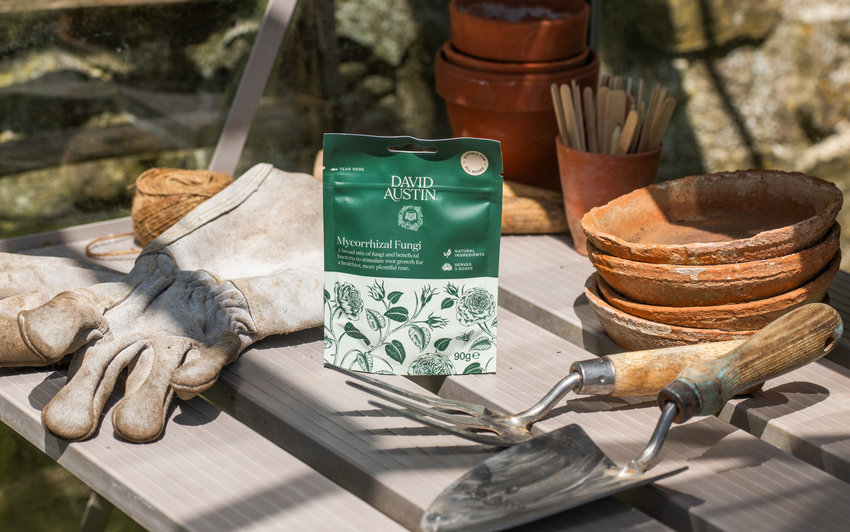
Around 90% of land plants are thought to form these partnerships, from ancient oaks to the humble daisy. Roses are no exception. The trouble is that many garden soils, especially in new-build gardens, heavily cultivated beds or ground that's been left bare, can be low in these beneficial fungi. That's where our Mycorrhizal Fungi comes in.
How Mycorrhizal Fungi Benefit Your Roses
Roses are hungry, thirsty plants that reward good care. Giving them a fungal partner helps them make the most of everything your soil has to offer.
- A bigger root network. The fungal threads greatly extend the area each root can draw from, so your rose can reach water and nutrients well beyond its own root zone.
- Faster, stronger establishment. Newly planted roses settle in more quickly when they have help finding food and water, which means less transplant stress and a more confident first season.
- Better nutrient uptake. Mycorrhizal fungi are especially good at unlocking phosphorus and trace elements that would otherwise stay out of reach, both vital for healthy roots and plenty of flowers.
- Improved drought tolerance. With more water within reach, roses cope better during dry spells, a real help as British summers become less predictable and hosepipe bans more common.
- Healthier soil. The fungi produce a sticky substance that binds soil particles together, improving structure, drainage and air flow around the roots.
- A helping hand where roses have grown before. Planting a new rose where an old one once stood can lead to poor growth, often called rose replant disease or 'rose sickness'. Gardeners have long used mycorrhizal fungi at planting time to help new roses get going in these spots.
The result? You won't see the network beneath the soil, but you'll see what it supports: vigorous growth, lush foliage and beautiful blooms. Give your roses that advantage with our Mycorrhizal Fungi.
Why Bare Root Season Is the Perfect Time
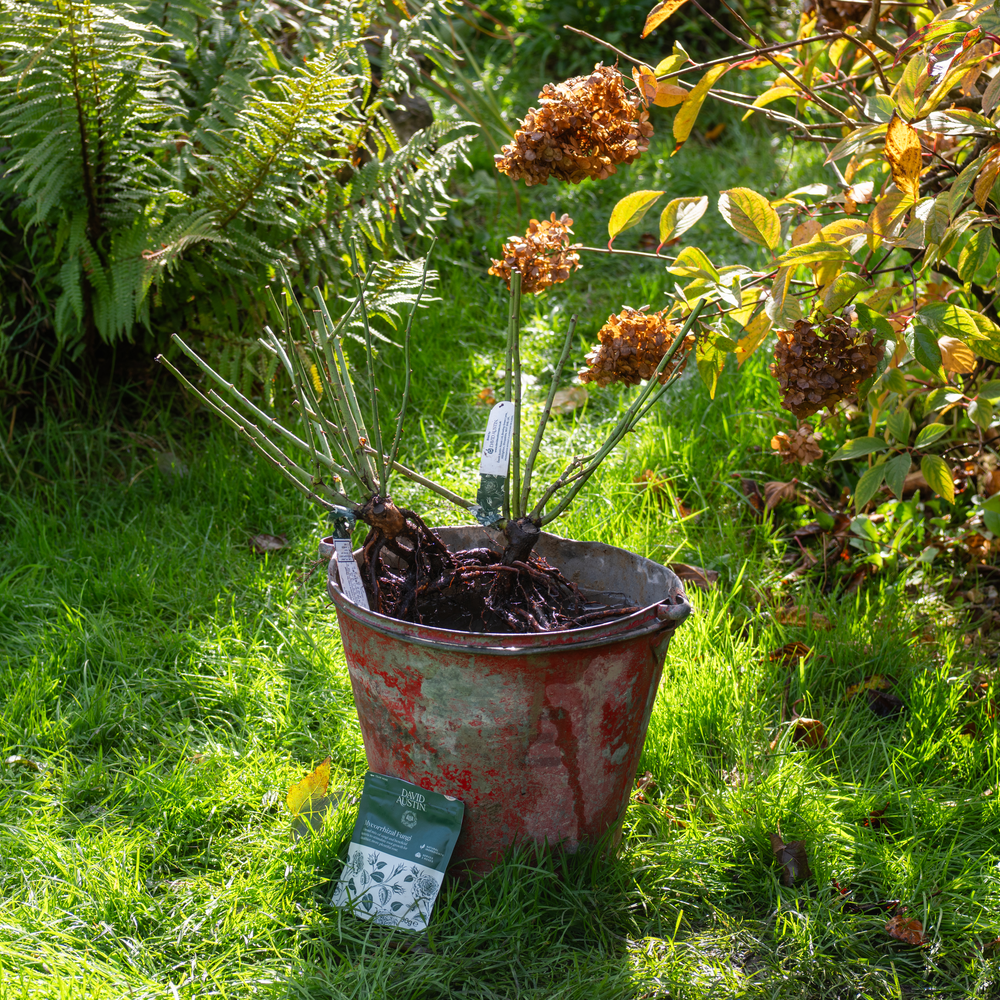
In the UK, bare root roses are planted while they're dormant, typically from November to March, whenever the ground isn't frozen or waterlogged. It's the ideal moment to introduce mycorrhizal fungi.
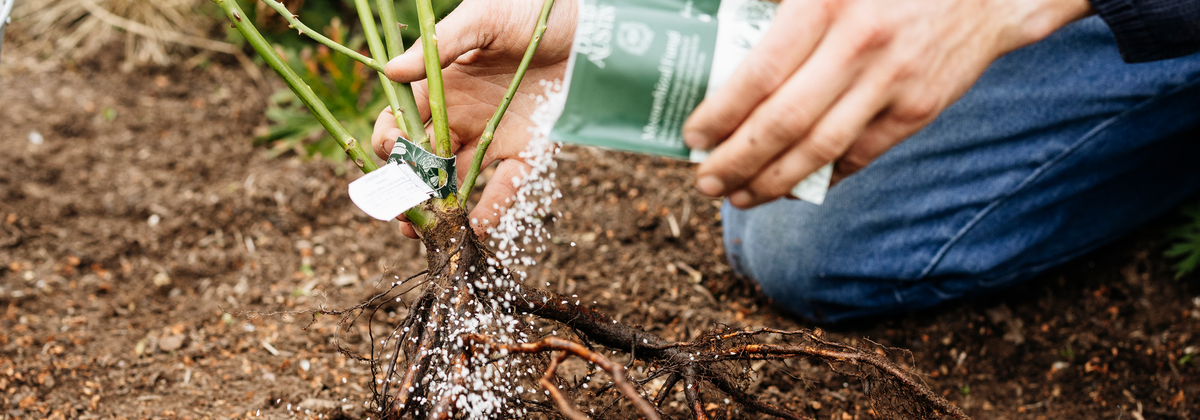
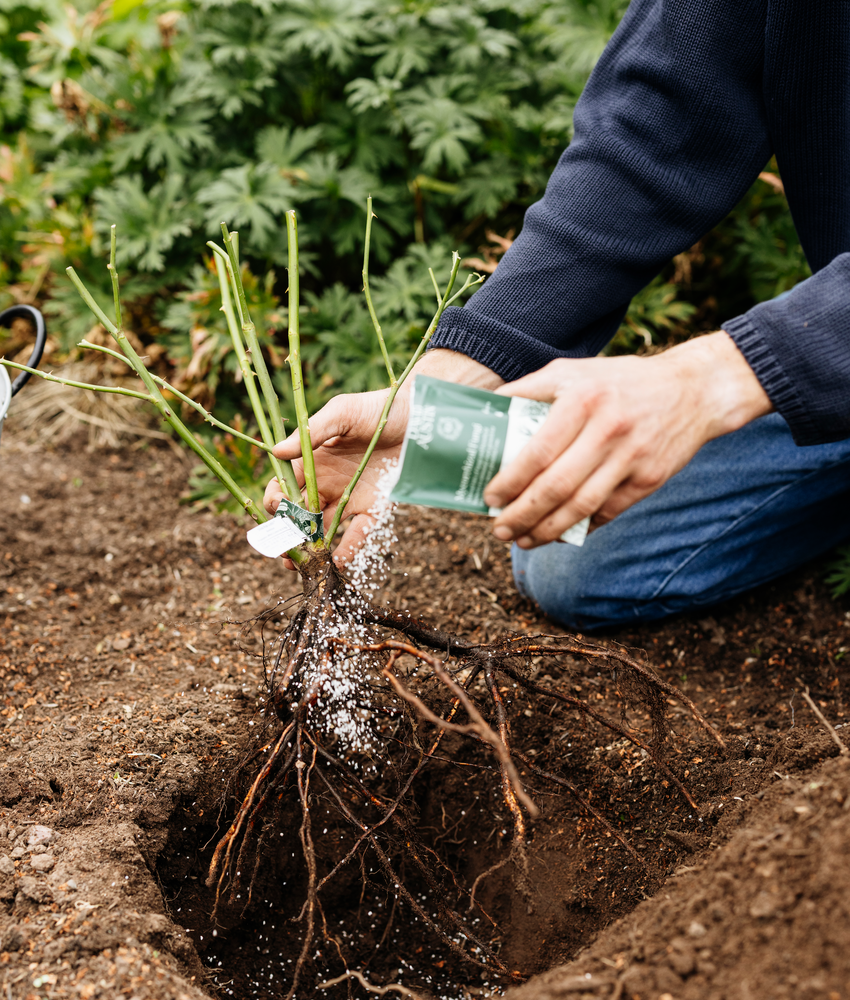
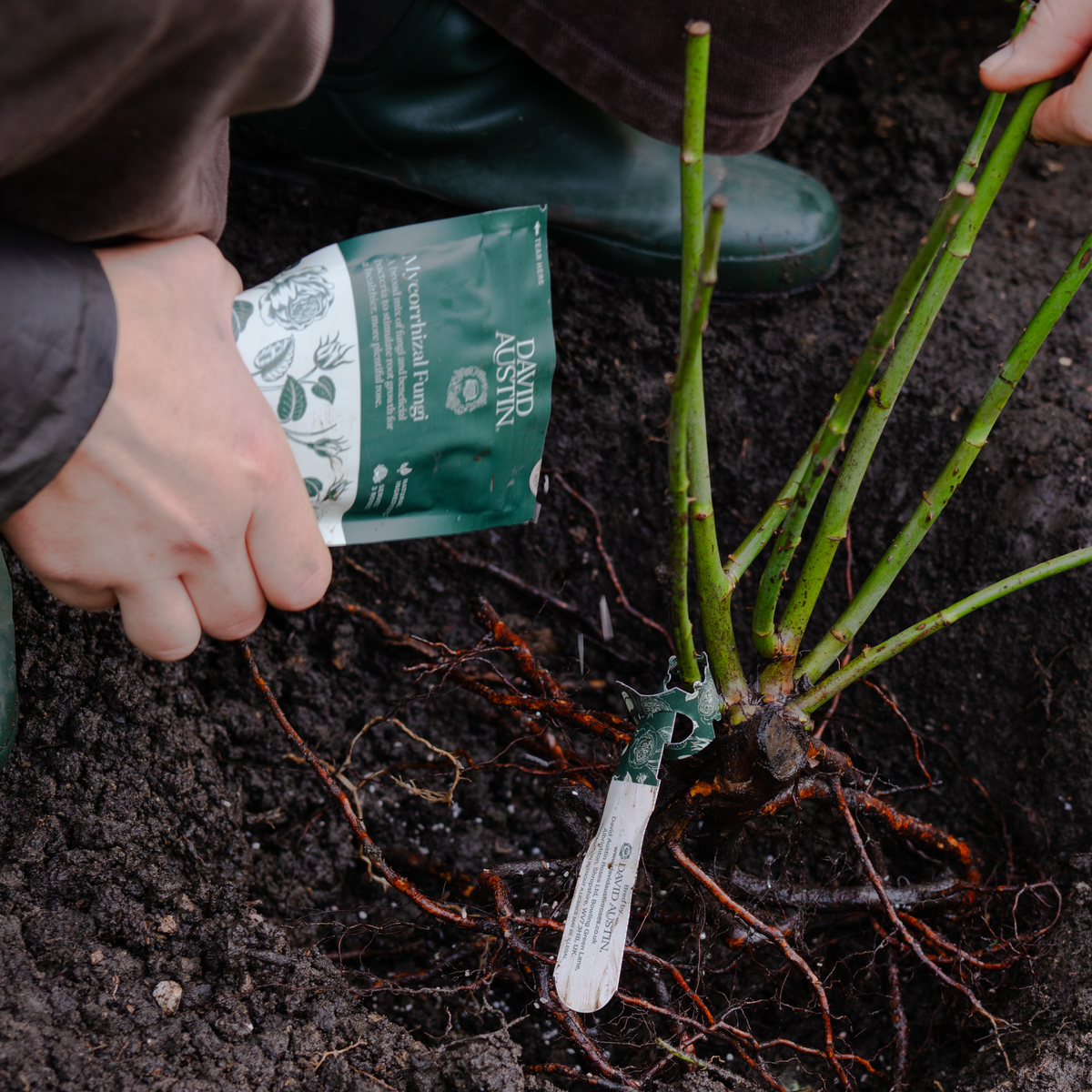
The fungi need direct contact with roots to form their partnership. With a bare root rose, those roots are right there in your hands, ready to be dusted or sprinkled before they go into the ground. As fresh feeding roots start to grow in late winter and spring, the fungi grow alongside them, supporting the plant from the very first day.
Much like planting a bare root rose itself, the work begins unseen. By the time your rose bursts into leaf, its hidden partnership is already under way. Browse our bare root roses and add Mycorrhizal Fungi to your basket so you're ready on planting day.
Planting container roses instead? Our Mycorrhizal Fungi works just as well for potted roses planted at any time of year. Simply apply it to the root ball as it goes into the hole.
How to Use Our Mycorrhizal Fungi
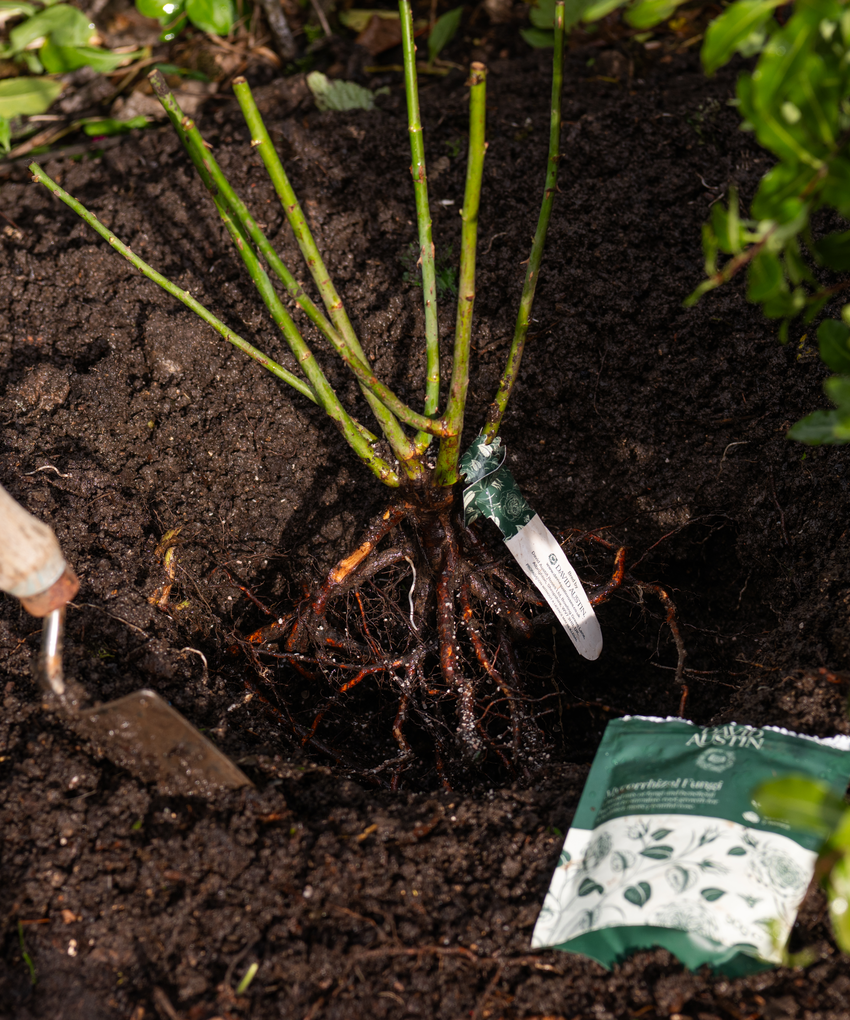
Using our Mycorrhizal Fungi takes seconds and only needs doing
once, at planting time.
-
1
Soak your roots
Stand bare root roses in a bucket of water for an hour or two before planting.
-
2
Dig a generous hole
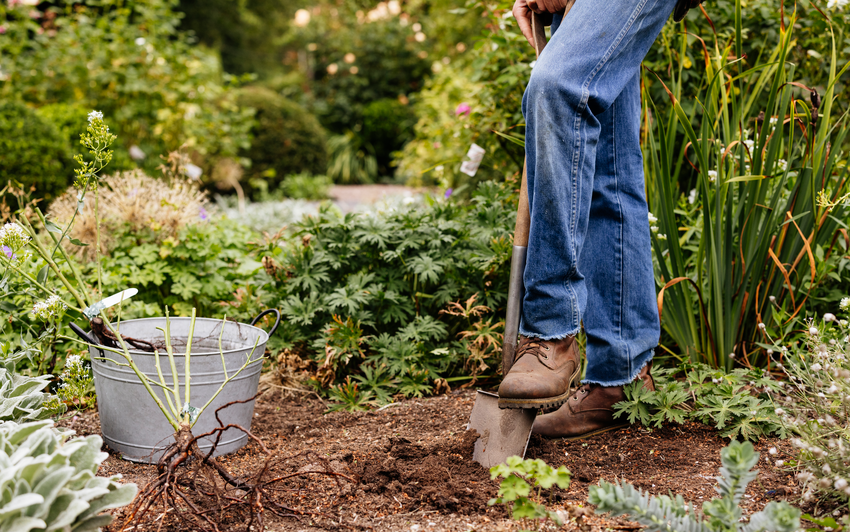
Make it wide and deep enough to spread the roots out comfortably, with the graft union sitting just below soil level.
-
3
Apply the fungi
Sprinkle the recommended amount (see the pack for exact quantities) directly onto the roots, or into the base of the hole where the roots will sit. The key is direct contact.
-
4
Backfill and firm
Return the soil, ideally mixed with some well-rotted organic matter or rose planting compost, and firm gently with your heel.
-
5
Water well
Give your rose a thorough soak to settle the soil around the roots.
Top Tip
Go easy on high-phosphate fertilisers in the first season, as too much can discourage the fungi from forming their partnership. A balanced rose feed applied in spring is all your rose needs.
Yes. They're naturally occurring organisms found in healthy
soils all over the world, and they're perfectly at home in organic gardens.
It's most effective at planting, when it can reach the roots directly. For established roses, you can make holes around the root zone with a fork or dibber and apply it into them, though results are less dependable than at planting time.
No. Once the partnership forms, the fungi grow with the plant for the rest of its life.
Absolutely. Most trees, shrubs, hedging, fruit and perennials benefit too, so it's well worth having a pack in the shed. A few plants, including rhododendrons, azaleas and members of the cabbage family, use different fungi or none at all.
It depends on the size of the plant. Check the pack for guidance, or see the full details on our Mycorrhizal Fungi product page.
Strong roots are the foundation of every beautiful rose. You may never see the hidden network growing beneath your soil, but you'll see the difference it makes in every leaf and every bloom.
Mycorrhizal fungi are one of the simplest and most effective additions you can make at planting time. They form one of nature's oldest partnerships, quietly supporting the beauty that follows.
-
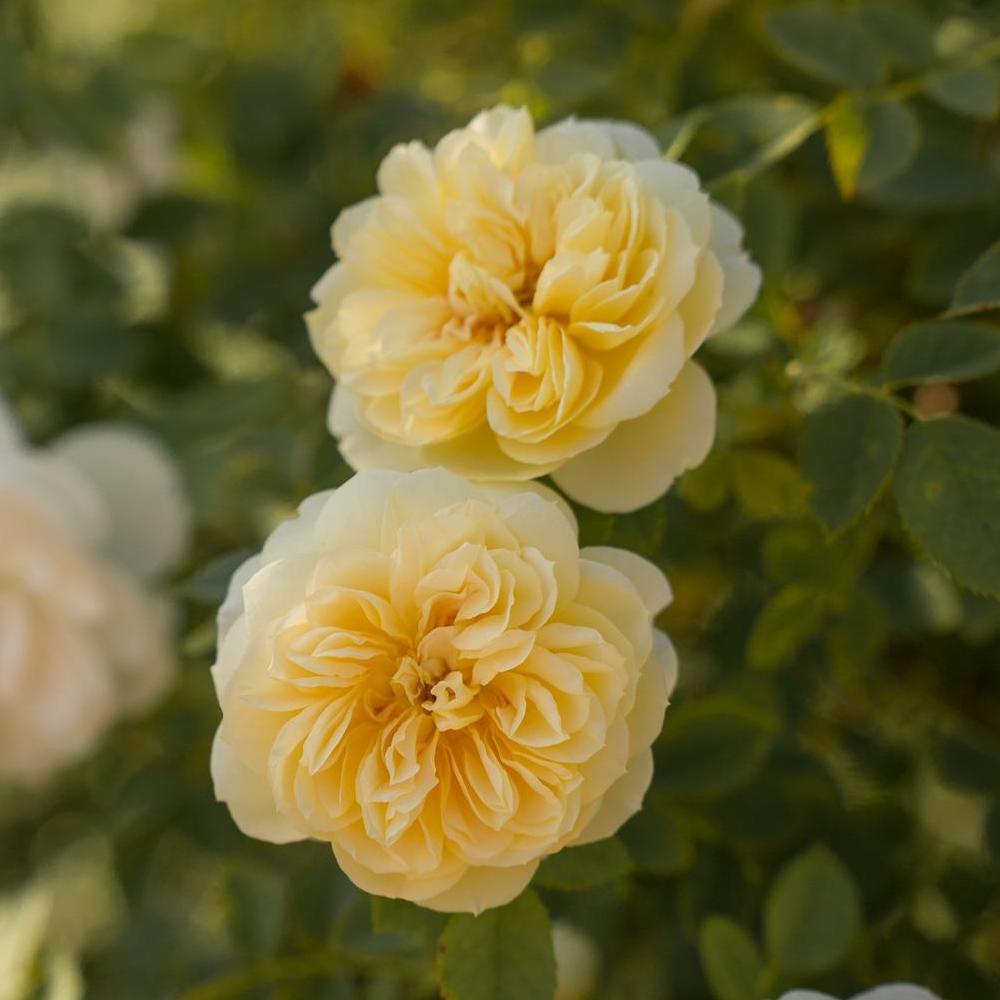
The Rose Year BeginsAutumn brings a distinct richness that invites us to slow down and notice the changes. Leaves turn shades of amber and gold, while the lower, softer light catches the borders in the late afternoon. As cooler mornings bring heavy dew and that unmistakable, earthy scent of damp soil, the garden gradually settles down for the season.
-
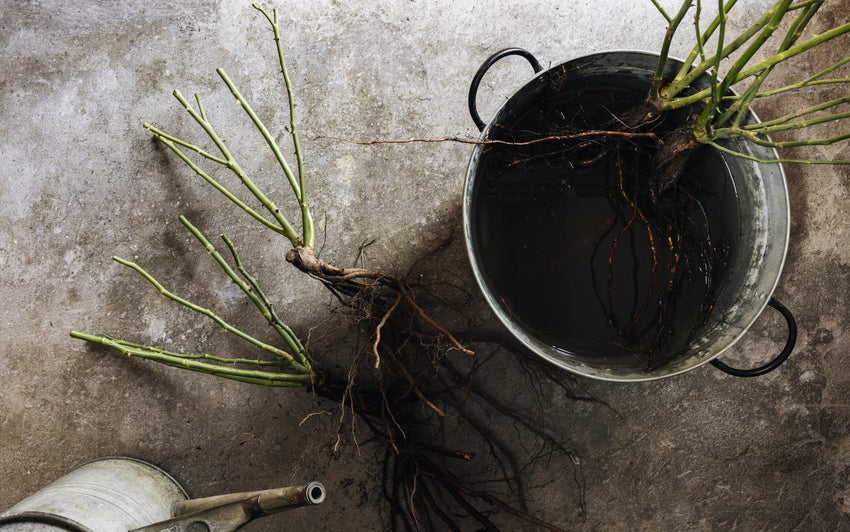
Planting Bare Root Roses: Step-by-Step for Garden and PotsBare root roses arrive simply, as stems and roots, quietly waiting for the garden to bring them to life. With care, they can transform into lush, flowering plants, filling a garden with colour, fragrance, and presence. Affordable, easy to handle, and a traditional favourite among gardeners, they offer both charm and reward.
-
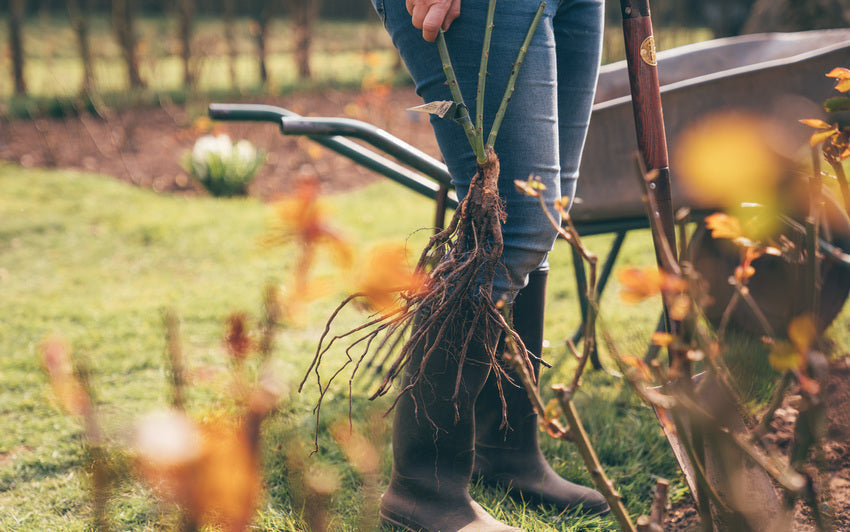
Planting Bare Root Climbing and Rambler Roses in the Ground: Step-by-StepBare root climbing and rambling roses bring both structure and romance to the garden, offering a traditional and sustainable way to cover walls, fences, and arches with abundant blooms. Planted between autumn and early spring, these roses establish naturally through the cooler months, ready to send out vigorous new shoots when warmth returns. With a little preparation and care, they will reward you for many years with graceful growth and exquisite fragrance.
-
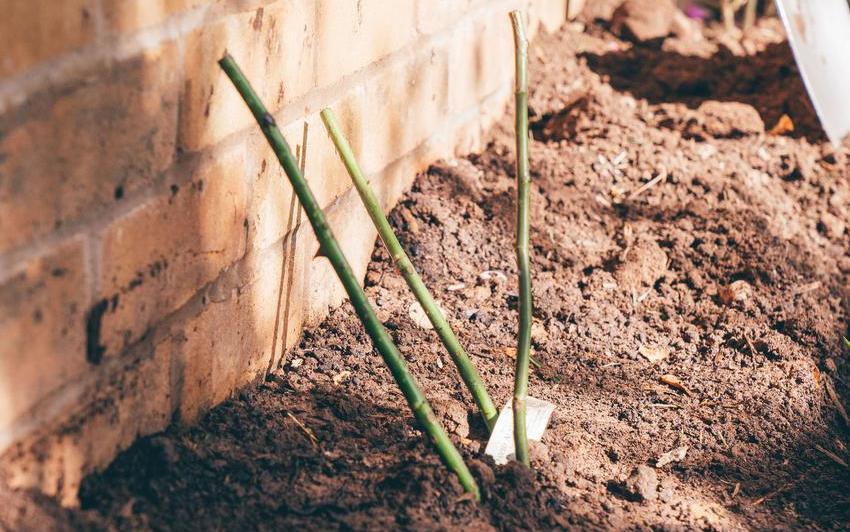
Planting Bare Root Shrub Roses in a Pot: Step-by-StepBare root shrub roses are a perfect choice for growing in containers, offering beautiful, bushy growth and abundant, fragrant blooms throughout the summer and into autumn. Planting them in a pot allows gardeners without a garden bed to enjoy the elegance of English Roses, while giving the plant the freedom to establish strong roots in a controlled environment. By following a few careful steps, your rose will settle naturally and flourish for years to come.

-
Bare Root or Potted? Why Our Roses Come Two WaysAcross the year, you'll find two different forms of David Austin® rose available. For much of the year, our potted roses are ready and waiting, cut back and dormant during the cooler months, in leaf and growth through the warmer ones. Then, once the growing season draws to a close, our bare root roses come into their own, dug fresh from the field and sent out while fully dormant, just as English roses have been grown and shared for generations.
-
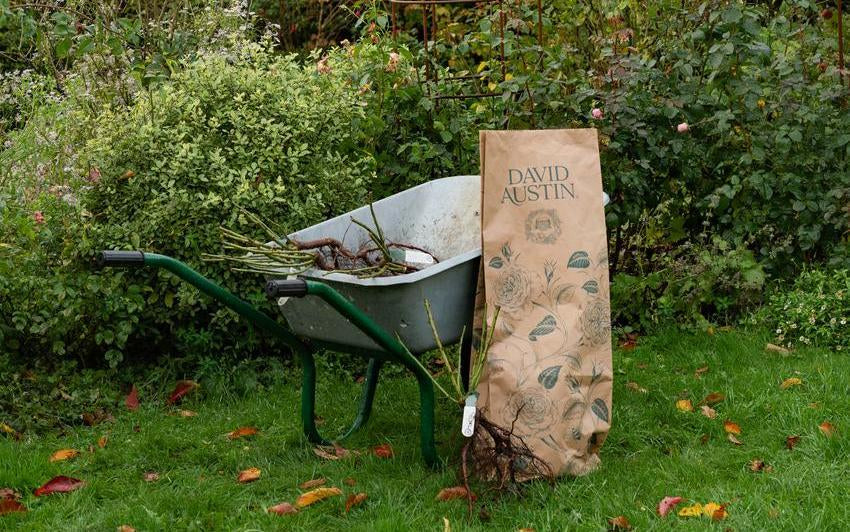
The Hidden World of Mycorrhizal Fungi: Why Your Roses Need ThemStrong roses start with strong roots. Here's how one of nature's oldest partnerships can give yours the best possible start.
-
Get Your Garden Ready for Bare Root Rose SeasonBare root rose season runs from November to April, making the cooler months a lovely time to introduce new roses to your garden. Whether you're planning a new border, adding to an existing collection or planting a climbing rose against a favourite wall, there is plenty to look forward to.
-
Bare Root or Potted? Why Our Roses Come Two WaysAcross the year, you'll find two different forms of David Austin® rose available. For much of the year, our potted roses are ready and waiting, cut back and dormant during the cooler months, in leaf and growth through the warmer ones. Then, once the growing season draws to a close, our bare root roses come into their own, dug fresh from the field and sent out while fully dormant, just as English roses have been grown and shared for generations.
-
Planting Bare Root Roses: Step-by-Step for Garden and PotsBare root roses arrive simply, as stems and roots, quietly waiting for the garden to bring them to life. With care, they can transform into lush, flowering plants, filling a garden with colour, fragrance, and presence. Affordable, easy to handle, and a traditional favourite among gardeners, they offer both charm and reward.
-
Planting Bare Root Climbing and Rambler Roses in the Ground: Step-by-StepBare root climbing and rambling roses bring both structure and romance to the garden, offering a traditional and sustainable way to cover walls, fences, and arches with abundant blooms. Planted between autumn and early spring, these roses establish naturally through the cooler months, ready to send out vigorous new shoots when warmth returns. With a little preparation and care, they will reward you for many years with graceful growth and exquisite fragrance.
-
Planting Bare Root Shrub Roses in a Pot: Step-by-StepBare root shrub roses are a perfect choice for growing in containers, offering beautiful, bushy growth and abundant, fragrant blooms throughout the summer and into autumn. Planting them in a pot allows gardeners without a garden bed to enjoy the elegance of English Roses, while giving the plant the freedom to establish strong roots in a controlled environment. By following a few careful steps, your rose will settle naturally and flourish for years to come.

