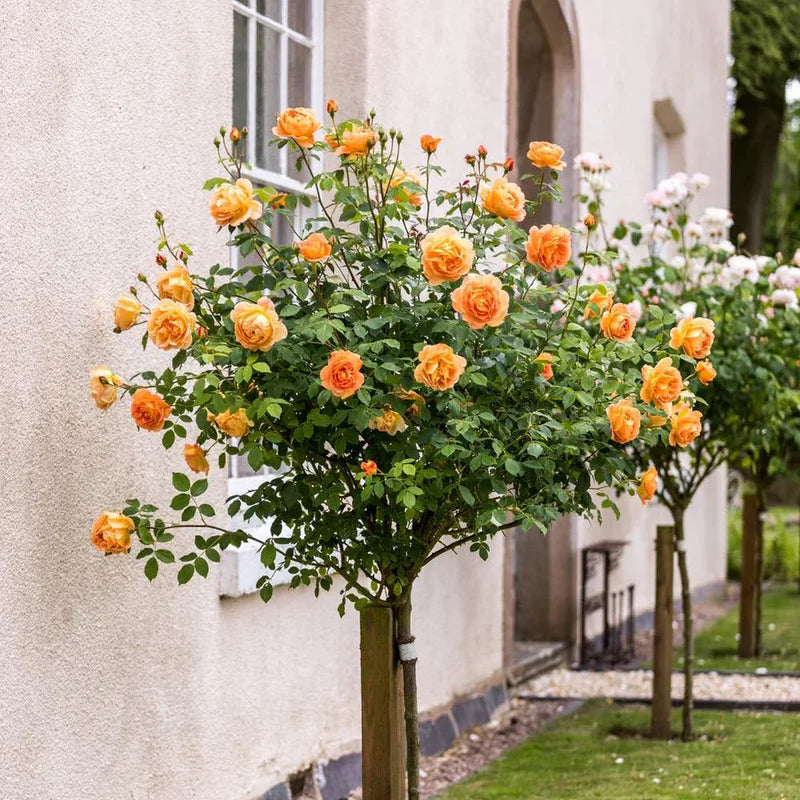

Get Your Garden Ready for Bare Root Rose Season
Bare root rose season runs from November to April, making the cooler months a lovely time to introduce new roses to your garden. Whether you're planning a new border, adding to an existing collection or planting a climbing rose against a favourite wall, there is plenty to look forward to.
Before your roses arrive, it's worth spending a little time preparing the garden. Choosing a suitable position, tending to the soil and gathering a few planting essentials will help your new roses settle in and grow well in the seasons ahead.
Choose the Right Spot
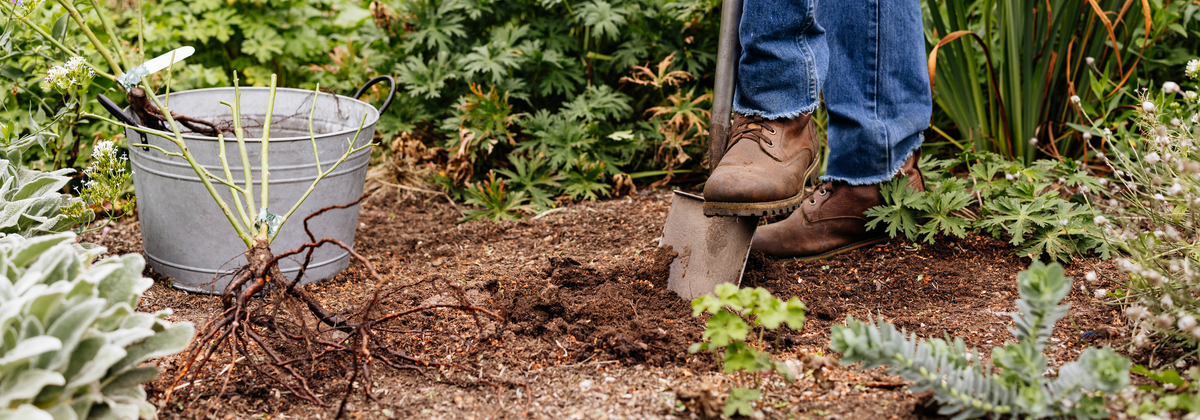
Most roses need at least four to six hours of direct sunlight each day for healthy growth and an abundance of flowers. Choose an open position with good air circulation, which helps foliage dry after rain, but with some shelter from strong winds.
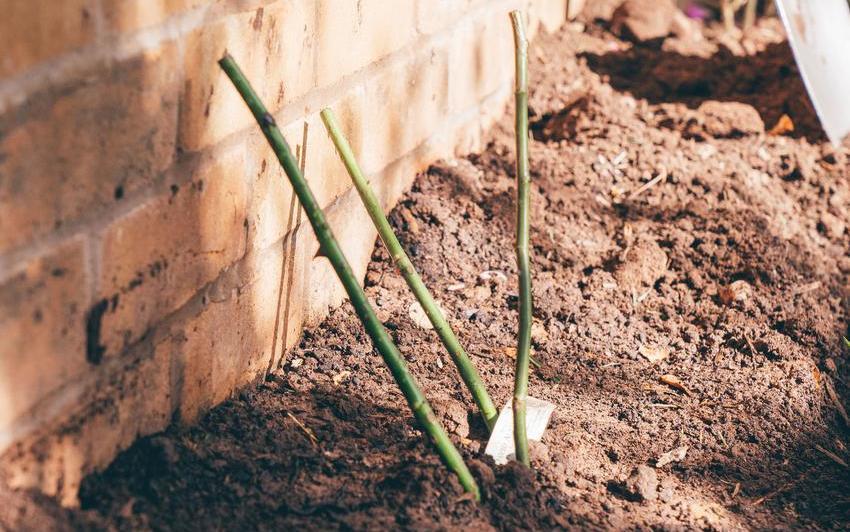
Avoid planting too close to large trees or established hedges, whose roots may compete for moisture and nutrients. If you're planting against a wall or fence, allow approximately 30–45cm between the rose and the structure, as the soil immediately beside it is often dry.
Think, too, about how your rose will look as it matures. A generous shrub rose will appreciate space to develop its natural shape, while a climbing rose can bring colour and fragrance to a wall, fence or arch.
Clear the Ground
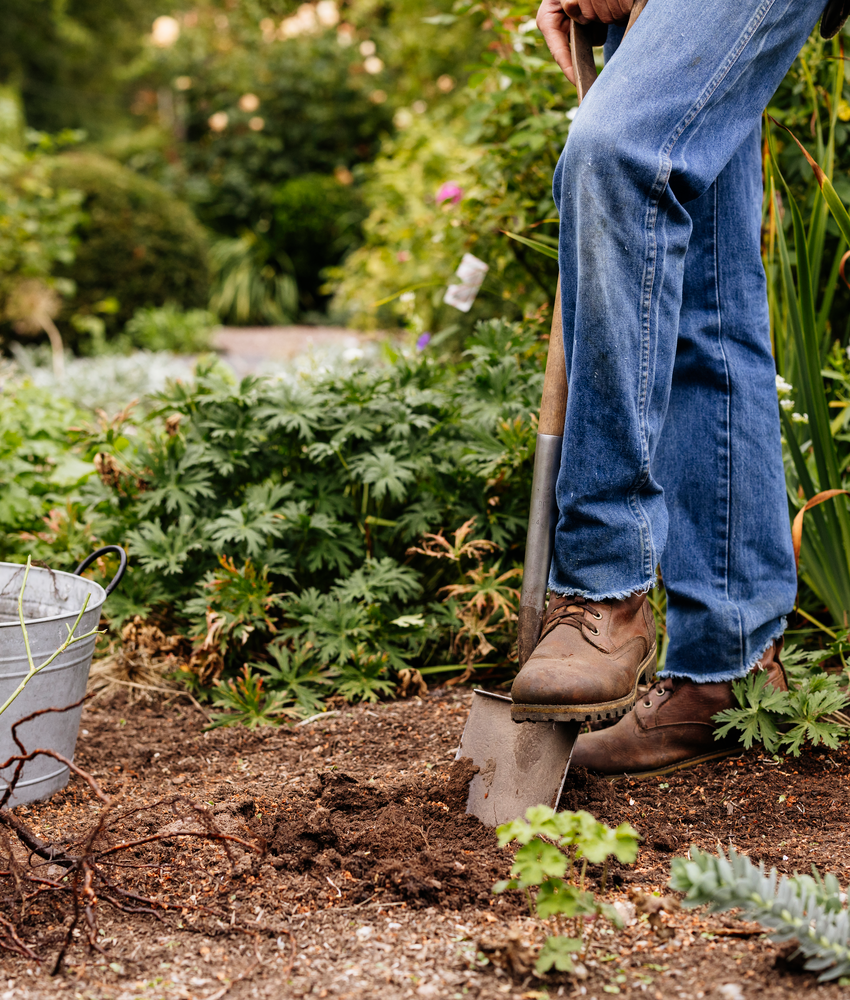
Begin by removing weeds, grass and any unwanted vegetation from the planting area.
Take particular care with perennial weeds such as bindweed, couch grass and ground elder. Removing their roots before planting will help prevent them from competing with your new roses for water and nutrients.
If you're creating a new rose border, it's worth clearing the entire planting area rather than concentrating solely on individual planting holes. This gives developing roots plenty of room to spread and makes future maintenance easier.
Check your drainage
Roses appreciate moisture but prefer soil that drains freely, particularly during the colder months.
If you're unsure how well your soil drains, dig a hole approximately 30cm deep, fill it with water and observe how quickly it drains away. If water remains standing for several hours, your soil may need some attention before planting.
Incorporating well-rotted organic matter can help improve soil structure over time. On particularly heavy or poorly drained ground, a raised bed may provide more suitable growing conditions.
Avoid working the soil when it's excessively wet, as this can cause compaction and damage its natural structure.

Improve the Soil
Roses are wonderfully adaptable and will grow happily in many different soil types, provided the ground is fertile, well-structured and reasonably free-draining.
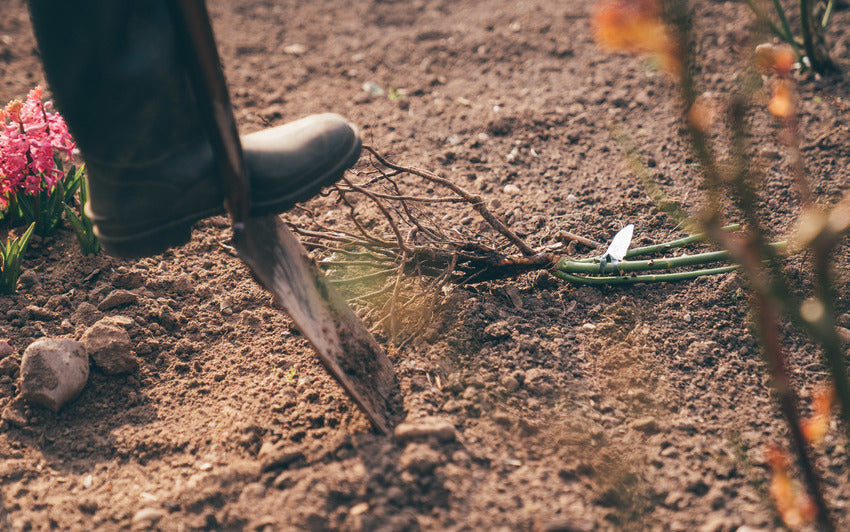
Begin by loosening the soil with a garden fork, breaking up compacted areas to allow the roots to grow freely.
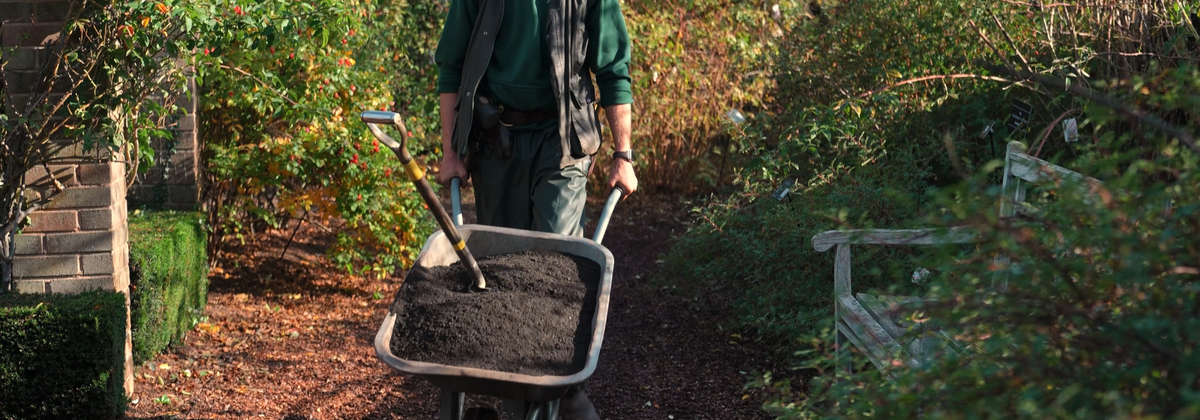
Incorporate well-rotted garden compost or manure into the planting area to enrich the soil and improve its structure.
On lighter, sandy soils, organic matter helps retain moisture and nutrients. On heavier clay soils, it gradually improves the soil's structure and workability.
Always use well-rotted manure rather than fresh manure, which can be too strong for young roots.
Roses generally prefer slightly acidic to neutral soil, although they will tolerate a range of conditions. If you're unsure about your soil, a simple soil test can provide useful guidance.
The important thing is to work with your garden's natural conditions, making improvements where needed to create a welcoming home for your roses.
Preparing a Spot Where Roses Have Grown Before
If you're replacing an older rose or refreshing an established rose border, you can happily plant a new rose in the same position.
The previous rose will have used nutrients from the surrounding soil, so it's important to give your new rose a fresh start.
Remove the old rose and its roots, then replace the soil in the planting hole with fresh, fertile soil from another part of the garden. This will help provide your new rose with the nutrients and growing conditions it needs to establish and flourish.
Plan Your Spacing and Supports
When planning where to plant your roses, consider their eventual size rather than how they look when they first arrive.
As a general guide, allow approximately 60–90cm between most shrub roses, with more space for larger varieties. Always check the recommended spread of your chosen rose, as growth habits can vary considerably.
Giving roses sufficient room allows them to develop their natural shape and encourages good air circulation.
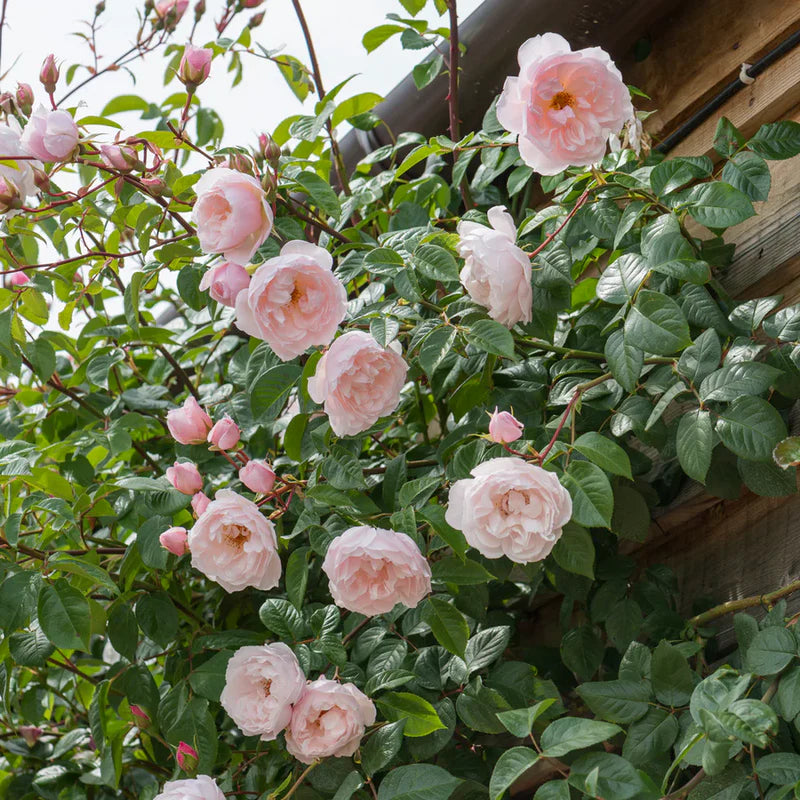
If you're planting climbing or rambling roses, it's worth installing any necessary supports before planting. This avoids disturbing the roots later and allows you to guide new growth as it develops.
For walls and fences, horizontal wires spaced approximately 30–45cm apart provide a useful framework for training climbing roses. Position the wires slightly away from the wall to allow air to circulate behind the stems.
Have Everything Ready for Planting Day
One of the pleasures of planting bare root roses is how little equipment is needed.
With your planting area prepared, gather a few essentials so everything is close to hand when your roses arrive.
A sturdy spade and garden fork will help with digging and preparing the soil, while a watering can or hose is useful for settling the soil around newly planted roots.
You may also wish to have a bucket ready for rehydrating the roots, along with well-rotted compost or mulch to apply after planting.
We also recommend using our mycorrhizal fungi when planting your roses. Applied directly to the roots at planting time, these beneficial fungi form a natural association with the root system, helping the rose access water and nutrients from the surrounding soil.
Having everything ready makes planting day a relaxed and enjoyable experience, leaving you free to concentrate on giving each rose the care it deserves.
When Your Roses Arrive
When your bare root roses arrive, unpack them promptly and check that the roots are in good condition. Before planting, soak the roots in a bucket of water for at least two hours to rehydrate them after their journey.
Once soaked, your roses are ready to plant, provided the ground is not frozen or waterlogged.
If you aren't able to plant straight away, keep the roots protected and follow our advice in What to Do If You Can't Plant Your Bare Root Roses Straight Away.
When you're ready to plant, our How to Plant Bare Root Roses guides will take you through each stage, including planting depth, positioning the roots and watering in.

Looking Forward to a Garden Full of Roses
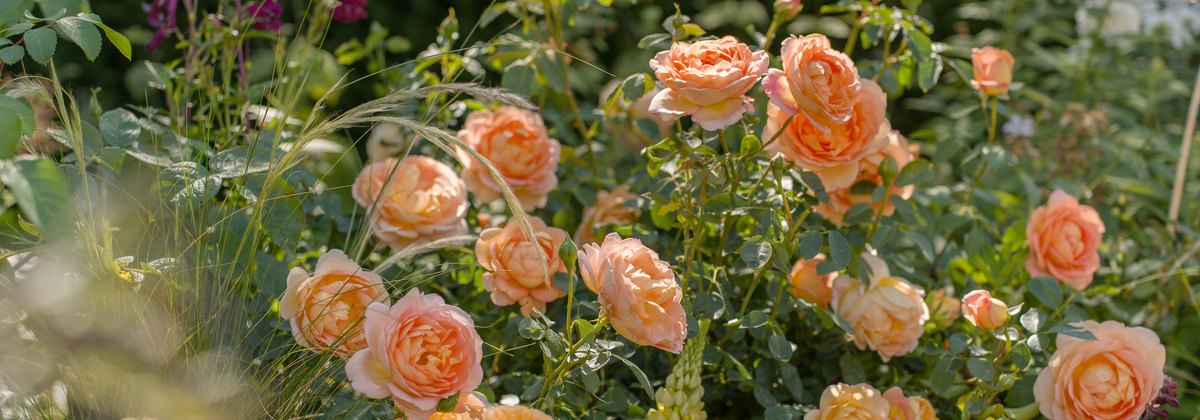
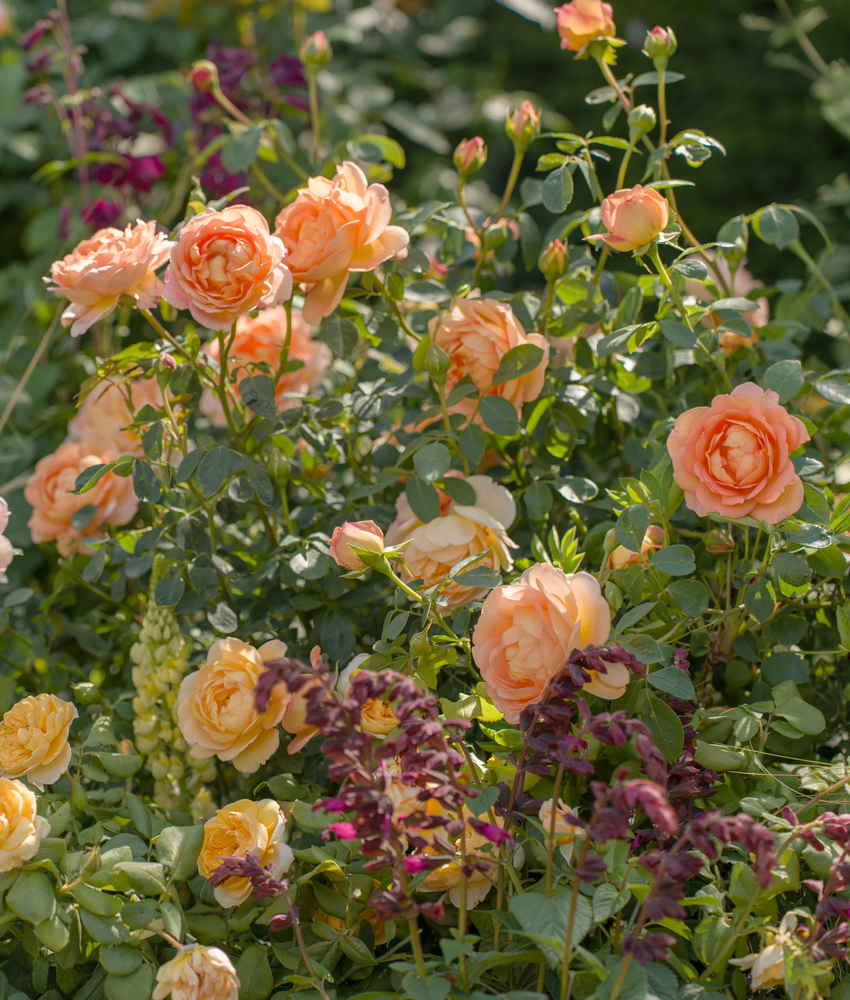
One of the loveliest things about bare root season is the opportunity to imagine the garden in the months and years ahead.
Perhaps you're planning a border filled with beautifully scented shrub roses, a climbing rose to frame a doorway or a rambling rose to bring a touch of romance to an old garden wall.
You might be introducing a much-loved favourite or discovering a new variety whose flowers, fragrance or character has captured your imagination.
Whatever your plans, the quieter months of the year are a wonderful time to begin.
With a little thoughtful preparation and care, your bare root roses will have the opportunity to establish strong roots and reward you with beautiful flowers for many seasons to come.
Explore our collection of bare root roses and find something beautiful for your garden.
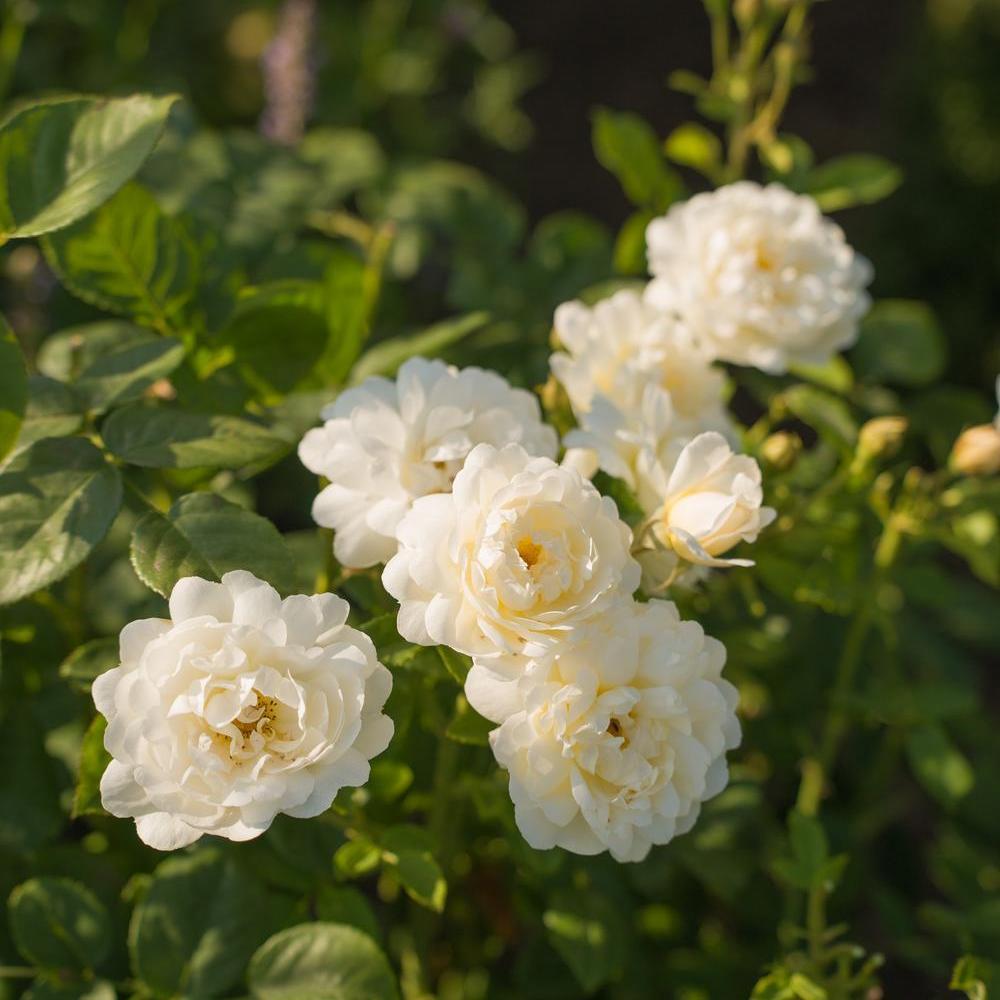
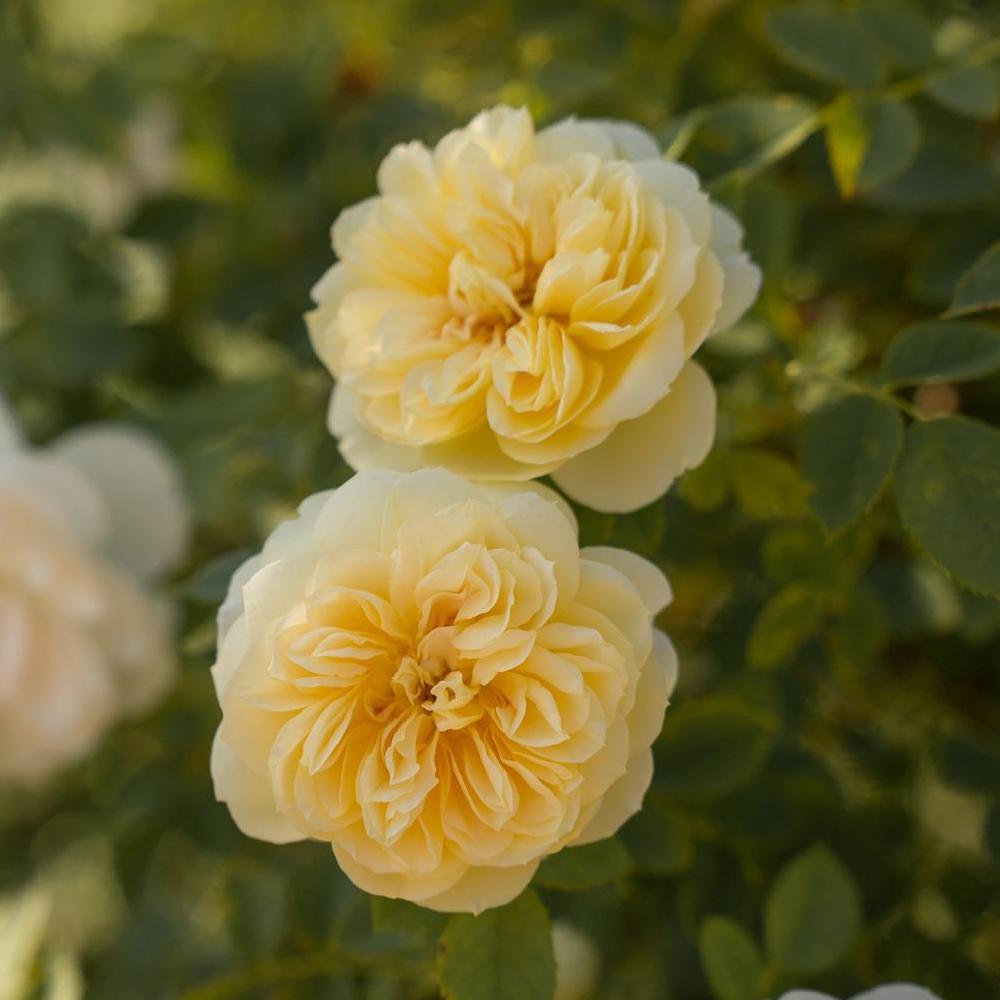
You can prepare the ground whenever it suits you, whether that's several weeks before your roses arrive or on planting day itself. The important thing is to ensure the soil is workable, free from weeds and ready to welcome your new roses.
Yes, you can plant a new rose in the same position as an old one. Simply remove the old rose and replace the soil in the planting hole with fresh, fertile soil from elsewhere in the garden. This will help give your new rose the best possible start.
Yes. Clay soil naturally retains moisture and nutrients, and many roses thrive in it. Incorporating well-rotted organic matter can help improve its structure and drainage over time. Avoid working clay soil when it's very wet.
Yes. Winter is a wonderful time to prepare for bare rootplanting, provided the soil is workable. Avoid digging when the ground isfrozen or excessively wet, as this can damage its structure.
-
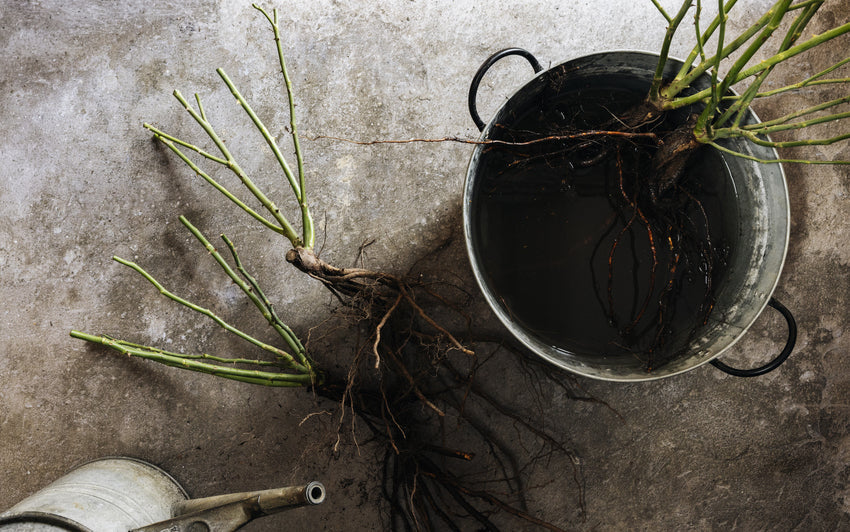
The Rose Year BeginsAutumn brings a distinct richness that invites us to slow down and notice the changes. Leaves turn shades of amber and gold, while the lower, softer light catches the borders in the late afternoon. As cooler mornings bring heavy dew and that unmistakable, earthy scent of damp soil, the garden gradually settles down for the season.
-
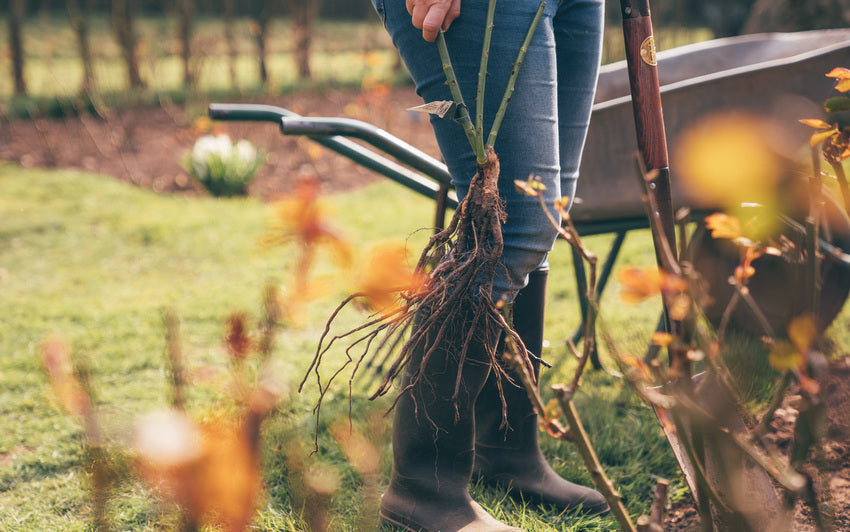
Planting Bare Root Roses: Step-by-Step for Garden and PotsBare root roses arrive simply, as stems and roots, quietly waiting for the garden to bring them to life. With care, they can transform into lush, flowering plants, filling a garden with colour, fragrance, and presence. Affordable, easy to handle, and a traditional favourite among gardeners, they offer both charm and reward.
-
Planting Bare Root Climbing and Rambler Roses in the Ground: Step-by-StepBare root climbing and rambling roses bring both structure and romance to the garden, offering a traditional and sustainable way to cover walls, fences, and arches with abundant blooms. Planted between autumn and early spring, these roses establish naturally through the cooler months, ready to send out vigorous new shoots when warmth returns. With a little preparation and care, they will reward you for many years with graceful growth and exquisite fragrance.
-
Planting Bare Root Shrub Roses in a Pot: Step-by-StepBare root shrub roses are a perfect choice for growing in containers, offering beautiful, bushy growth and abundant, fragrant blooms throughout the summer and into autumn. Planting them in a pot allows gardeners without a garden bed to enjoy the elegance of English Roses, while giving the plant the freedom to establish strong roots in a controlled environment. By following a few careful steps, your rose will settle naturally and flourish for years to come.

-
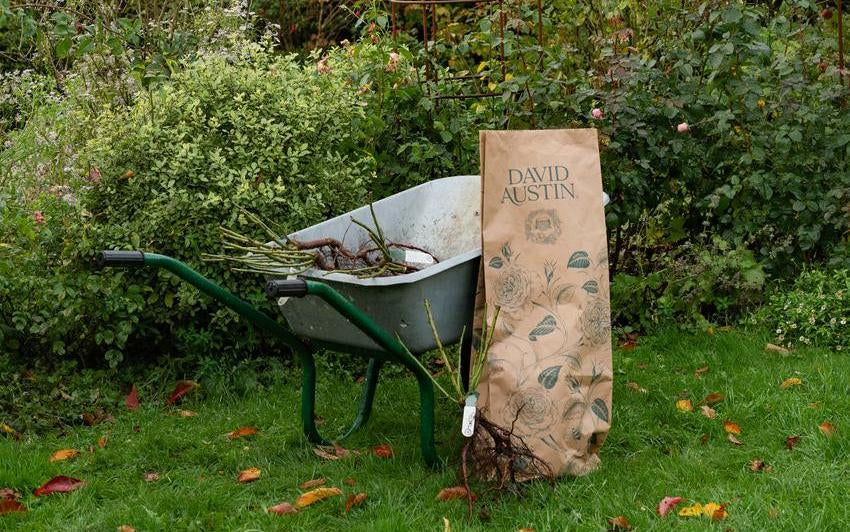
Bare Root or Potted? Why Our Roses Come Two WaysAcross the year, you'll find two different forms of David Austin® rose available. For much of the year, our potted roses are ready and waiting, cut back and dormant during the cooler months, in leaf and growth through the warmer ones. Then, once the growing season draws to a close, our bare root roses come into their own, dug fresh from the field and sent out while fully dormant, just as English roses have been grown and shared for generations.
-
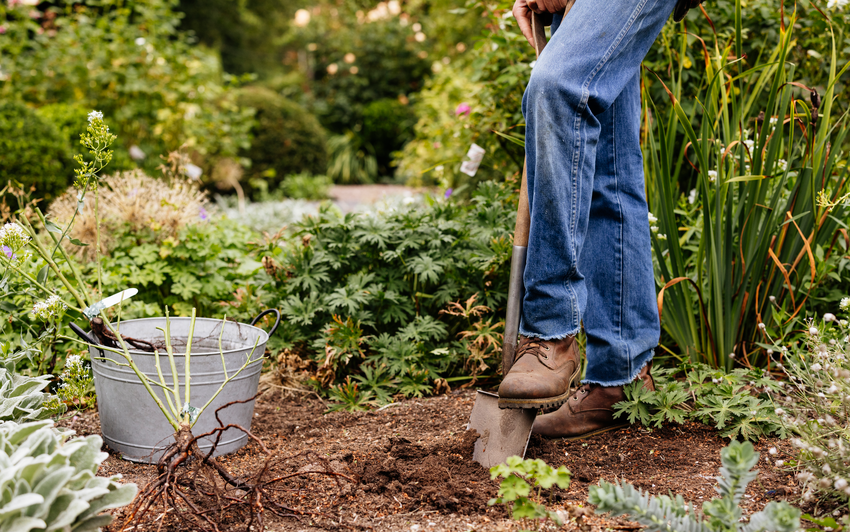
Get Your Garden Ready for Bare Root Rose SeasonBare root rose season runs from November to April, making the cooler months a lovely time to introduce new roses to your garden. Whether you're planning a new border, adding to an existing collection or planting a climbing rose against a favourite wall, there is plenty to look forward to.
-
Bare Root or Potted? Why Our Roses Come Two WaysAcross the year, you'll find two different forms of David Austin® rose available. For much of the year, our potted roses are ready and waiting, cut back and dormant during the cooler months, in leaf and growth through the warmer ones. Then, once the growing season draws to a close, our bare root roses come into their own, dug fresh from the field and sent out while fully dormant, just as English roses have been grown and shared for generations.
-
Planting Bare Root Roses: Step-by-Step for Garden and PotsBare root roses arrive simply, as stems and roots, quietly waiting for the garden to bring them to life. With care, they can transform into lush, flowering plants, filling a garden with colour, fragrance, and presence. Affordable, easy to handle, and a traditional favourite among gardeners, they offer both charm and reward.
-
Planting Bare Root Climbing and Rambler Roses in the Ground: Step-by-StepBare root climbing and rambling roses bring both structure and romance to the garden, offering a traditional and sustainable way to cover walls, fences, and arches with abundant blooms. Planted between autumn and early spring, these roses establish naturally through the cooler months, ready to send out vigorous new shoots when warmth returns. With a little preparation and care, they will reward you for many years with graceful growth and exquisite fragrance.
-
Planting Bare Root Shrub Roses in a Pot: Step-by-StepBare root shrub roses are a perfect choice for growing in containers, offering beautiful, bushy growth and abundant, fragrant blooms throughout the summer and into autumn. Planting them in a pot allows gardeners without a garden bed to enjoy the elegance of English Roses, while giving the plant the freedom to establish strong roots in a controlled environment. By following a few careful steps, your rose will settle naturally and flourish for years to come.
-
Planting Bare Root Shrub Roses in the Ground: Step-by-StepBare root shrub roses are a gardener’s delight, offering a traditional, sustainable, and rewarding way to add colour and fragrance to your garden. Delivered simply as stems and roots, they are designed to work in harmony with the seasons. Planted in autumn through to spring, they settle naturally into the soil over the colder months, ready to burst into life and reward you with blooms the following year. Easy to handle, they are a dependable choice for both new and experienced gardeners.