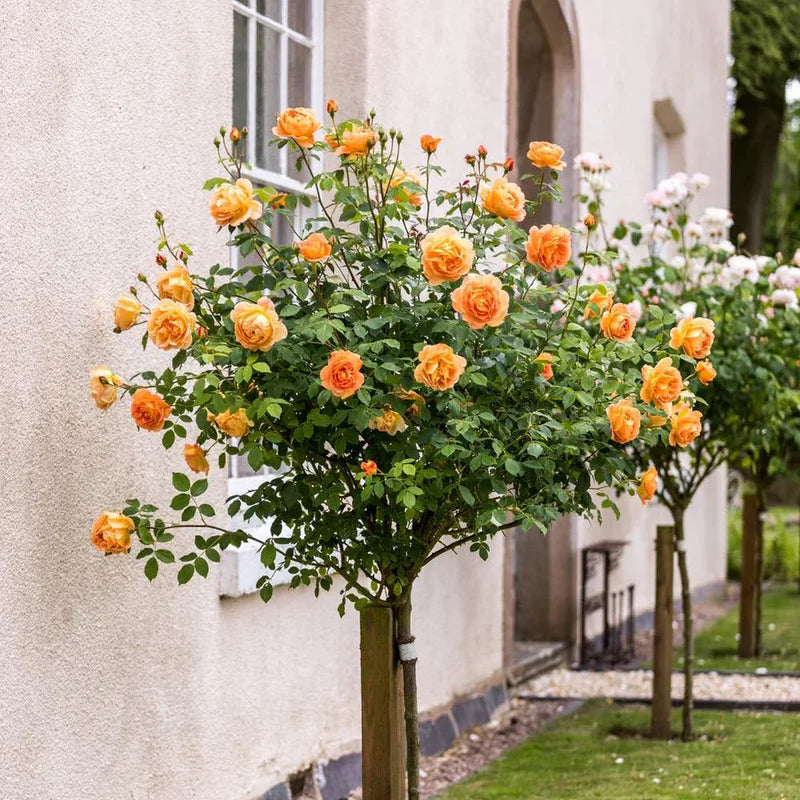

Winter is often mistaken for an ending. Beds are bare, borders are quiet, and the garden appears to have paused. Yet for roses, winter is not an absence of growth but the moment when everything important begins. Beneath the soil and within each stem, the foundations of the coming year are already being laid.
The strongest, most enduring rose gardens are shaped in winter. Not through haste or heavy intervention, but through careful preparation, thoughtful planting and an understanding of the rose’s natural rhythm.
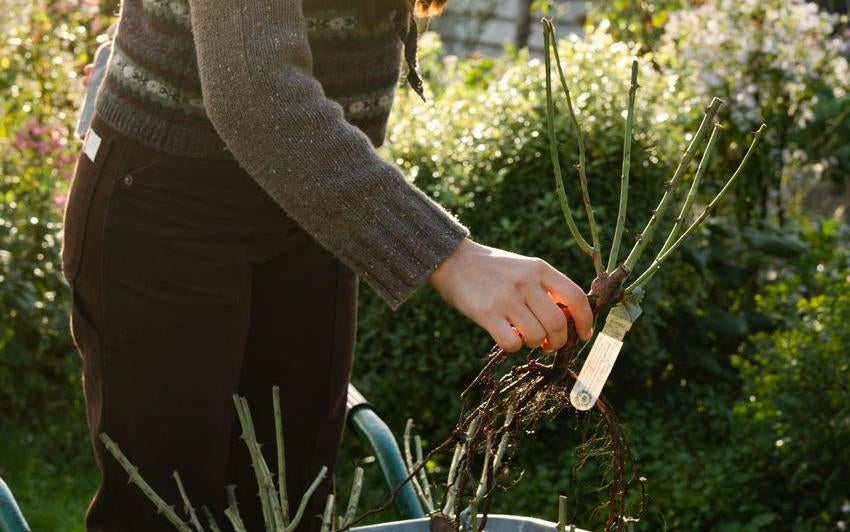
When roses are dormant, their energy is directed inward. Above ground, growth has slowed, but below ground the roots remain quietly active whenever the soil is workable. This is why winter is the ideal time to plant bare root roses.
Planted in winter, roses have time to settle into their new position without the pressure of producing leaves or flowers. Roots extend gradually into the surrounding soil, anchoring the plant and building resilience before spring growth begins. When warmer weather arrives, the rose is already established and ready to respond with strength.
Spring-planted roses can still thrive, but winter-planted roses almost always start ahead.
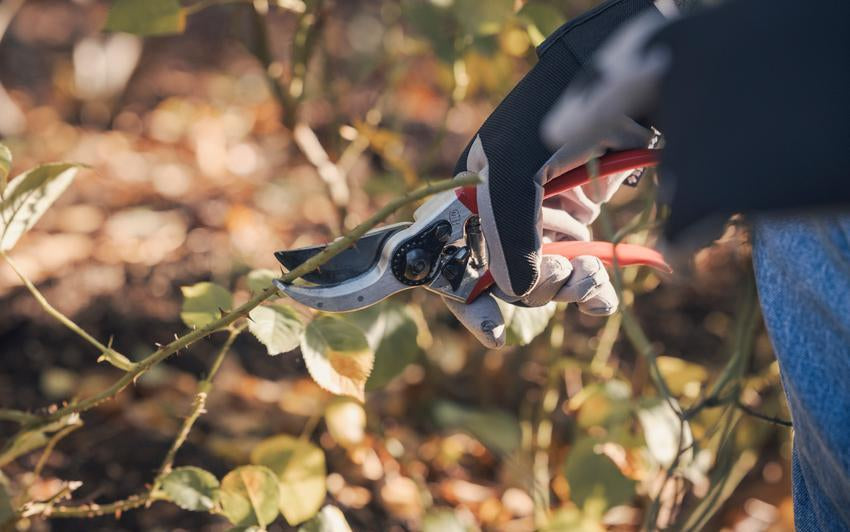
In winter, roses stand revealed. Without foliage, their structure is easy to read. This clarity allows you to prune with purpose, removing weak or crossing stems and shaping the plant for the season ahead.
Winter pruning is not about forcing growth but about guiding it. A well-pruned rose receives light and air evenly, reducing disease and encouraging strong, balanced flowering later in the year. The decisions made now determine not only how a rose flowers, but how it holds itself in the garden.
A rose shaped well in winter carries that form gracefully through the seasons.
Winter offers the best opportunity to improve soil without disturbing active growth. Mulching during the colder months protects the crown from temperature fluctuations, retains moisture and slowly improves soil structure as organic matter breaks down.
This quiet work feeds the soil itself, supporting the microbial life that roses depend on. By the time spring arrives, the ground is richer, more stable and better able to support healthy growth.
Good soil is not made in a moment. Winter allows it to be built steadily and well.

Winter invites reflection. Without the distractions of active growth, it becomes easier to see the shape of the garden and imagine what it could become. This is the season to consider spacing, repetition and balance.
Roses planted in groups or repeated through a border create cohesion and rhythm. Winter planning allows time to choose varieties that suit the space, whether planting a single focal rose or building a garden around several.
Decisions made now are rarely rushed, and roses benefit from that restraint.
Buy 3+ of the same rose for 10% off
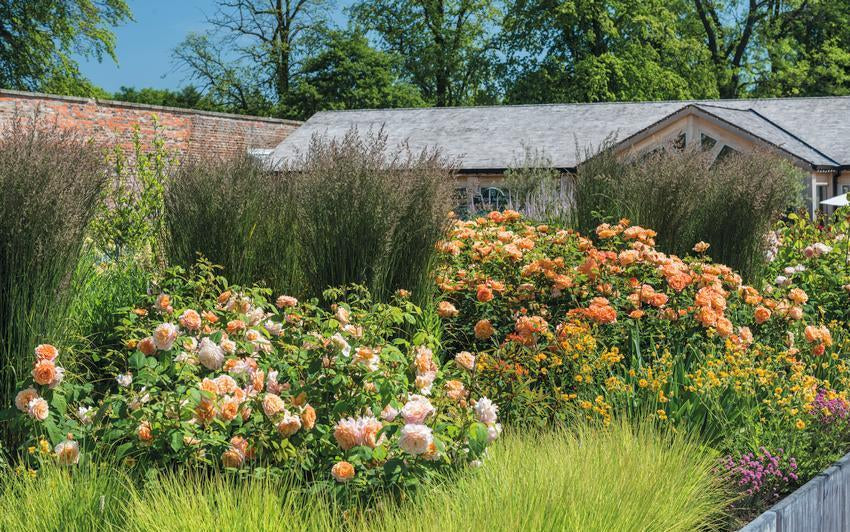
Roses are not fragile plants. They have been bred and selected over centuries to withstand cold, frost and periods of hardship. Dormancy is part of their strength. Allowing roses to experience winter fully helps regulate their growth cycle and encourages healthier performance in the long term.
Protecting roses does not mean sheltering them from winter altogether. It means working with the season rather than against it.
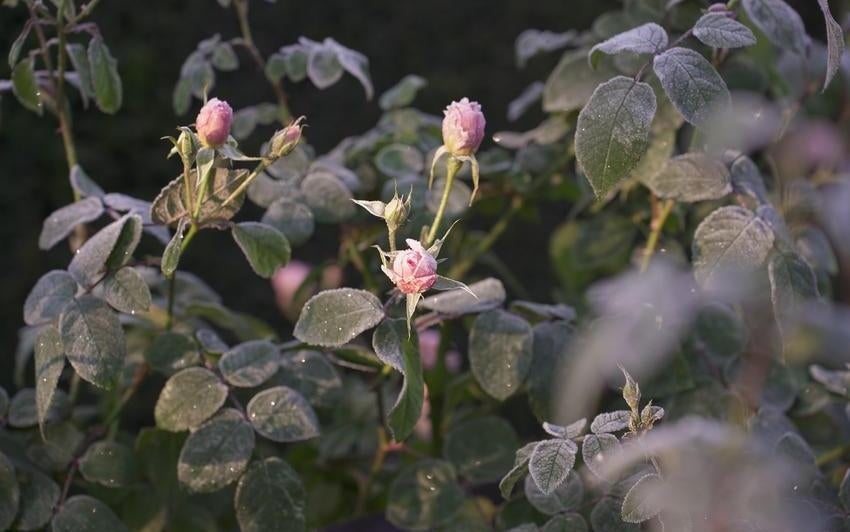
When spring arrives, the garden responds quickly. Buds swell, leaves unfurl and growth accelerates. At that point, much of the work has already been done. Roots are settled. Soil is prepared. Structure is in place.
The success seen in spring and summer is the result of winter decisions.
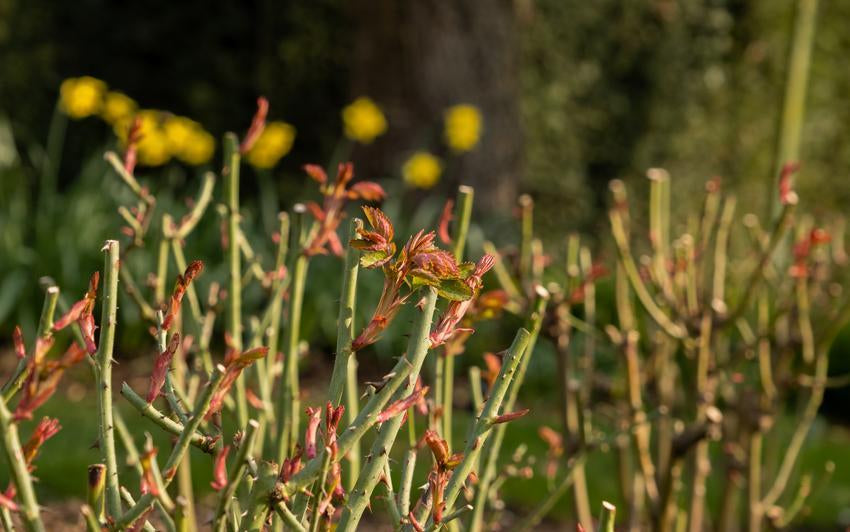
The best rose gardens are not built in haste. They begin with patience, preparation and an understanding of timing. Winter provides the space to do this well. By planting, pruning and preparing during the quietest season, you give roses the conditions they need to thrive for years to come. What appears still and dormant is, in truth, full of promise.
The finest displays of summer often begin in the coldest months of the year.


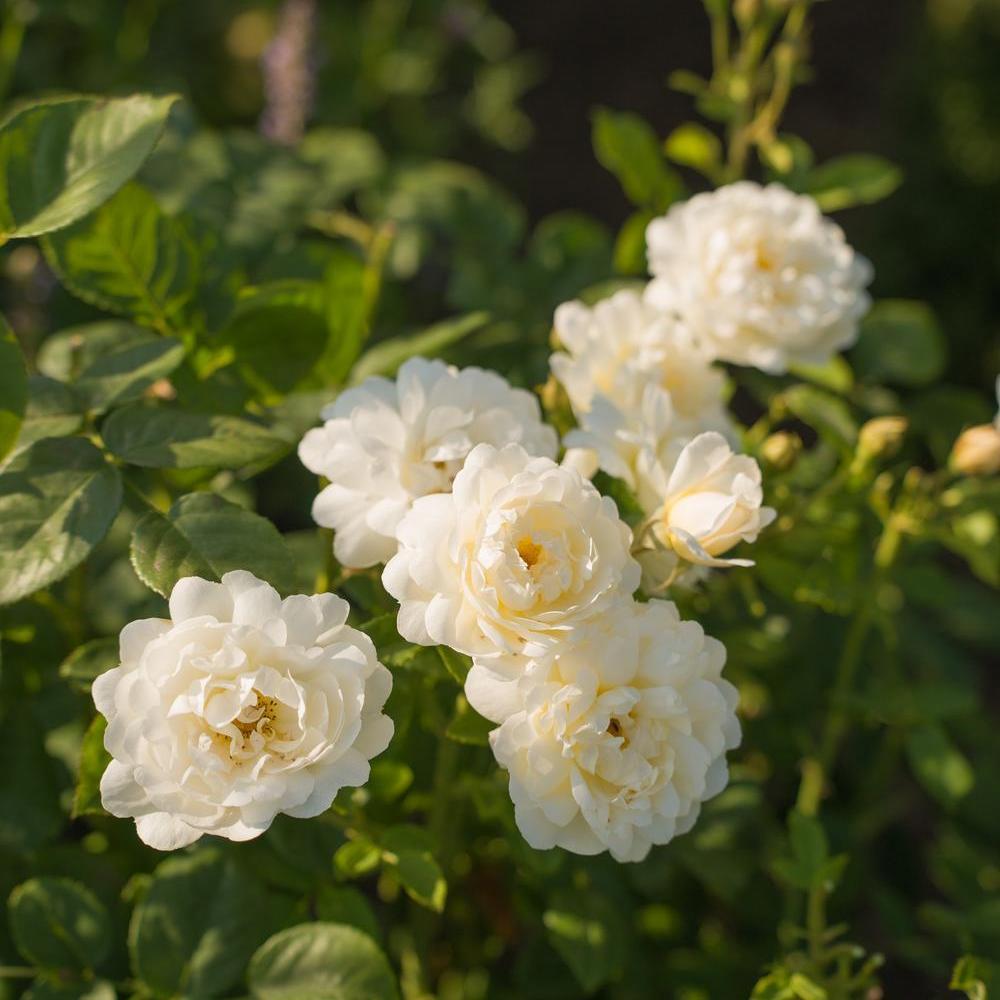
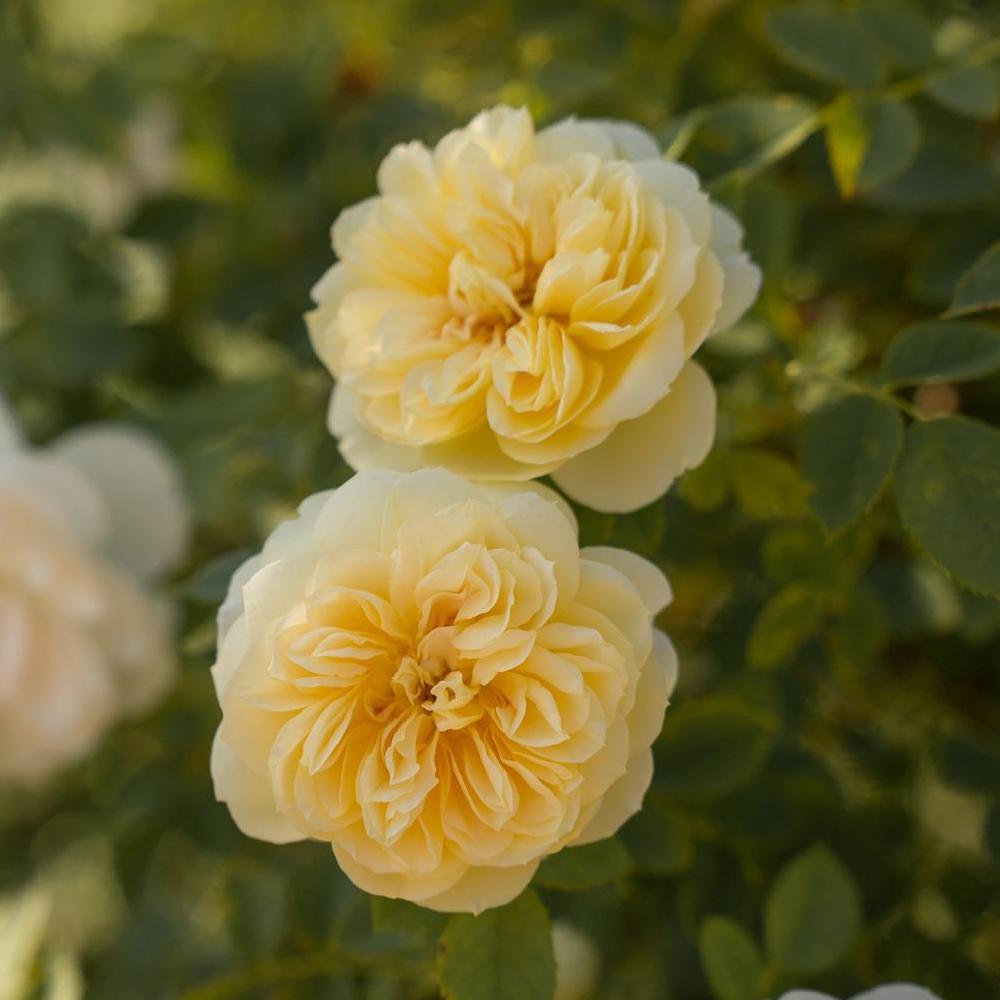
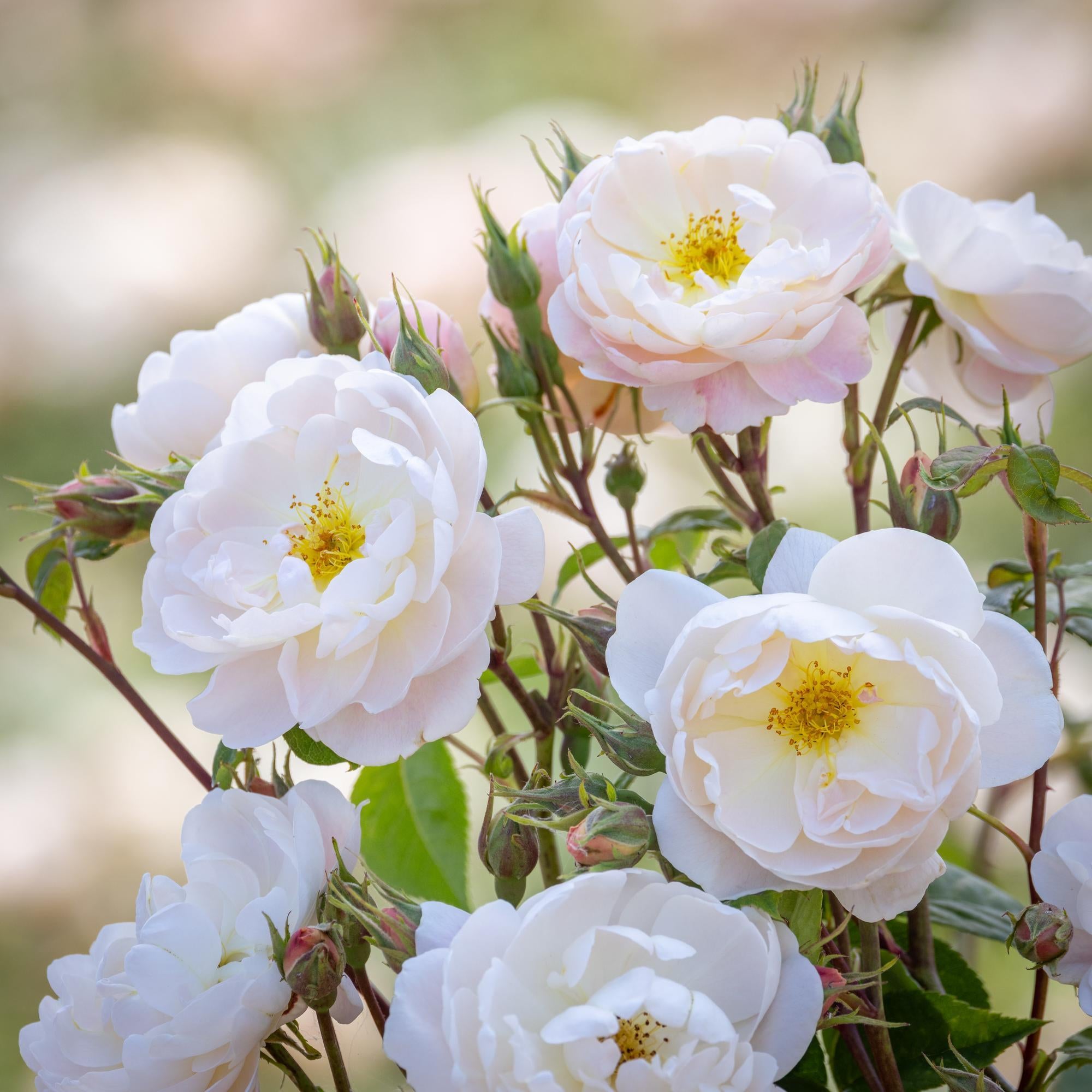 New This YearThe Last Bloom Last BloomMost of our roses have now been cut back for winter. But we’ve held back a limited selection, hand-picked from our fields with buds and blooms still to come. Plant them now and enjoy a final flourish of colour before winter arrives.Sir David BeckhamEnglish Shrub Rose£27.50 - £38.50Fragrance strength
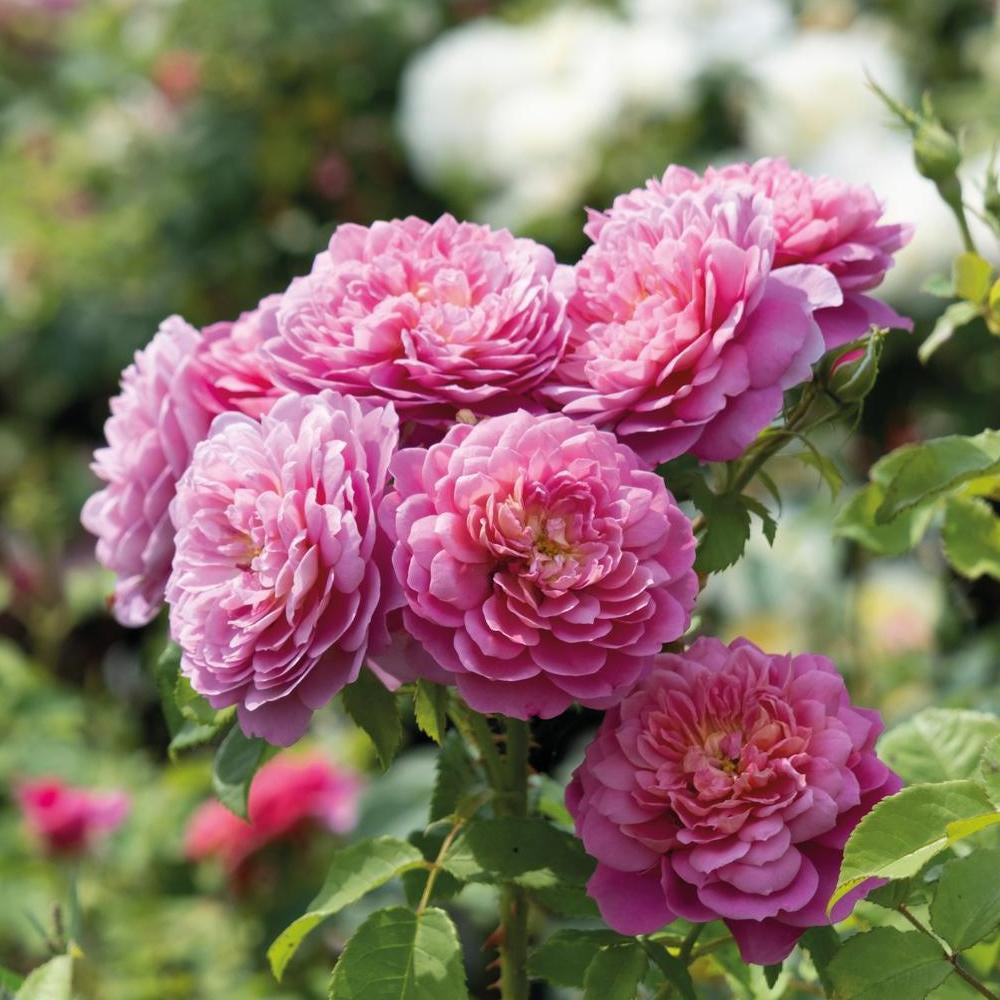 The Last Bloom Last BloomMost of our roses have now been cut back for winter. But we’ve held back a limited selection, hand-picked from our fields with buds and blooms still to come. Plant them now and enjoy a final flourish of colour before winter arrives.Emma Bridgewater®English Shrub Rose£24.00 - £35.00Fragrance strength
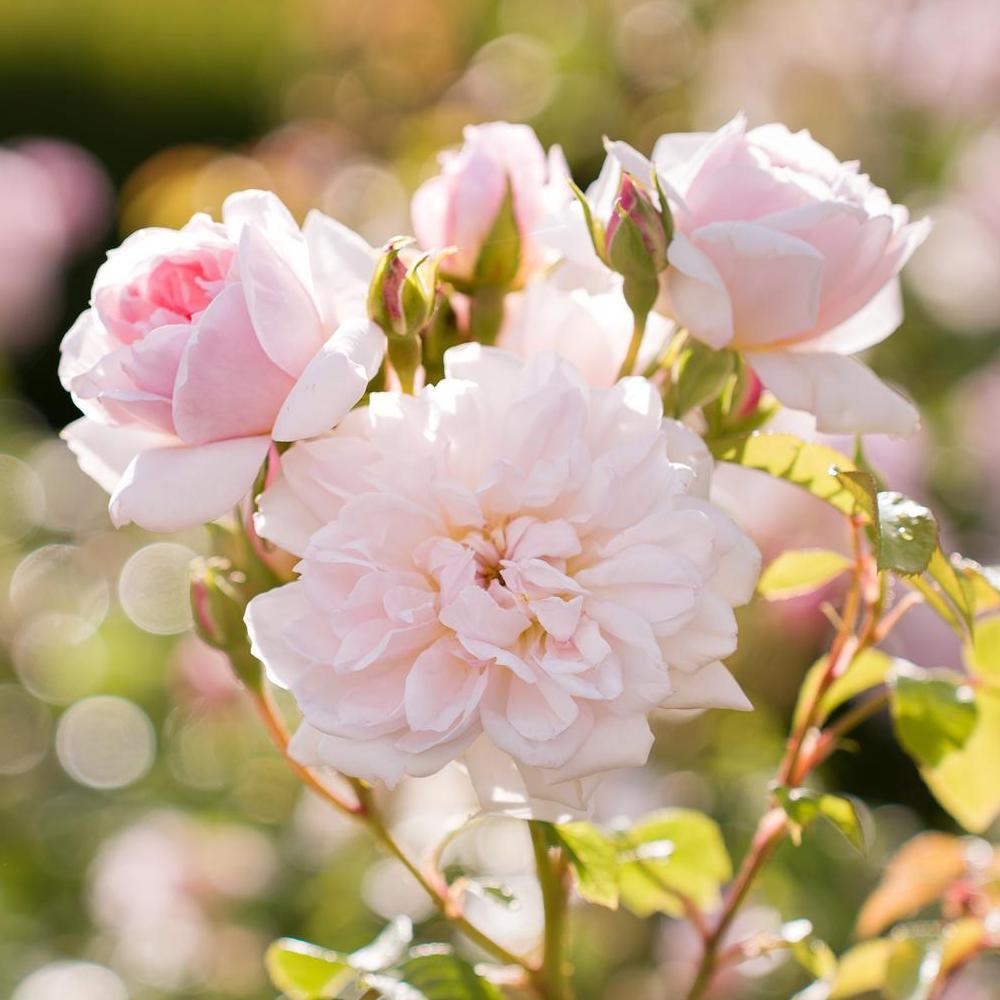 The Last Bloom Last BloomMost of our roses have now been cut back for winter. But we’ve held back a limited selection, hand-picked from our fields with buds and blooms still to come. Plant them now and enjoy a final flourish of colour before winter arrives.Elizabeth®English Shrub Rose£24.00 - £35.00Fragrance strength
-
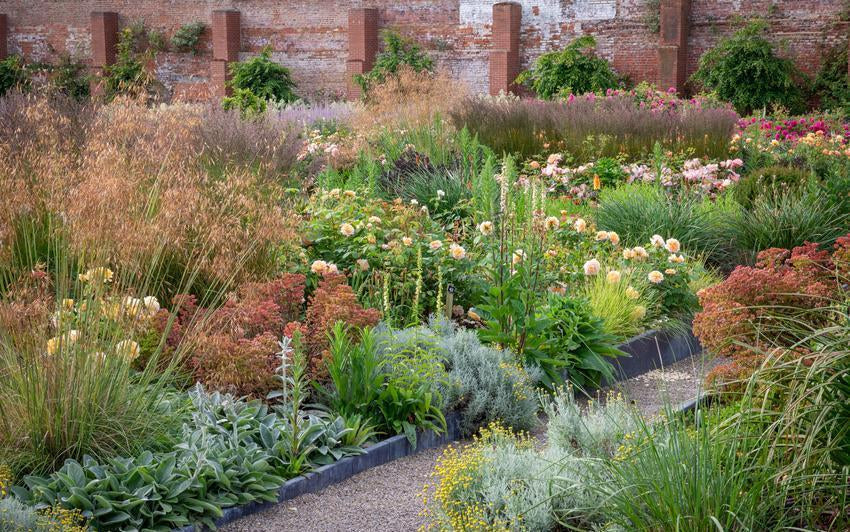
What to Plant with English Roses for Autumn ColourBy the end of September, the rose garden is changing. The exuberance of summer is giving way to a slower rhythm, and many English Roses are setting hips, their once-constant flowers replaced by clusters of glowing fruit. Yet the borders need not feel diminished. With the right companions, roses can be framed and supported so that the garden still sings with colour, texture and grace well into October and beyond.
-
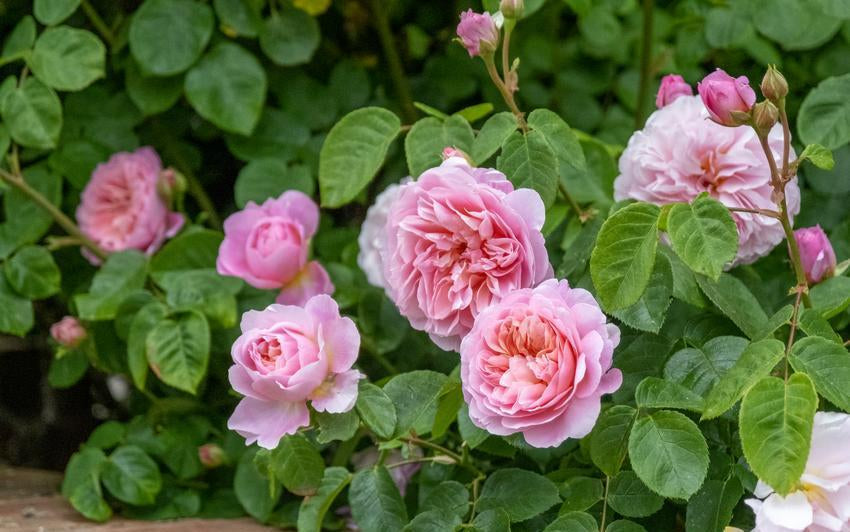
Roses with Large Blooms: Varieties for Garden ImpactA rose in full flower can transform a garden. Large, many-petalled blooms draw the eye through a border, bring colour to a quiet corner or create a beautiful focal point when grown in a pot.
-
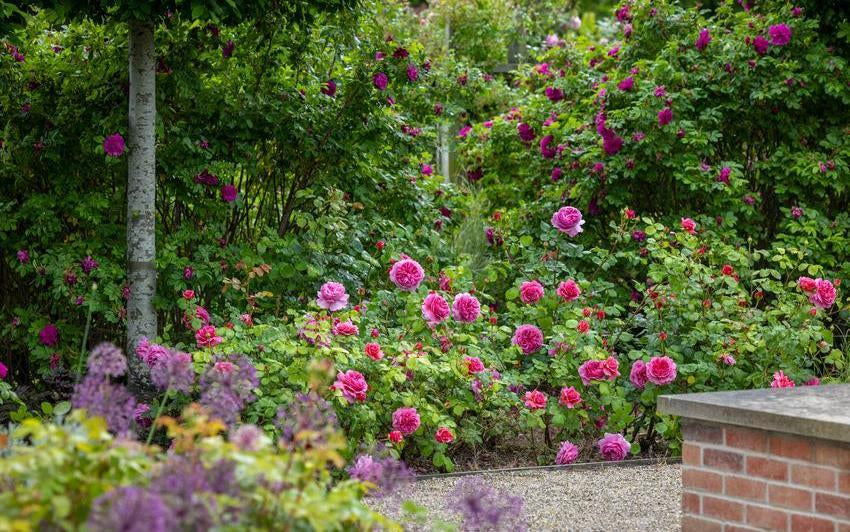
Best Fragrant Roses for Autumn: Scent and Colour Beyond SummerThe fragrance of a rose is never quite fixed. Temperature, humidity, time of day and even the stage of the flower can all influence how its scent is released and experienced. As the warmth of summer begins to soften into autumn, cooler mornings and greater moisture in the air create different conditions for fragrance, and a familiar rose can reveal itself in a rather different way.
-
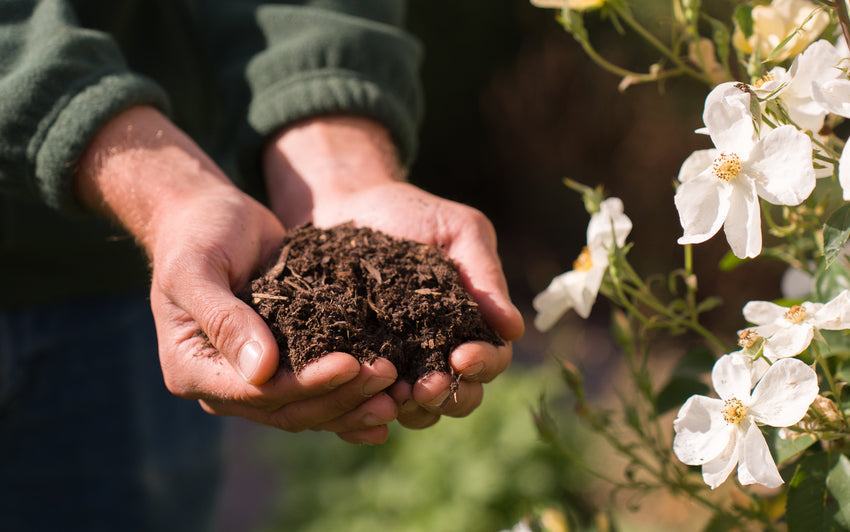
Growing Beautiful Roses, Without PeatGrowing without peat is a change many gardeners are becoming familiar with. Peat-free compost behaves a little differently from traditional compost, so it is quite natural to wonder whether your roses will grow and flower just as beautifully.
-
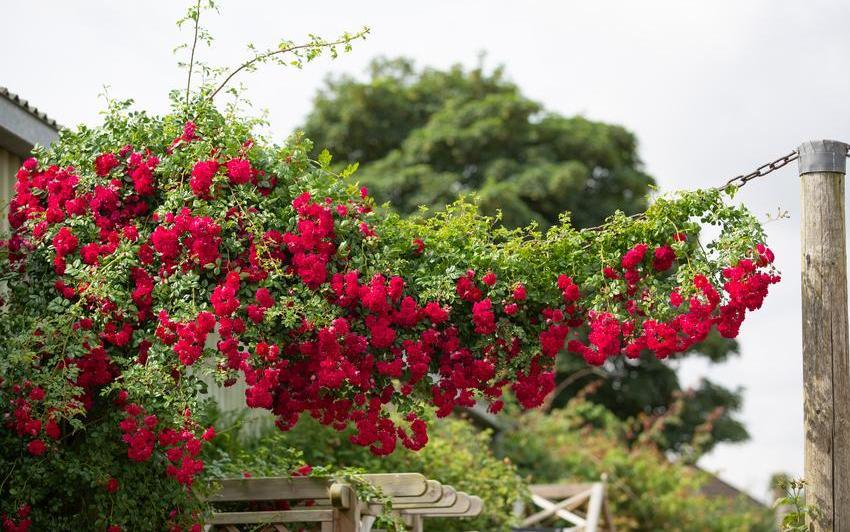
Using Red Roses to Bring Richness and Depth to the GardenA red rose has a wonderfully compelling presence in the garden. Amongst a sea of green, even a glimpse of crimson catches the eye, drawing you closer for another look. Red can sometimes have a reputation for being difficult to use, particularly alongside softer colours. Yet the palette is far more varied than we might first imagine. From clear crimson to deep, velvety tones, red roses can bring warmth, richness and depth to a garden without overwhelming it.
-
Roses for the Last Night of the PromsThere are few evenings quite like the Last Night of the Proms. Familiar melodies fill the Royal Albert Hall, the audience joins in and music heard and loved for generations is given fresh life once more. This year’s programme got us thinking about the curious connections between music, stories and the names of some of our roses. From Elgar and the Malvern Hills to Britain’s long relationship with the sea, each offers a thread to follow from the concert hall into the garden.