


Finding the Right Rose for Your Garden: Choosing the Perfect Spot
(Part One)
Choosing a rose is one of the quiet pleasures of gardening. Over the coming weeks, we will be sharing a series of articles looking at some of the simple things that can help when choosing the right rose for your garden.
Whether it is your very first rose or another addition to a well-loved border, the number of varieties available can feel a little daunting at first. Taking a moment to consider a few practical points can make the choice much easier and help you find a rose that feels perfectly suited to your space.
Before thinking about colour or fragrance, it helps to begin with something more fundamental: the place itself.
A rose will always do best when it is planted where the conditions suit it. Taking a little time to observe the position, its light, space, soil and exposure, will do more for long-term success than almost anything else.
Sunlight
Light is essential to a rose’s performance. Most roses require a minimum of four hours of direct sunlight each day to flower and grow well. In general, more sun encourages stronger growth and a greater abundance of blooms.
A position that receives morning sun is particularly helpful, allowing foliage to dry quickly after dew or rain. Deeply shaded areas often result in fewer flowers and softer, less vigorous stems.
Space
It is wise to think beyond the rose’s size at planting. A young plant may appear compact, yet maturity reveals its true shape and presence.
Imagine the rose several seasons from now, considering both height and spread. Allow enough room for air to circulate freely around the plant, which supports healthy growth. Avoid crowding roses too closely beside large shrubs or trees, where competition for moisture and nutrients may restrict development.
Space is rarely wasted in a rose garden. It is an investment in balance and longevity.
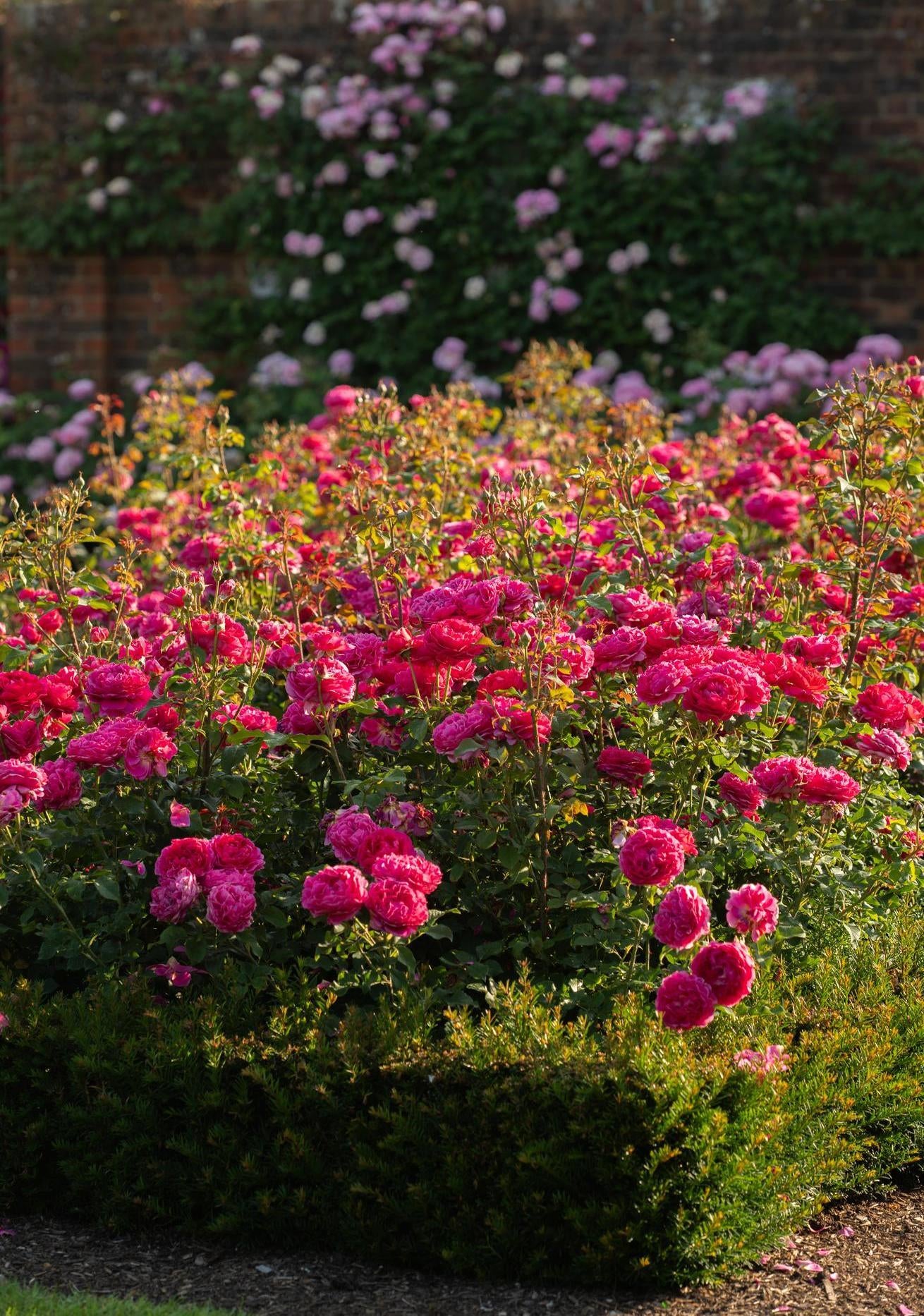

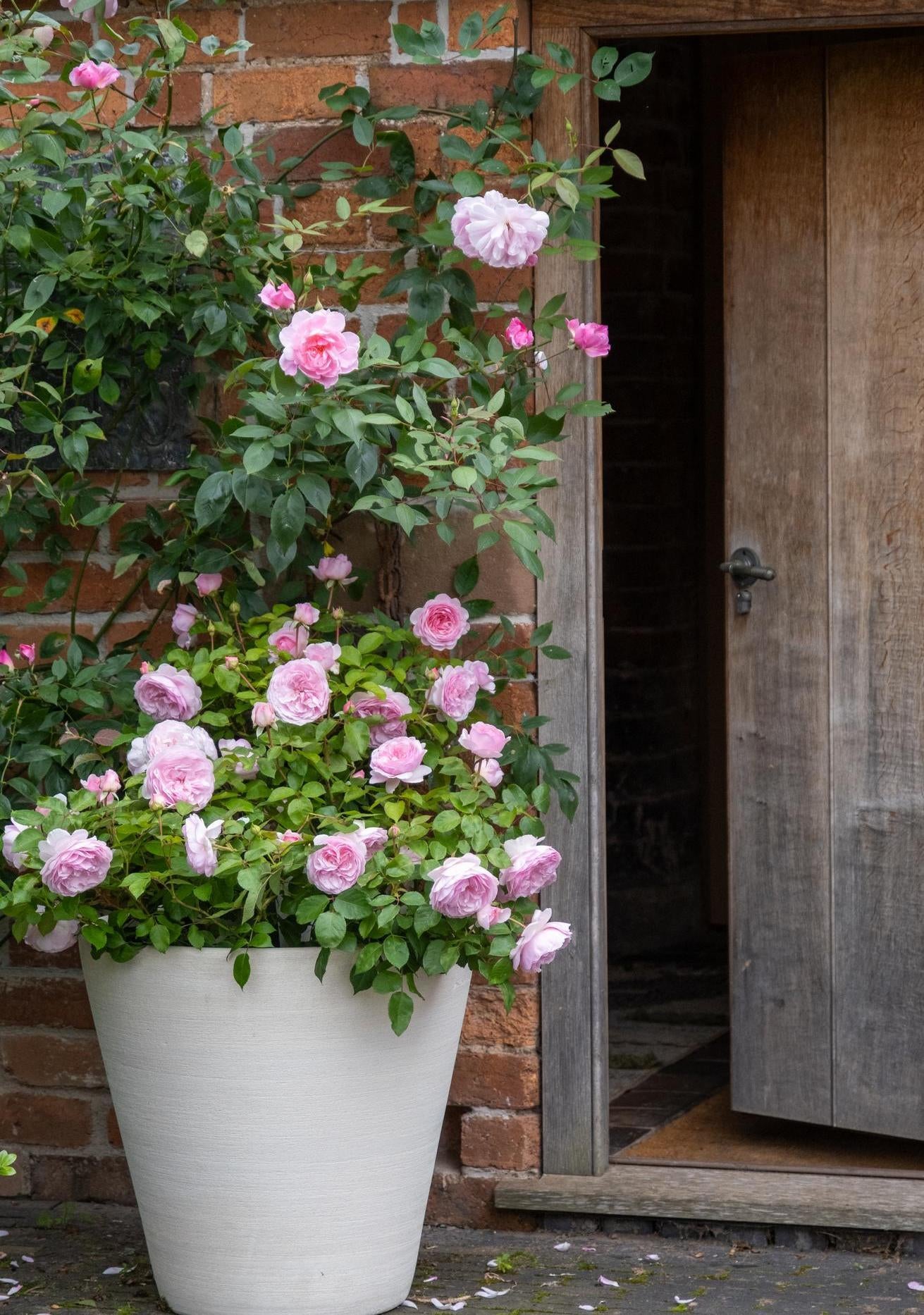

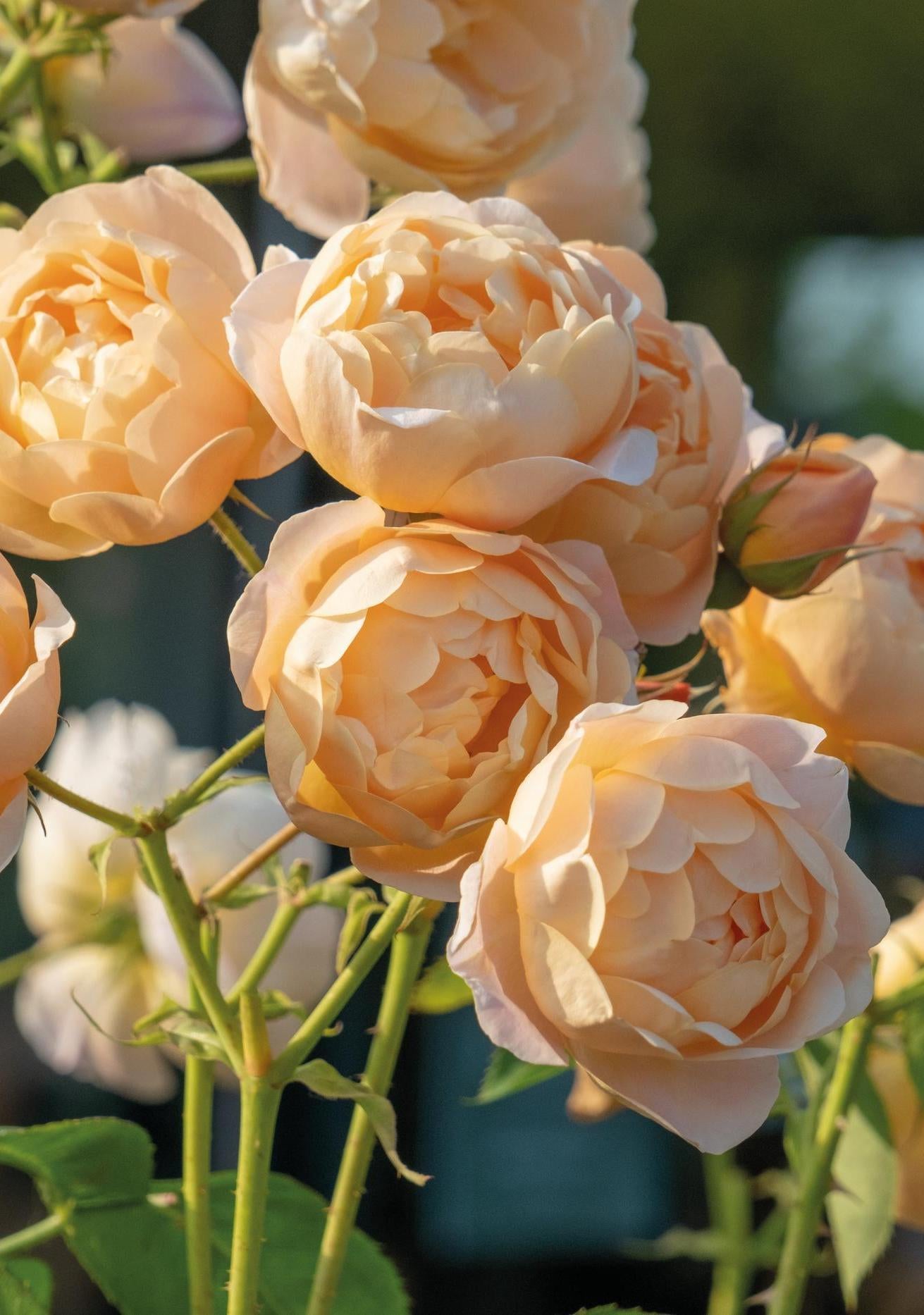

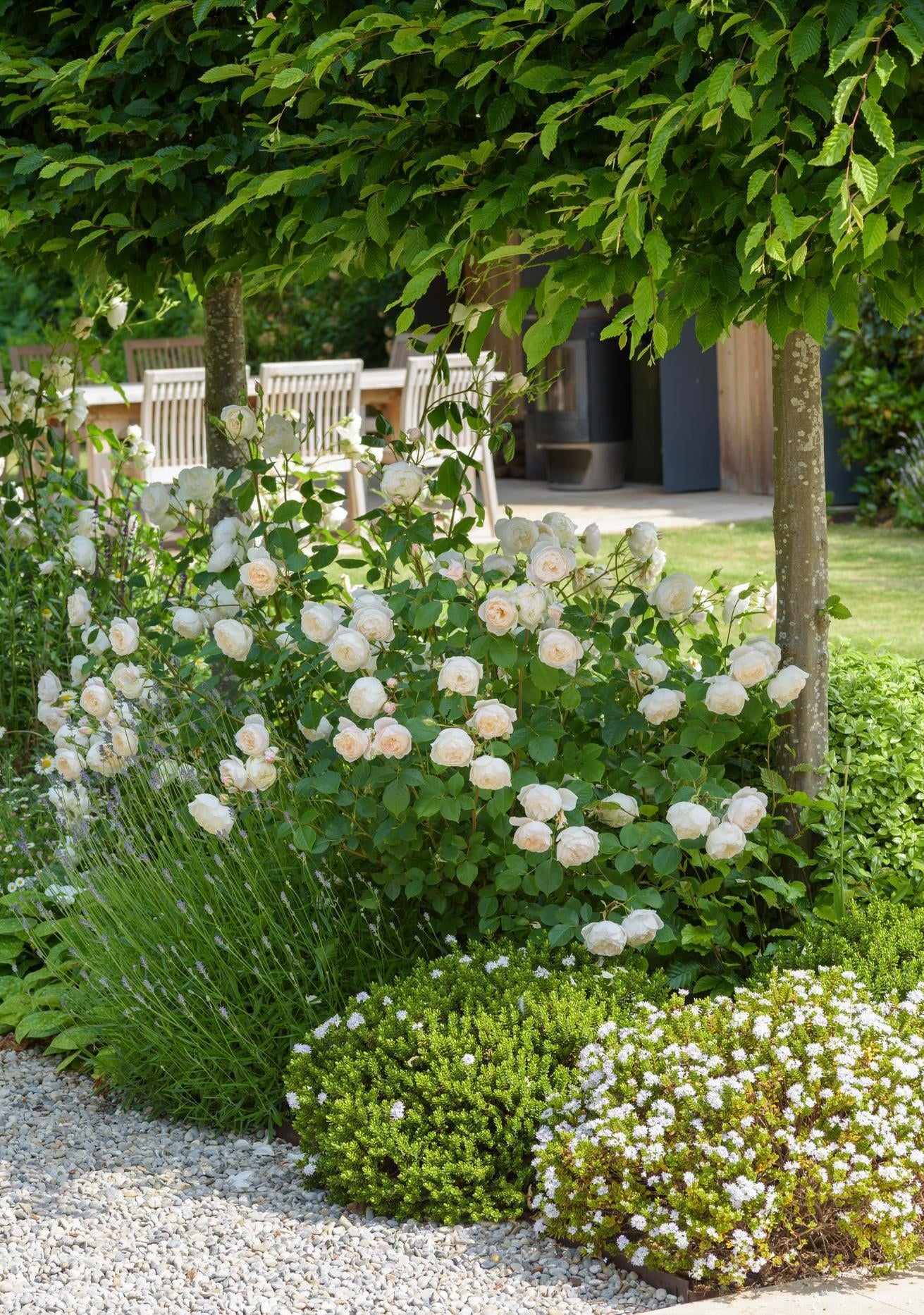


Shelter and Exposure
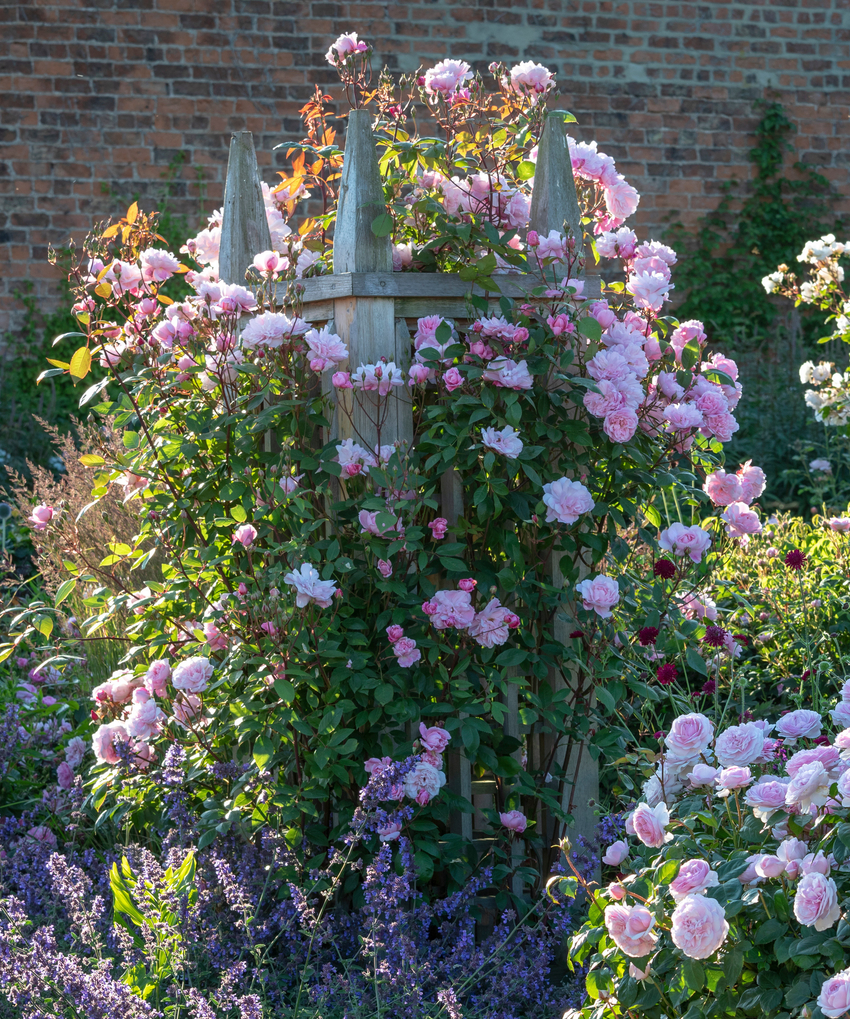
Good air circulation supports healthy rose growth, but excessive wind can cause stress and damage. Consider how sheltered or exposed the planting position is throughout the year.
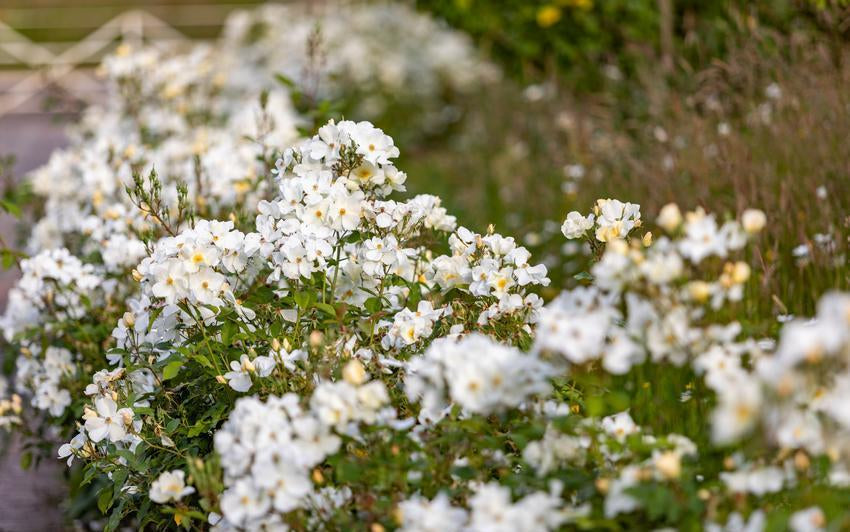
In windy or coastal gardens, robust varieties with flexible stems and simpler, lighter flower forms often prove more resilient. Heavily petalled blooms, while undeniably beautiful, may struggle in persistent gusts.
Gentle protection from a wall, hedge, or fence can create a more favourable environment without limiting light.
Soil
Roses are adaptable, yet they flourish in reasonably fertile, well-drained soil.
Ground that is thin, compacted, or depleted benefits from improvement before planting. Incorporating garden compost or well-rotted manure enriches the soil, improves structure, and encourages strong root establishment.
Thoughtful preparation at the outset provides the unseen foundation for years of healthy growth and flowering.
A Rose Settled in the Right Place
When a rose is given sufficient light, space, and nourishing soil, it establishes with quiet confidence. From that secure beginning comes steady growth, reliable flowering, and enduring beauty.
In the next part of this series, we will consider the second essential question: what you would like your rose to do within the garden.


-
Finding the Right Rose for Your Garden: Choosing the Perfect SpotChoosing a rose is one of the quiet pleasures of gardening. Over the coming weeks, we will be sharing a series of articles looking at some of the simple things that can help when choosing the right rose for your garden.

-
Finding the Right Rose for Your Garden: Choosing the Right VarietyIn our previous article, we began with a simple but important question: where will your rose live? Once you have considered the space available, whether a border, a container, or a wall, the next step is just as helpful.

-
Finding the Right Rose for Your Garden: Choosing Your Rose ColourWhen choosing a rose, colour is often the first thing that captures our attention. Long before we notice fragrance or the form of the bloom, it is usually the colour that quietly draws us in.
-
Finding the Right Rose for Your Garden: Choosing Roses for FragranceFragrance is one of the most memorable qualities a rose can offer. A single bloom can perfume a whole corner of the garden, while a path edged with scented roses can transform an ordinary walk into something quietly special. Yet not every rose smells the same, and understanding the different types of fragrance can help you choose varieties that bring the experience you are hoping for.

-
Finding the Right Rose for Your Garden: Choosing the Size of Your RoseEach rose has its own natural stature. Some remain compact and neatly shaped, while others reach outward or climb upwards, filling their space with ease. Understanding this from the outset helps you choose a rose that will sit comfortably in your garden, without needing to be held back.

-
Finding the Right Rose for Your Garden: How Often Would You Like Your Rose to Flower?When choosing a rose, colour and form often come first. Yet one of the most defining characteristics is something quieter. How often it flowers, and how that rhythm sits within your garden. Some roses return again and again, offering a steady presence through the season. Others gather their energy for a single, remarkable display. Each has its place, and each creates a different atmosphere.


