

- Using Colour in the Garden
Creating Mood and Harmony
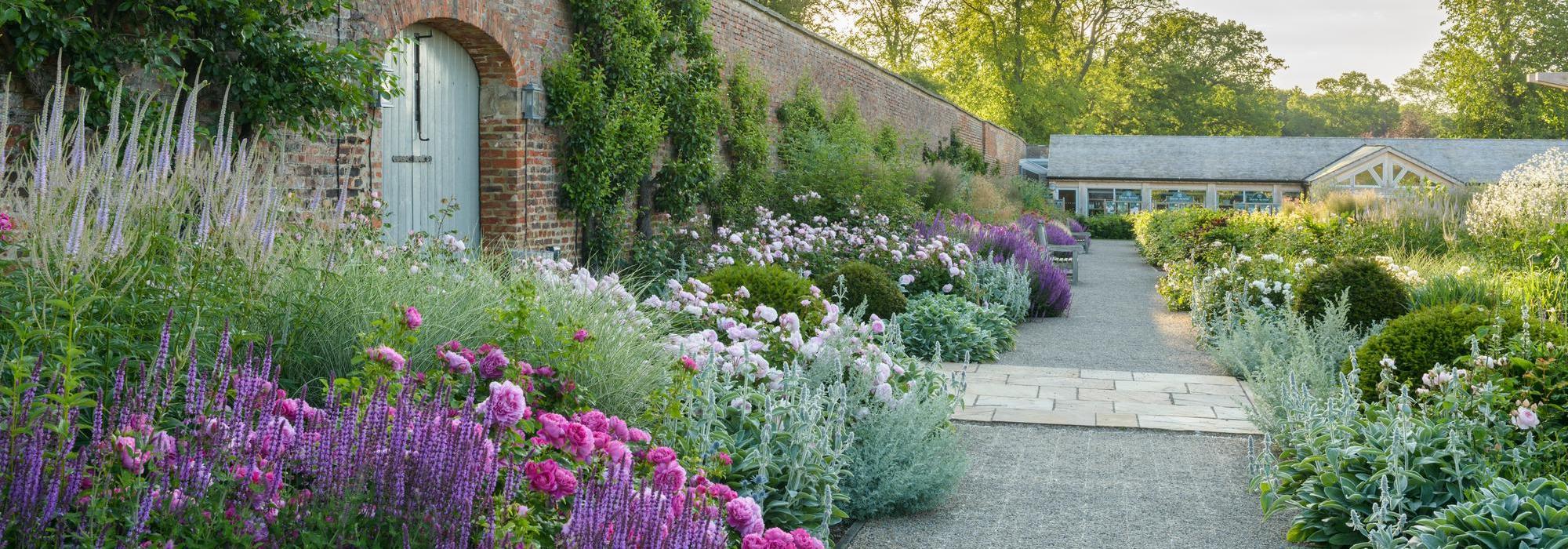

A garden is never simply planted. It is designed with intention, shaped by light, season, and colour. Every bloom plays a role, and together they form a living canvas that changes from morning to evening and from spring to autumn. Colour is one of the most powerful tools a gardener has. It influences how large a space feels, where the eye travels, and even how relaxed or energised we feel when we step outside. When understood and used thoughtfully, colour transforms a collection of plants into a harmonious, expressive garden.
Understanding Colour Relationships
Colour design begins with the colour wheel. While simple, it reveals how colours interact and why some combinations feel pleasing while others feel bold. Primary colours, red, yellow, and blue, form the base. Secondary colours such as orange, purple, and green are created when primaries blend. Between them sit tertiary shades like peach, coral, and lavender. Gardeners can use these relationships to create contrast, flow, or unity across borders and beds.

Complementary Colours: Creating Impact
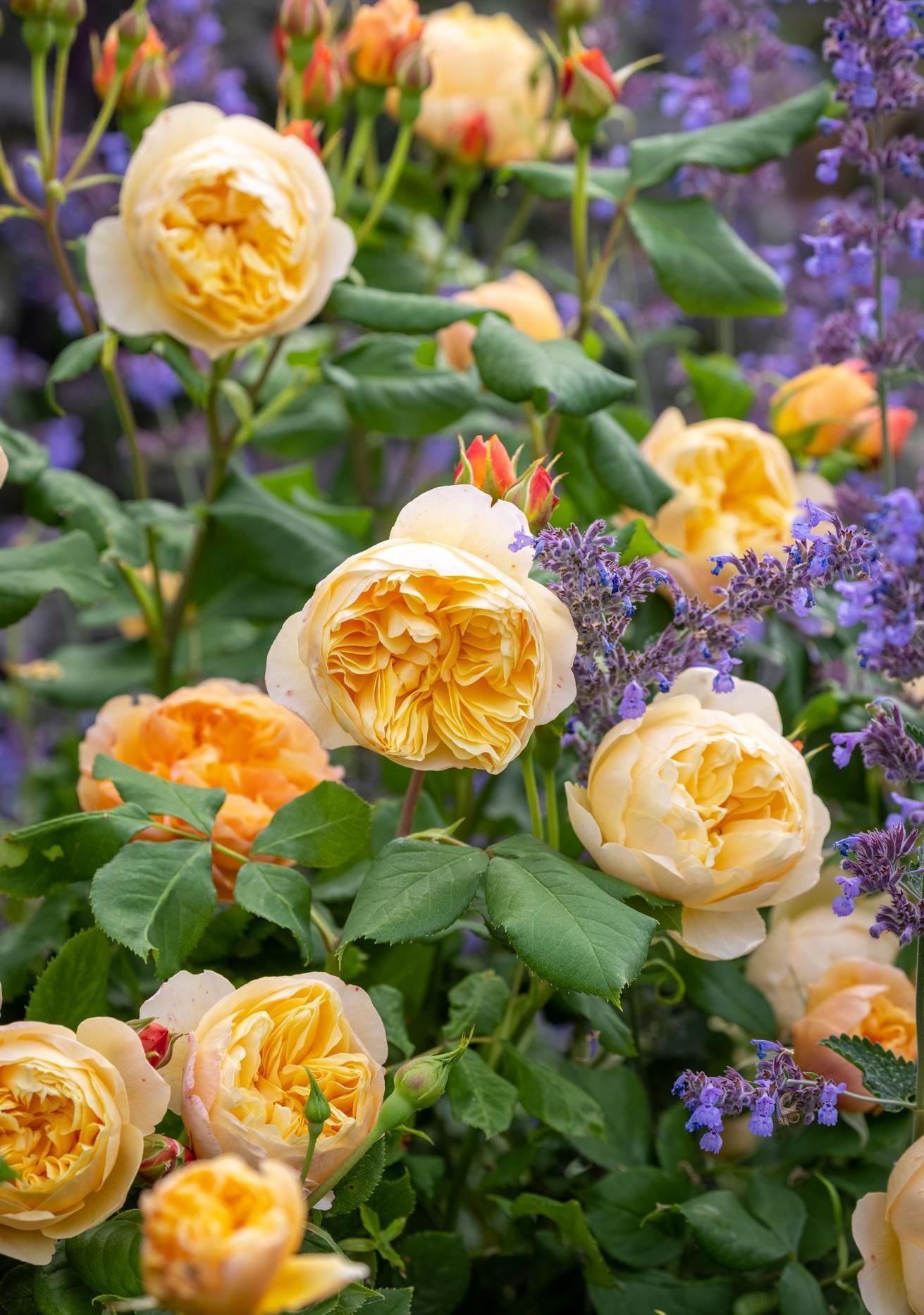
Colours opposite each other on the wheel intensify one another. When paired together, each appears brighter and more defined.
Analogous Colours: Creating Harmony
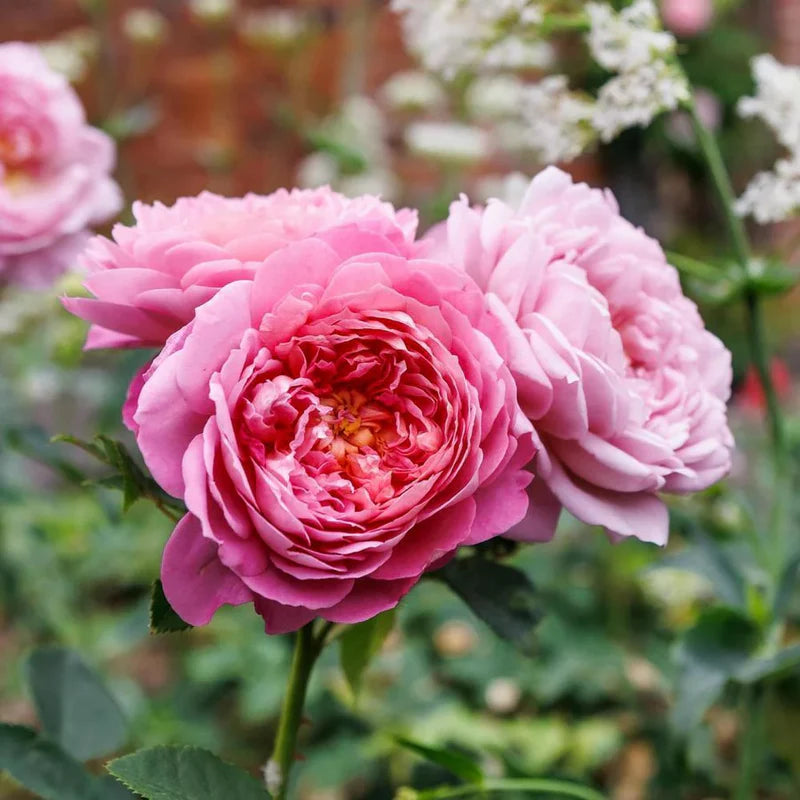
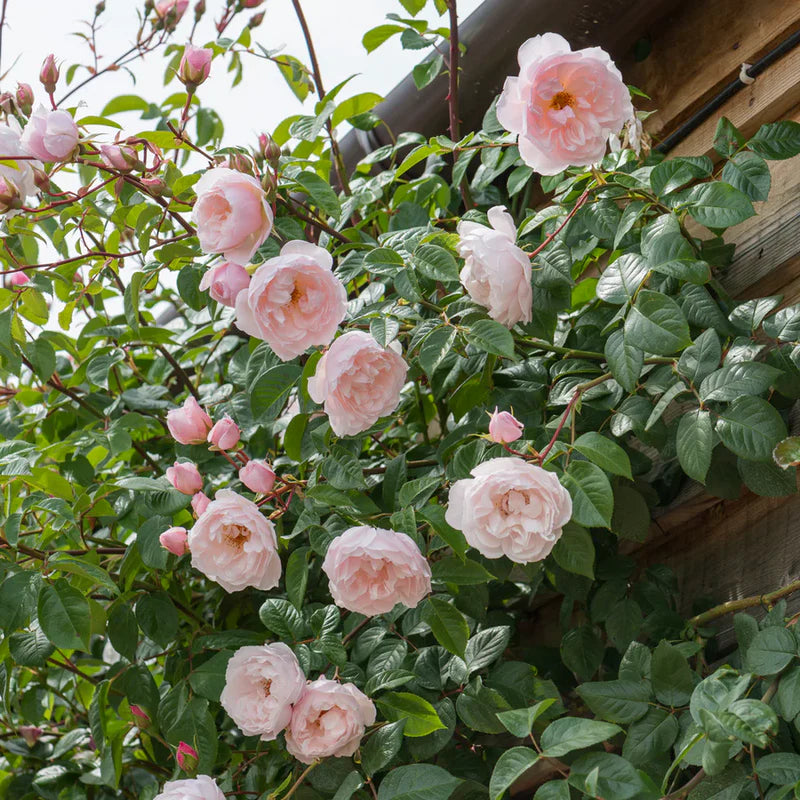
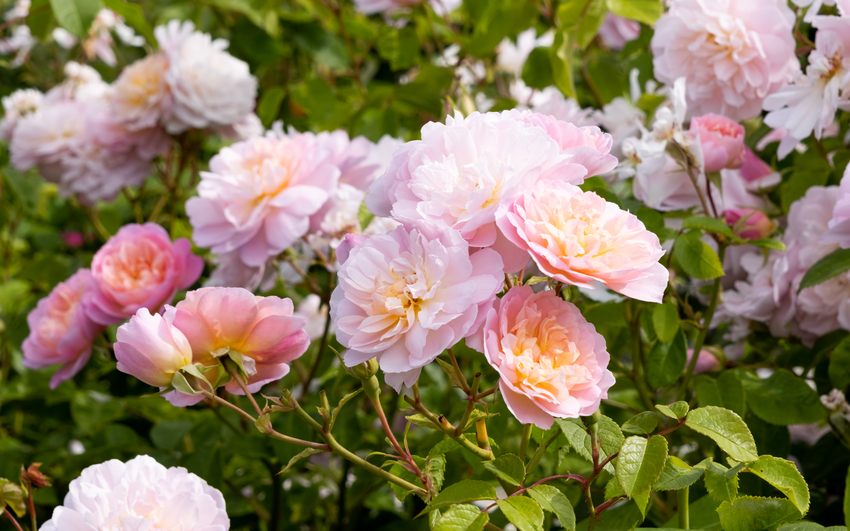
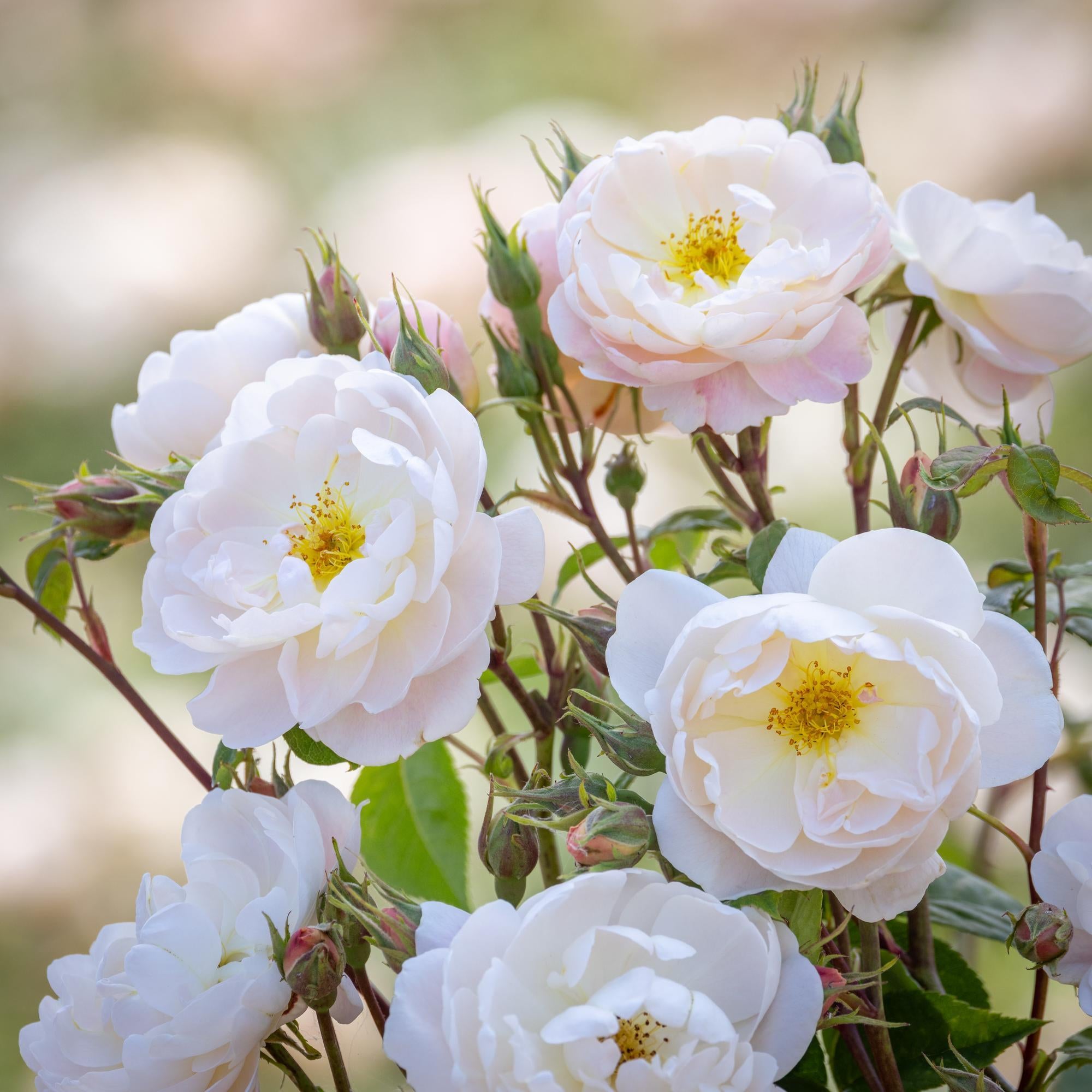
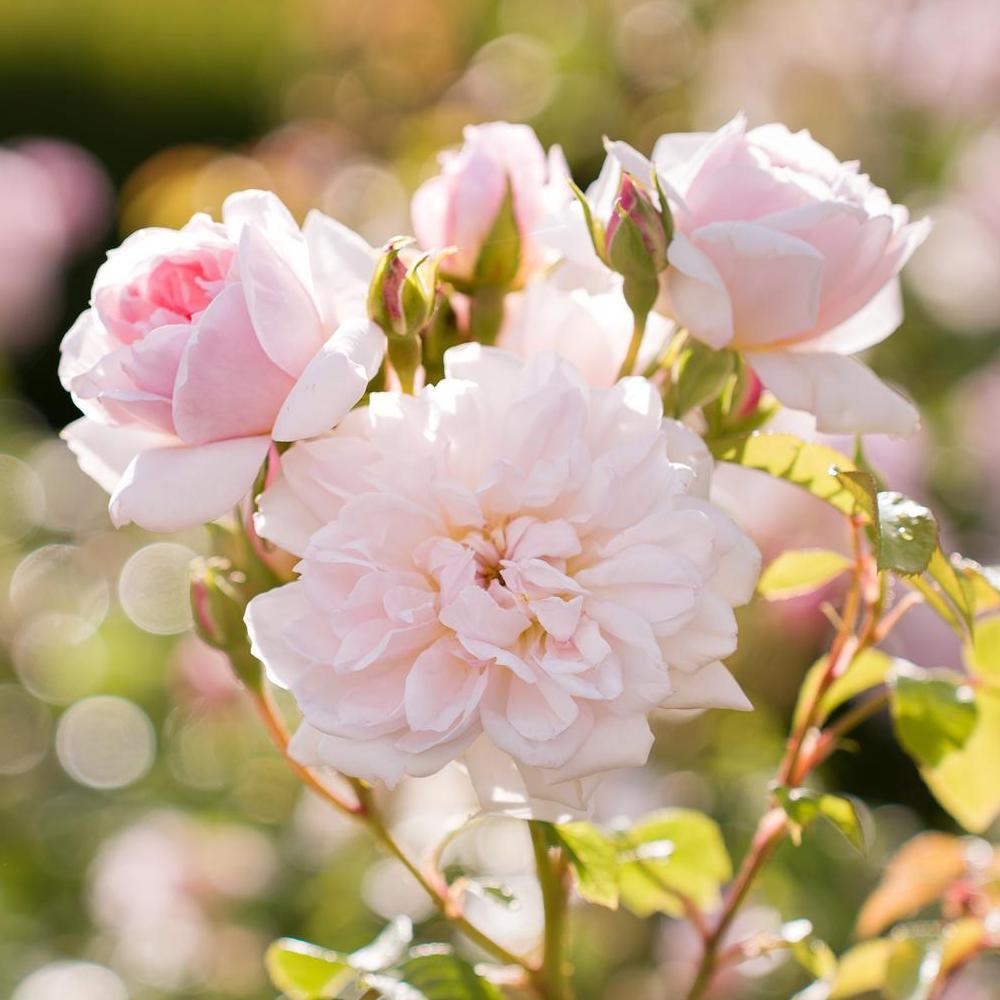
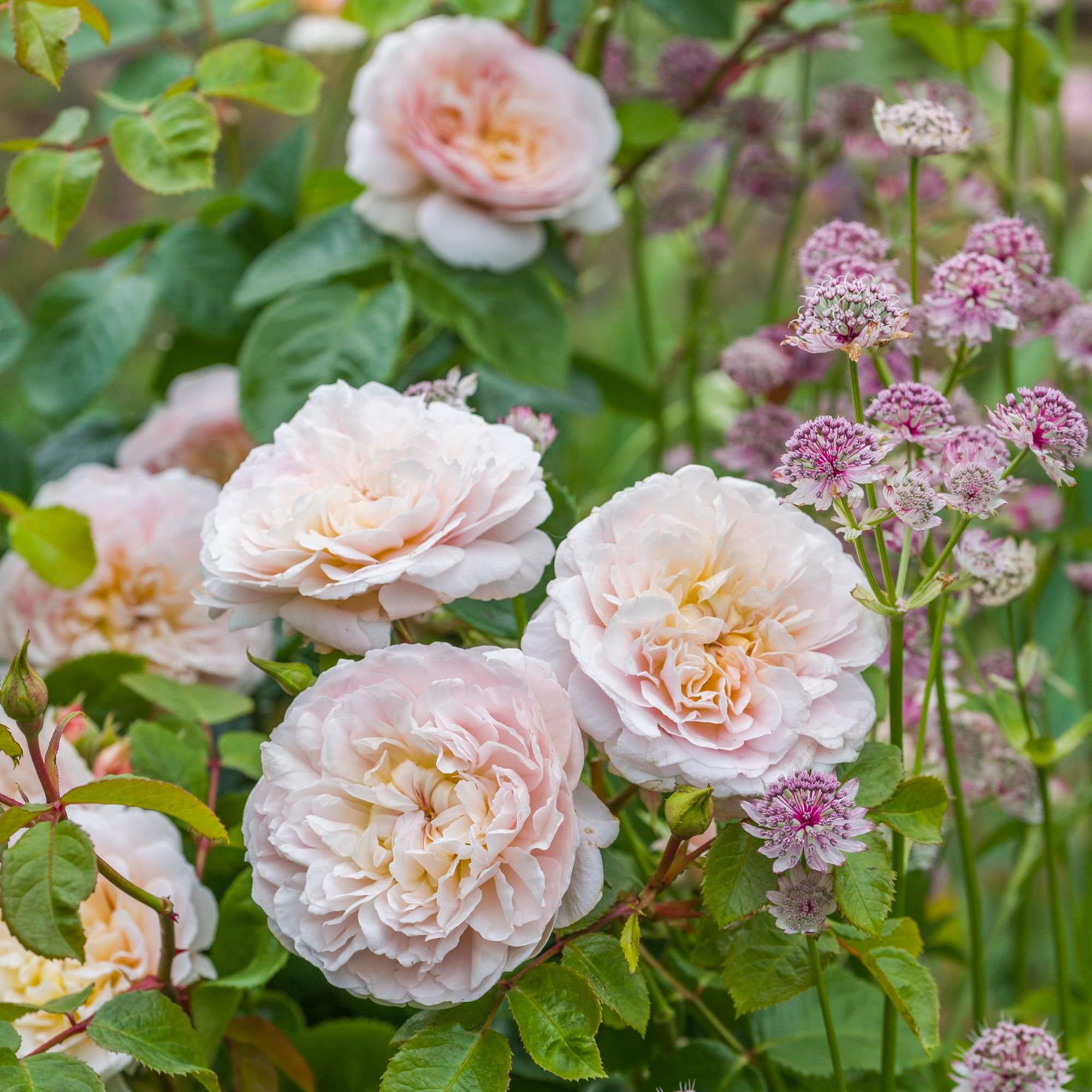
Colours that sit beside each other blend smoothly. Soft pinks flowing into peach tones and warm blush shades create a sense of continuity and calm. These combinations feel natural and welcoming, making them ideal for seating areas, long borders, and smaller gardens where unity helps the space feel larger. Rather than competing for attention, these colours support one another and allow the garden to feel cohesive and restful.
Triadic Colour Schemes: Lively but Balanced
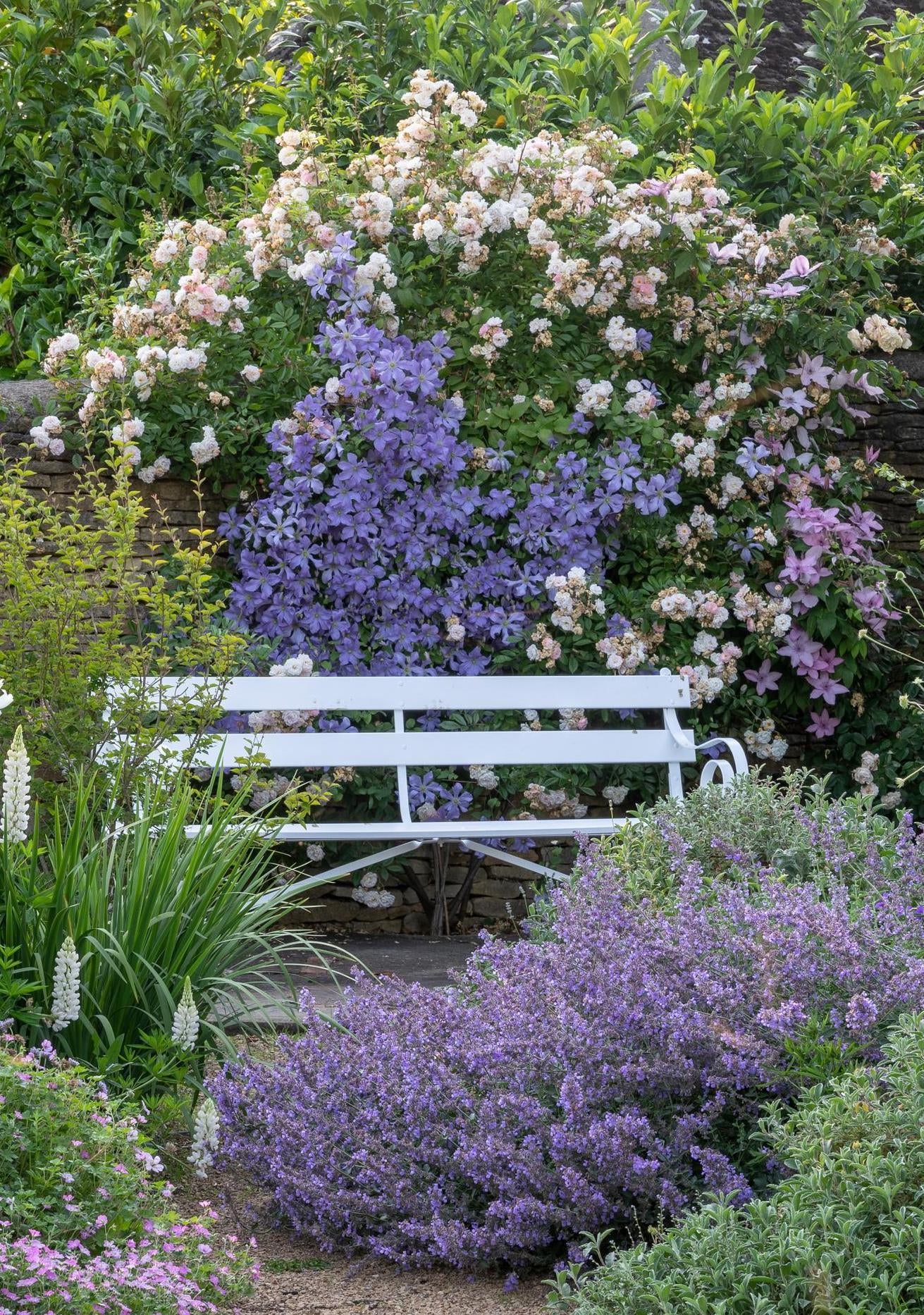
Triadic schemes use three colours evenly spaced around the wheel, bringing energy while maintaining structure.
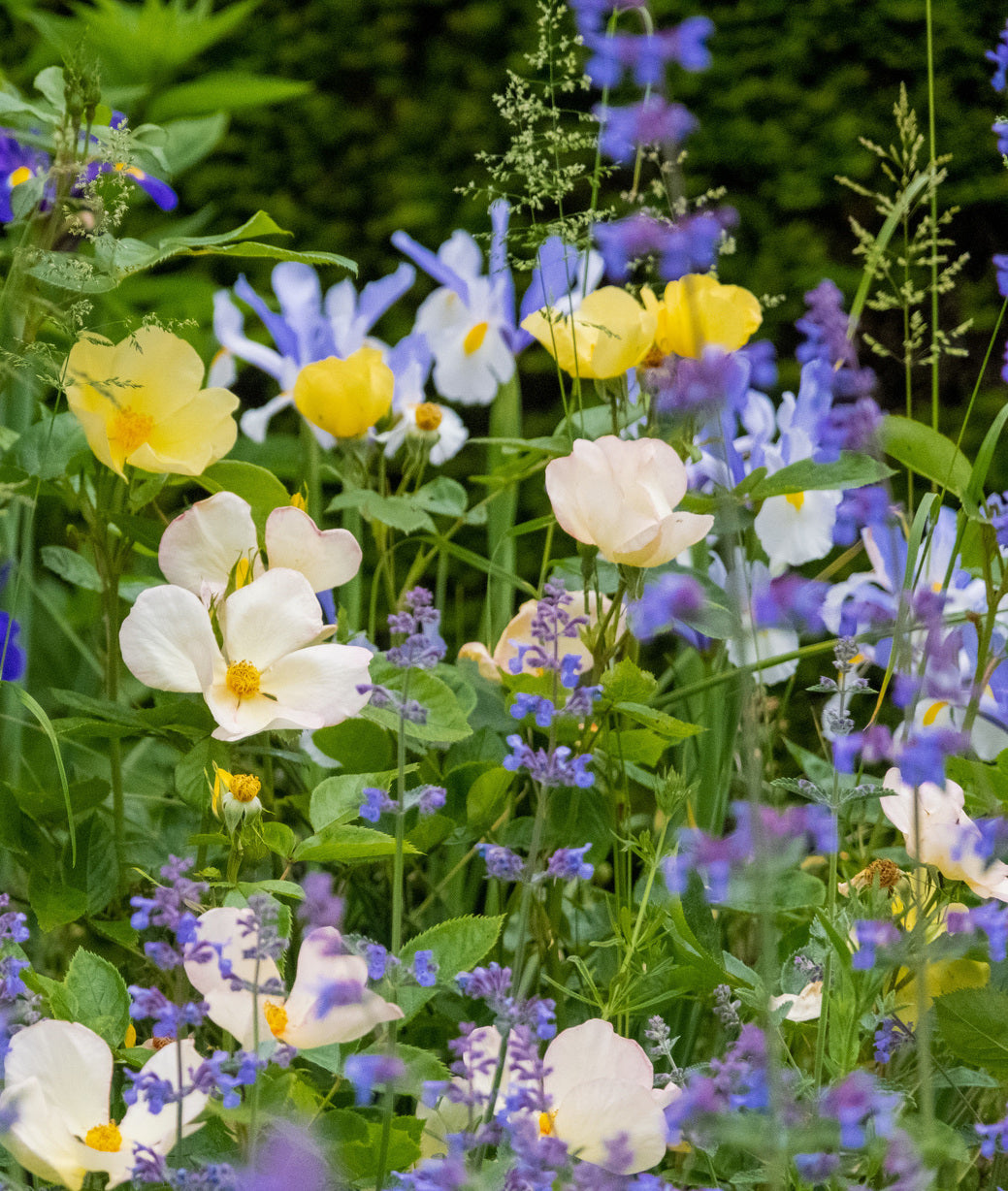
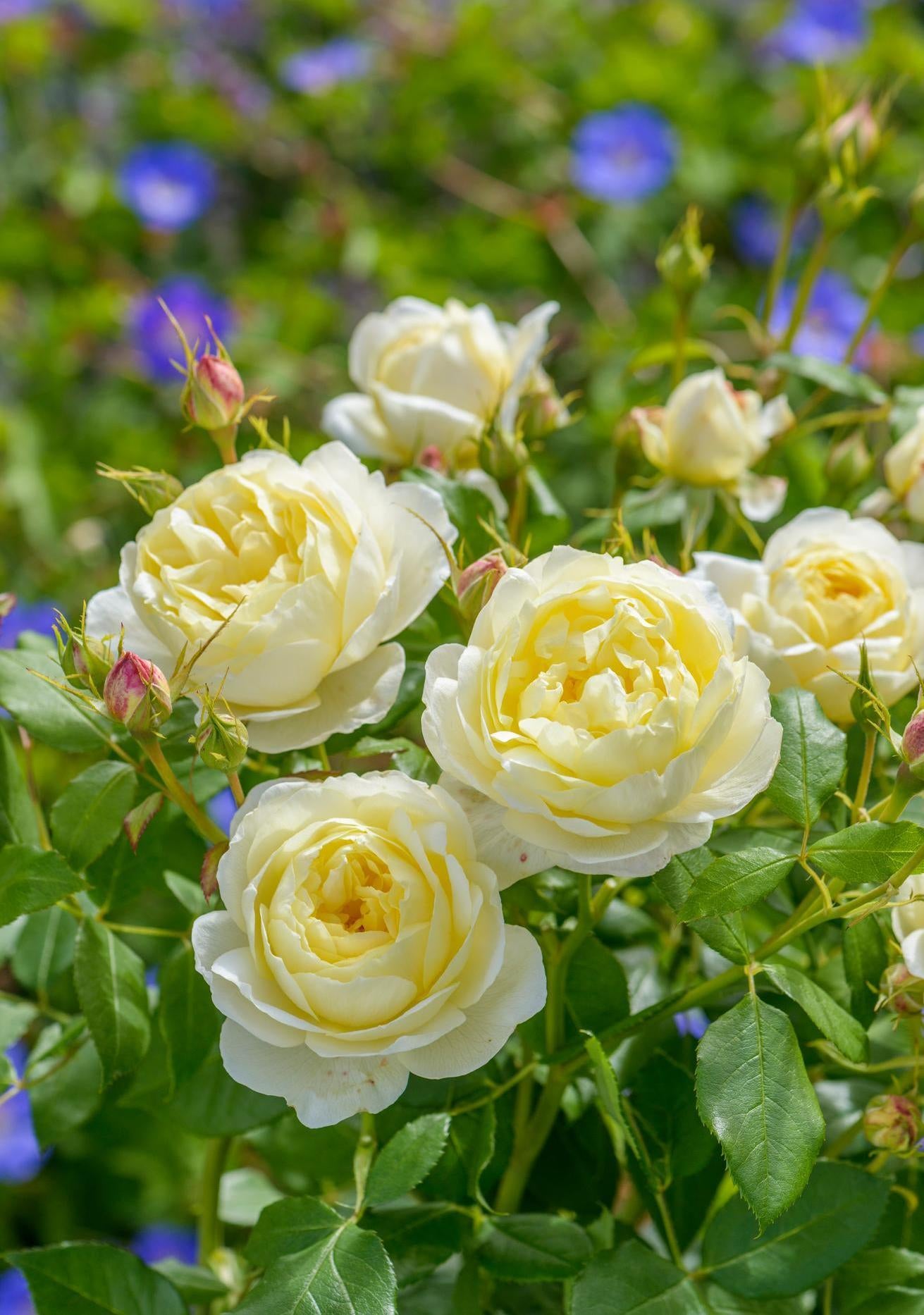

Monochromatic Planting: Depth Through Simplicity
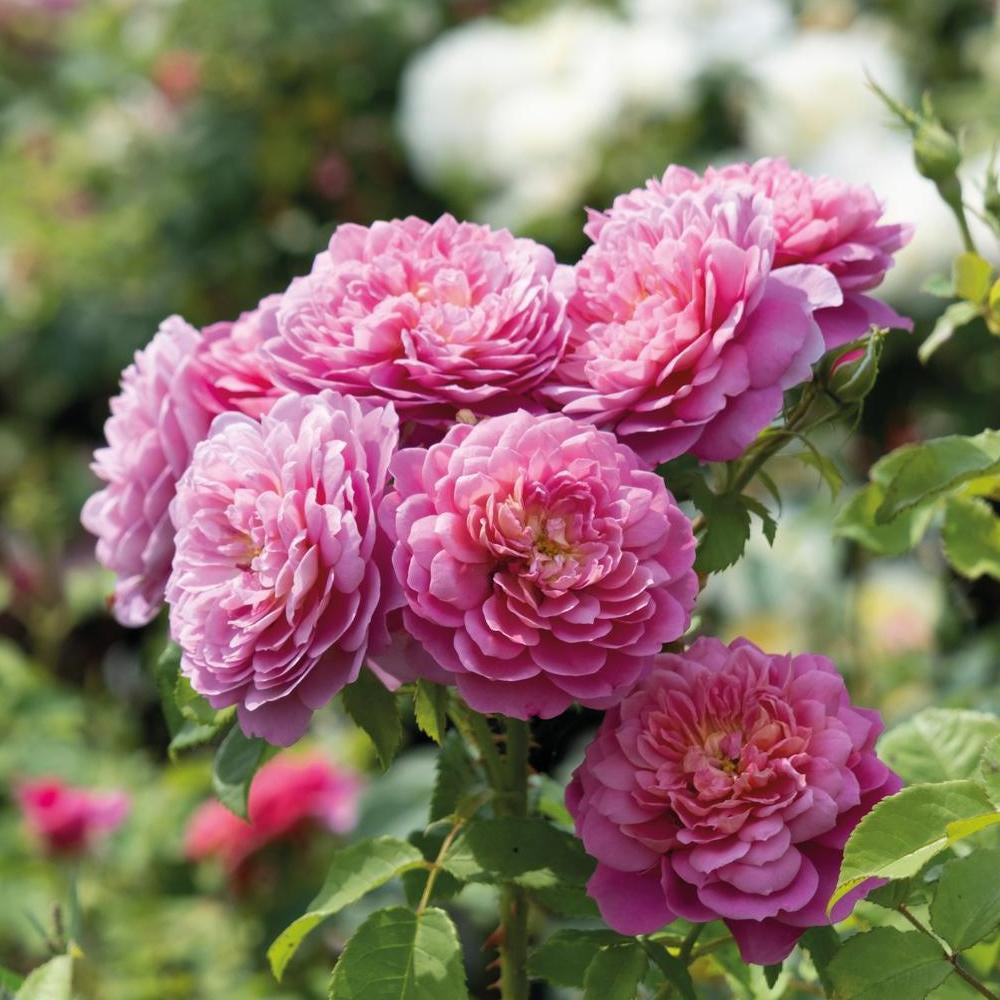
Using one colour in many shades creates elegance and depth. A garden filled with pink roses, from pale blush to deep rose, feels rich without clutter. Lighter tones toward the front of borders and deeper shades behind add dimension, while textured foliage in green or silver prevents the planting from feeling flat.
Warm and Cool Colours: Shaping Atmosphere
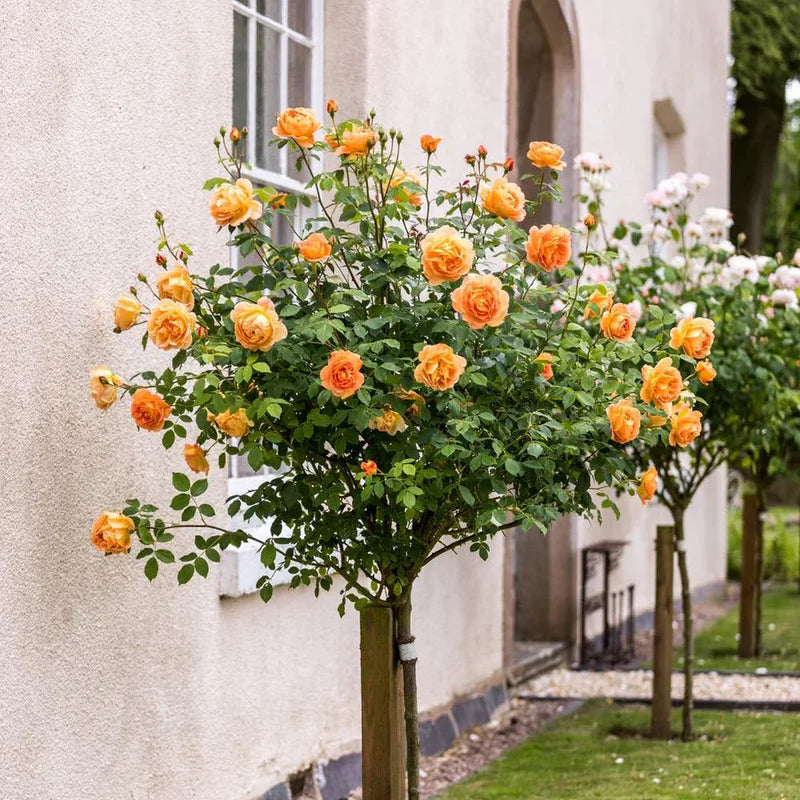
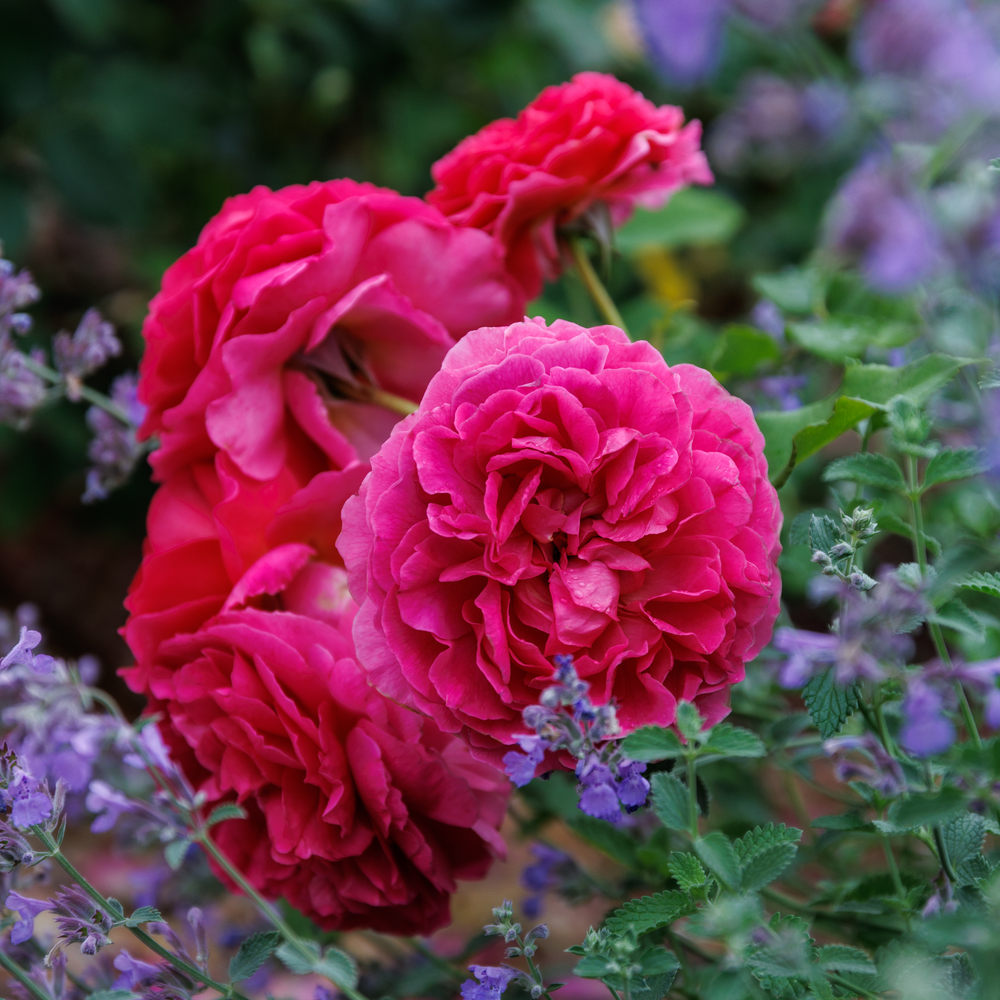
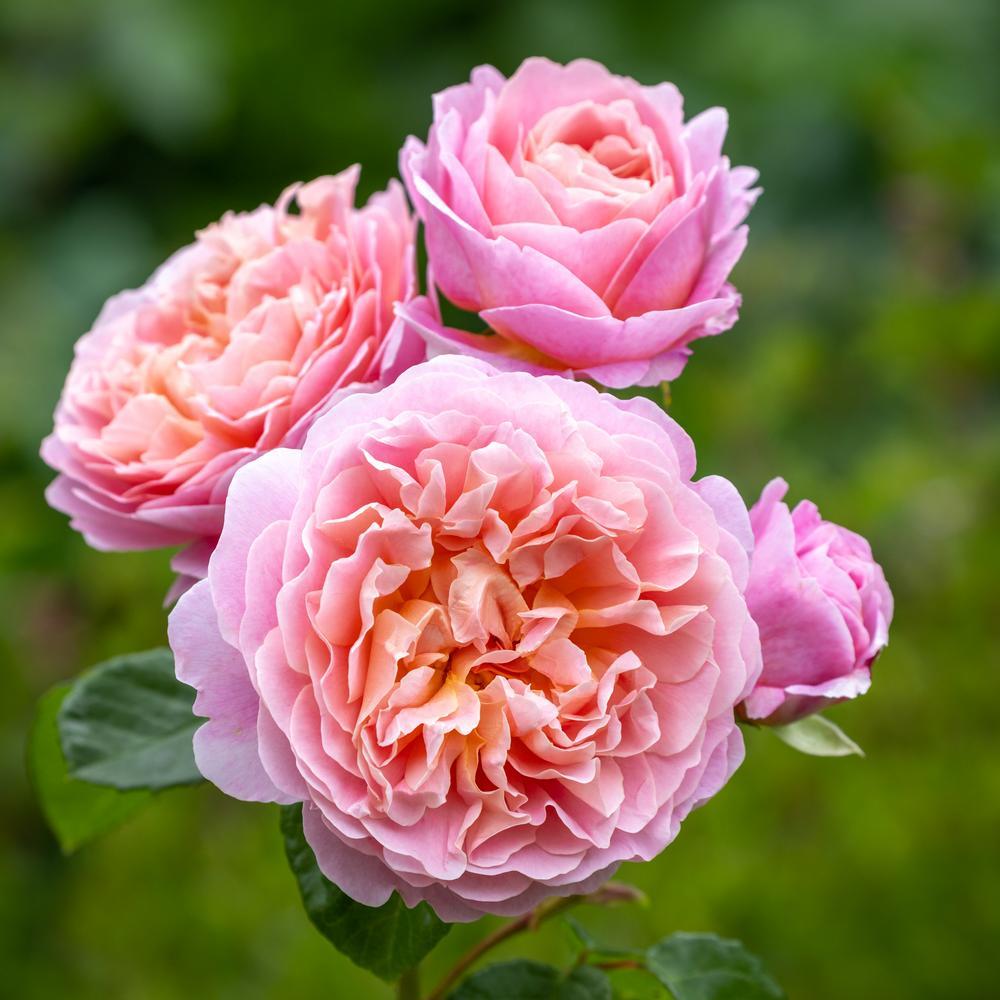
Warm hues such as red, yellow, apricot, and coral seem to move toward the viewer, bringing energy and welcome, perfect for patios, entrances, and social spaces.
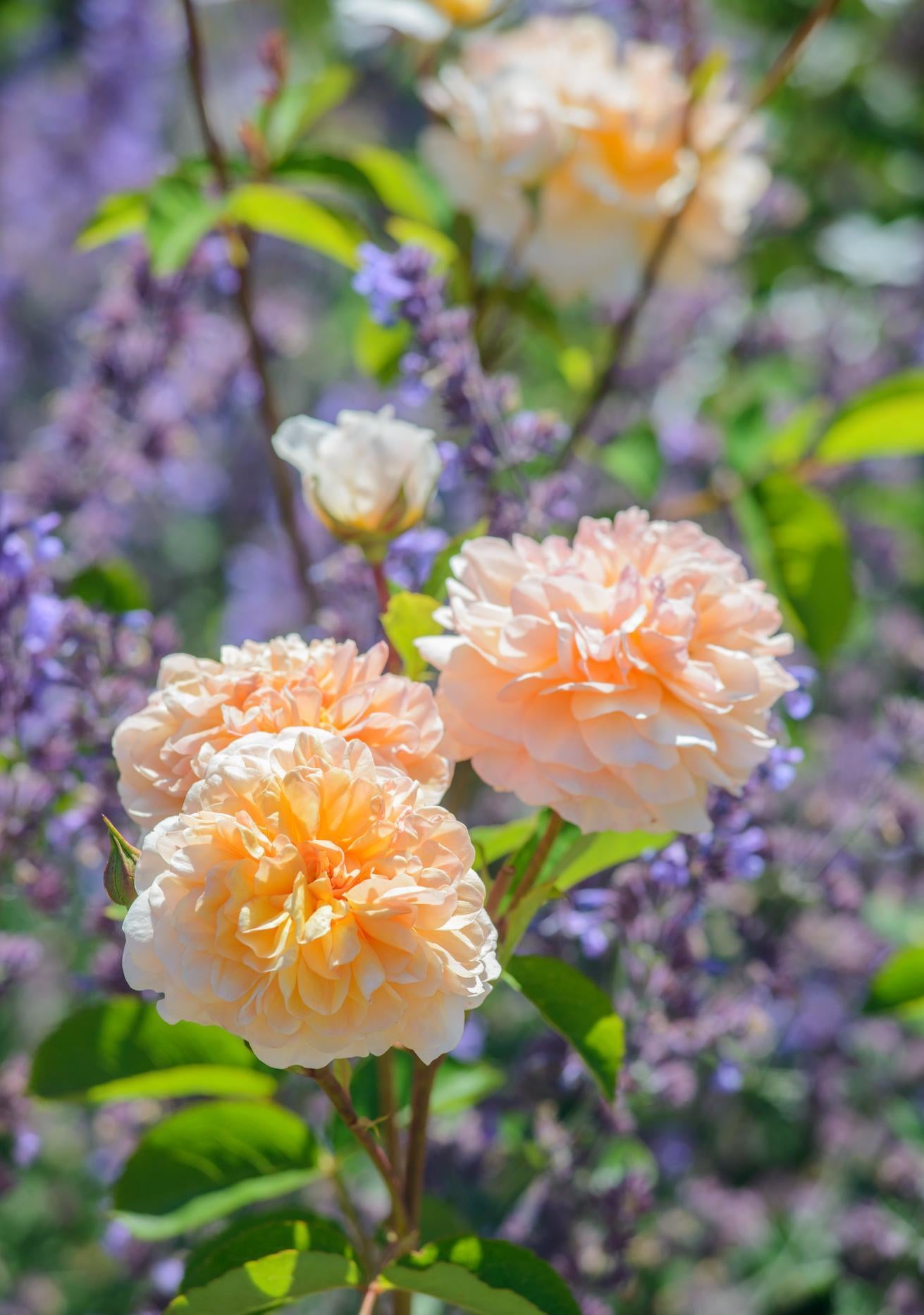
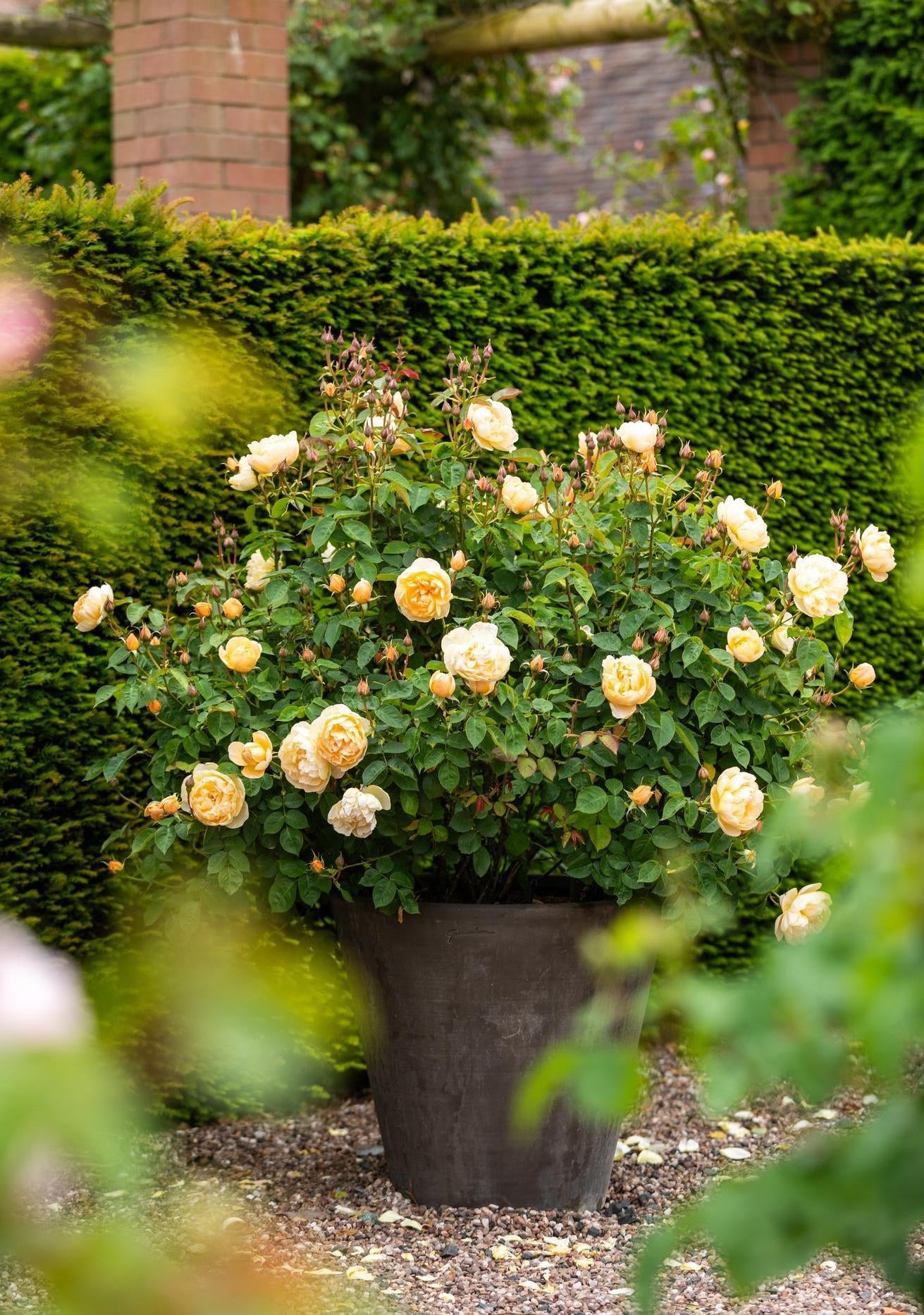
Designing for Colour Through the Seasons
Successful colour planning looks beyond a single moment in time. Spring offers fresh greens and soft pastels, summer brings richness and vibrancy, and autumn deepens into golds and dusky purples. Choosing roses and companion plants with staggered flowering times keeps the garden alive with colour for many months.
Timeless Colour Design Tips
Repeating favourite colours across borders guides the eye naturally through the space. Foliage provides visual rest between bold blooms. Strong tones work best where attention is welcome, while softer shades suit peaceful areas. Layering heights and intensities adds depth and interest.
Colour is far more than decoration. It shapes atmosphere, movement, and emotion within the garden. With roses offering structure, fragrance, and a remarkable range of hues, colour becomes a design tool that brings balance, beauty, and lasting pleasure to every outdoor space.
-
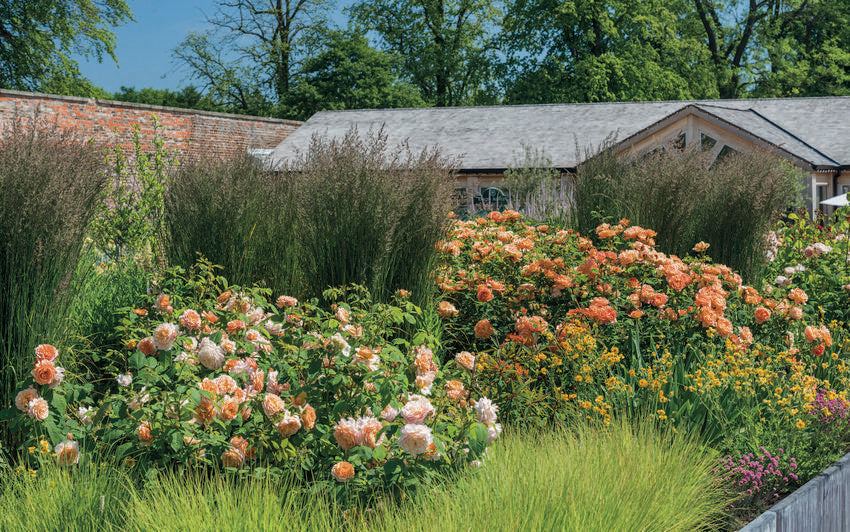
Drifts of Colour Planting English roses in threes, fives or moreWhen it comes to creating an interesting and harmonious garden, the way you arrange your plants can make all the difference. English roses, with their exquisite forms and captivating fragrances, are the perfect example. Planting them in clusters of three, five or more, particularly when you choose the same variety, is one of the simplest and most effective ways to bring both balance and character to your outdoor space.
-
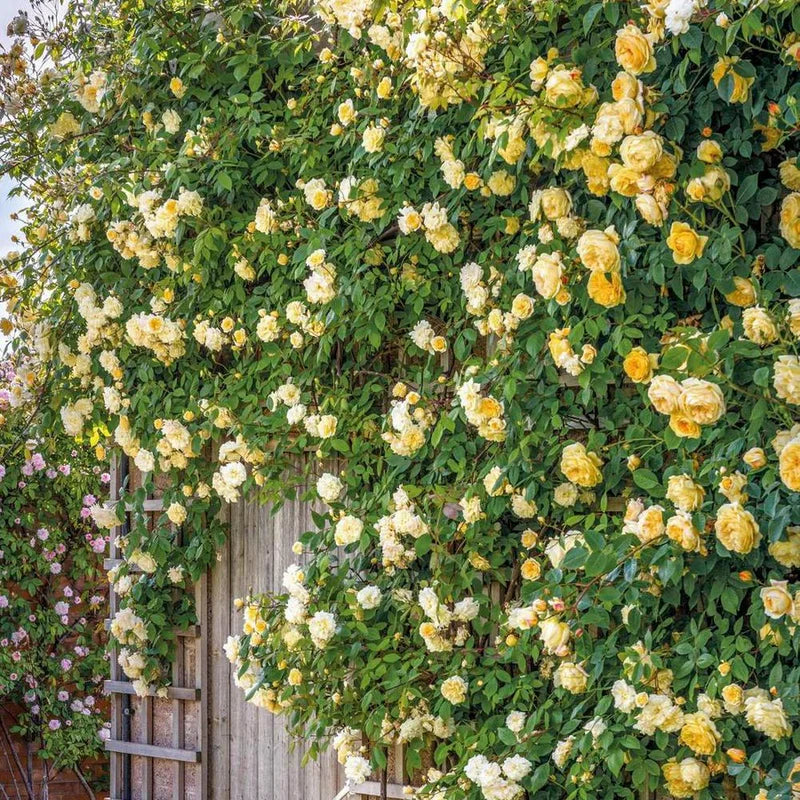
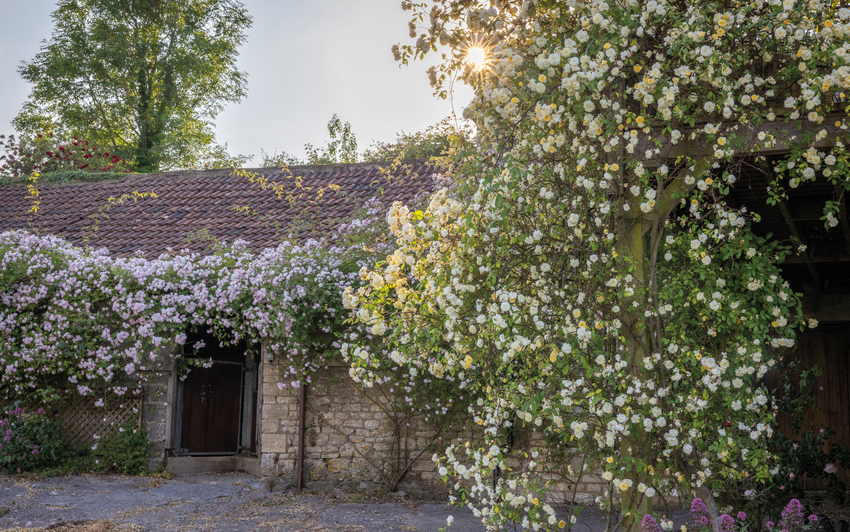
The Untamed Beauty of Climbing and Rambling RosesPicture an old apple tree in early summer. High among its branches, far above where anyone thought to plant a thing, sprays of soft flowers tumble from the canopy and scent the air below. It looks as though it simply happened. In truth, it began with a single rambling rose planted at the foot of the tree a few winters before, given just enough guidance to find its way up.
-
What Is a Bare Root Rose? A Beginner's Guide to Every PartOpening the box on your first bare root rose is an exciting moment. Inside, you'll find a neat bundle of roots and sturdy stems, carefully packed and resting for winter. There are no leaves or flowers yet, and that is exactly as it should be. Everything your rose needs to grow, flourish and flower for years to come is already there, ready and waiting for spring. Getting to know each part of your rose, and what it does, makes planting simple and helps you give it the very best start.

-
Rose Spotlight - Lady of Shalott®Lady of Shalott is the kind of rose that draws you across the garden. It arrives as a tight, salmon-red bud, then slowly loosens into a chalice of apricot and gold, as if someone had lit a small lamp inside it. When the evening sun is low, it seems to glow from within, a sight that stays with you long after the light has gone.

-
The Comfort of Autumn in the Rose GardenAutumn brings a particular kind of morning. You pull on a favourite jumper, step outside and feel the cooler air on your face, and somehow the day feels a little clearer. Leaves gather beneath your feet, the soil smells rich and damp, and the low sun turns everything a soft shade of gold.

-
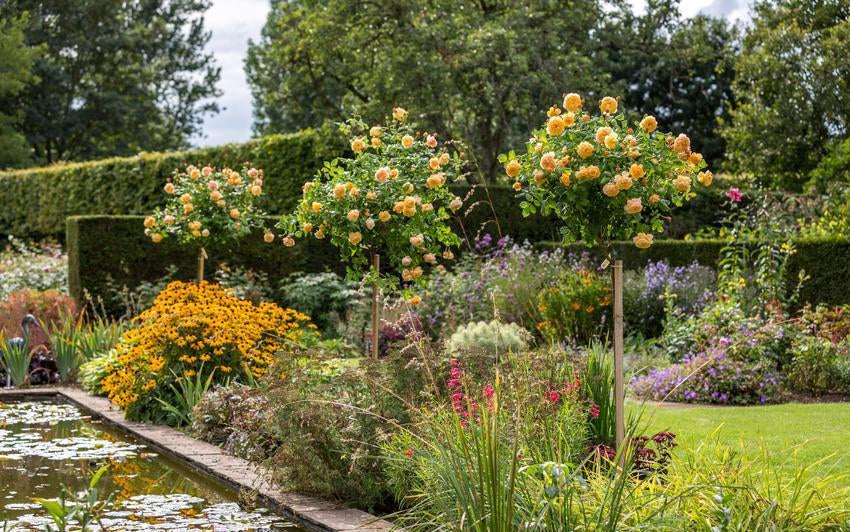
Designing with Standard Roses: Creative Ways to Style Your GardenStandard roses possess an inherent charm that immediately refines any outdoor space. Often referred to as tree roses, these beautiful plants lift your favourite blooms off the ground, presenting them at eye level on clean, structural stems. While they are a staple of formal landscapes, their unique height makes them incredibly versatile for relaxed, modern, and informal spaces too.
-
The Rose Year BeginsAutumn brings a distinct richness that invites us to slow down and notice the changes. Leaves turn shades of amber and gold, while the lower, softer light catches the borders in the late afternoon. As cooler mornings bring heavy dew and that unmistakable, earthy scent of damp soil, the garden gradually settles down for the season.


