

The Untamed Beauty of Climbing and Rambling Roses
- Shop the scene


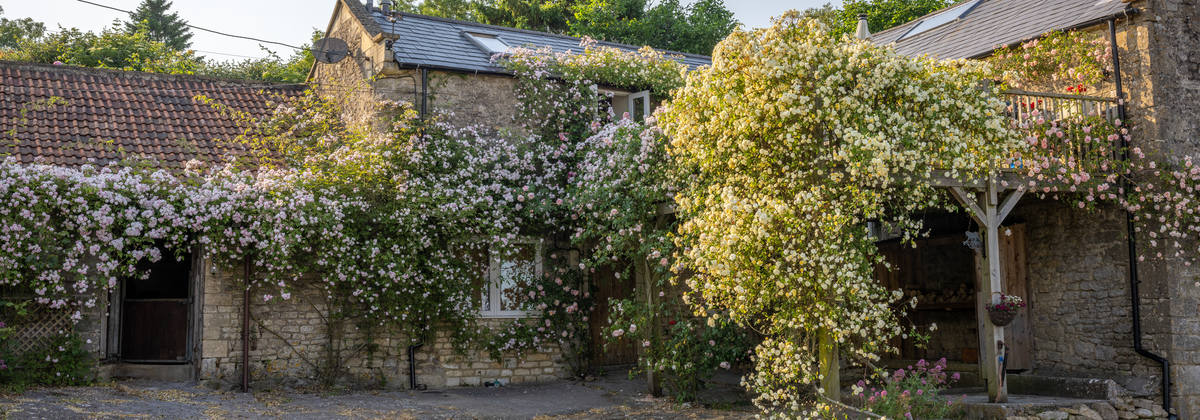


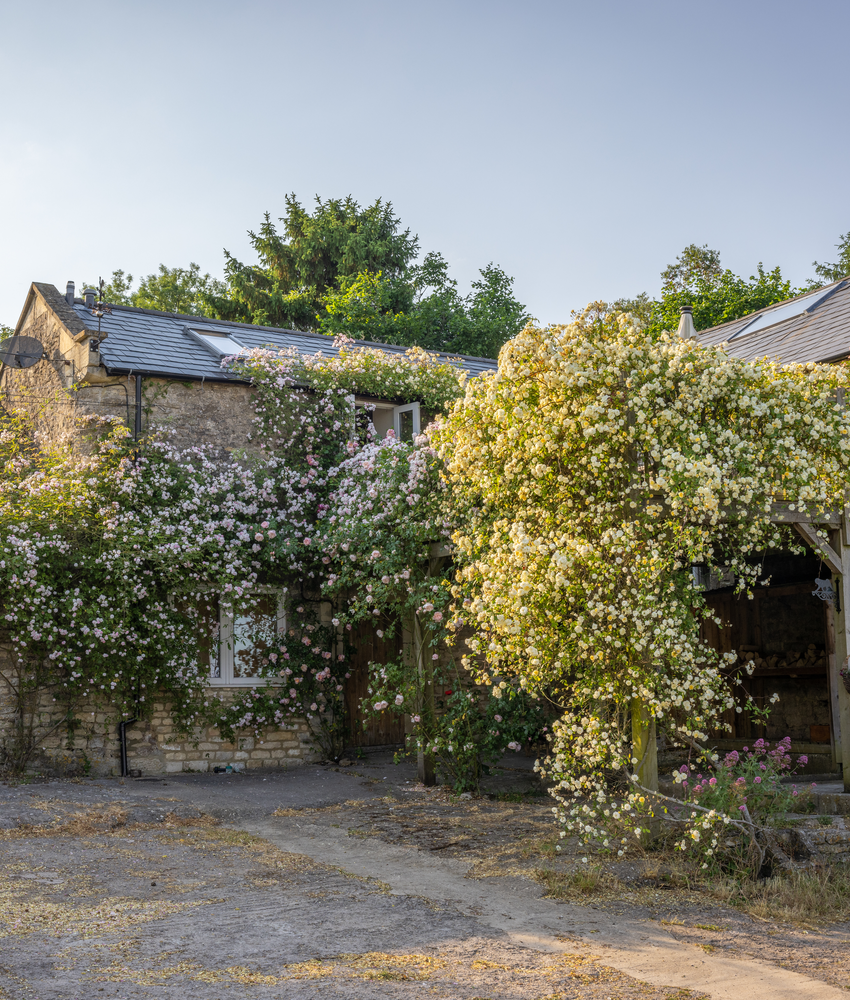
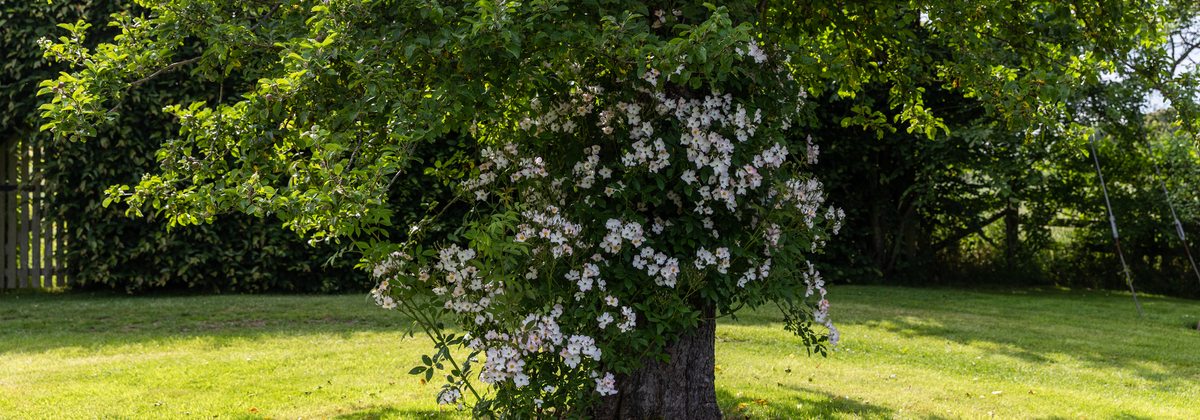
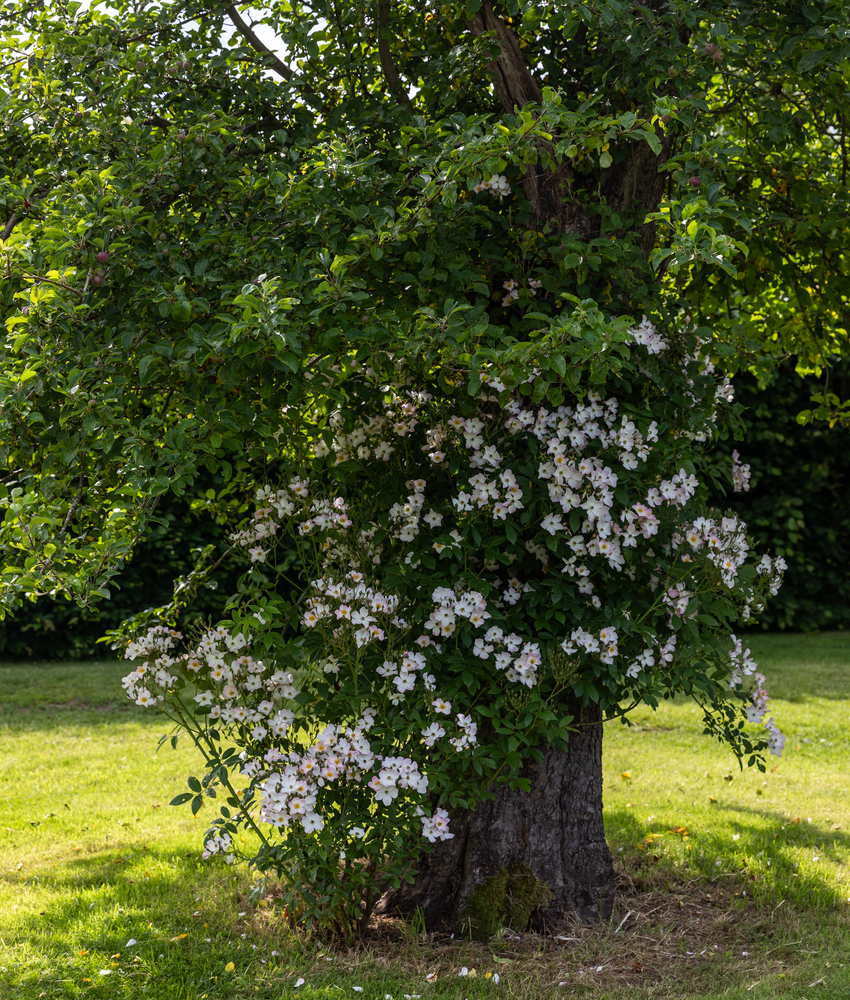
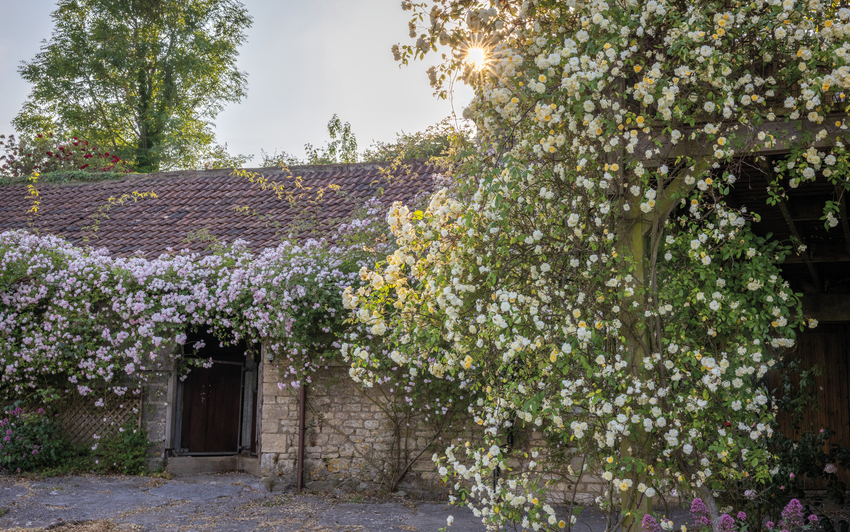
Picture an old apple tree in early summer. High among its branches, far above where anyone thought to plant a thing, sprays of soft flowers tumble from the canopy and scent the air below. It looks as though it simply happened. In truth, it began with a single rambling rose planted at the foot of the tree a few winters before, given just enough guidance to find its way up.
Some of the most beautiful moments in a garden happen when nature is given a little freedom. Climbing and Rambling Roses are wonderfully suited to this softer, less ordered way of growing. Allowed beyond the flower bed, they wander through trees, scramble over old walls and weave across arches, fences and pergolas, blurring the line between the cultivated garden and the landscape around it.
Here is how to give them that freedom, where they look most at home, and the varieties we would choose for each spot.
Climbers and Ramblers: What's the Difference?
Both will happily reach for the sky, but they go about it in different ways.

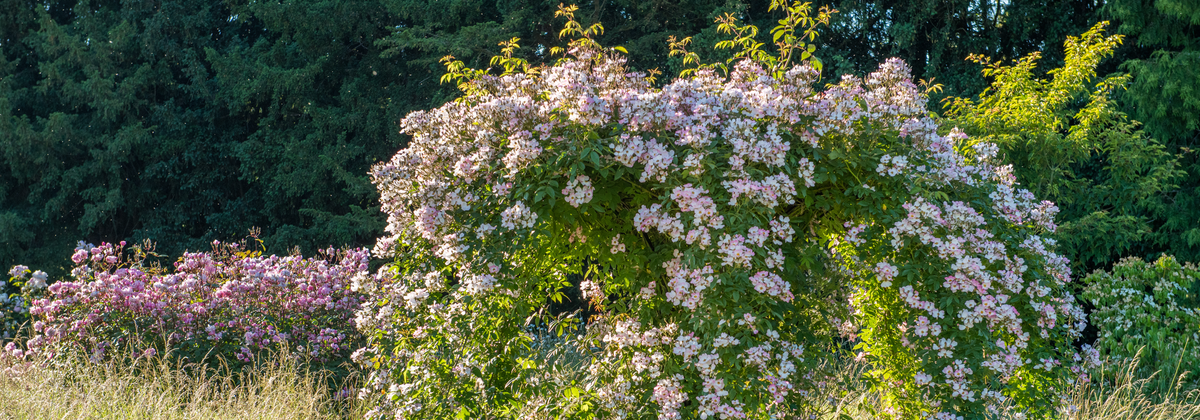
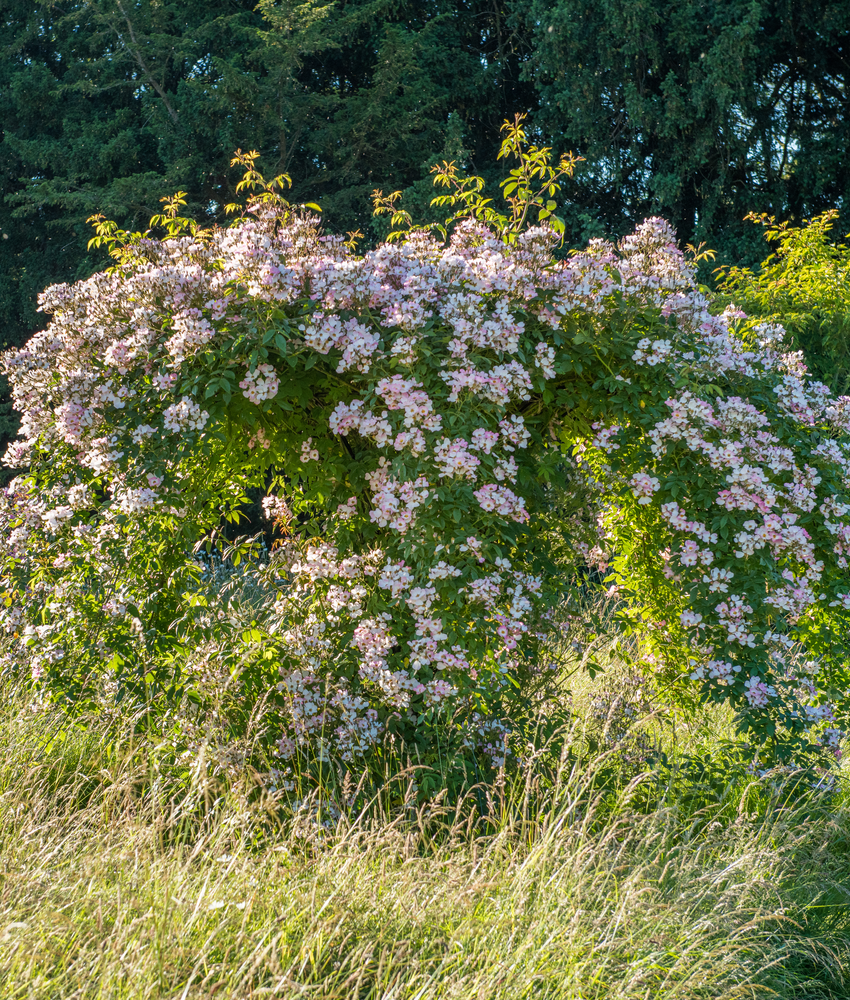
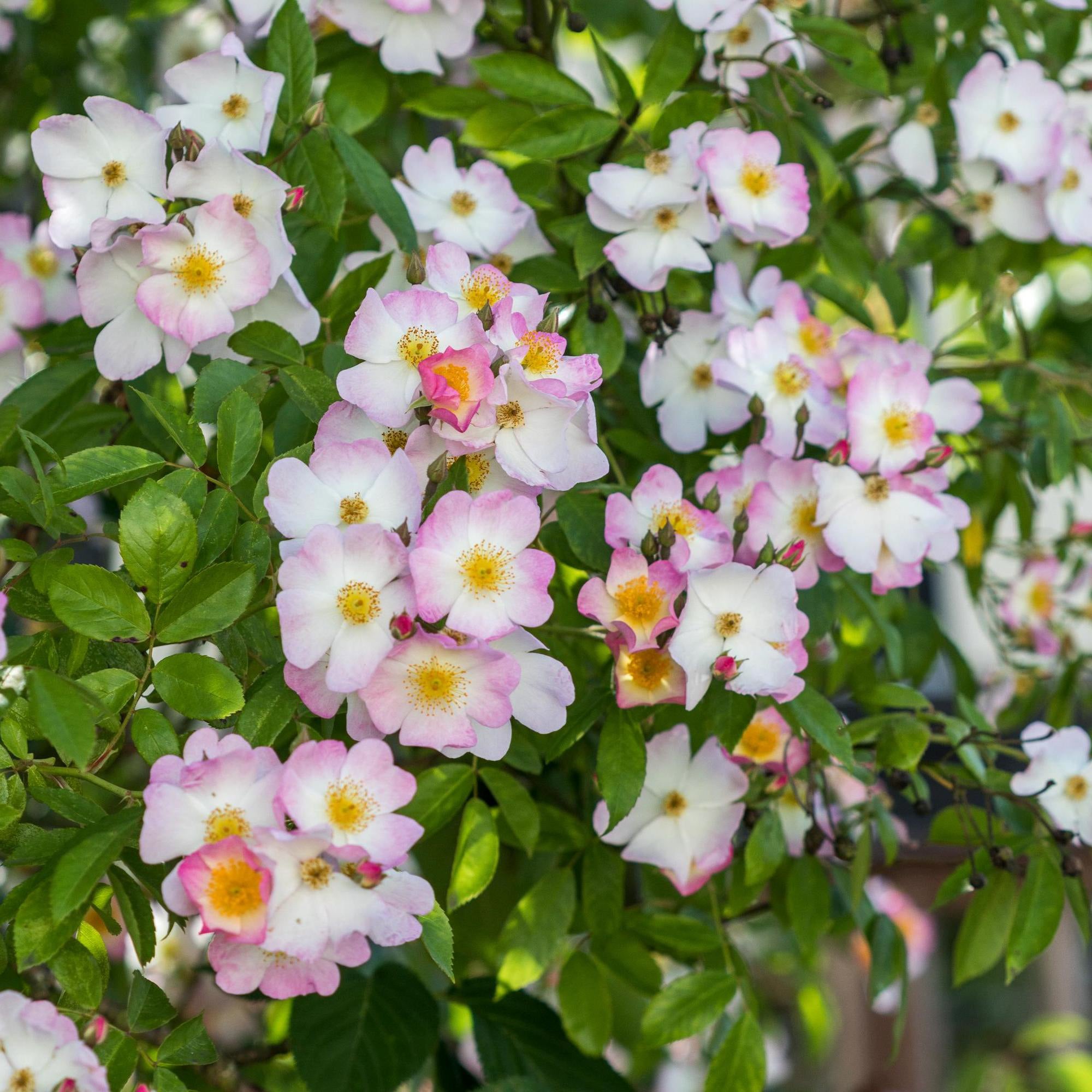
Rambling Roses have long, flexible stems and carry great sprays of smaller flowers. They are vigorous and free-spirited, which makes them perfect for growing through trees, covering large structures and filling forgotten corners. Ramblers were once known for a single, glorious flush in early summer, but several of the varieties below flower again later in the season.

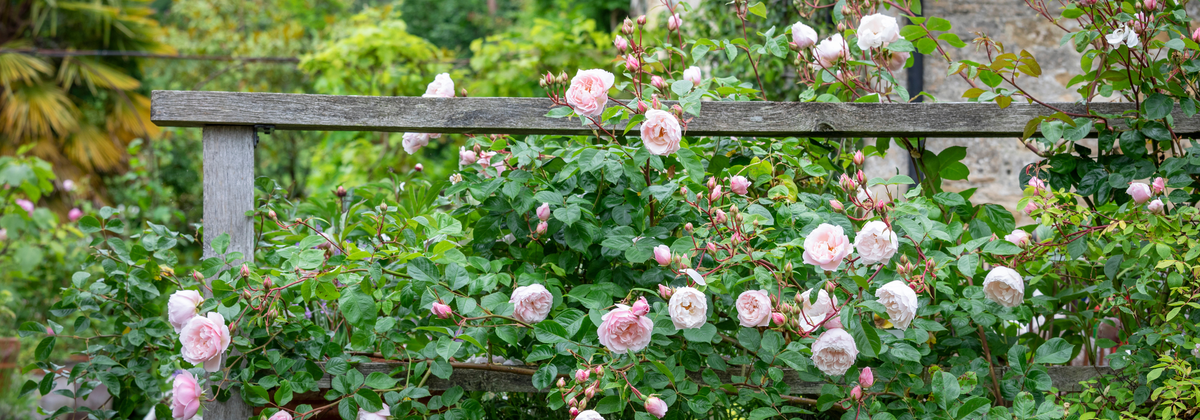
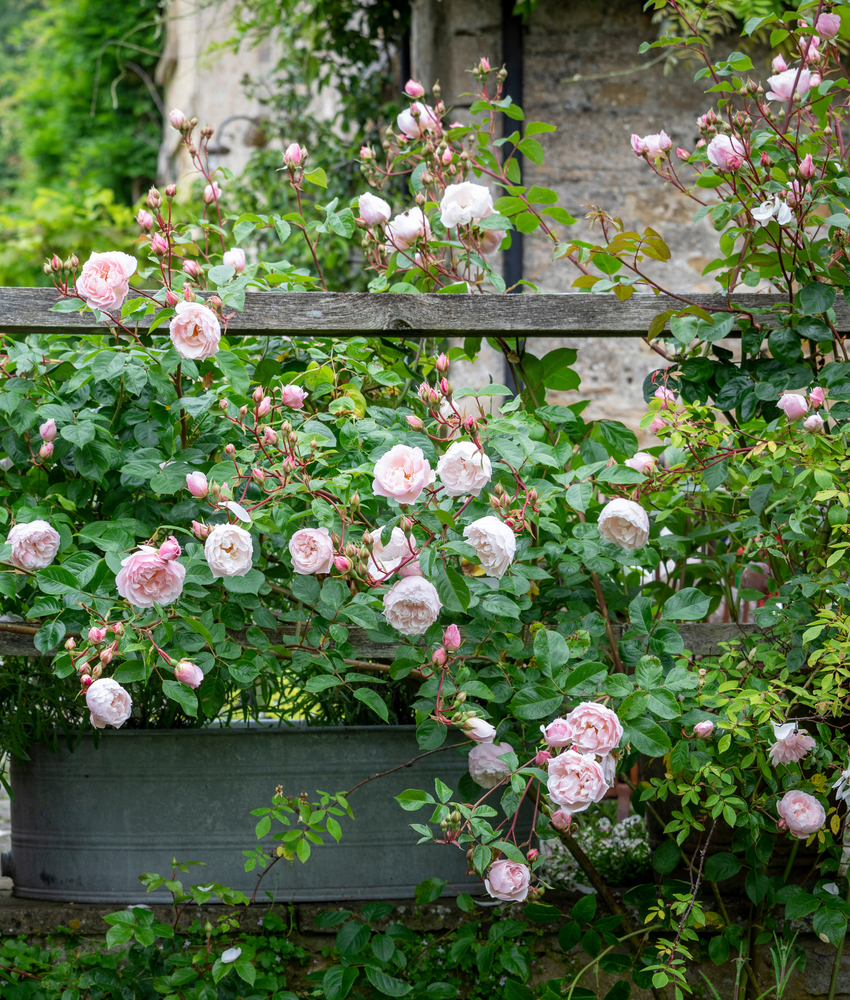
Climbing Roses have stiffer stems and larger blooms, and most repeat-flower from early summer into autumn. They are a little more composed, bringing the same sense of abundance to walls, arches, obelisks and smaller gardens.
Neither is difficult. The question is simply how much room you can give them, and where you would most like to be surprised.
Into the trees
Rambling Roses are at their most magical when they are allowed to roam. Given a sturdy tree, their vigorous stems will climb into the branches of old fruit trees, through hedgerows and along the edges of woodland, until the flowers seem to belong to the tree itself.
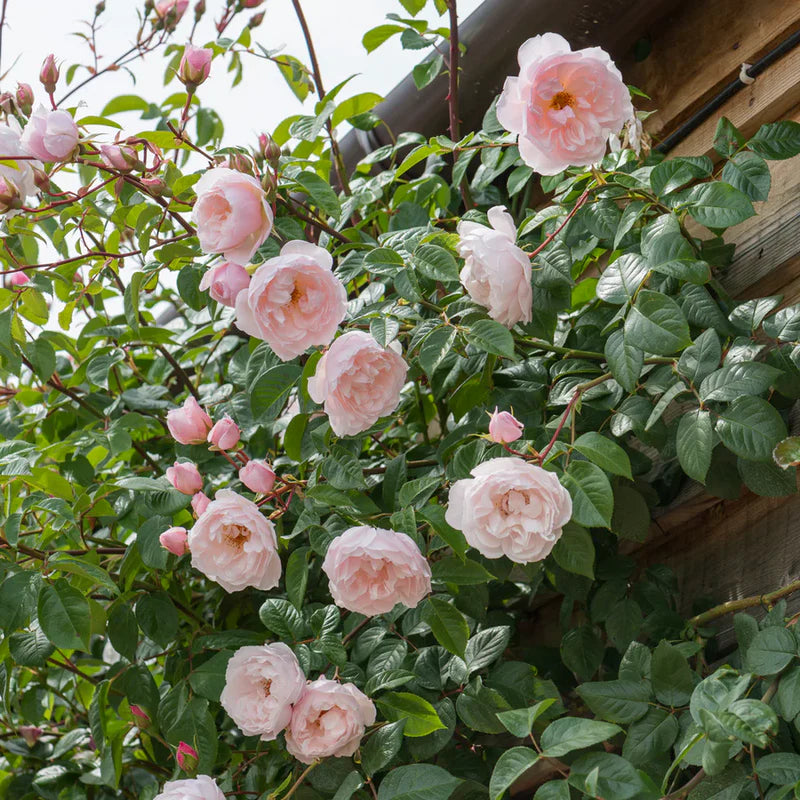
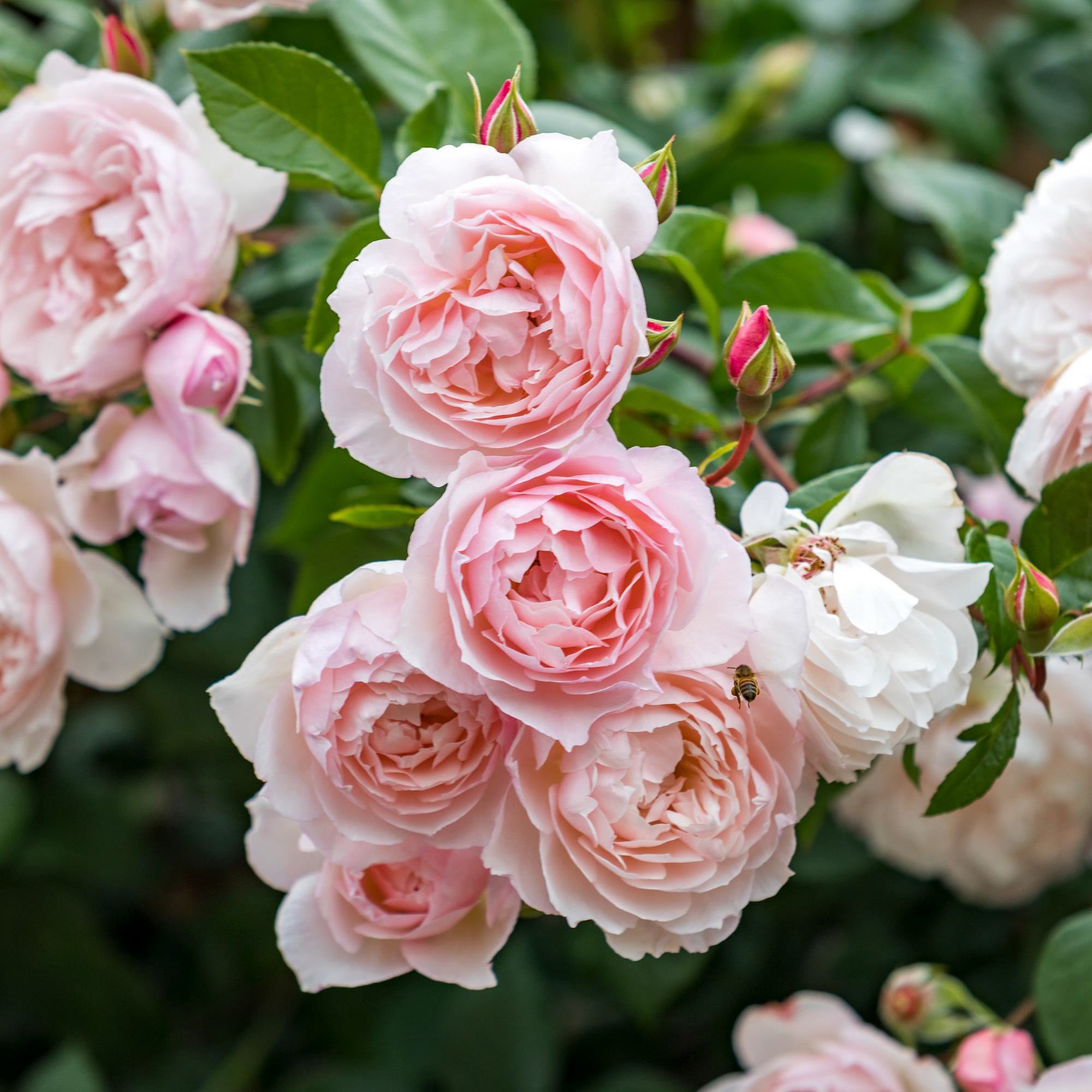
The Lady of the Lake® is a beautiful place to start: a repeat-flowering English Rambling Rose with sprays of soft pink blooms and a fresh, delicate fragrance.
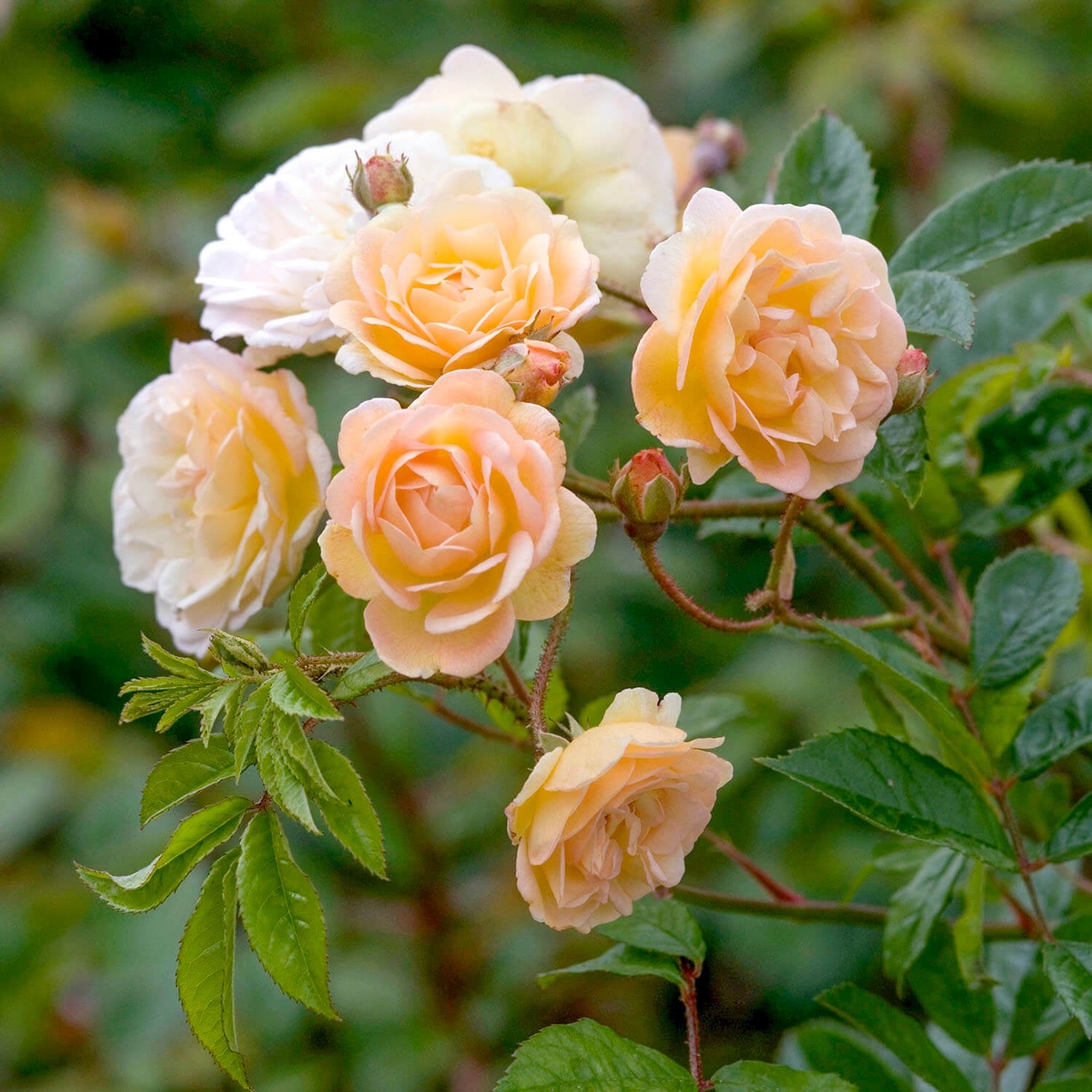
Ghislaine de Féligonde brings a warmer note, its apricot buds opening to blooms that pale gently as they age, so the whole plant shimmers with shades of cream and gold.
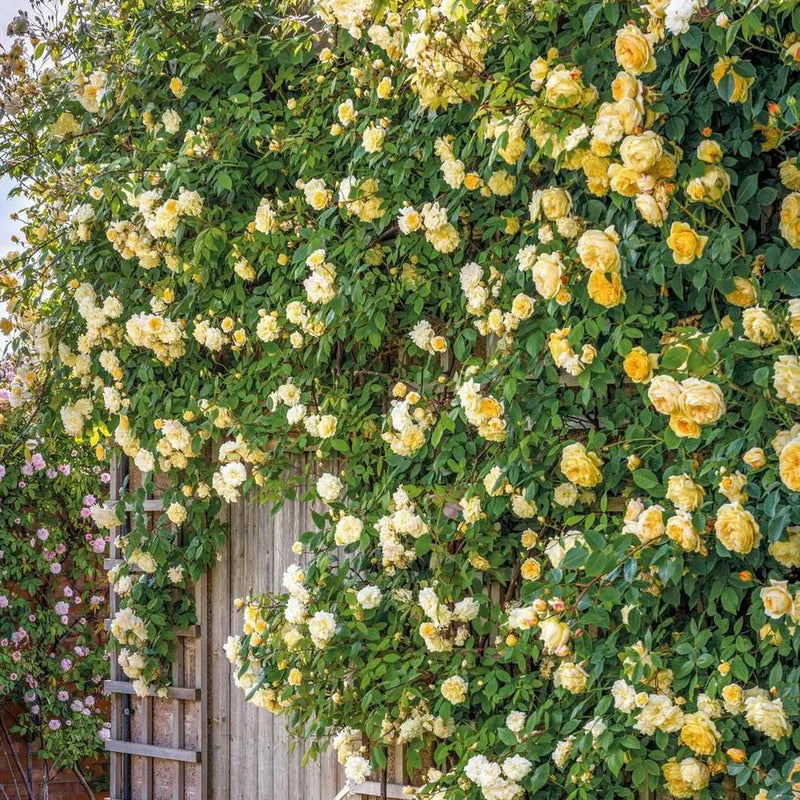
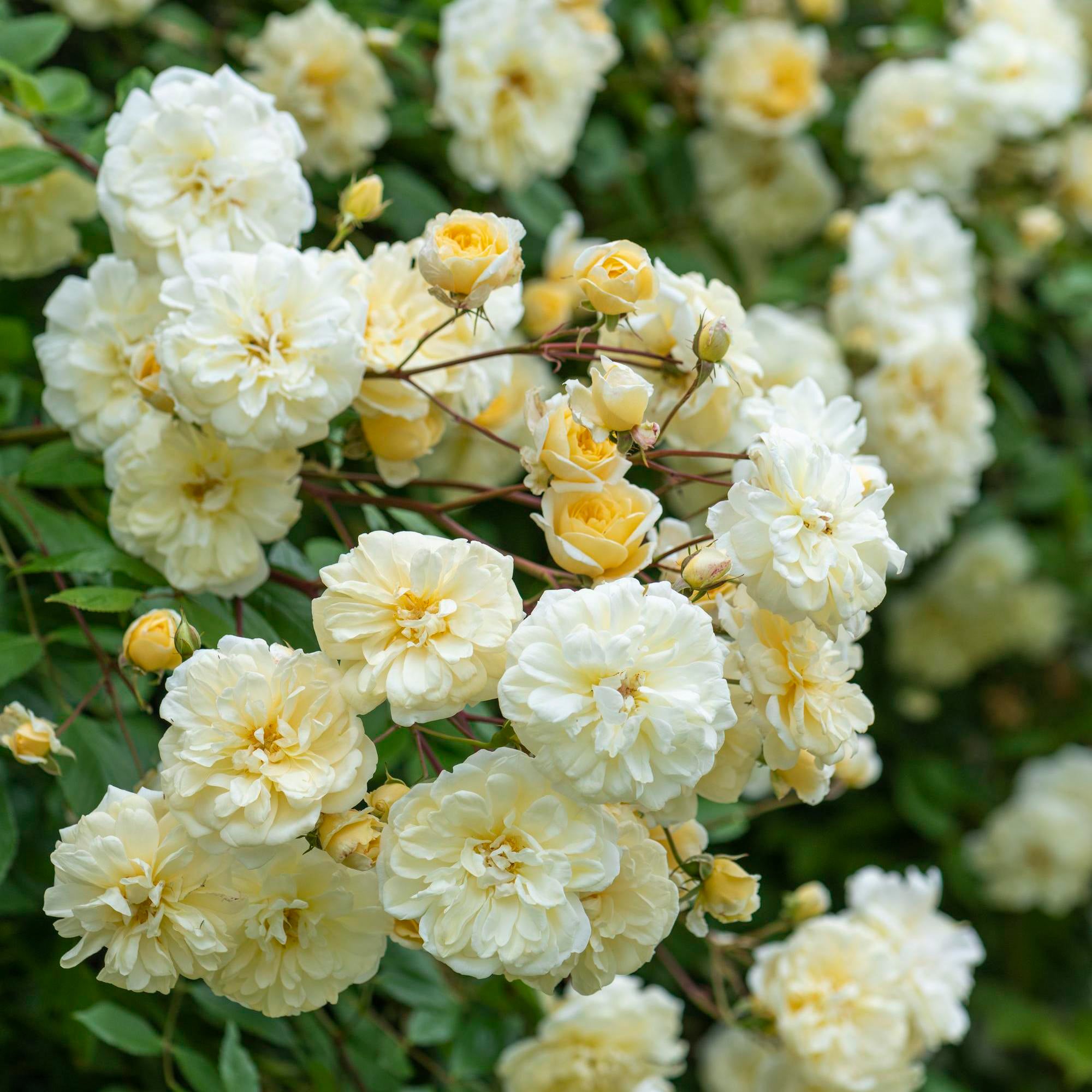
For a softer glow, Malvern Hills® carries clusters of pale-yellow flowers that look lovely tumbling from a dark canopy.
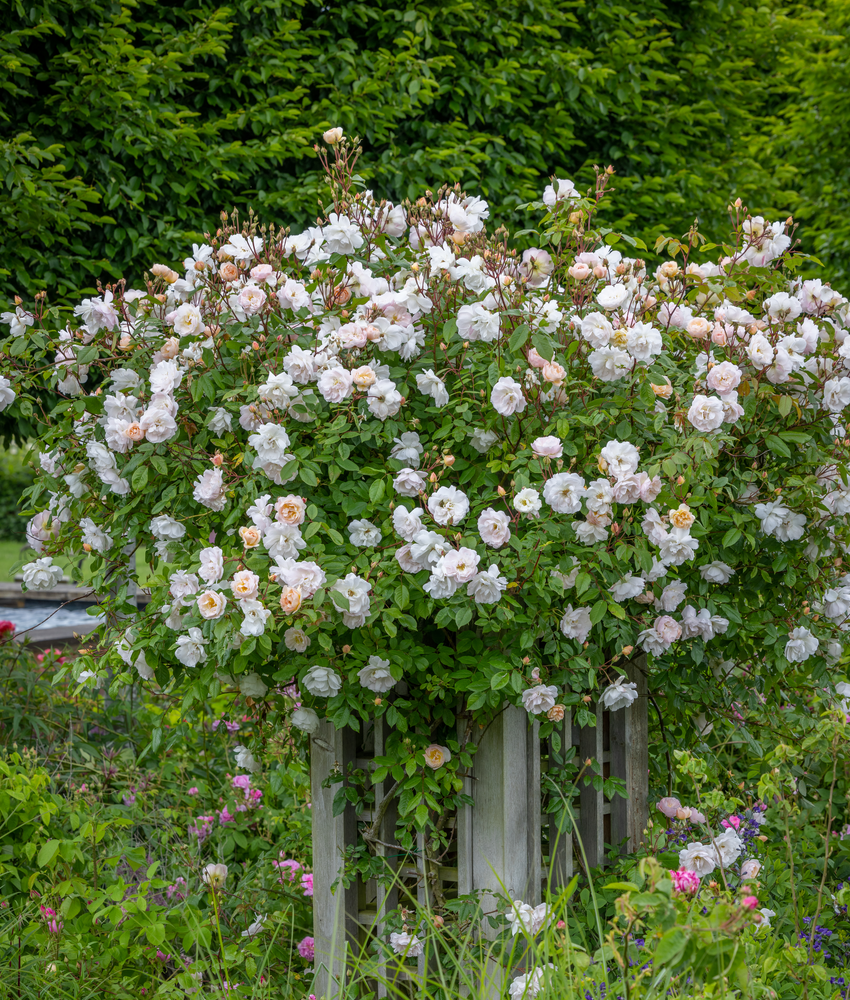
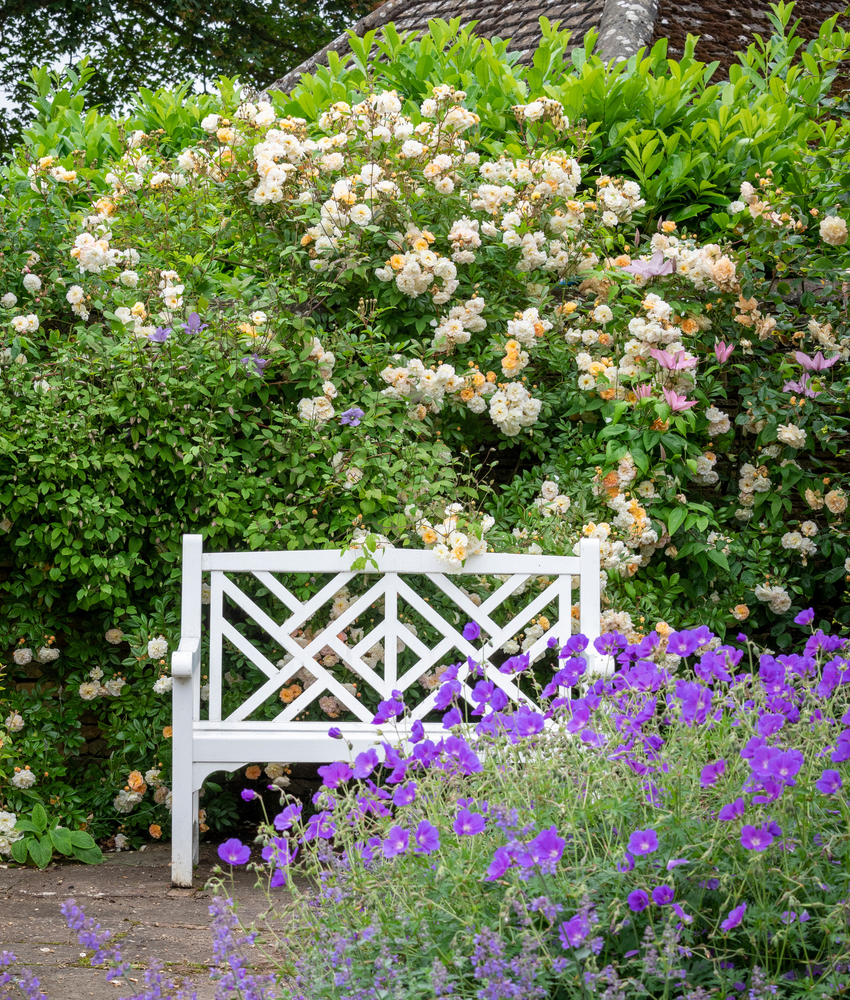
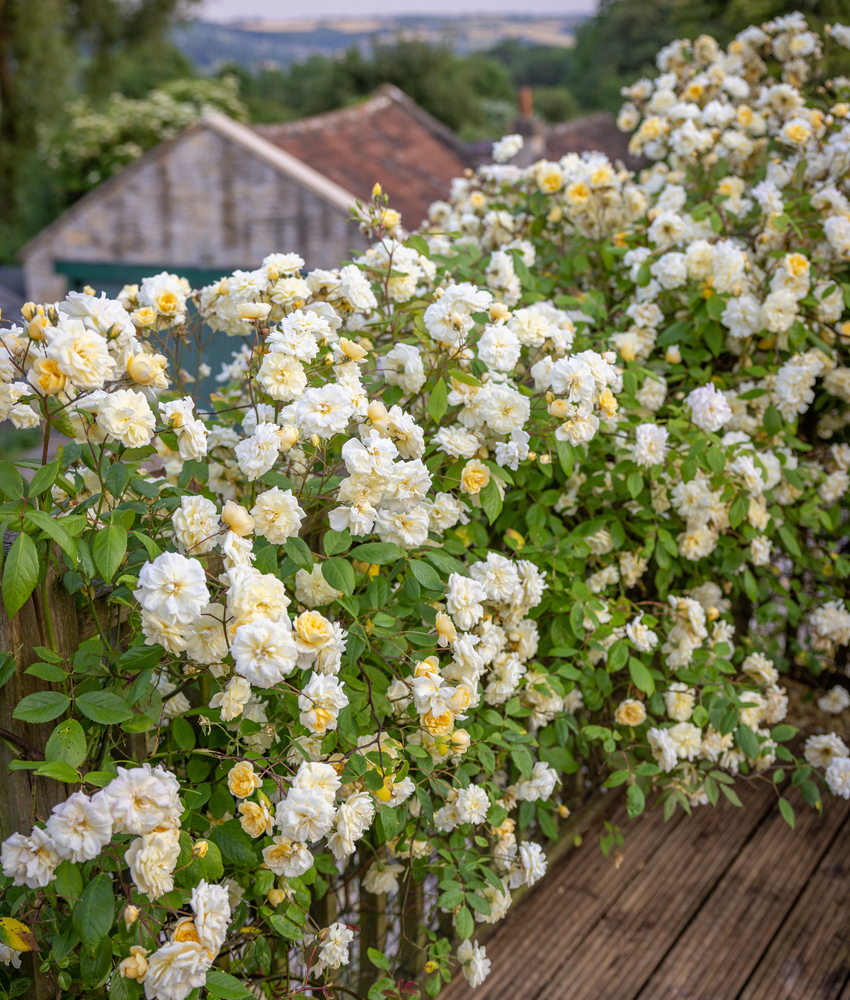
Choose a sturdy, healthy tree and plant a little way out from the trunk, where the soil is less dry. A cane or a length of rope will lead the young stems into the lower branches. After that, the rose will find its own way.
Over Old Walls and Buildings
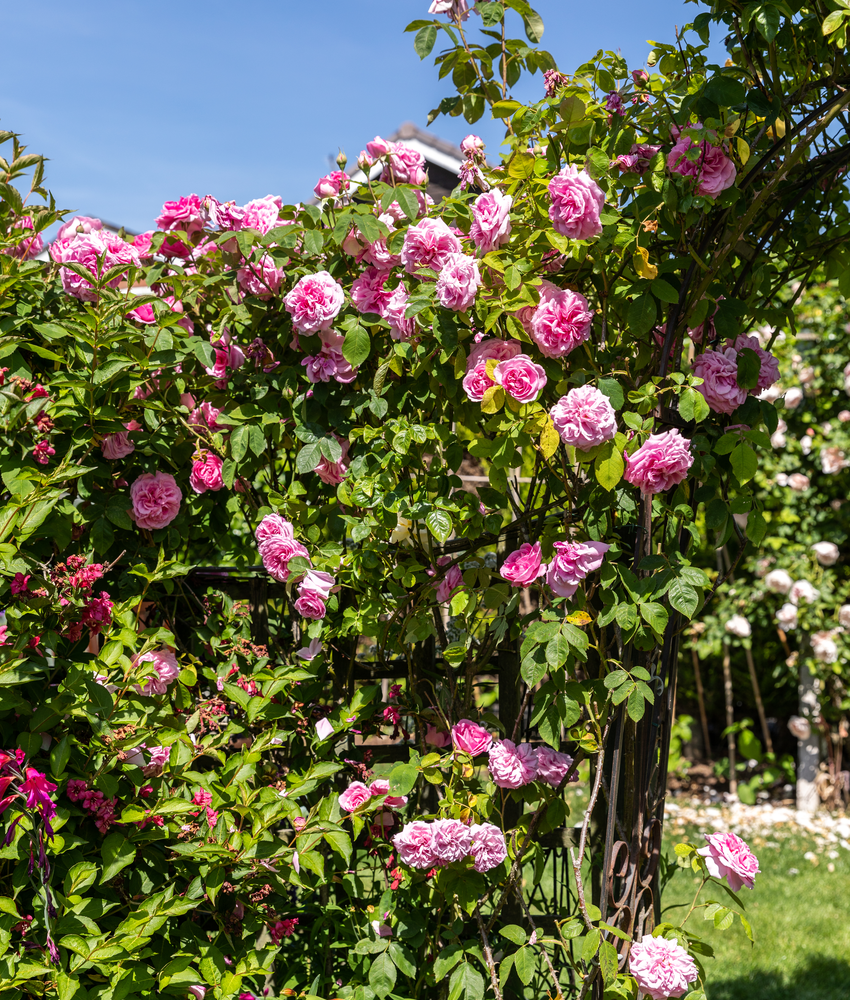
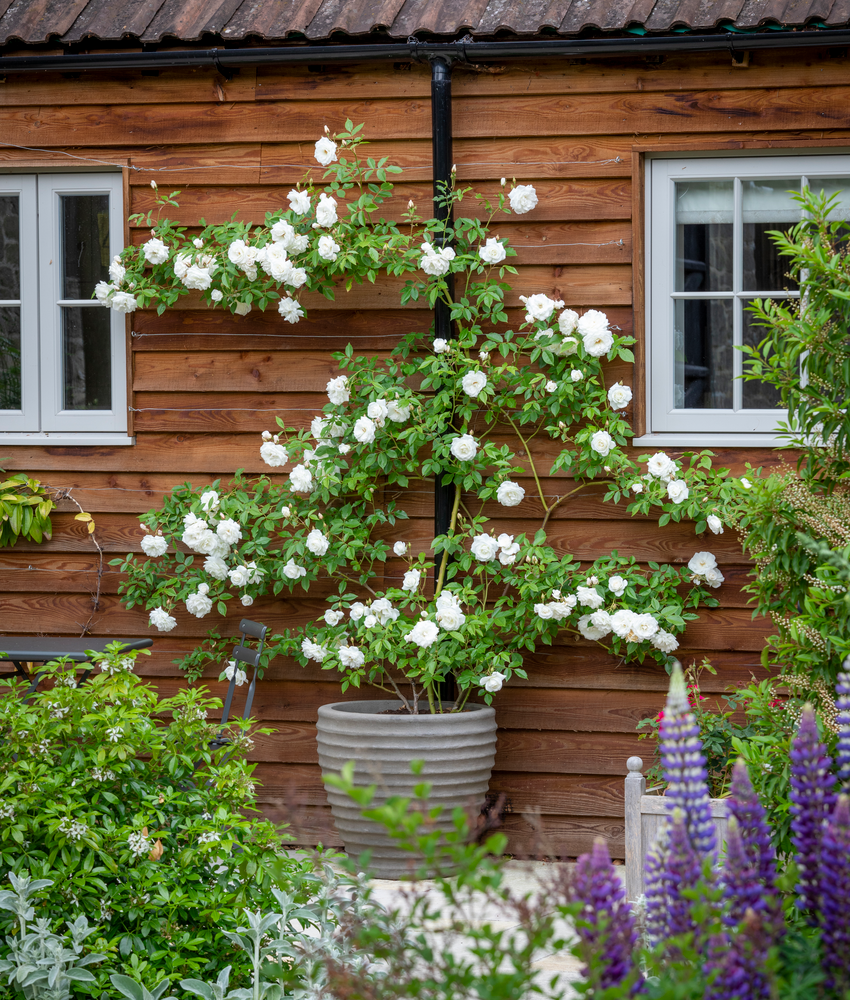
Climbers bring a sense of abundance to the structures of the garden, softening brick and stone and making a house feel settled into its surroundings.
The Generous Gardener® lives up to its name. Its soft pink, beautifully fragrant blooms are carried freely, and it is vigorous enough to be grown almost like a small rambler, spilling over a wall or along an outbuilding.
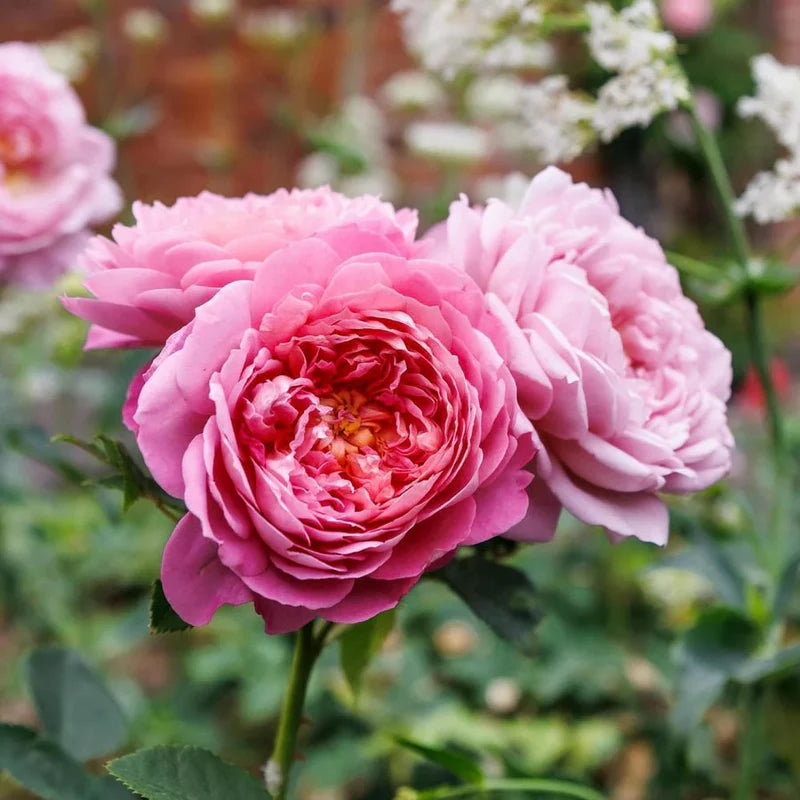
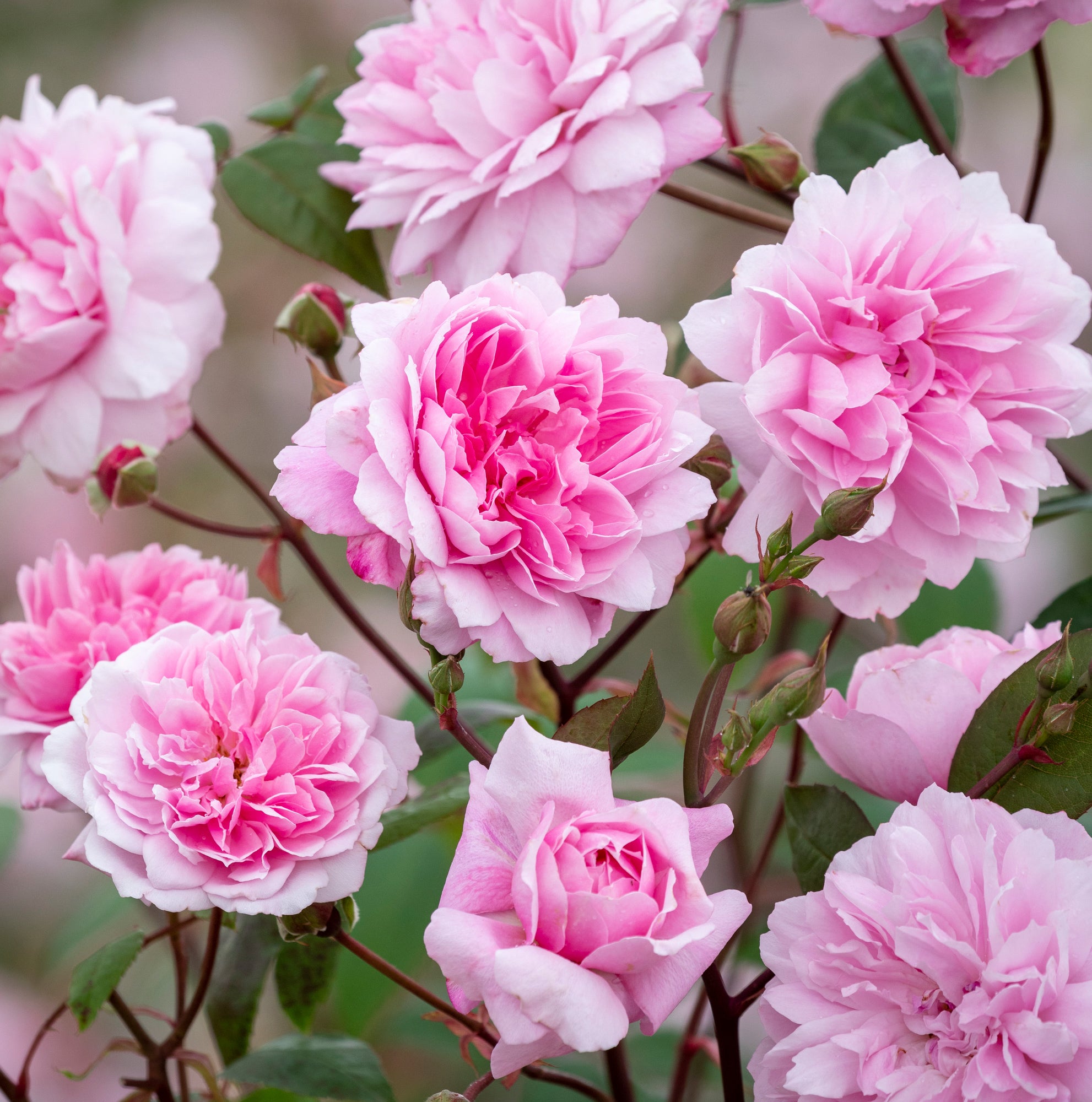
Gertrude Jekyll® is the quintessential English Rose, with rich pink flowers and a powerful Old Rose fragrance that is a joy beside a doorway or window.
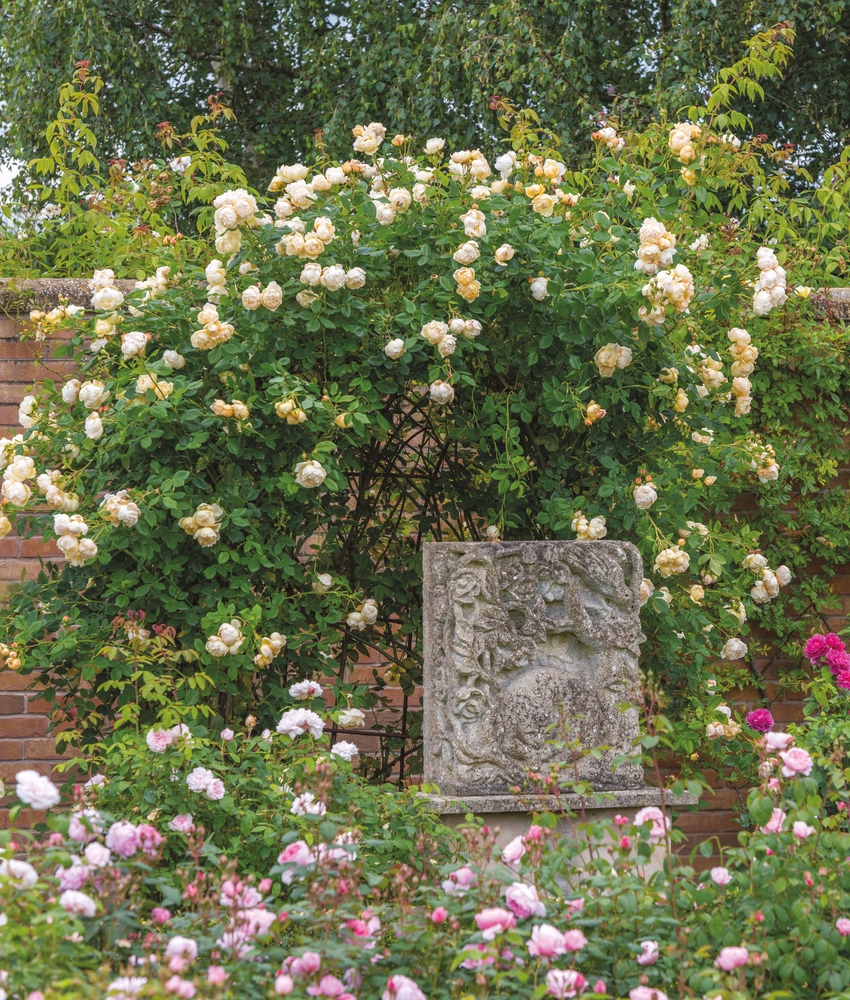
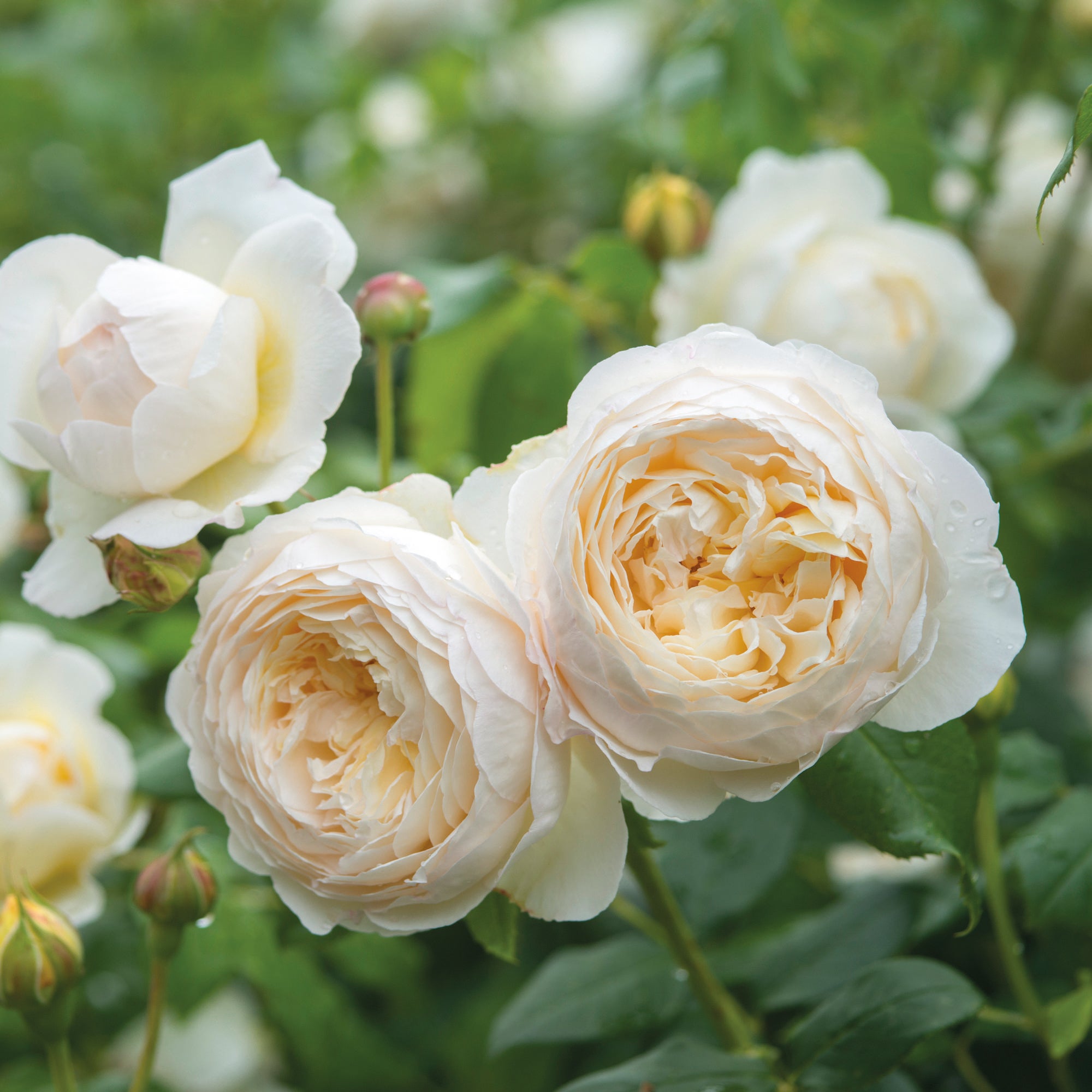
For something lighter, Claire Austin® has creamy white blooms that seem to glow against old brick, especially in the evening.
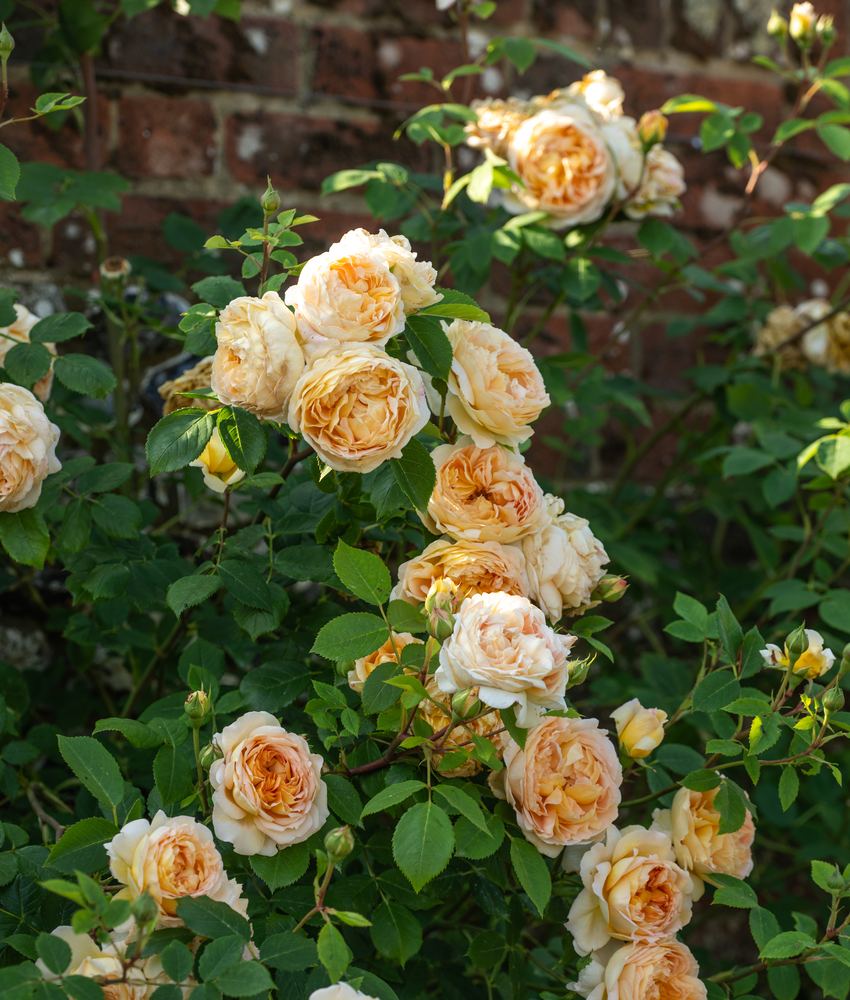
The Pilgrim® offers soft yellow flowers and is a dependable choice for trickier spots, while Wollerton Old Hall® carries cream-apricot cups with a rich, heady scent.
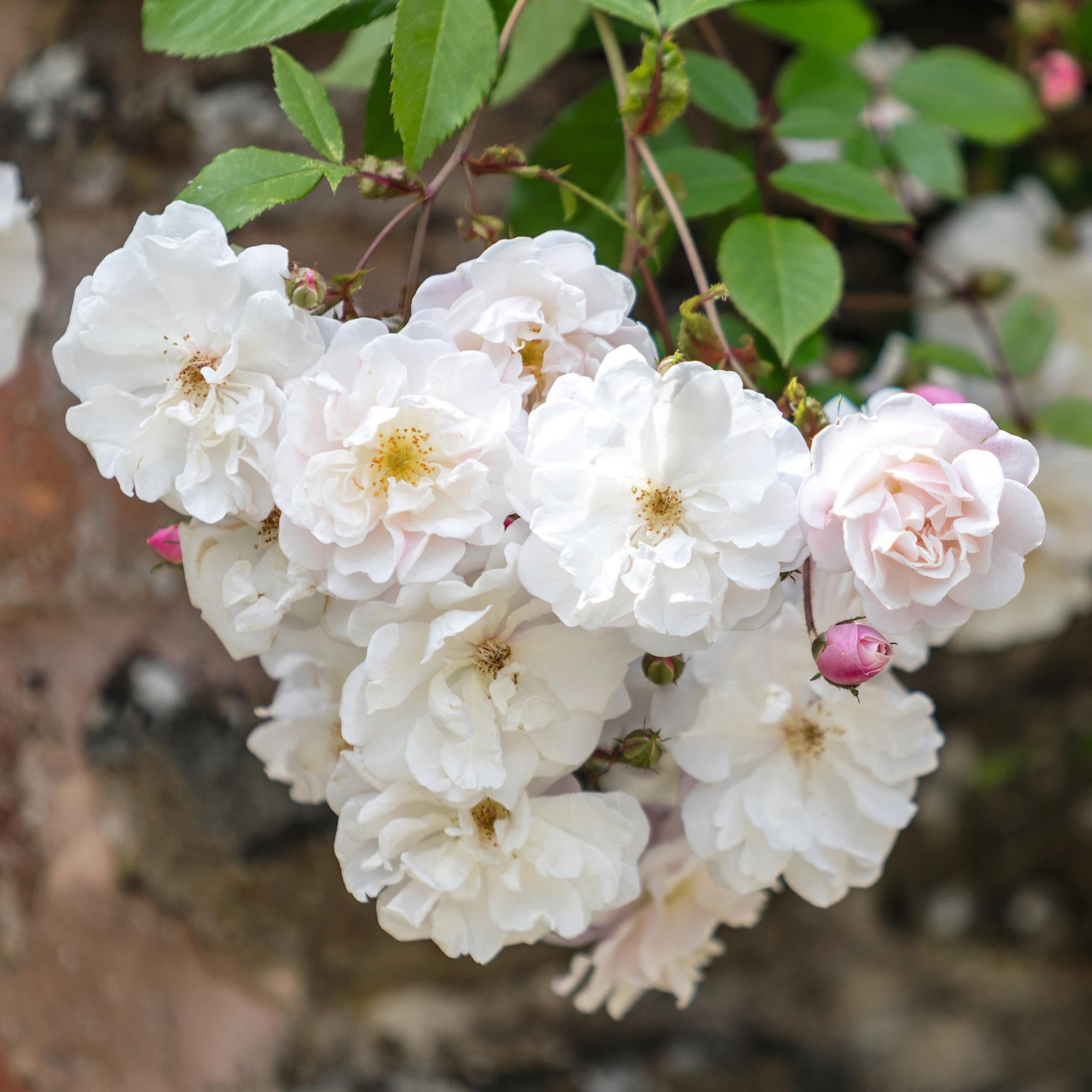
For larger or shadier walls, Mme. Alfred Carrière is a vigorous, fragrant white climber with a long history of thriving where others struggle. And for a crisp, reliable display, Iceberg covers a wall in pure white flowers through summer.
Planting climbing or rambling roses for the first time?
Our planting guide will walk you through every step.
Arches, Pergolas and Fences
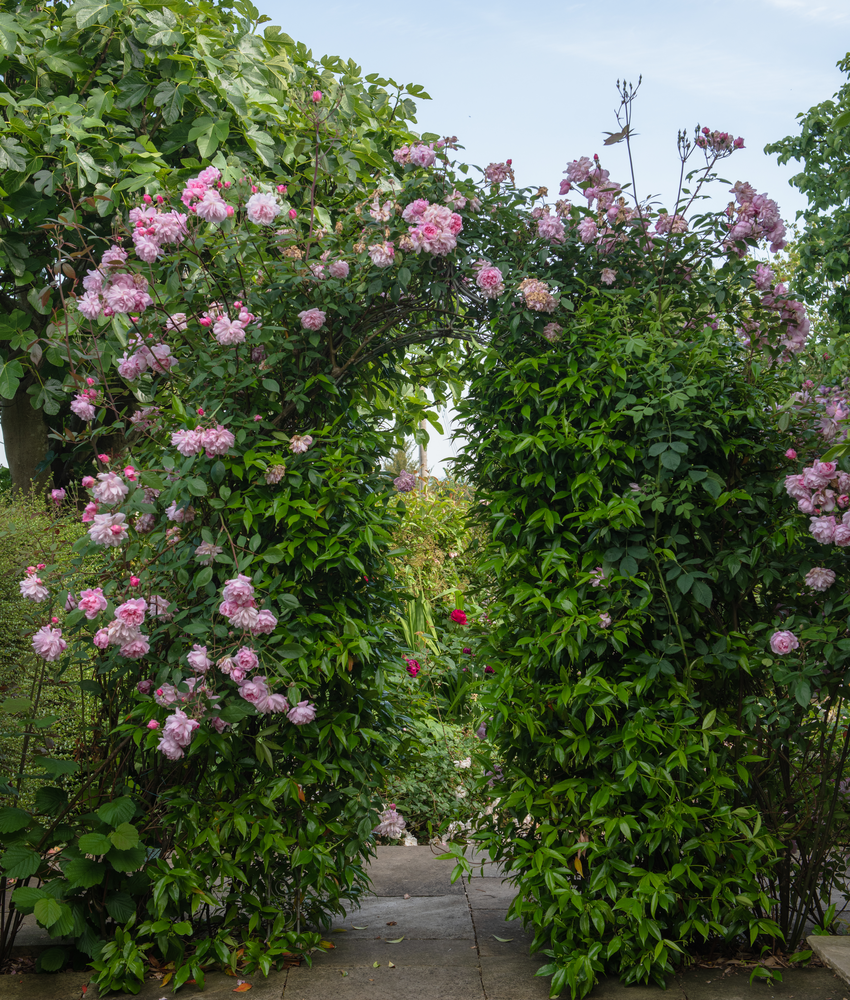
An arch or pergola turns a rose into an experience, something to walk beneath and be surrounded by. Let the stems weave across the top and drop down the sides, and a simple path becomes the most memorable part of the garden.
Mary Delany® has elegant pink blooms that are lovely seen from below, and Strawberry Hill® is generous with its fragrant pink flowers over an arch.
Where people brush past, James Galway® is a good companion, with soft pink blooms and few thorns.
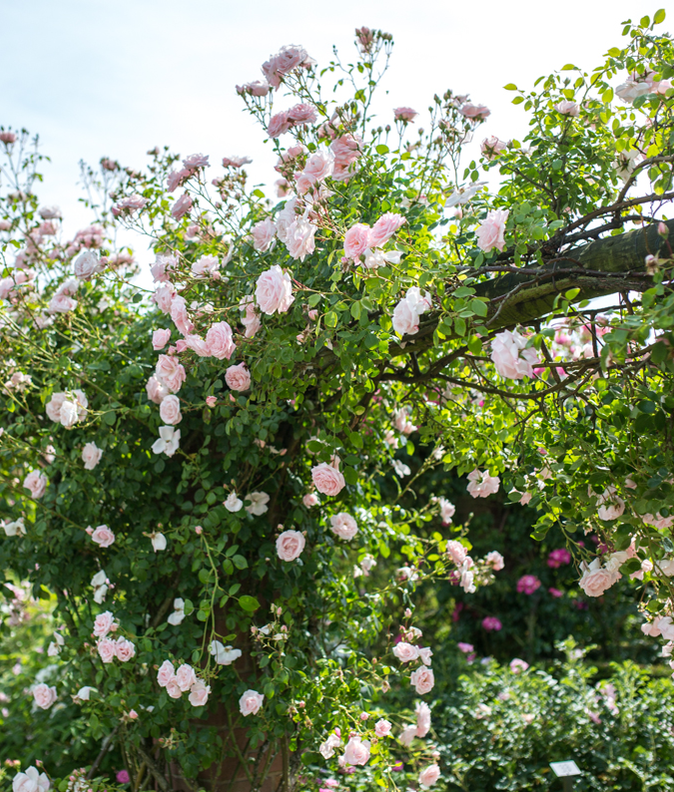
For a looser, more romantic effect, Paul Noël has wonderfully flexible stems that are perfect for swags, ropes and arches, carrying a froth of salmon-pink flowers.
And New Dawn, with its pale pink blooms and famously easy nature, will happily clothe a fence or pergola for years with very little fuss.
Small Spaces and Pillars
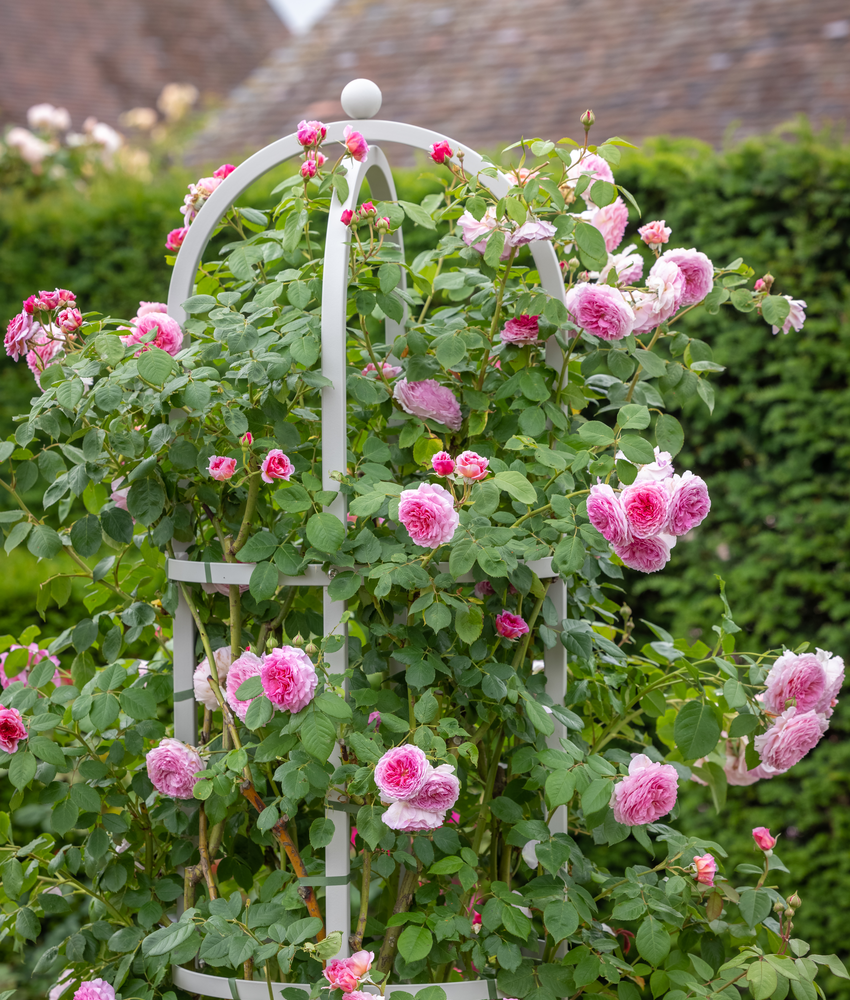
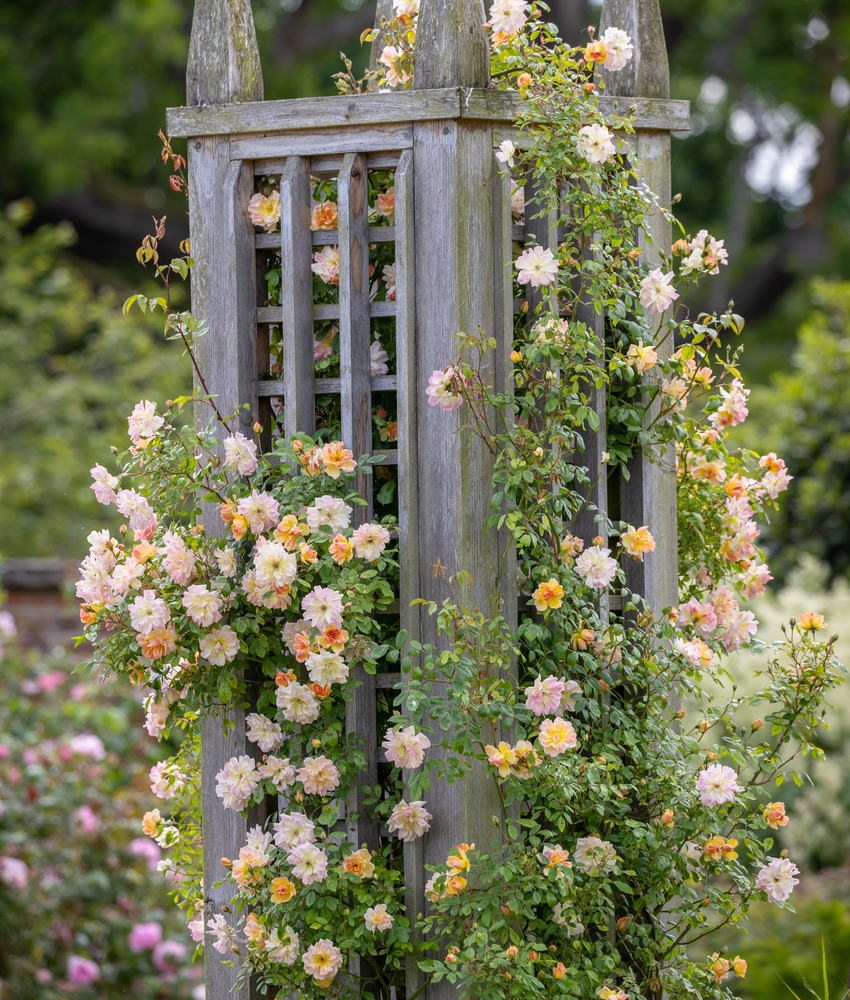
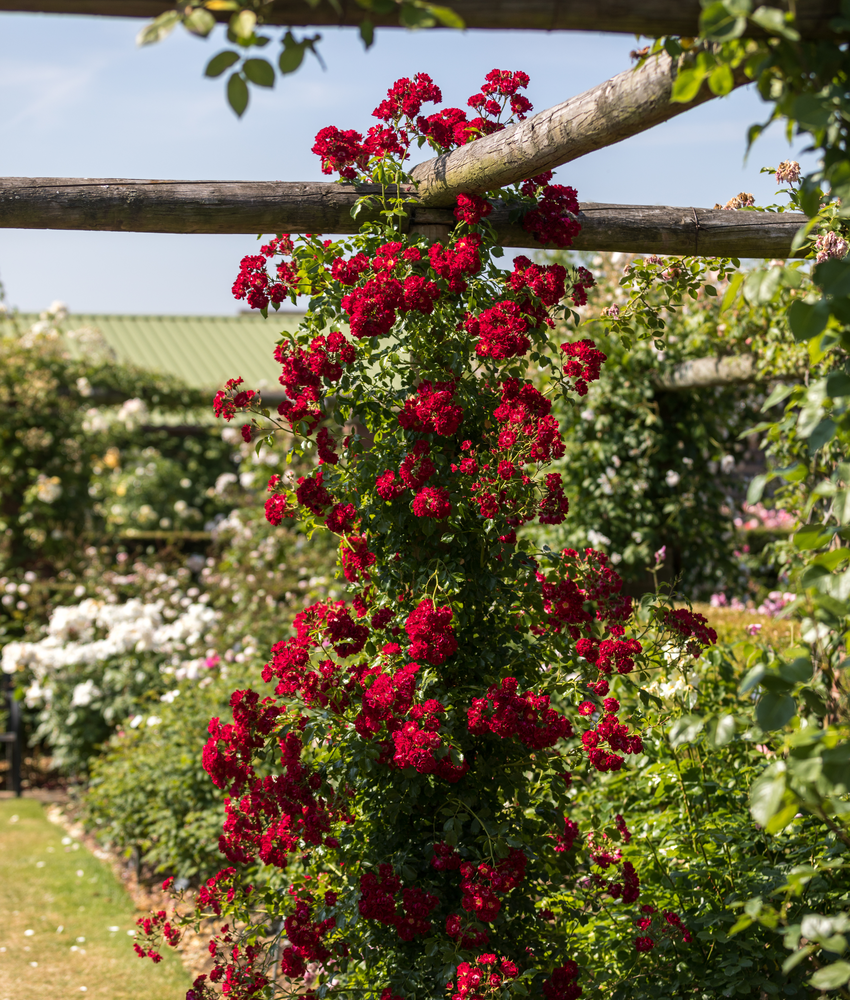
You don't need an orchard to grow a rambling rose. Some of the loveliest varieties are compact enough for a pillar, an obelisk or a small courtyard wall, bringing that same sense of untamed abundance to a smaller garden.
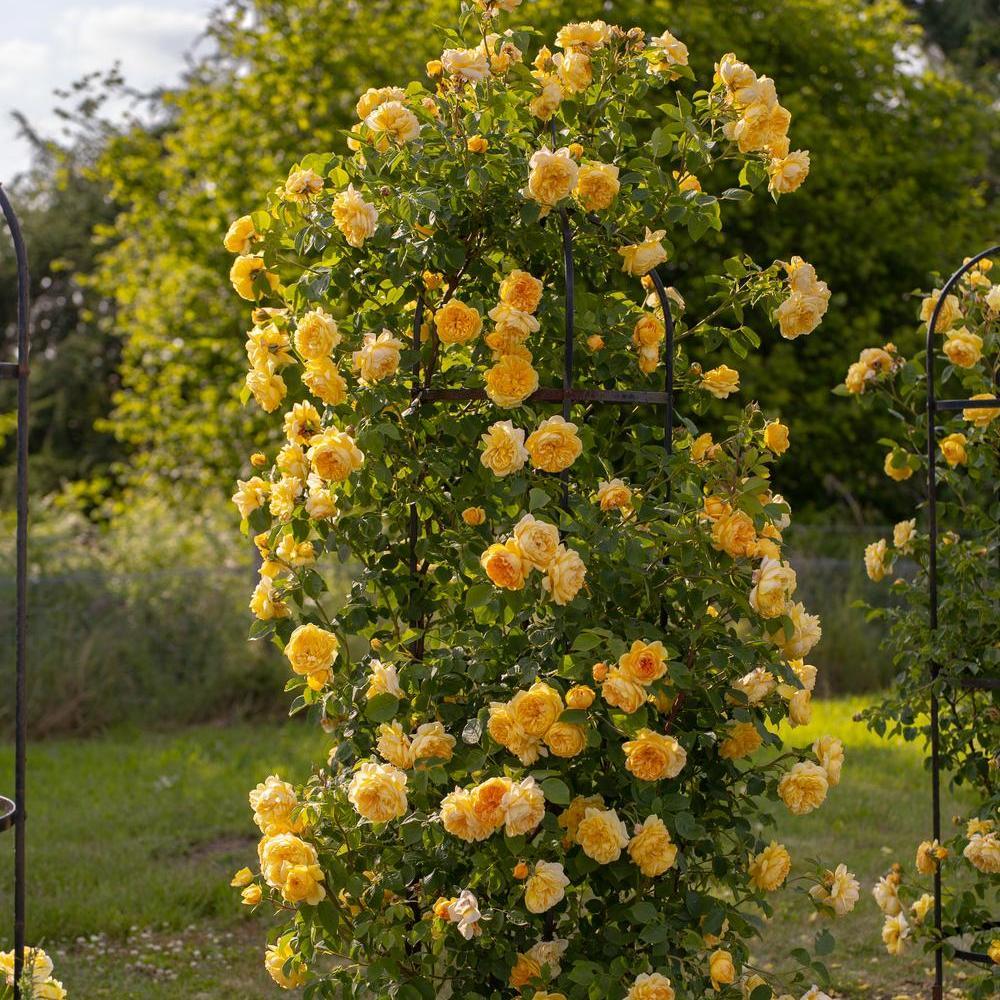
Rambling Rosie is a compact rambler covered in bright clusters of small flowers, perfect for a pillar or a short fence. Phyllis Bide carries dainty sprays of small blooms and is ideal for an obelisk in a border, where it will mingle with the plants around it. Among the climbers, Bathsheba® brings warm apricot-pink tones to a small wall or arch, and Bring Me Sunshine® does exactly what its name suggests, with cheerful yellow blooms that lift a smaller space.
The only skill required is restraint.
Climbing and Rambling Roses ask for very little. A little guidance in the early years is all they need. The rest is theirs to decide.
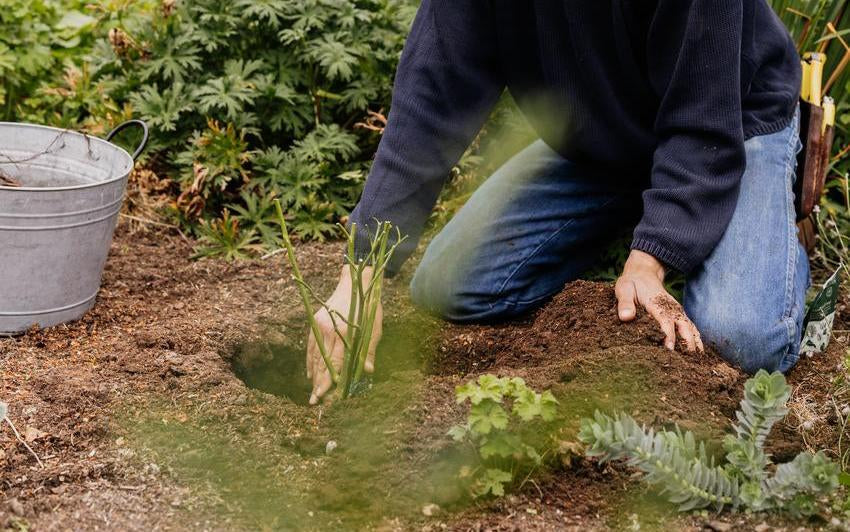
Autumn through to spring is the perfect time to begin. Bare root roses, planted between November and March, settle in quickly while the plant is dormant and will be ready to flower from next summer.
- Give them space to grow - Plant around 30–45cm away from a wall or fence, and a little further from a tree
trunk, where the soil is kinder and the rain can reach the roots. - Point them in the right direction. Lean the plant gently towards its support and lead the young stems towards the wall, branch or arch with a cane.
- Tie in loosely. Use soft twine and leave room for the stems to thicken. On walls and fences, training some stems towards the horizontal encourages more flowers along their length.
- Then step back. Resist the urge to tidy. A stem wandering off in its own direction is often where the loveliest moments come from.
Not Quite Designed, but Discovered
Give a Climbing or Rambling Rose something to climb and a little freedom, and it will do the rest. Over the seasons, it will find its way into the branches, over the wall and across the arch, creating moments you could never quite have planned.
The result is a garden that feels richer, wilder and more alive. It feels not quite designed but discovered.
-
The Untamed Beauty of Climbing and Rambling RosesPicture an old apple tree in early summer. High among its branches, far above where anyone thought to plant a thing, sprays of soft flowers tumble from the canopy and scent the air below. It looks as though it simply happened. In truth, it began with a single rambling rose planted at the foot of the tree a few winters before, given just enough guidance to find its way up.
-
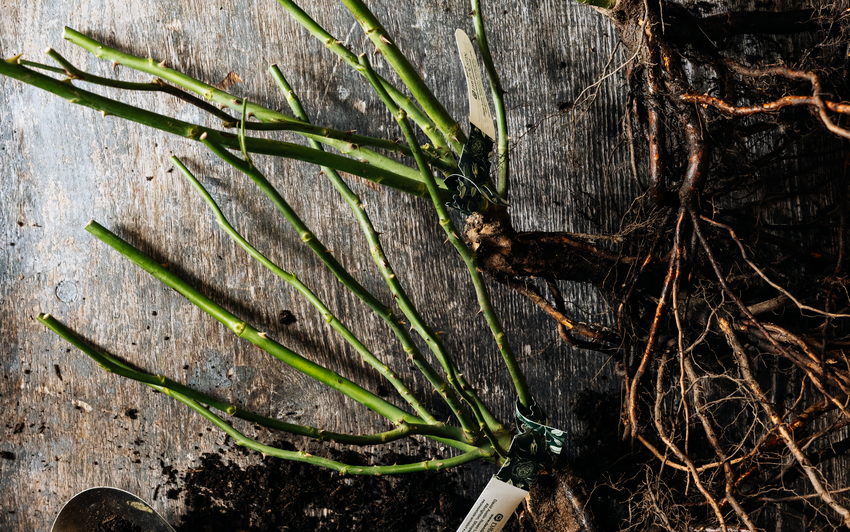
What Is a Bare Root Rose? A Beginner's Guide to Every PartOpening the box on your first bare root rose is an exciting moment. Inside, you'll find a neat bundle of roots and sturdy stems, carefully packed and resting for winter. There are no leaves or flowers yet, and that is exactly as it should be. Everything your rose needs to grow, flourish and flower for years to come is already there, ready and waiting for spring. Getting to know each part of your rose, and what it does, makes planting simple and helps you give it the very best start.
-
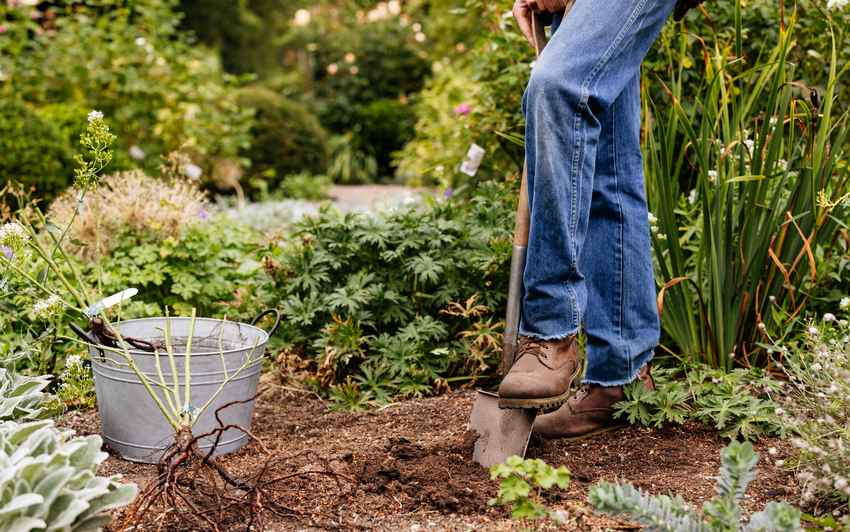
Get Your Garden Ready for Bare Root Rose SeasonBare root rose season runs from November to April, making the cooler months a lovely time to introduce new roses to your garden. Whether you're planning a new border, adding to an existing collection or planting a climbing rose against a favourite wall, there is plenty to look forward to.
-
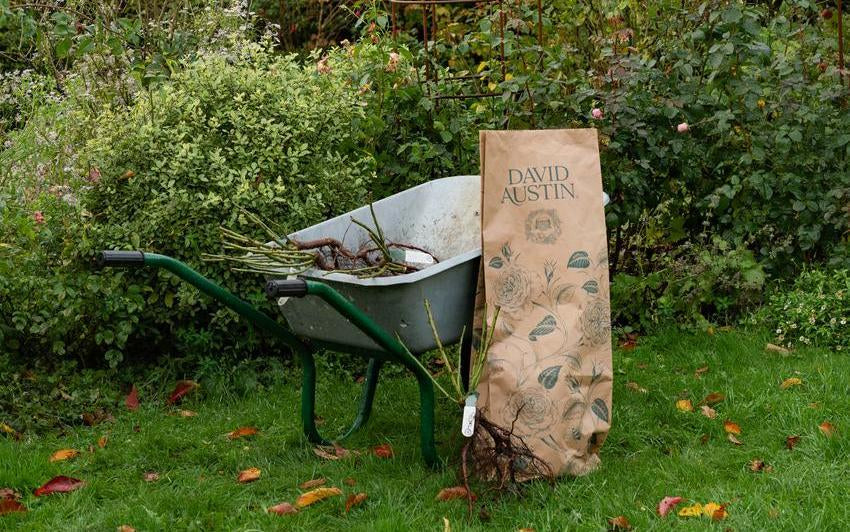
Bare Root or Potted? Why Our Roses Come Two WaysAcross the year, you'll find two different forms of David Austin® rose available. For much of the year, our potted roses are ready and waiting, cut back and dormant during the cooler months, in leaf and growth through the warmer ones. Then, once the growing season draws to a close, our bare root roses come into their own, dug fresh from the field and sent out while fully dormant, just as English roses have been grown and shared for generations.
-
The Comfort of Autumn in the Rose GardenAutumn brings a particular kind of morning. You pull on a favourite jumper, step outside and feel the cooler air on your face, and somehow the day feels a little clearer. Leaves gather beneath your feet, the soil smells rich and damp, and the low sun turns everything a soft shade of gold.
-
Designing with Standard Roses: Creative Ways to Style Your GardenStandard roses possess an inherent charm that immediately refines any outdoor space. Often referred to as tree roses, these beautiful plants lift your favourite blooms off the ground, presenting them at eye level on clean, structural stems. While they are a staple of formal landscapes, their unique height makes them incredibly versatile for relaxed, modern, and informal spaces too.


