
Pruning Roses: A Guide for the Season Ahead
Pruning is one of the most rewarding jobs you can do for your roses. It brings shape and structure to the plant, refreshes it for the season ahead, and helps encourage a generous display of flowers.
For many gardeners, pruning can feel daunting. There is always the worry of cutting too much, or cutting in the wrong place. In truth, roses are resilient, and pruning is not about perfection. It is about gently guiding the plant into balance, removing what no longer serves it, and making space for new life.
This guide covers the essentials of when and why to prune, along with links to step-by-step advice for different rose types.
Pruning is one of the simplest ways to help a rose perform at its best.
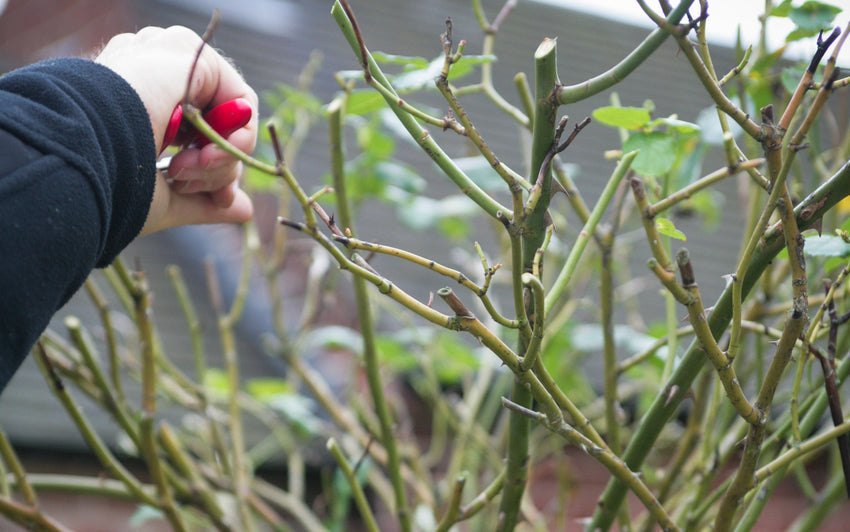
In January and February, the plant is resting. It is still dormant and ready to be shaped. By removing certain stems at this time of year, you encourage the rose to send up fresh growth as the weather begins to warm. By encouraging fresh growth, you help the rose stay healthy, well-shaped, and ready to flower beautifully in the months ahead.
As well as encouraging blooms, pruning helps you create a shapely, attractive plant with good coverage and structure, ensuring it looks as beautiful in leaf as it does in flower.
Essentials
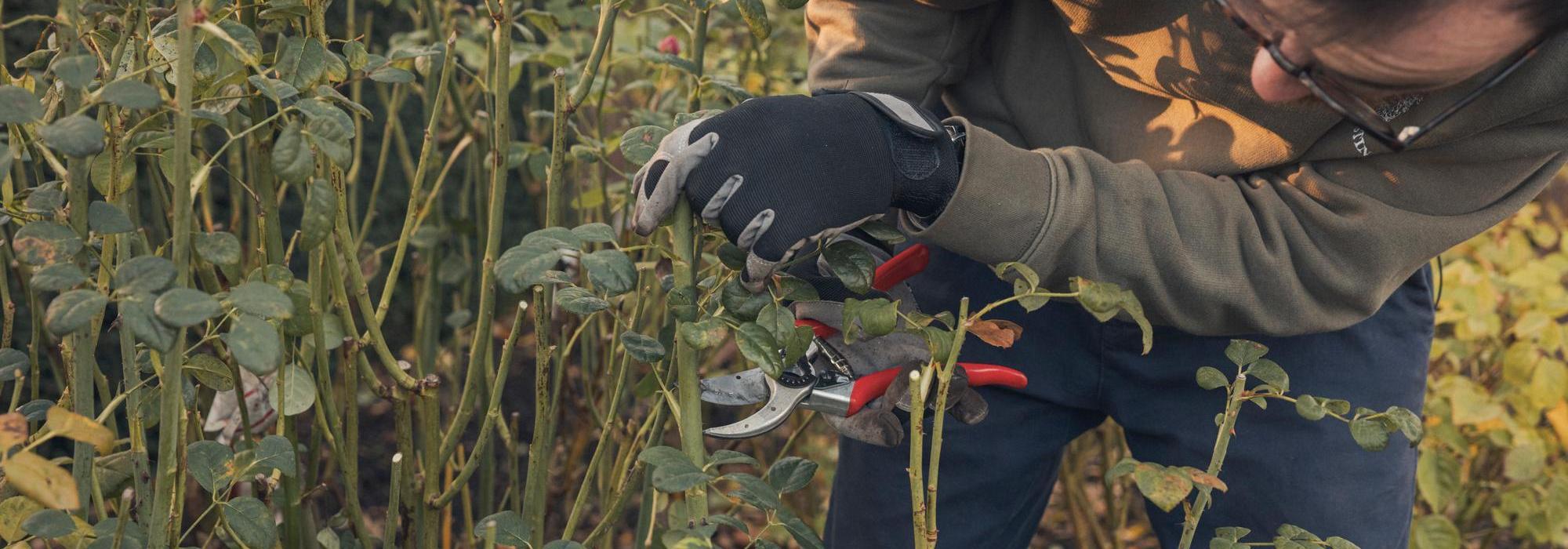
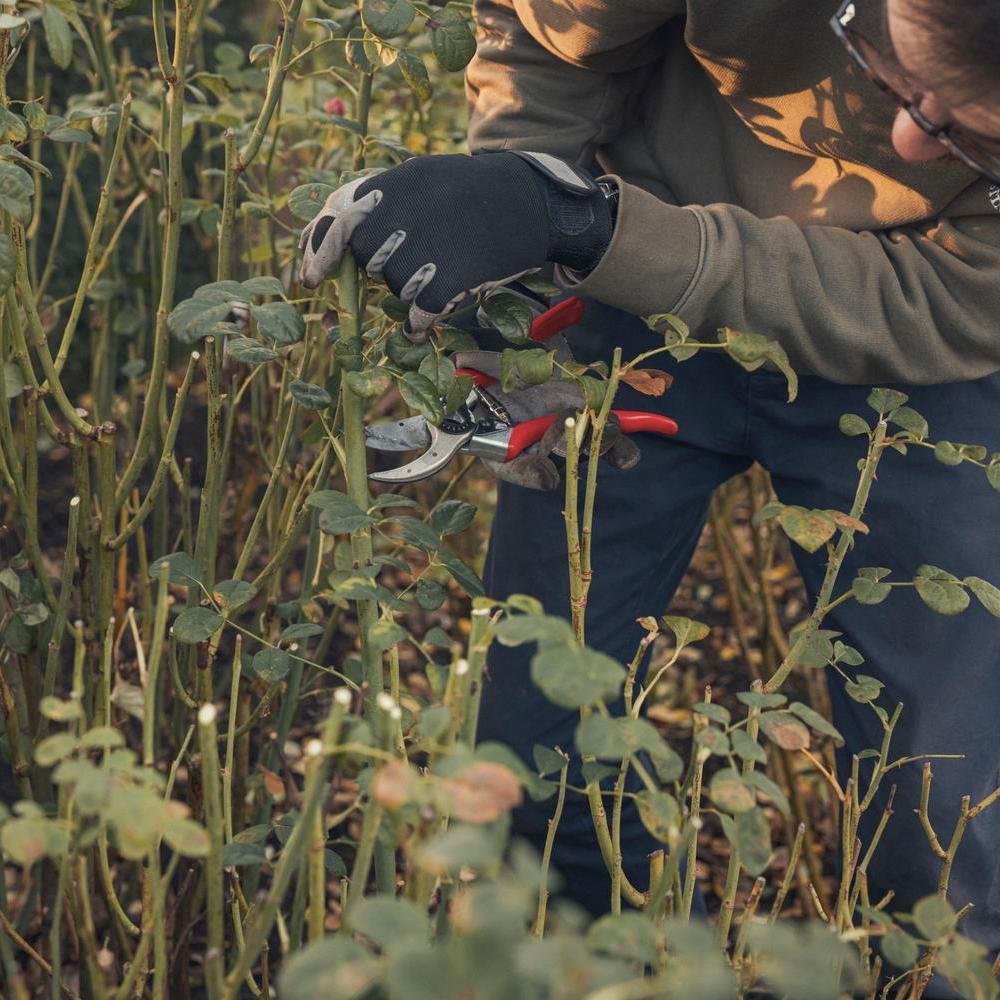
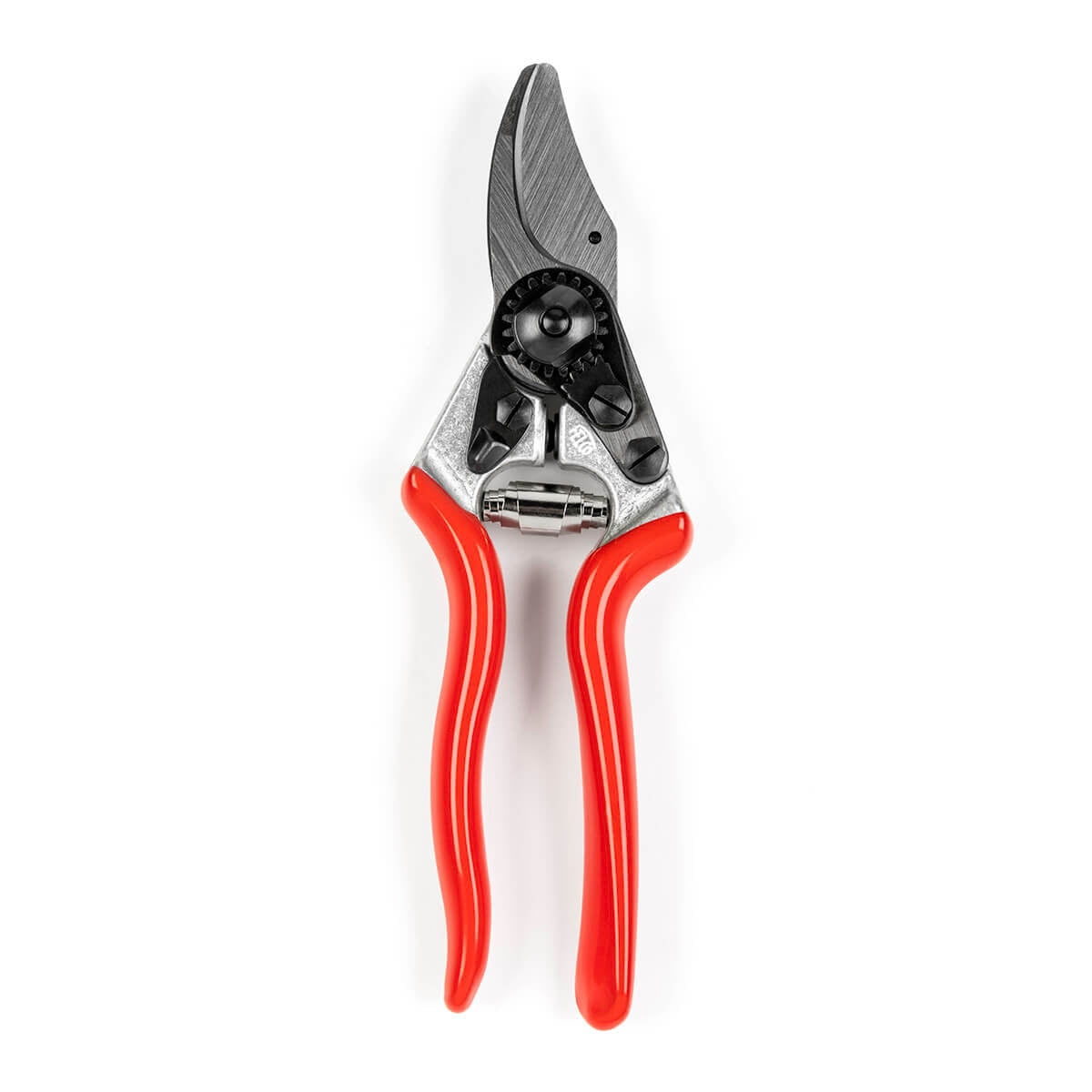
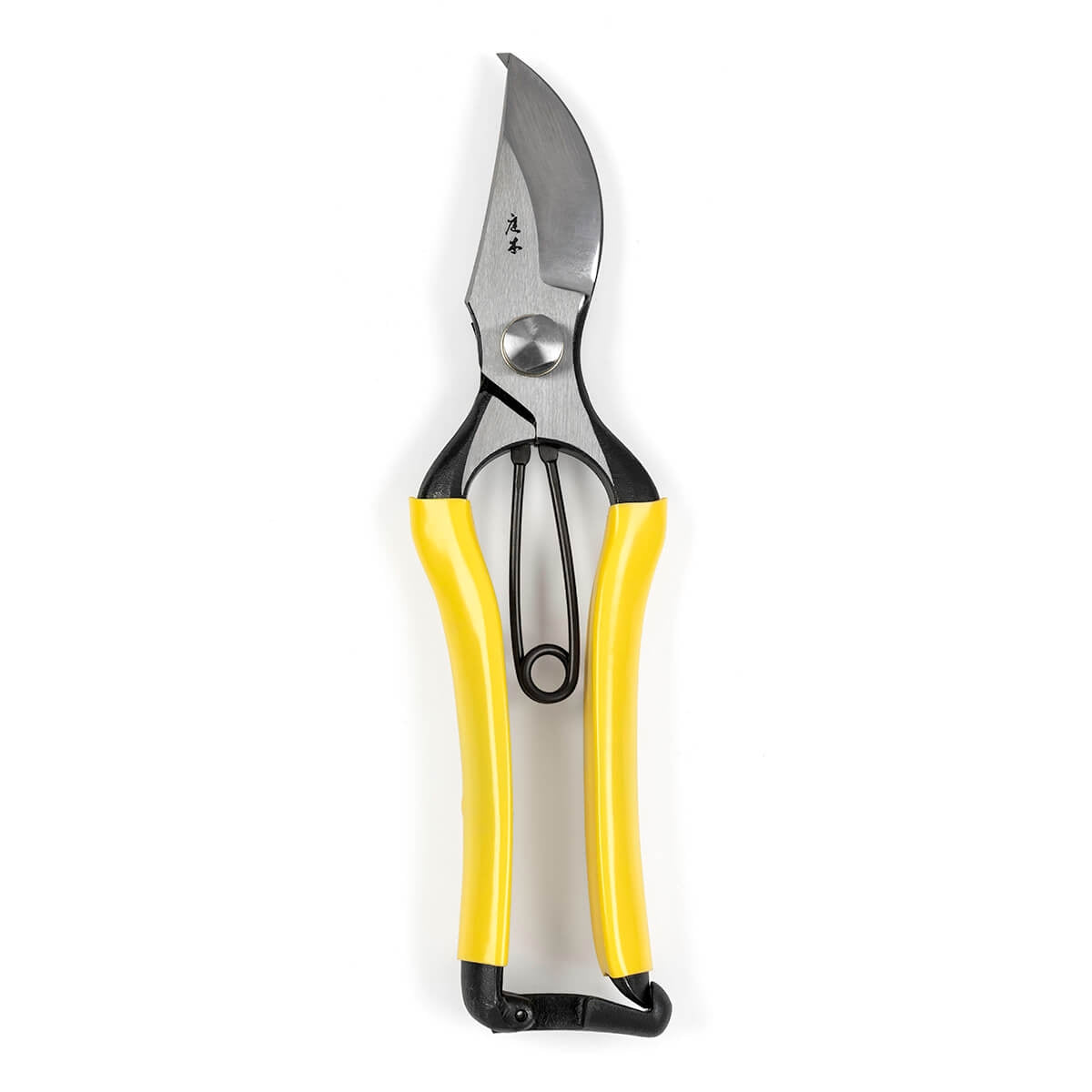
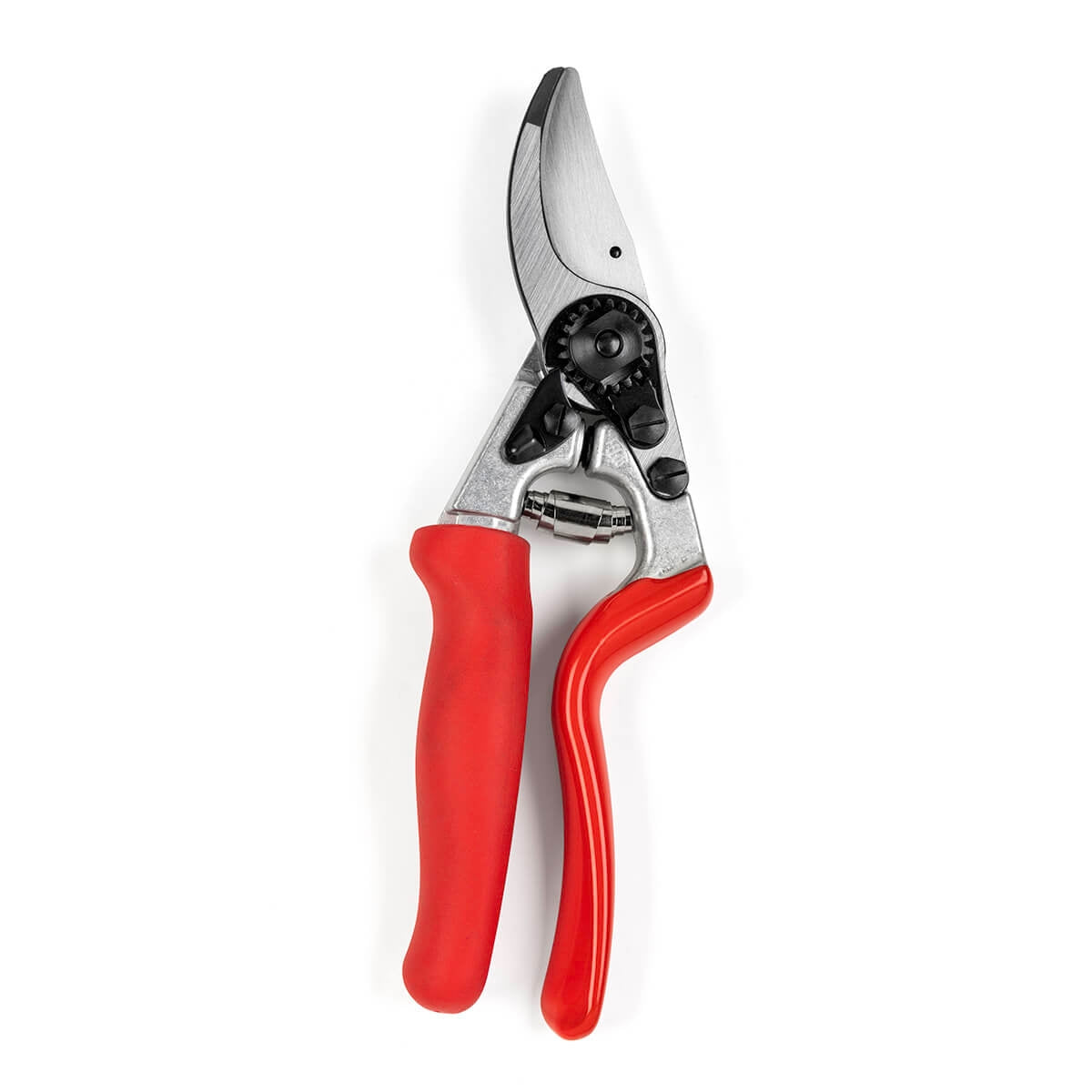
- A pair of secateurs & holster
It is worth sterilising secateurs from time to time, particularly if you are removing diseased growth, as this helps prevent spreading infection from one plant to another.
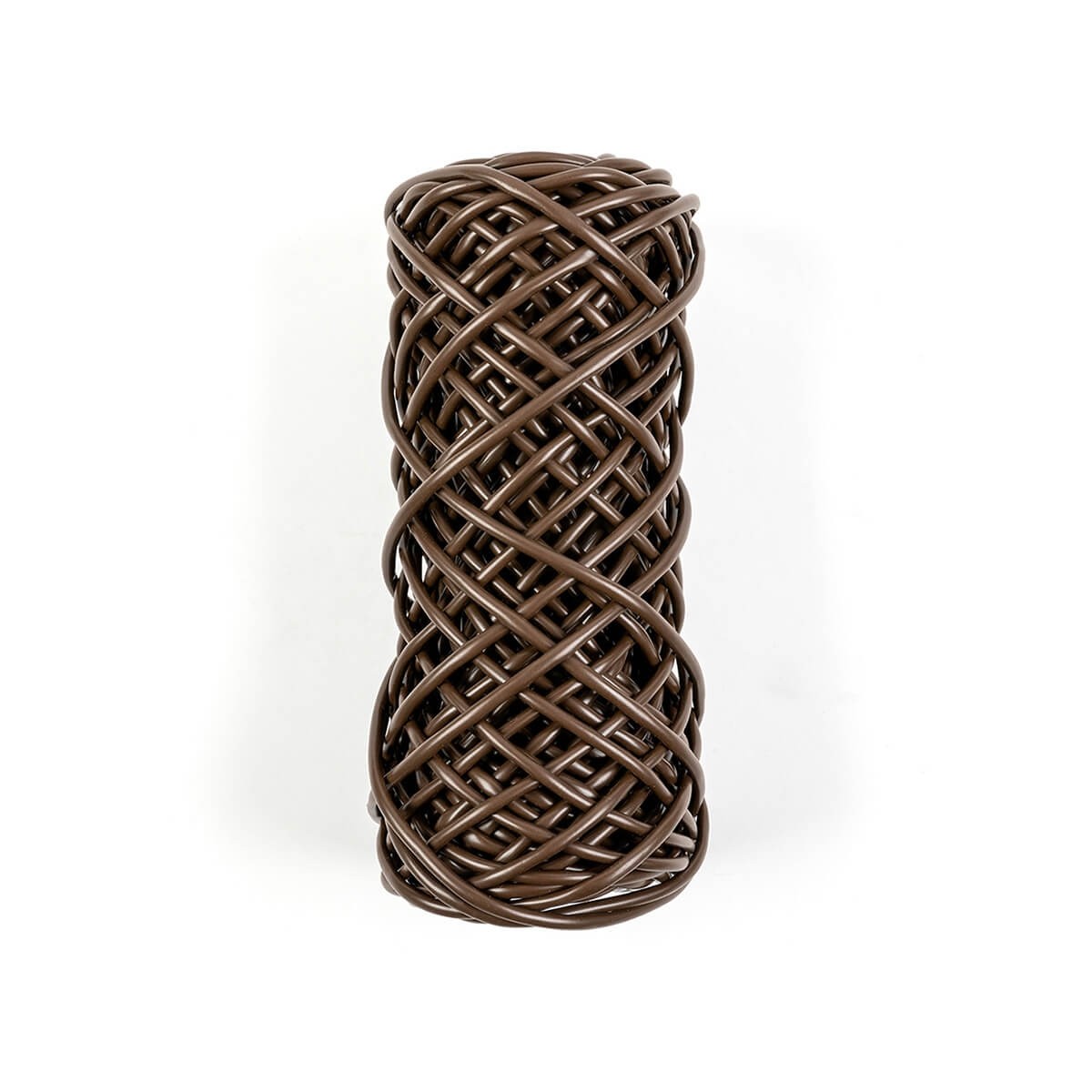
- Flexi-Tie Roll (or similar soft tying material)
- Gloves & Gardenwear
- Vine eyes
- Galvanised wire
Optional
- Long handled loppers
- Kneelo Kneeling Pad
- Niwaki Kneeling Pad
- Kneelo Knee Pads
- Pruning saw for older shrubs can be useful for thick, woody stems.
- A wheelbarrow or bucket to gather old leaves and pruned stems
Winter pruning is best completed while roses are dormant, and for most gardens that means January or February.
If you notice signs of new growth and you still haven’t pruned, don’t worry. It is still better to prune than to leave the plant unshaped. The only real difference is that flowering may be delayed slightly later into the season.
And if March arrives and you still haven’t done it, you haven’t missed your chance. Roses respond well to pruning, and they will still benefit from a cut back.
A few key pruning principles
Pruning advice is often passed down with very specific “rules”, but it is worth remembering that roses are forgiving.
Don’t worry too much about where you cut
Traditional guidance suggests cutting just above a leaf joint, with a sloping cut away from the bud. While this is often repeated, there is no evidence to suggest it is essential. It is far more important to prune with confidence and aim for a balanced, well-shaped plant.
Clear away all foliage carefully
Any old foliage should be removed from around the rose and disposed of carefully. Rose leaves should never be composted, as they can harbour spores that initiate disease. Clearing leaves away helps start the season cleanly and reduces the risk of problems later on.
Why pruning helps maximise flowering
To prune is to decide where the rose will spend its energy. Without pruning, a rose may carry too much older growth and become congested. Flowering can become weaker, and the overall shape less pleasing. When you prune, you create space and structure. You encourage the rose to grow well, with fresh energy, and a shape that supports flowering across the plant.
In simple terms, pruning helps because it supports:
- Healthier growth
- Better structure and coverage
- More balanced flowering
It is one of those gardening tasks that feels bold in the moment, but generous later on.
How to Prune Different Types of Roses
Not all roses are pruned in quite the same way. The overall principles remain consistent, but the details change depending on how the rose grows and flowers. Below you’ll find a starting point for each type, with links to more detailed guidance.
-
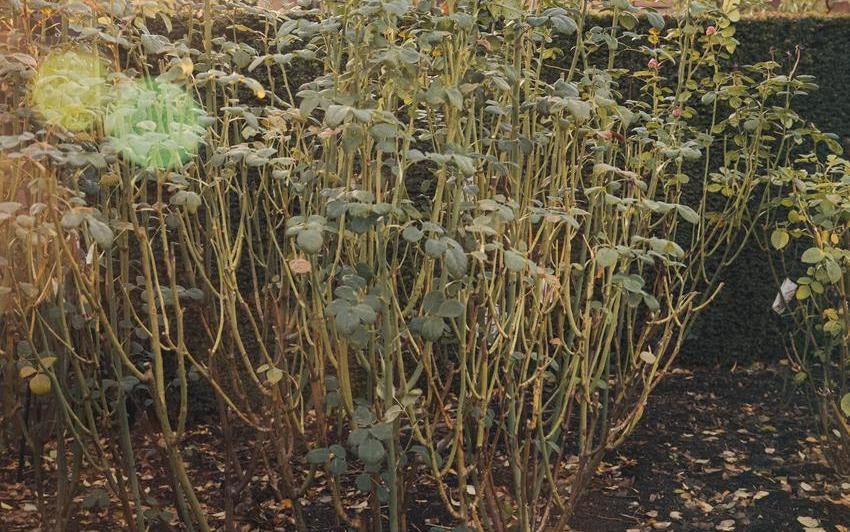 How to Prune Repeat Flowering Shrub RosesEnglish shrub roses thrive with an annual prune, keeping their shape, renewing growth, and supporting generous flowering.Read more
 -
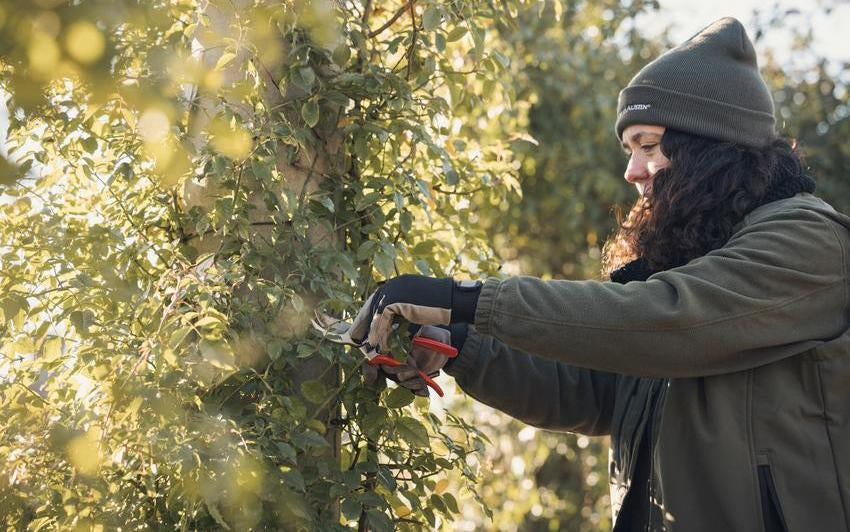 How to Prune Repeat Flowering Climbing and Rambling RosesPrized for long stems and a graceful habit, they clothe structures with bloom; pruning maintains a strong framework and flowers along each stem.Read more
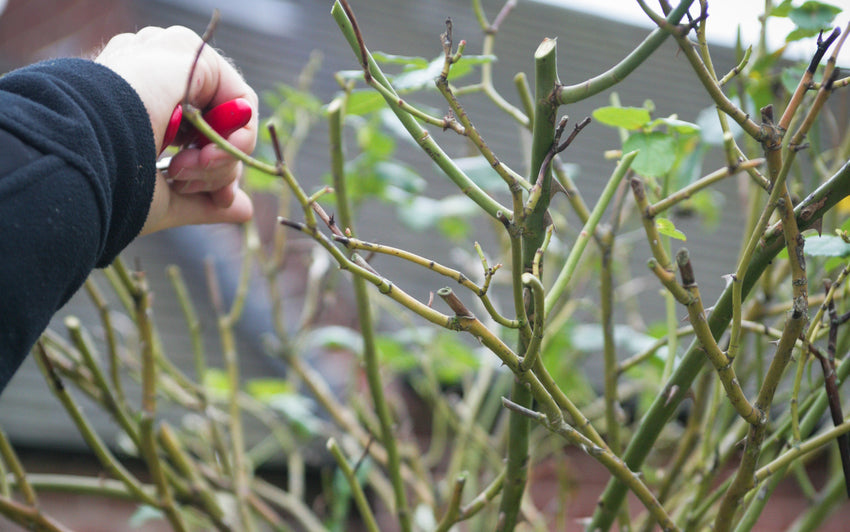
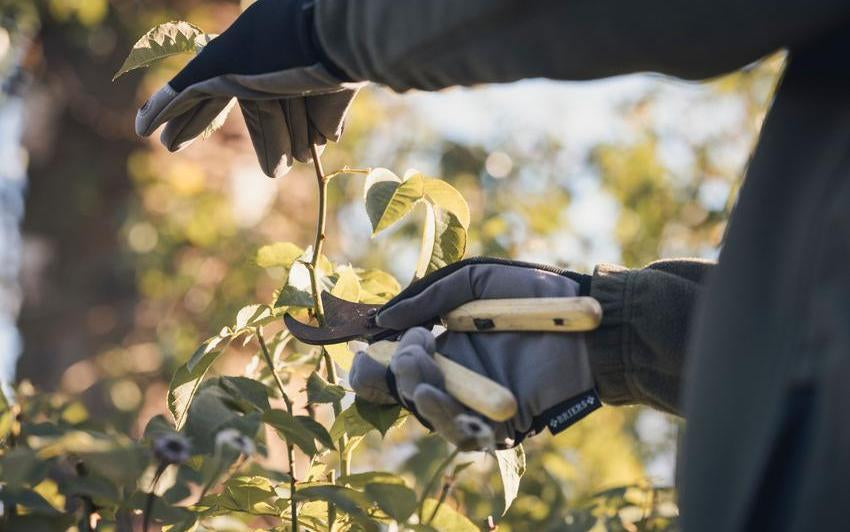
Some roses have habits that call for a slightly different approach, depending on how and when they flower. If you are unsure what type of rose you have, it is worth checking before pruning, as a tailored approach can make a noticeable difference to performance.
Not sure what rose you’ve got? Our Customer Services team would be glad to take a look and help identify it.
Pruning with confidence
Pruning can feel daunting the first time, but roses are tougher than they look. If you prune a little later than planned, or you’re not completely sure where to cut, don’t worry. A thoughtful winter prune will still benefit the plant and help set it up well for the season ahead.





-
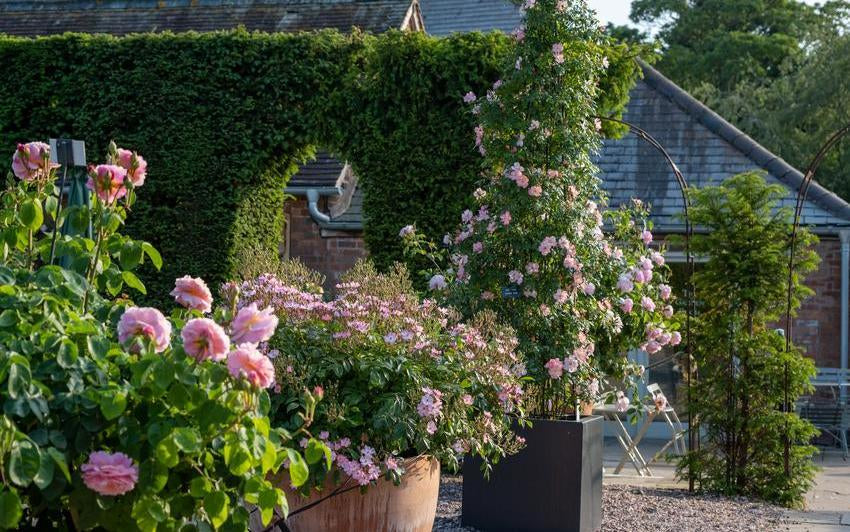
The Basics of Growing RosesRoses bring a quiet happiness to a garden. Their beauty feels effortless once they are settled, and even a new gardener can grow them with success. With sunlight, sound soil, and a little seasonal care, roses will flower generously and become dependable companions through the year.
-
Shaping and Pruning Roses to Flower from Base to TipRoses naturally put most of their energy into the tips of their stems, which can lead to flowers mainly at the top of the plant. With the right pruning and shaping, you can encourage fresh growth and blooms all the way from the base up.

-
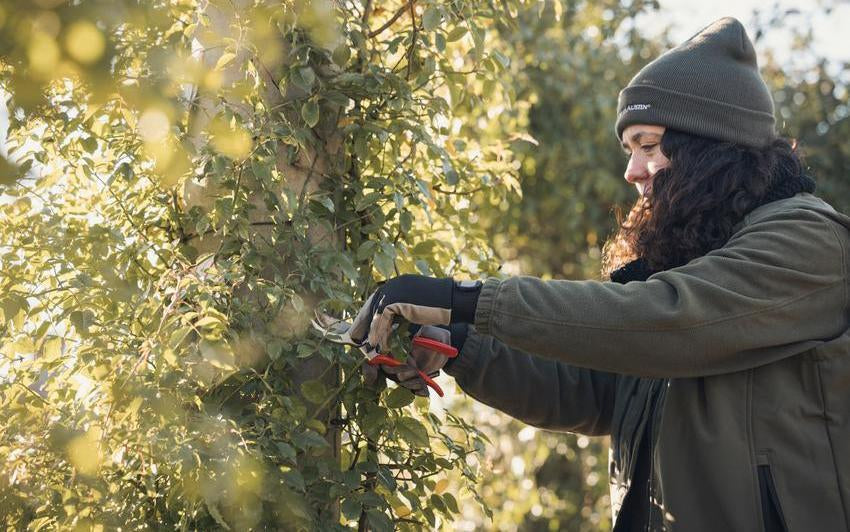
How to Prune Repeat Flowering Climbing and Rambling RosesClimbing and rambling roses are among the most rewarding roses to grow. Given a support and a little guidance, they quickly become generous plants, covering walls, arches and structures with leafy growth and repeat flowers across the season.
-
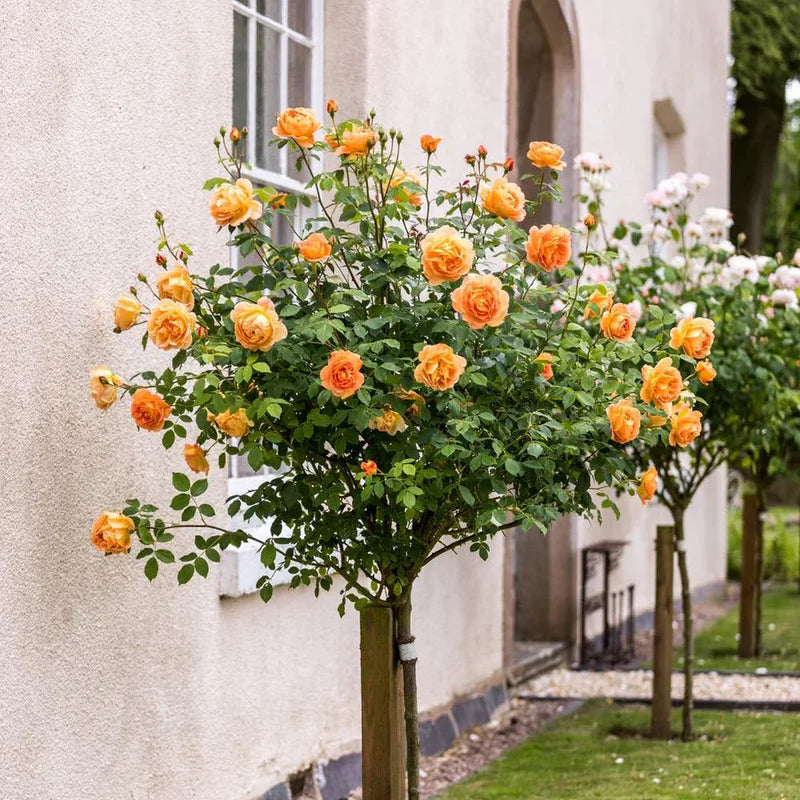
How to Prune a Standard Tree RoseStandard Tree Roses bring a particular elegance to the garden. Their blooms are held aloft, turning borders and containers into something more structured and refined. Because the flowering head sits high above the ground, its outline becomes part of the garden’s architecture, which makes pruning especially important.
-
Once-Flowering Roses: A Guide to PruningOnce-flowering roses carry an air of tradition, a reminder of old gardens where their brief but magnificent display was the highlight of summer. They bloom on wood made the year before, so pruning them is a matter of patience and respect for their natural rhythm.
-
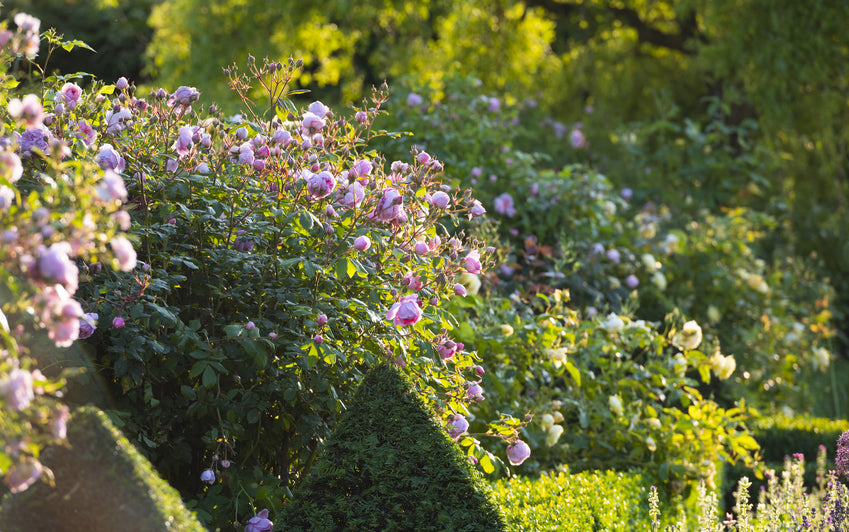
Growing Beautiful Roses, Without PeatGrowing without peat is a change many gardeners are becoming familiar with. Peat-free compost behaves a little differently from traditional compost, so it is quite natural to wonder whether your roses will grow and flower just as beautifully.
-
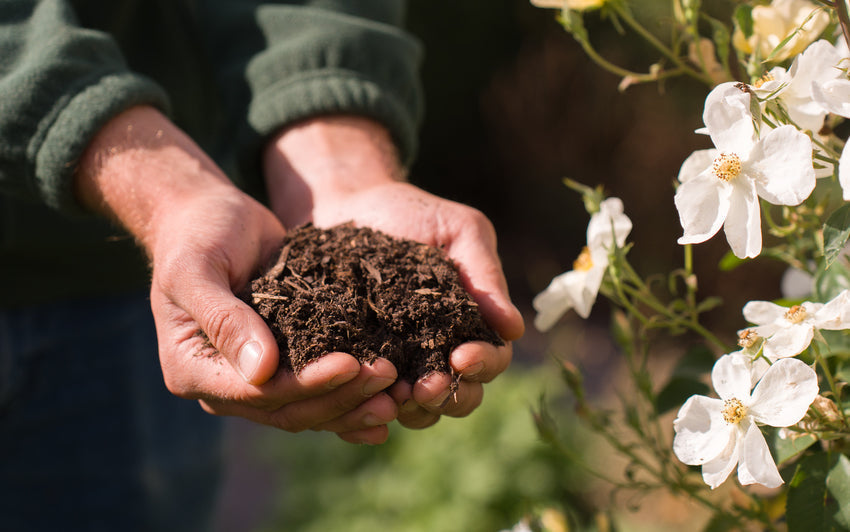
Moving a Rose: A Step-by-Step GuideRoses are wonderfully resilient, and sometimes a change of position is all that is needed to help one flourish. Perhaps a border is being redesigned, a rose would benefit from more sunshine, or a much-loved plant simply needs a little more room.
-
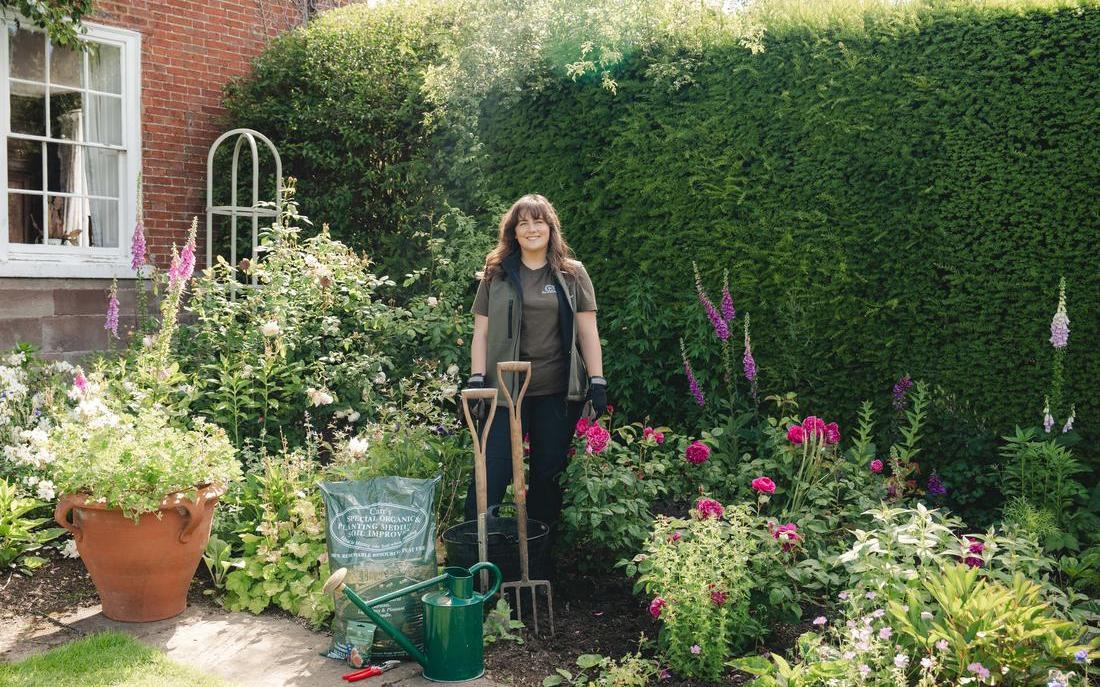
How to Plant and Grow a Rambling Rose Up a TreeRambling Roses have a natural affinity with trees. Their long, vigorous stems can be encouraged upwards into the branches, where they gradually weave through the canopy and open their flowers amongst the leaves. As the rose matures, the effect becomes increasingly natural, with great trusses of bloom appearing high above the ground and tumbling softly from the branches.

-
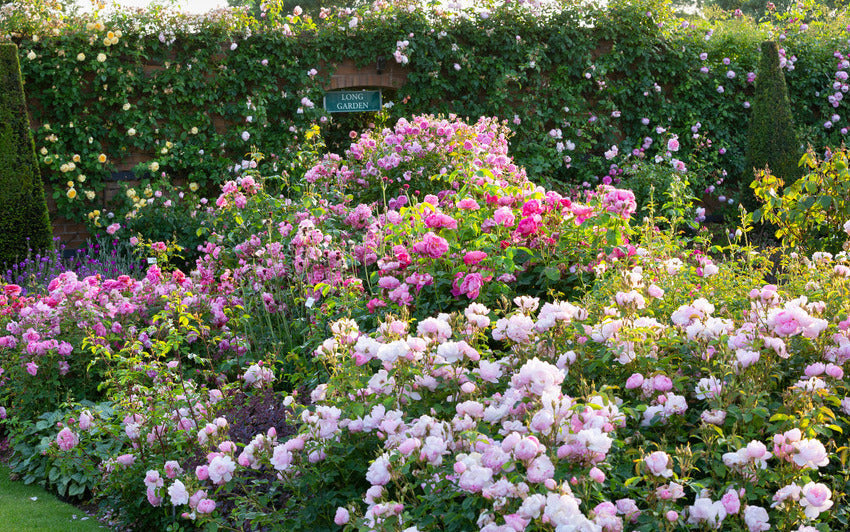
How to Grow Healthy Roses Without Chemical SpraysIt is perfectly possible to grow beautiful, healthy roses without routinely using chemical sprays. The key is to concentrate on the health of the rose and the garden around it, rather than trying to prevent every aphid, marked leaf or other sign of nature.
-
Summer Pruning Roses: What It Is and Why It MattersBy the height of summer, many repeat flowering roses will already have given a wonderful display, with some moving through their second flush of flowers. As blooms begin to fade, a little thoughtful care can help keep plants looking their best and encourage further flowers to follow.
-
Spider Mites on Roses: Meet the Tiny Pest That Loves Your RosesTiny, elusive and surprisingly hungry, spider mites are one of the most common pests to appear on roses during warm, dry weather. Although they're difficult to spot, the damage they leave behind is much easier to recognise. Fortunately, once you know what to look for, they're straightforward to manage, especially when caught early.