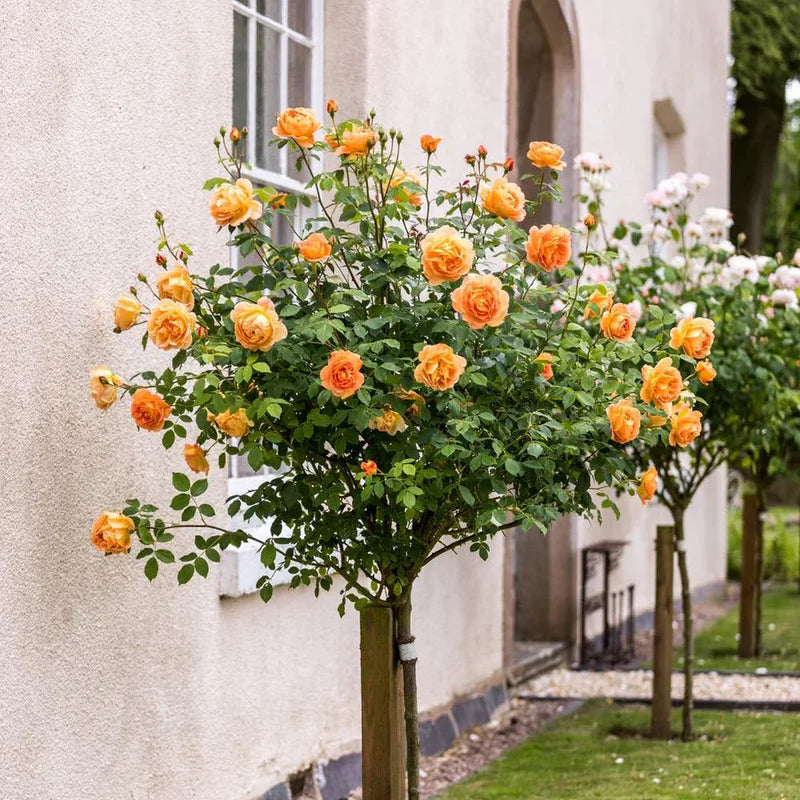


Roses to Welcome Pollinators into the Garden
Imagine stepping out into your garden on a warm afternoon and watching it come alive. It is not just about the gentle hum of a bumblebee; it is the delicate flutter of a butterfly, the hover-and-dart acrobatics of a hoverfly, and the busy work of tiny solitary wasps and beetles. Together, this diverse crew keeps our natural world turning.
You can easily create a beautiful garden that serves as a vital refuge for all of these creatures. The secret lies in understanding how this wide variety of insects interacts with your flowers.
The Open Door: How Rose Shapes Welcome Nature
Different insects have entirely different body shapes, strength levels, and tongue lengths. Because of this, the physical structure of a rose determines exactly which pollinators can access its rewards.
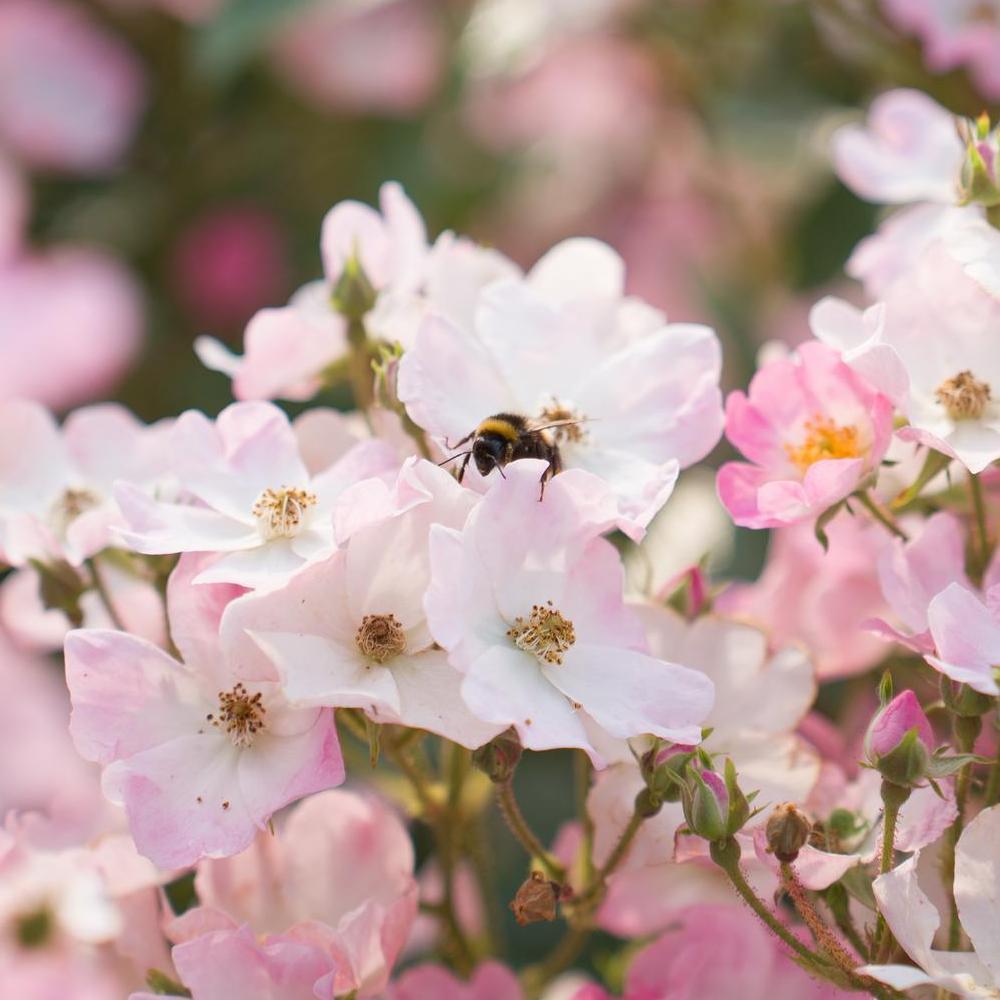 Single Bloom
The Open Invitation
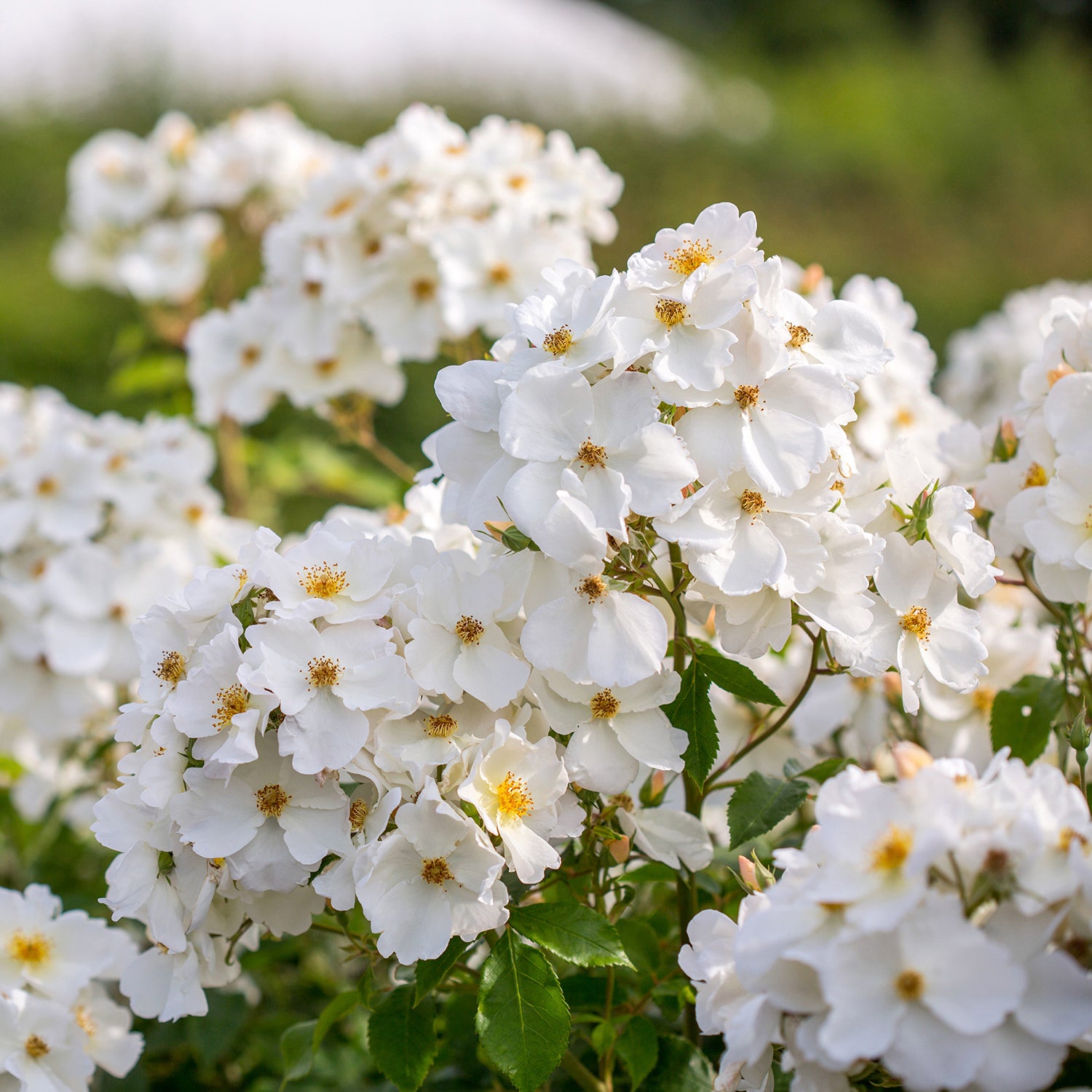
These classic flowers feature just one ring of flat petals, completely exposing the bright golden centre. This layout is a universal favourite. Butterflies love them because they provide a wide, flat landing pad for their large wings. Hoverflies and beetles, which lack the strength to push past petals, can easily crawl right up to the pollen.
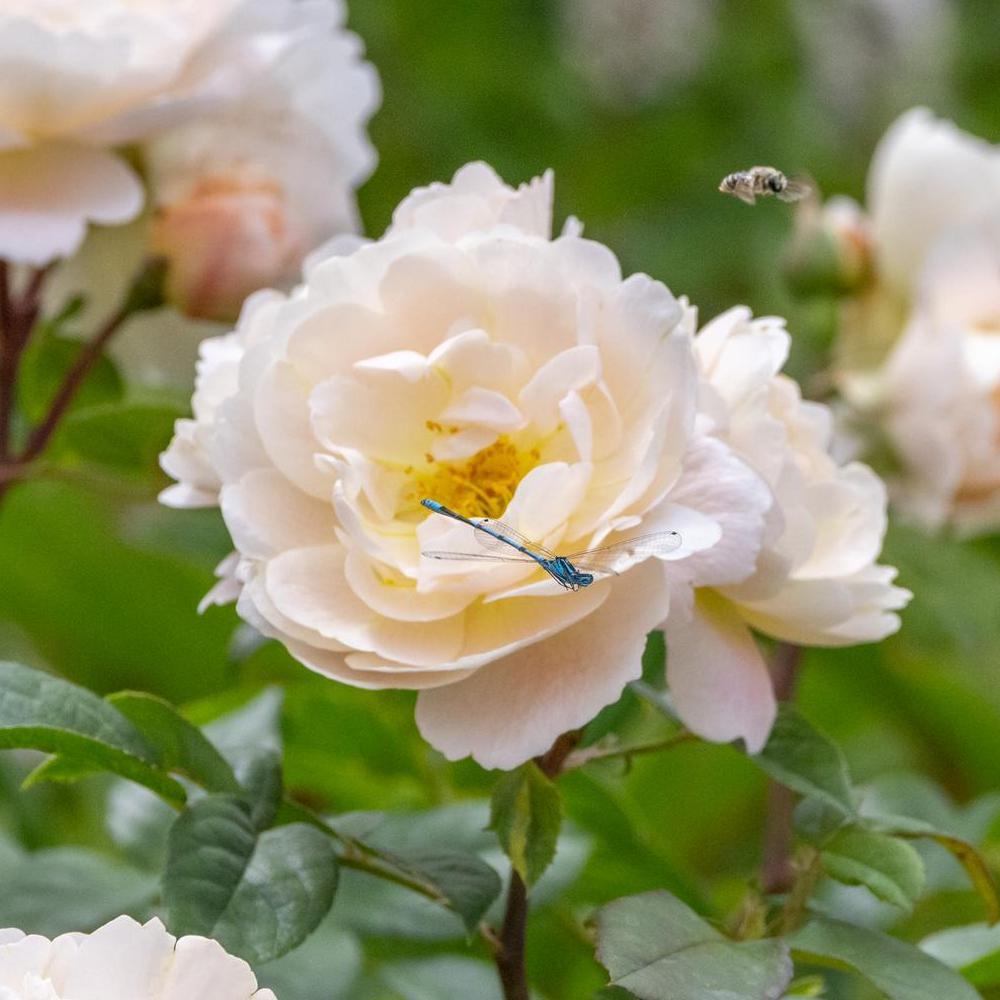 The Semi-Double Bloom
A Haven for Bees
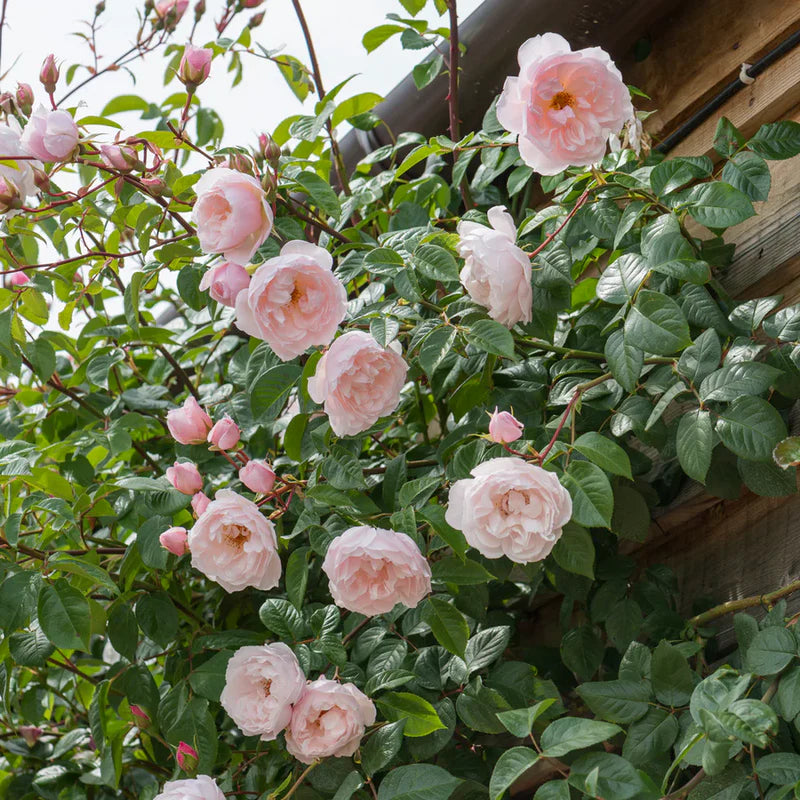
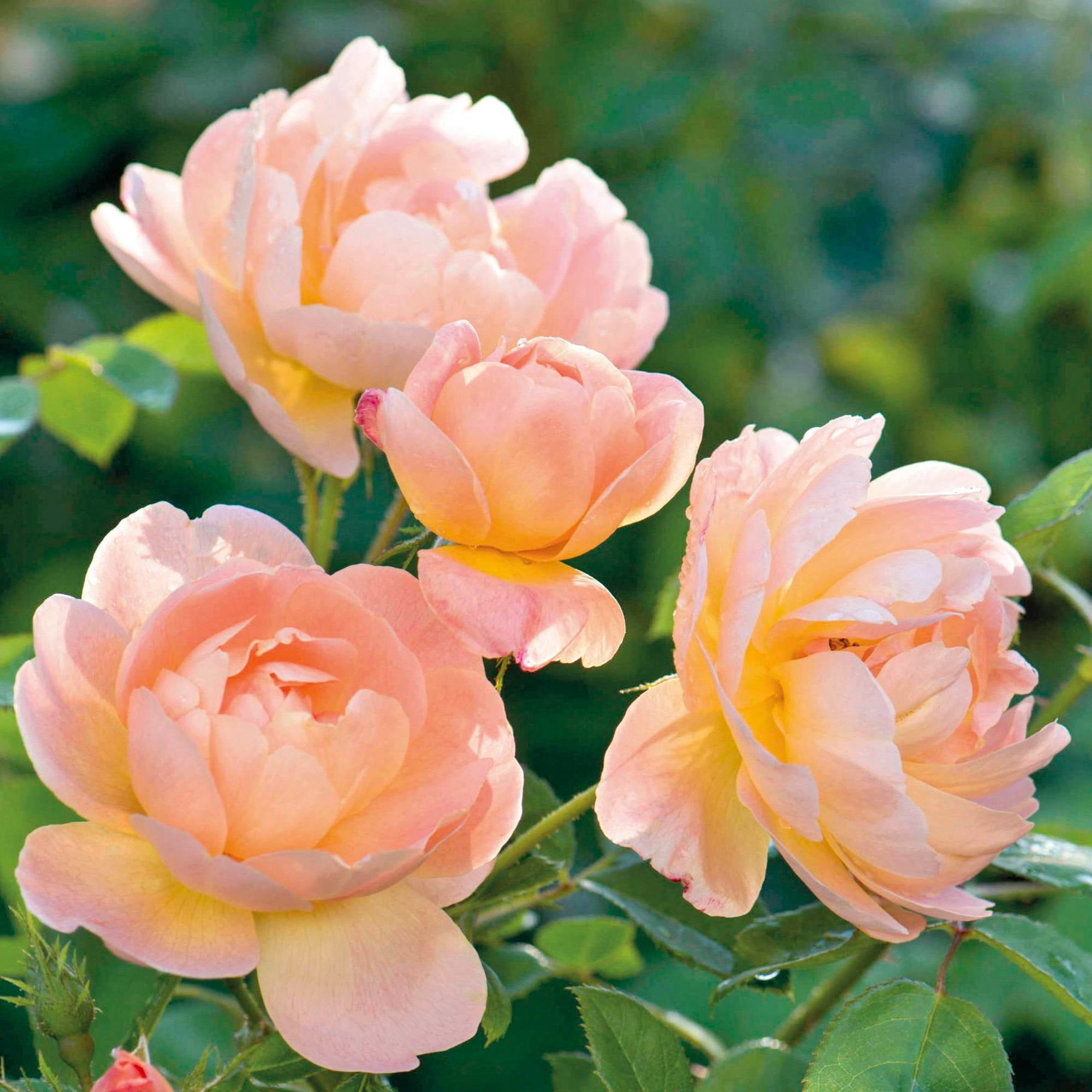
With two or three layers of loose petals, these roses look delightfully lush. As the flowers mature and stretch open in the sun, they reveal their central treasures. Stronger insects, like chunky bumblebees, love climbing into these loose cups to rummage around for food.
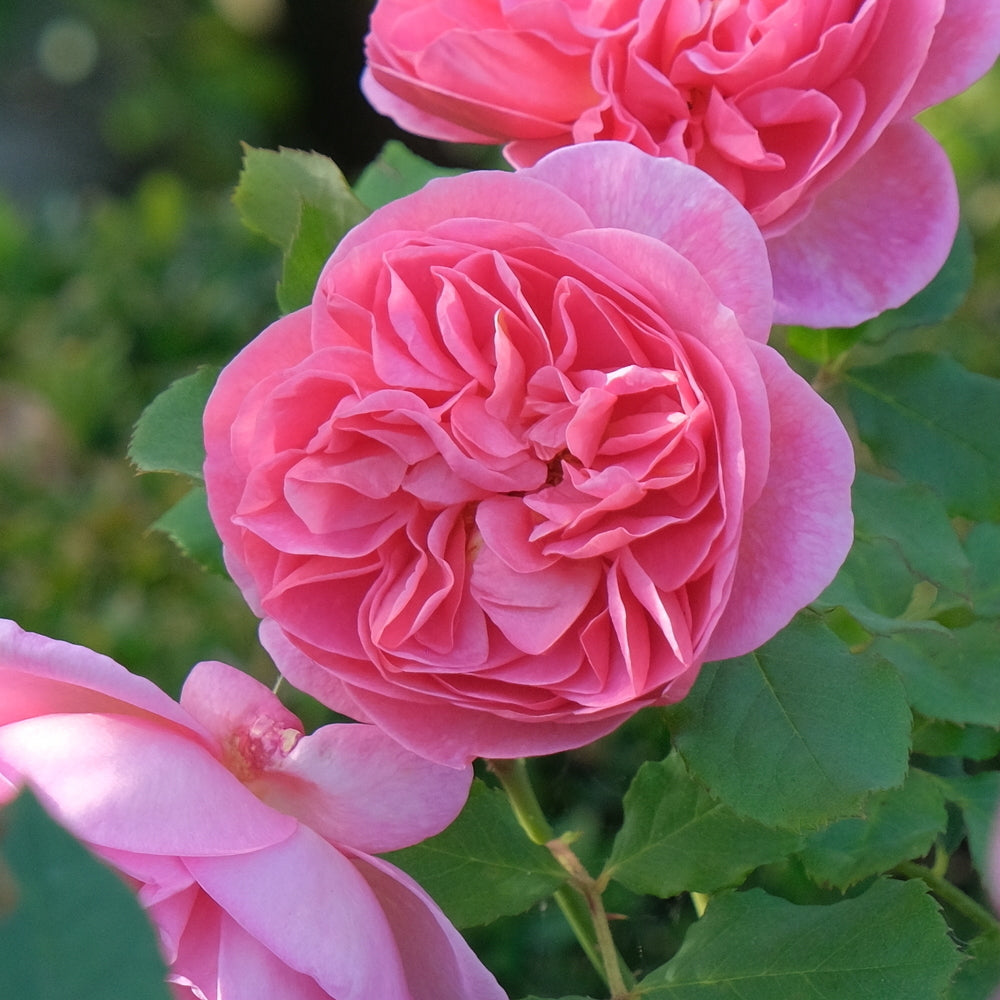 The Fluffy Vault
What to Avoid
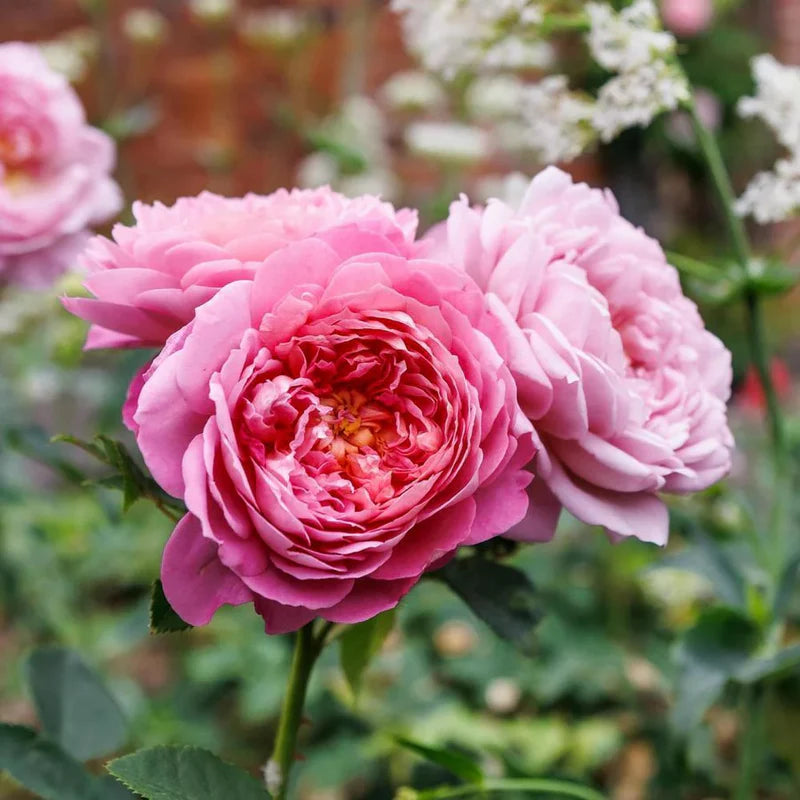
Roses bred to have dozens of tightly packed petals might look like beautiful, fluffy pom-poms, but they act like a locked vault. Most insects simply cannot squeeze through the dense layers, leaving the pollen completely out of reach.
The Sensory Map: Colours and Scents that Attract
Insects do not view your garden the way humans do. They use an advanced mix of vision and smell to track down their next meal, and different pollinators are drawn to different signals
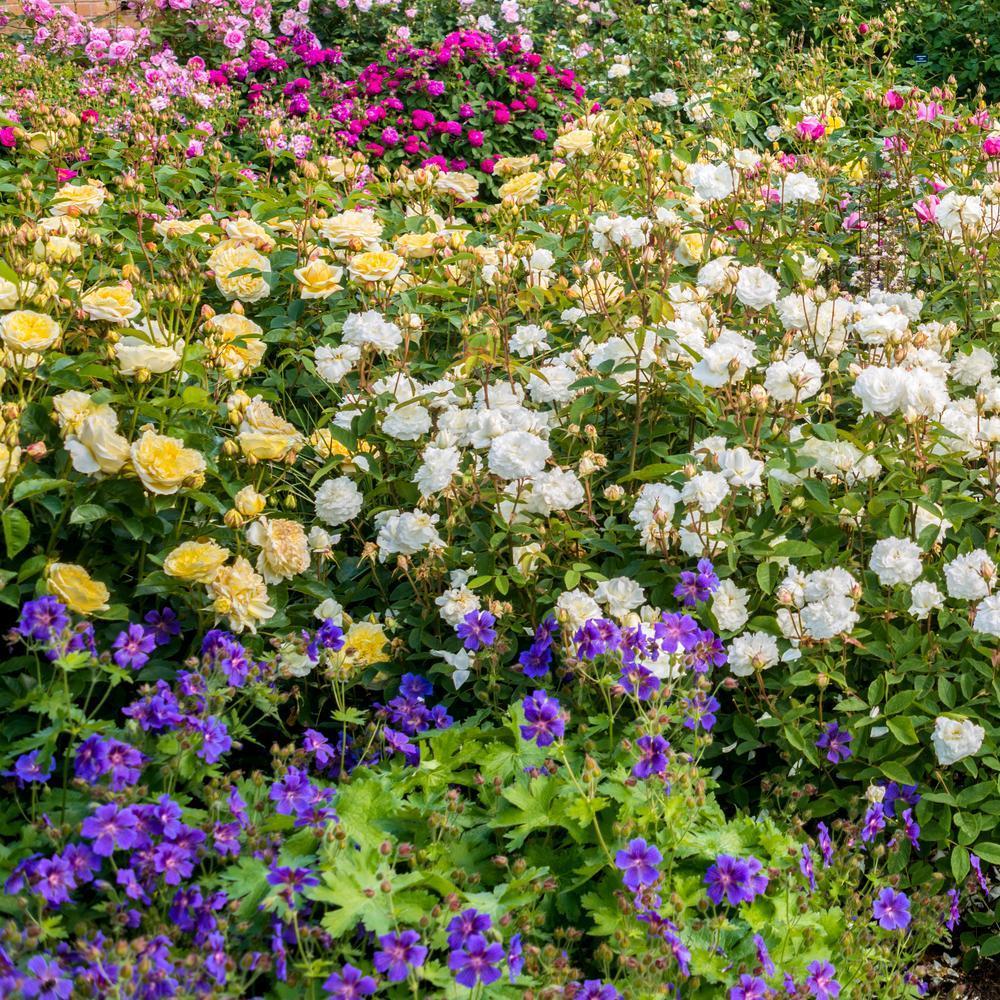
The Power of Yellow and White
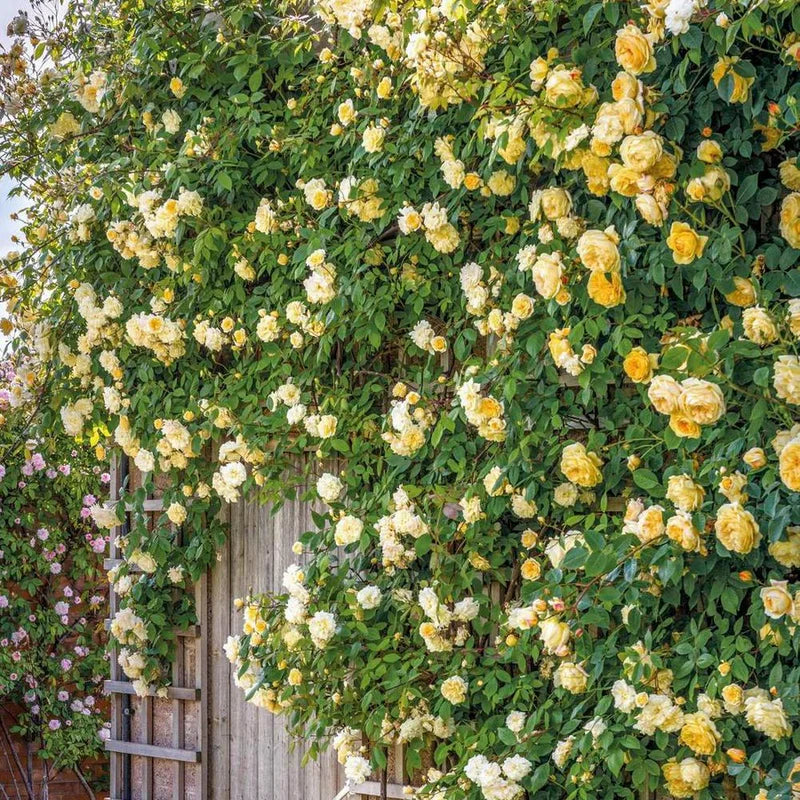
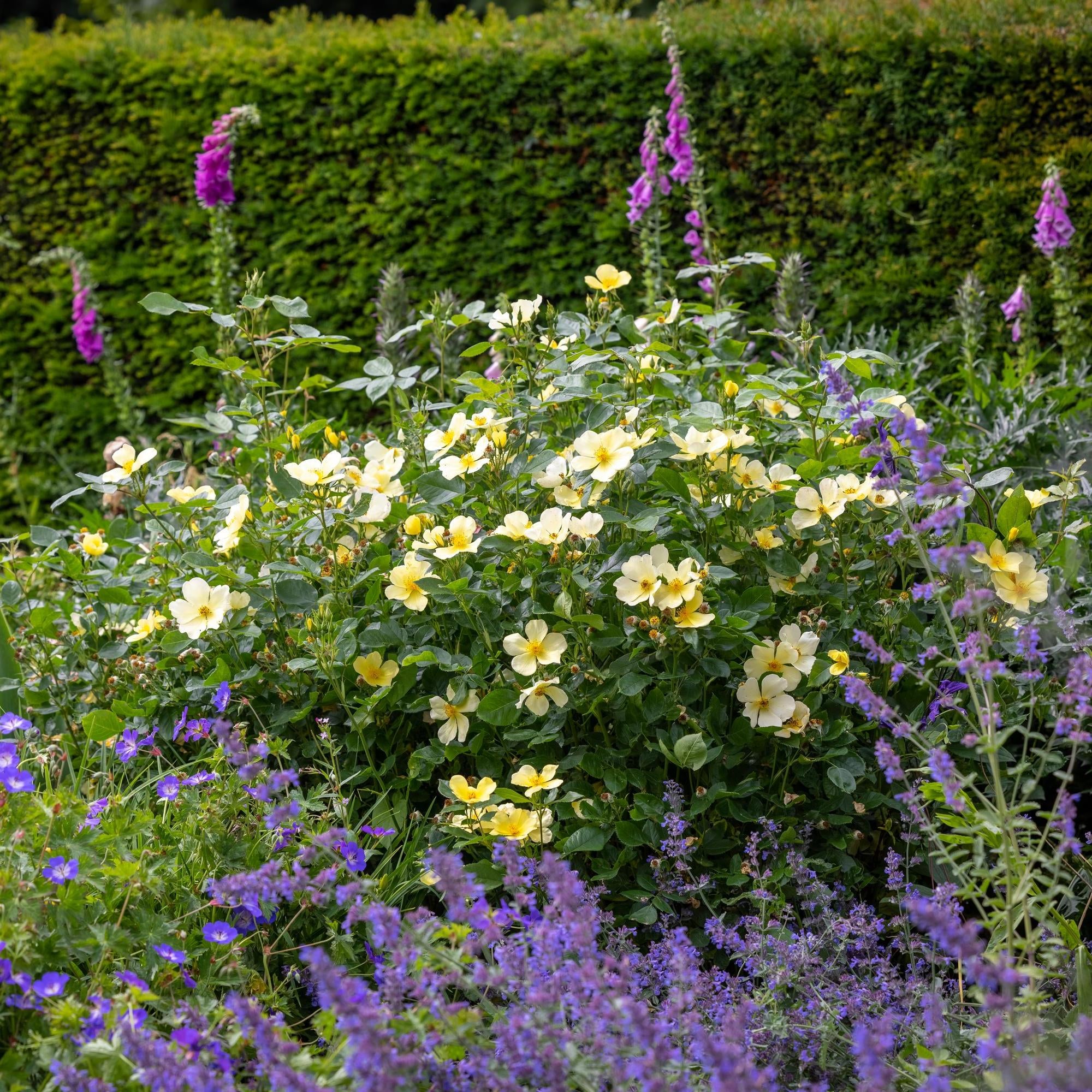
Shop yellow & whiteYellow and white roses act like brilliant neon signs. Because the centre of a rose is almost always golden, a lighter petal creates a high-contrast bullseye. Hoverflies and solitary bees are highly visual and will fly straight toward these bright targets. Muted pinks and soft apricots work beautifully in the exact same way.
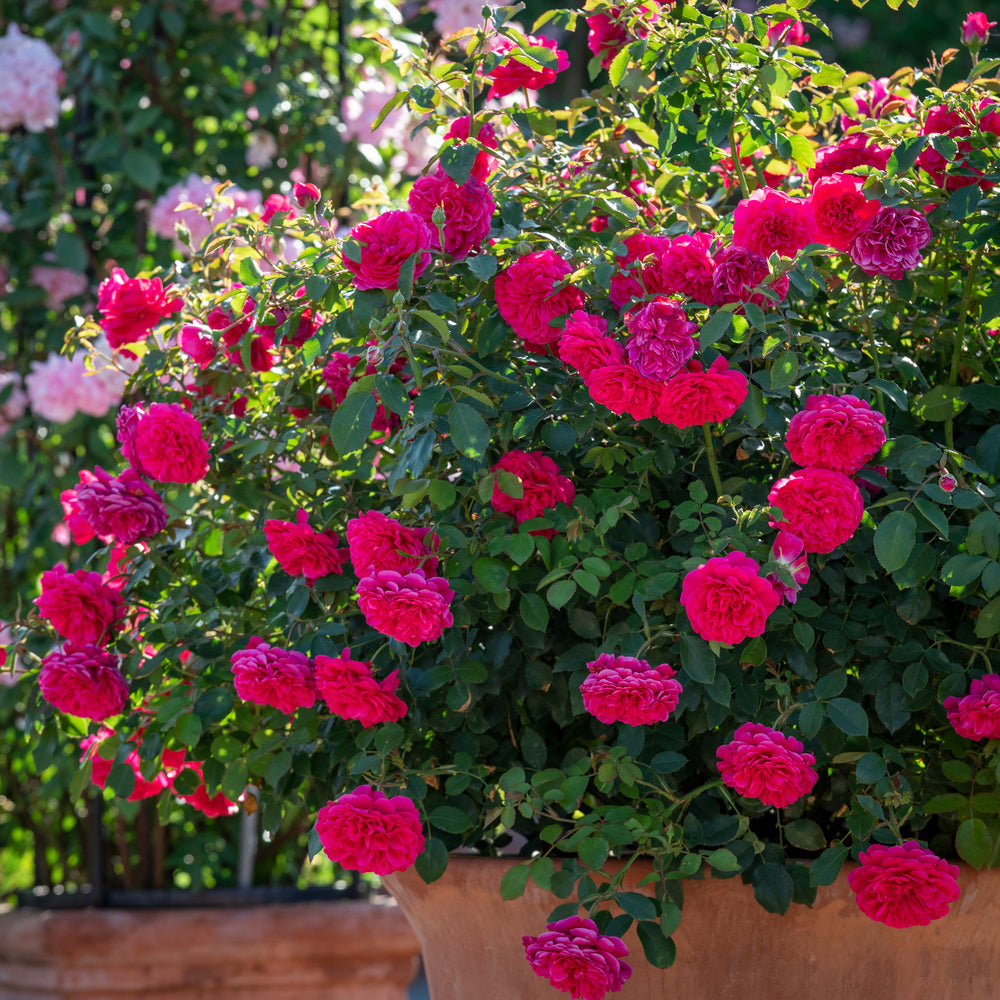
The Crimson Silhouette
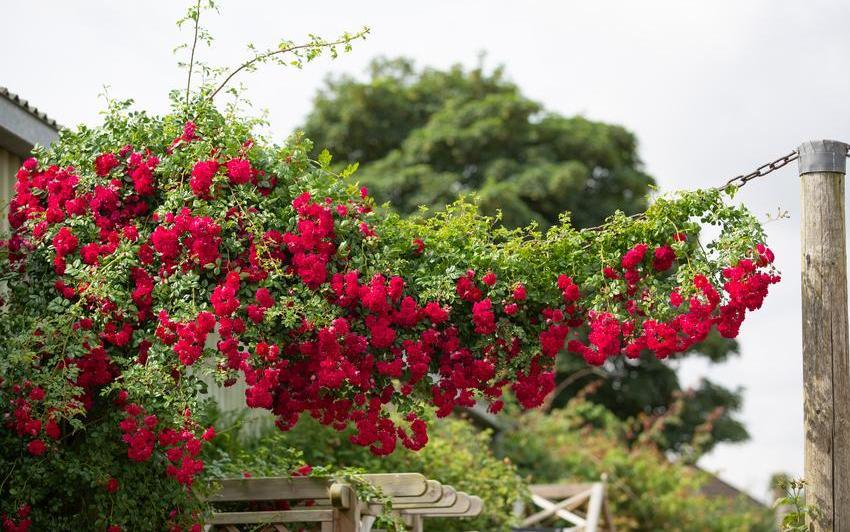
Interestingly, many insects - especially bees - do not see the colour red clearly; to them, it looks like a dark shadow against green leaves. However, nature has a clever workaround. Butterflies and certain moths possess excellent red vision and are highly attracted to these deeper tones, especially if the rose releases a rich, sweet perfume to guide them in.Shop crimson
Perfect Companions: Designing for a Diverse Ecosystem
Because different insects crave different types of flowers, pairing your roses with complementary plants creates a complete, balanced buffet. While roses offer wide-open landing pads, adding tubular or tiny clustered flowers nearby ensures that every type of pollinator finds exactly what it needs.
- Catmint (Nepeta): This low-maintenance plant forms a soft carpet of lavender-blue flowers beneath your roses. Its long, tubular blooms are a particular favourite for long-tongued insects, including butterflies and bees, providing a steady food source all summer.
- Salvias (Ornamental Sages): Growing in tall, dark purple spires, salvias offer a beautiful visual contrast to the rounded shape of a rose bush. Their hooded flowers are perfectly built for bumblebees to climb into. As a bonus, their aromatic foliage helps naturally deter common garden pests.
- Hardy Geraniums (Cranesbill): These gentle, weaving plants are excellent for filling the soil gap beneath taller rose bushes. Their simple, saucer-shaped flowers in shades of blue, purple, or pink are highly favoured by smaller solitary bees and hoverflies.
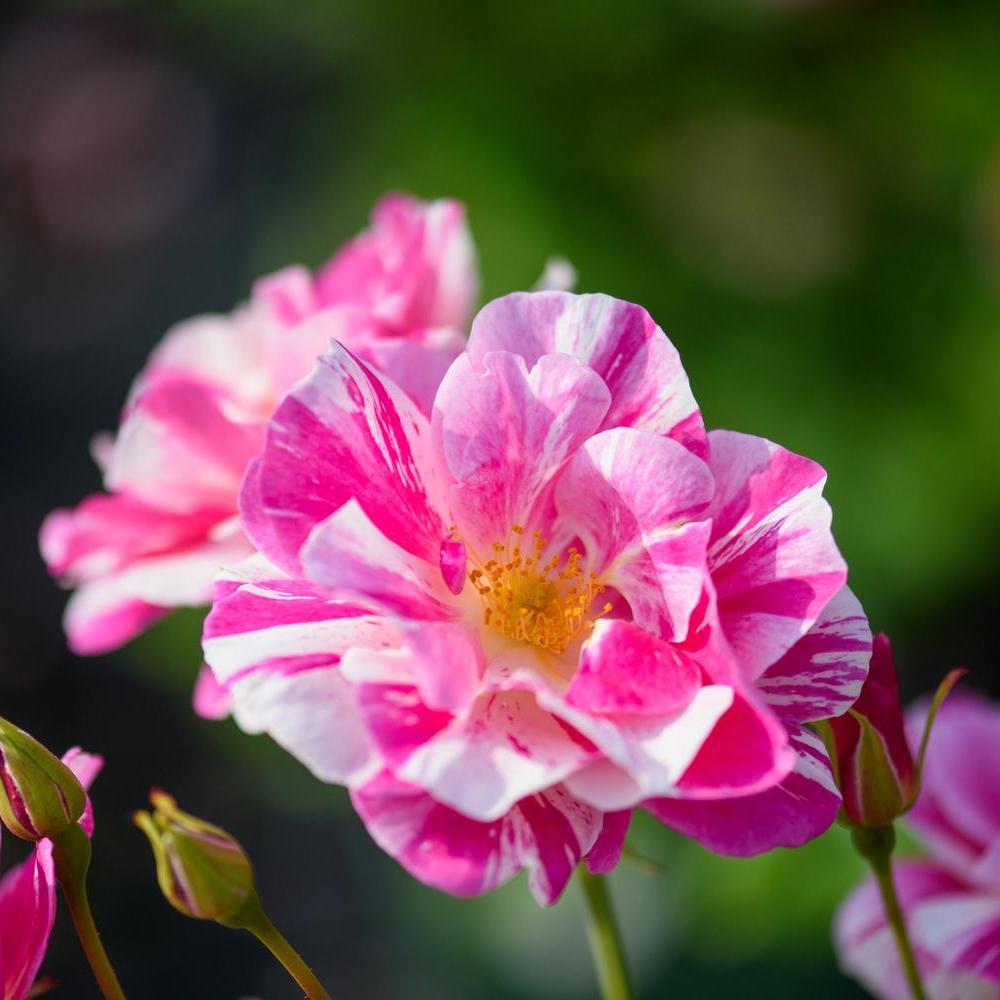
Below are open-centred varieties specifically noted for welcoming a wide array of garden helpers.
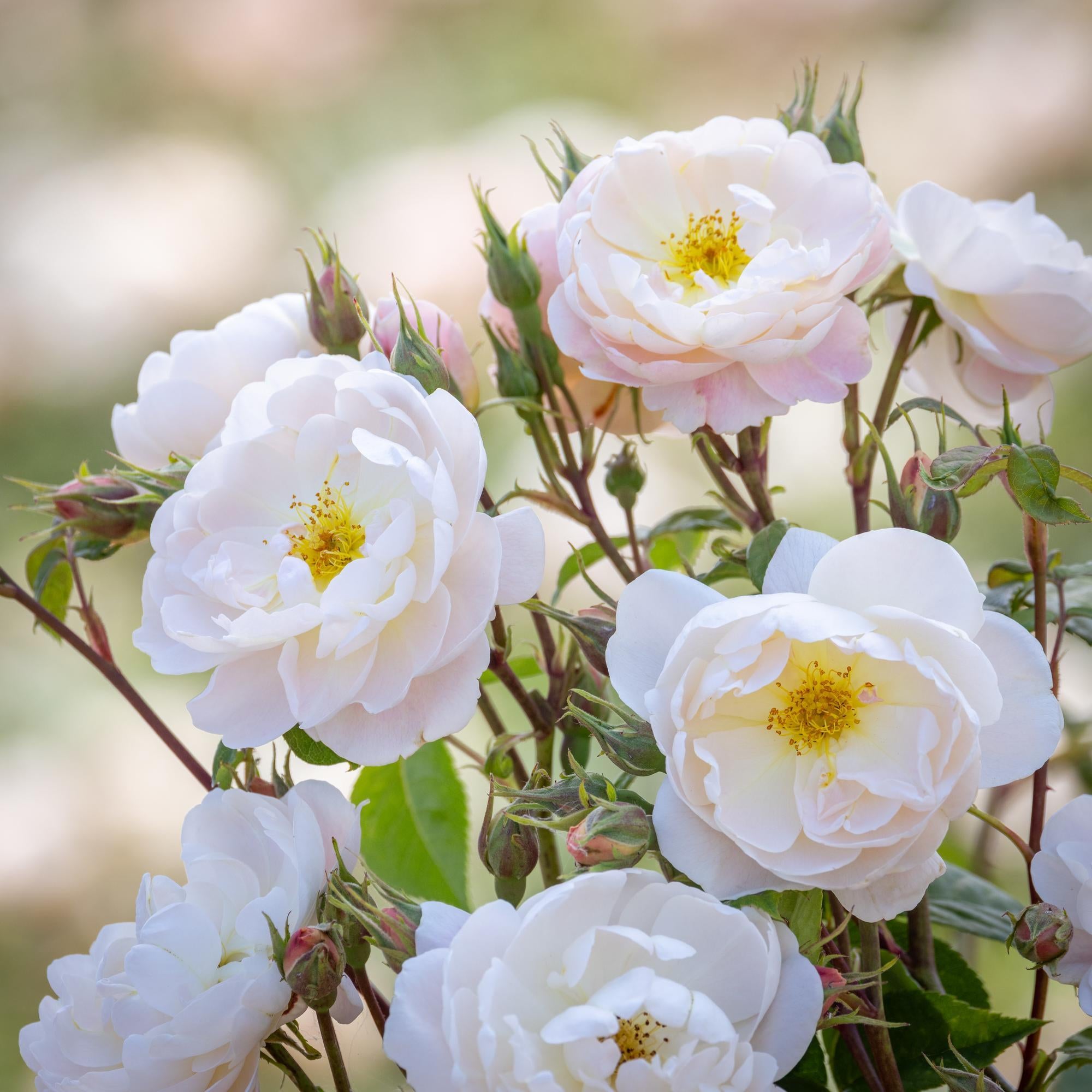 New This YearThe Last Bloom Last BloomMost of our roses have now been cut back for winter. But we’ve held back a limited selection, hand-picked from our fields with buds and blooms still to come. Plant them now and enjoy a final flourish of colour before winter arrives.Sir David BeckhamEnglish Shrub Rose£27.50 - £38.50Fragrance strength
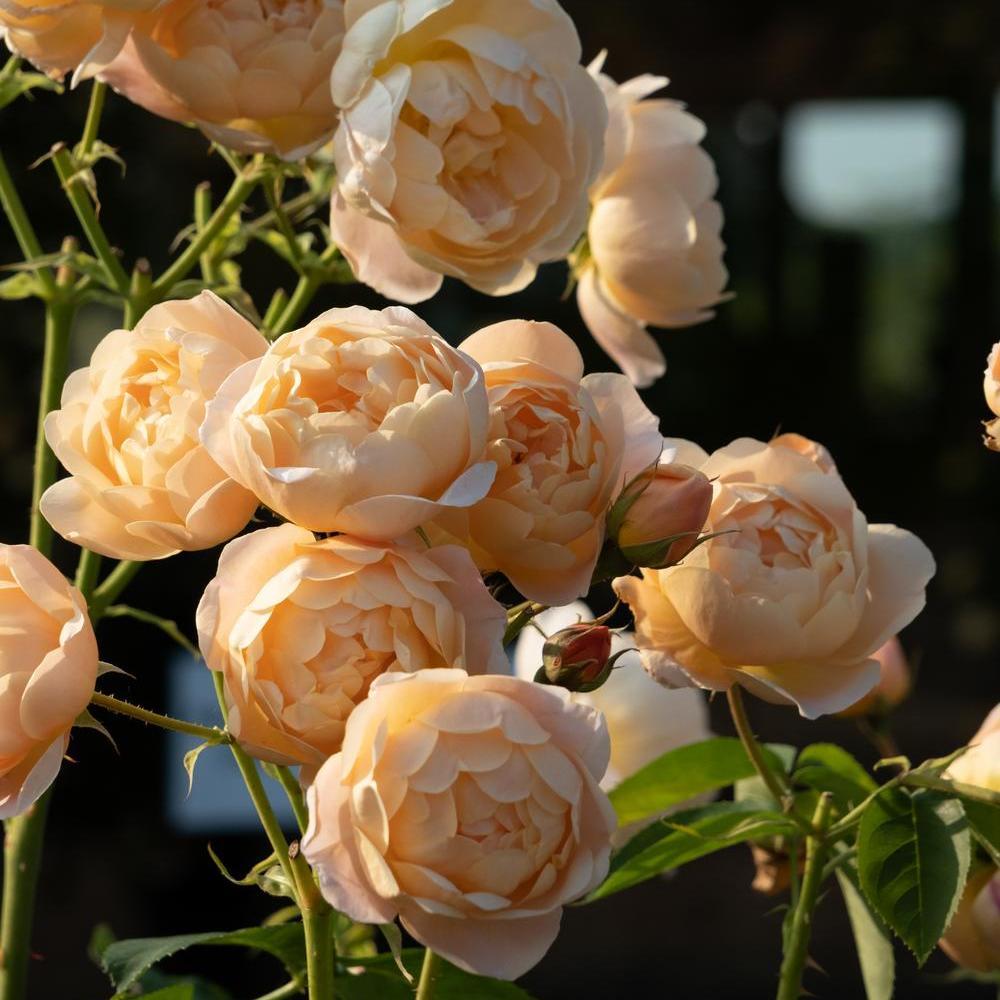 The Last Bloom Last BloomMost of our roses have now been cut back for winter. But we’ve held back a limited selection, hand-picked from our fields with buds and blooms still to come. Plant them now and enjoy a final flourish of colour before winter arrives.Dannahue®English Shrub Rose£24.00 - £35.00Fragrance strength
-
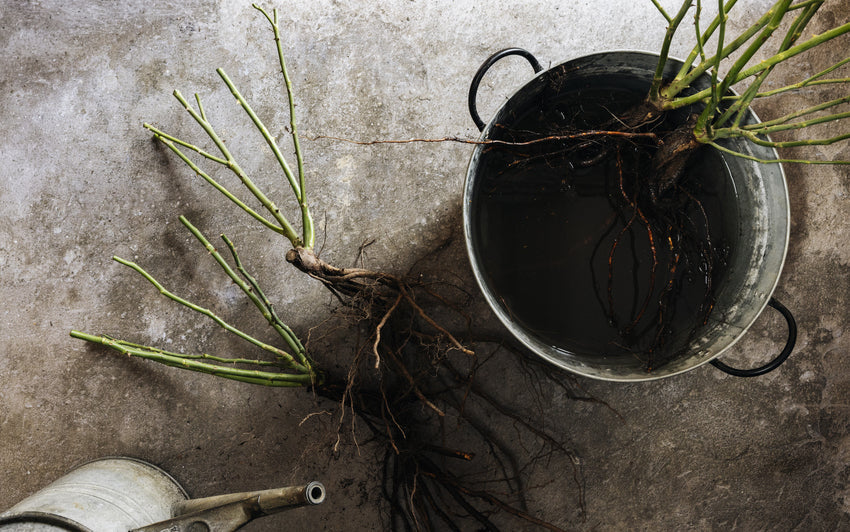
The Rose Year BeginsAutumn brings a distinct richness that invites us to slow down and notice the changes. Leaves turn shades of amber and gold, while the lower, softer light catches the borders in the late afternoon. As cooler mornings bring heavy dew and that unmistakable, earthy scent of damp soil, the garden gradually settles down for the season.
-
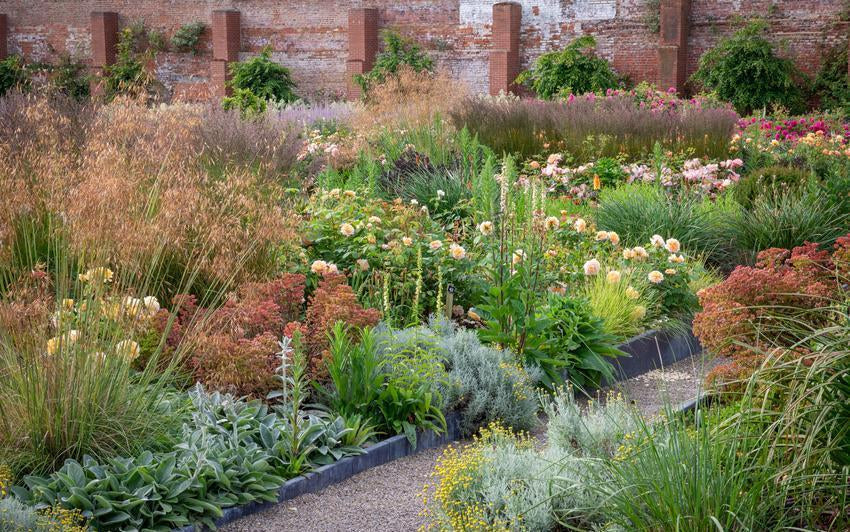
What to Plant with English Roses for Autumn ColourBy the end of September, the rose garden is changing. The exuberance of summer is giving way to a slower rhythm, and many English Roses are setting hips, their once-constant flowers replaced by clusters of glowing fruit. Yet the borders need not feel diminished. With the right companions, roses can be framed and supported so that the garden still sings with colour, texture and grace well into October and beyond.
-
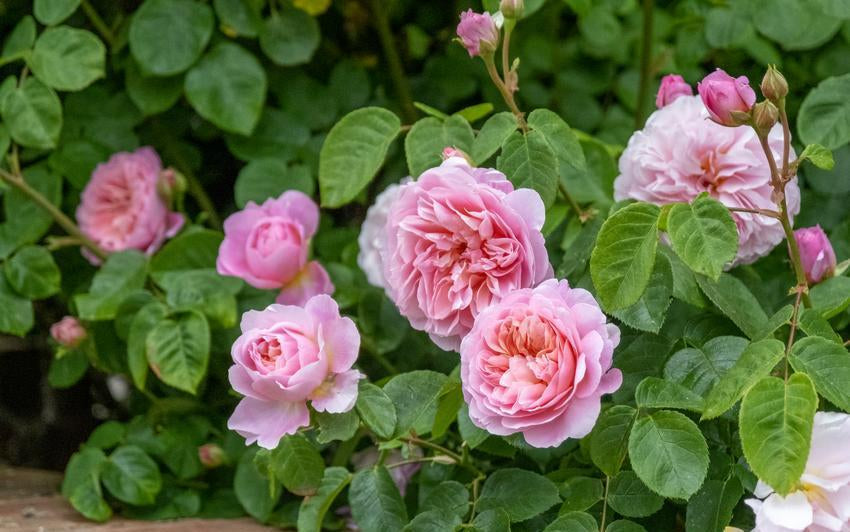
Roses with Large Blooms: Varieties for Garden ImpactA rose in full flower can transform a garden. Large, many-petalled blooms draw the eye through a border, bring colour to a quiet corner or create a beautiful focal point when grown in a pot.
-
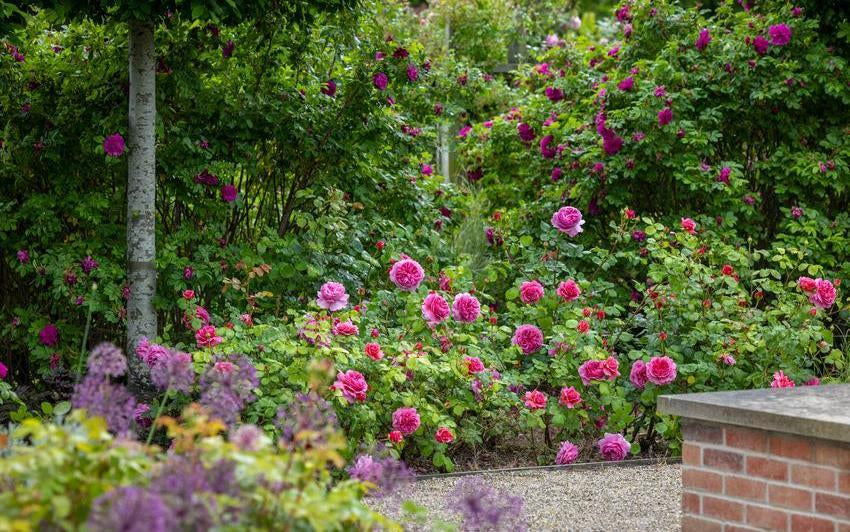
Best Fragrant Roses for Autumn: Scent and Colour Beyond SummerThe fragrance of a rose is never quite fixed. Temperature, humidity, time of day and even the stage of the flower can all influence how its scent is released and experienced. As the warmth of summer begins to soften into autumn, cooler mornings and greater moisture in the air create different conditions for fragrance, and a familiar rose can reveal itself in a rather different way.
-
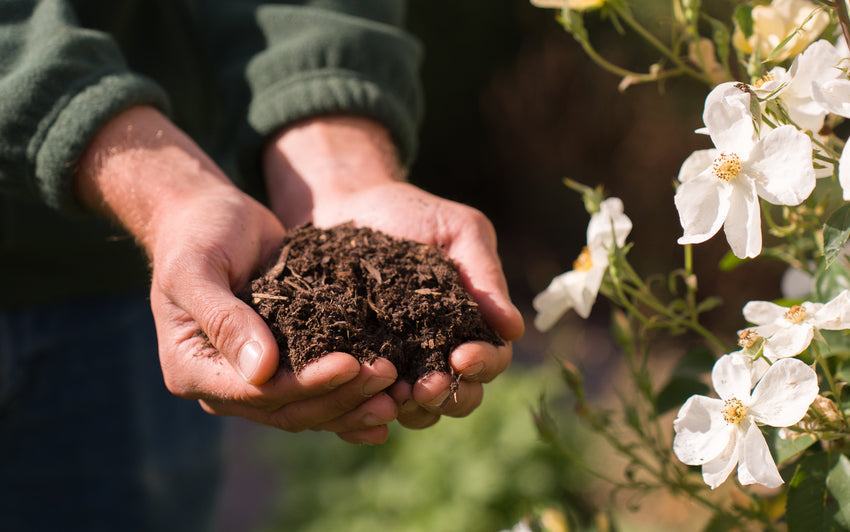
Growing Beautiful Roses, Without PeatGrowing without peat is a change many gardeners are becoming familiar with. Peat-free compost behaves a little differently from traditional compost, so it is quite natural to wonder whether your roses will grow and flower just as beautifully.
-
Using Red Roses to Bring Richness and Depth to the GardenA red rose has a wonderfully compelling presence in the garden. Amongst a sea of green, even a glimpse of crimson catches the eye, drawing you closer for another look. Red can sometimes have a reputation for being difficult to use, particularly alongside softer colours. Yet the palette is far more varied than we might first imagine. From clear crimson to deep, velvety tones, red roses can bring warmth, richness and depth to a garden without overwhelming it.