

Climbing Roses and Rambling Roses: Understanding the Difference
Climbing roses and rambling roses each bring height, fragrance and beauty to the garden, but they do so in different ways. While both can transform walls, arches and pergolas, understanding their unique growing habits will help you choose the right rose for your space and enjoy its full potential for years to come.
The key difference lies in how they grow and flower. Climbing roses produce strong, upright stems and most repeat flower from early summer into autumn, making them ideal for bringing long-lasting colour to smaller structures. Rambling roses are more vigorous, producing long, flexible canes that usually flower once in early summer, creating a spectacular cascade of blooms. Both have their own unique charm, but each is suited to different situations.
What is a Climbing Rose?
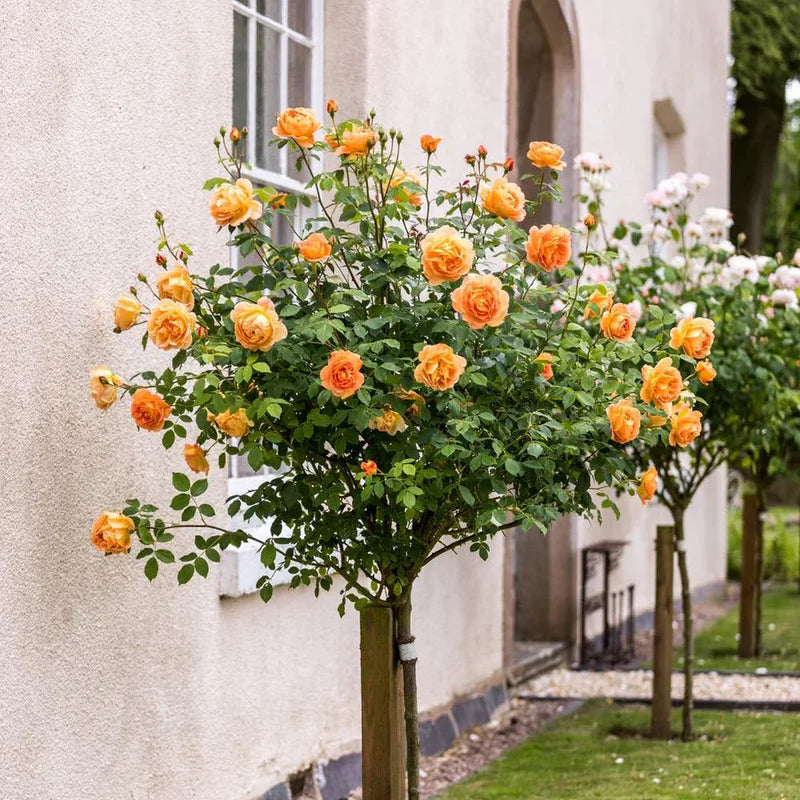
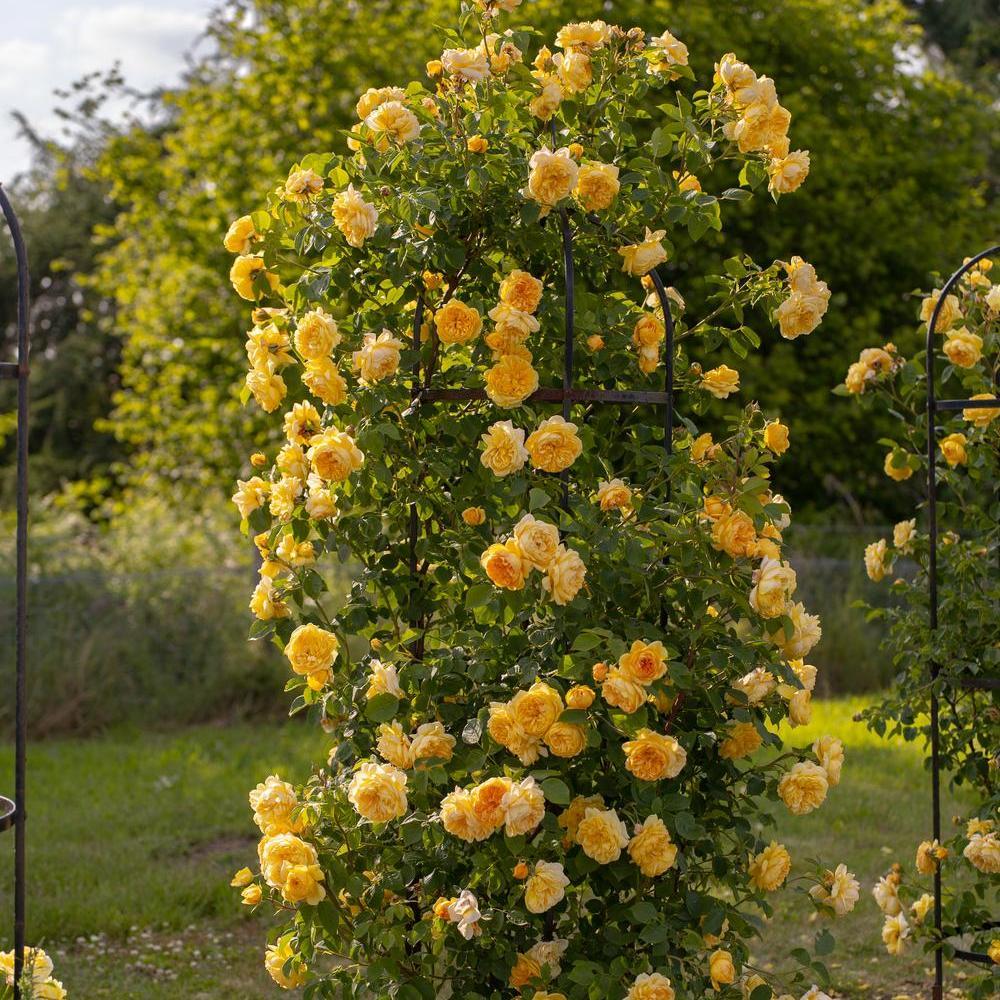
A climbing rose is bred to produce long, upright stems that can be trained against walls, fences, arches and other supports. Unlike ivy or clematis, roses do not cling by themselves, so they need to be tied into wires, trellis or other structures as they grow.
Most climbing roses repeat flower, producing flushes of blooms throughout the season. This makes them an excellent choice where you're looking for long-lasting colour and fragrance close to the home.
Climbing roses are ideal for:
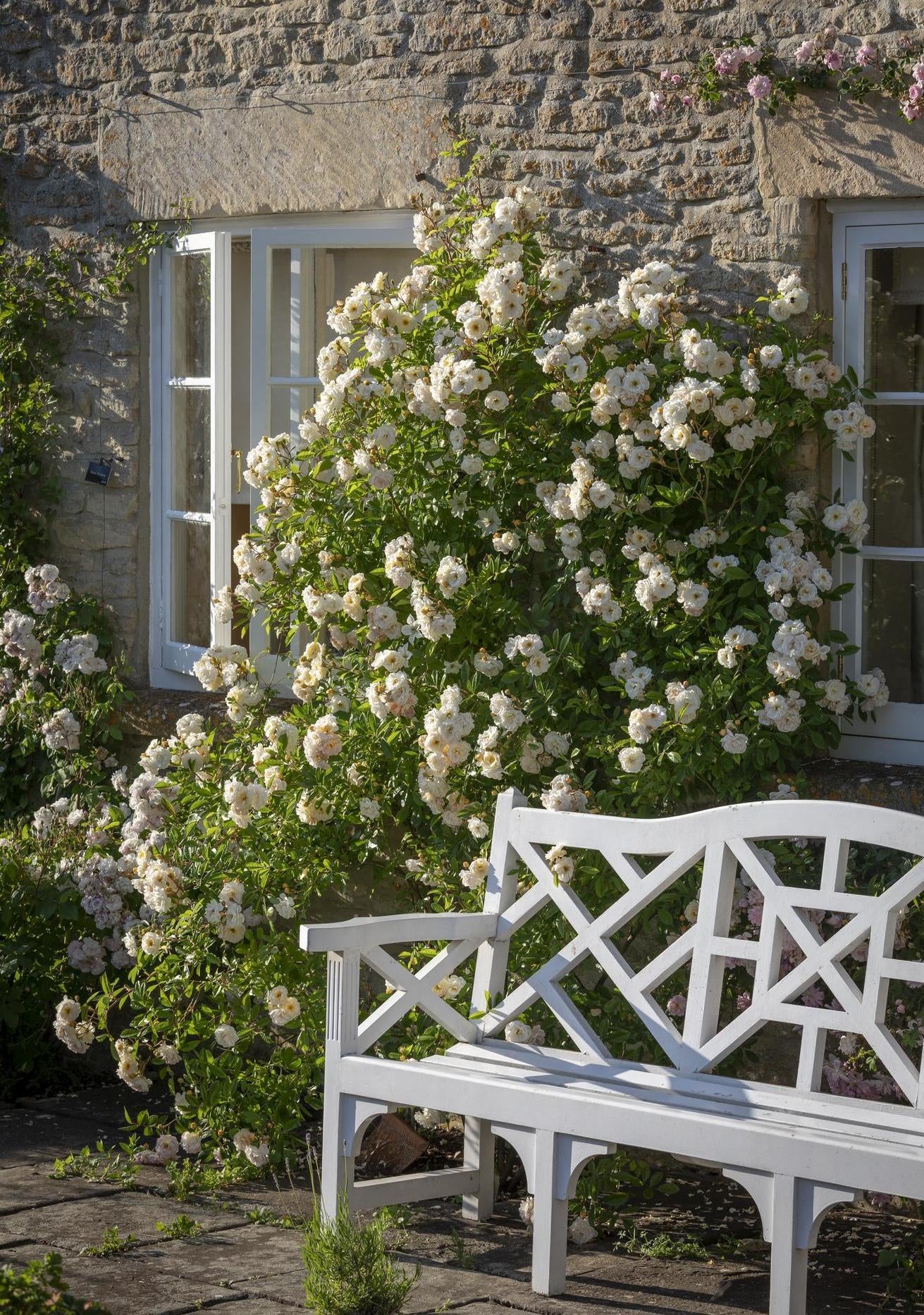
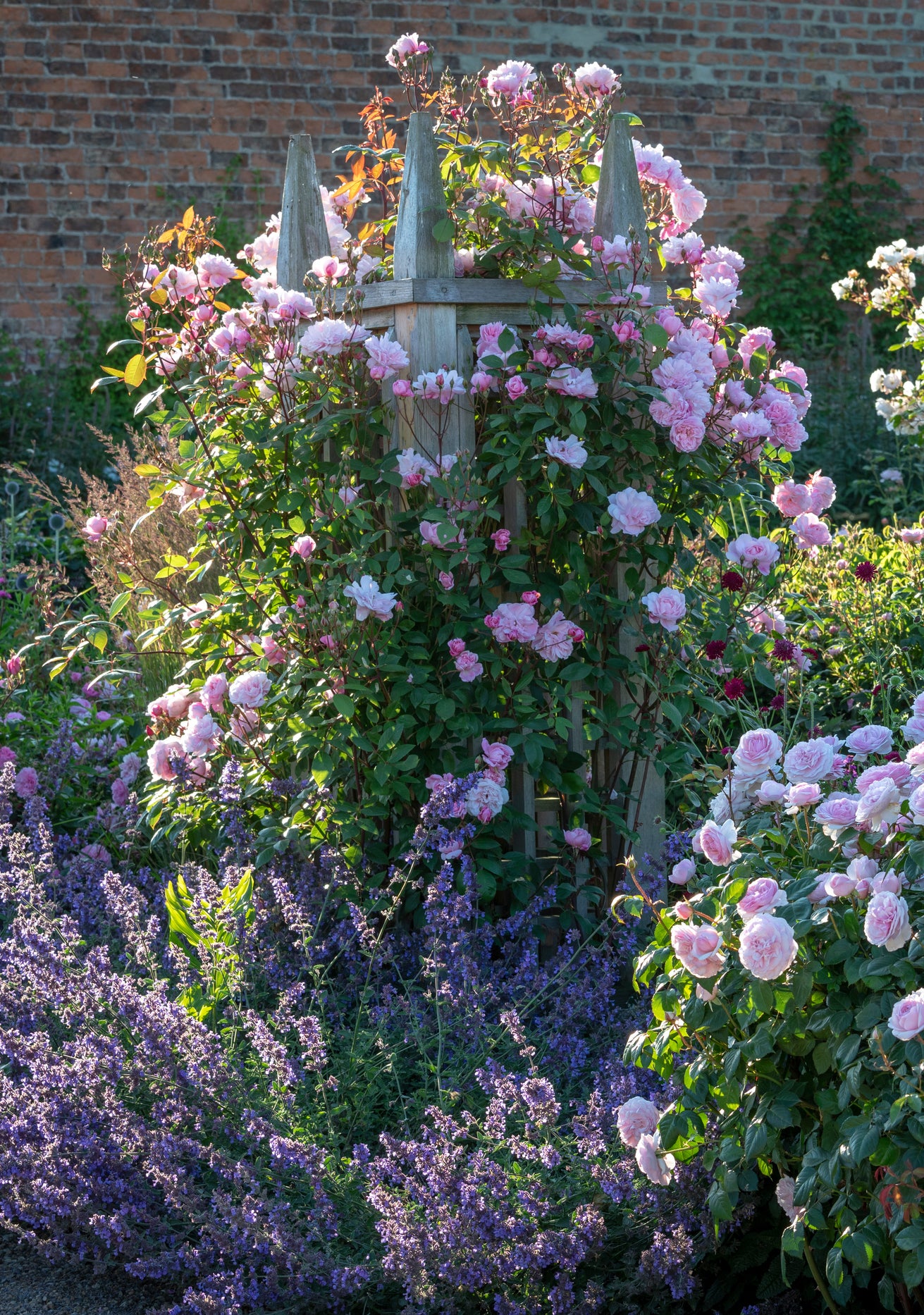
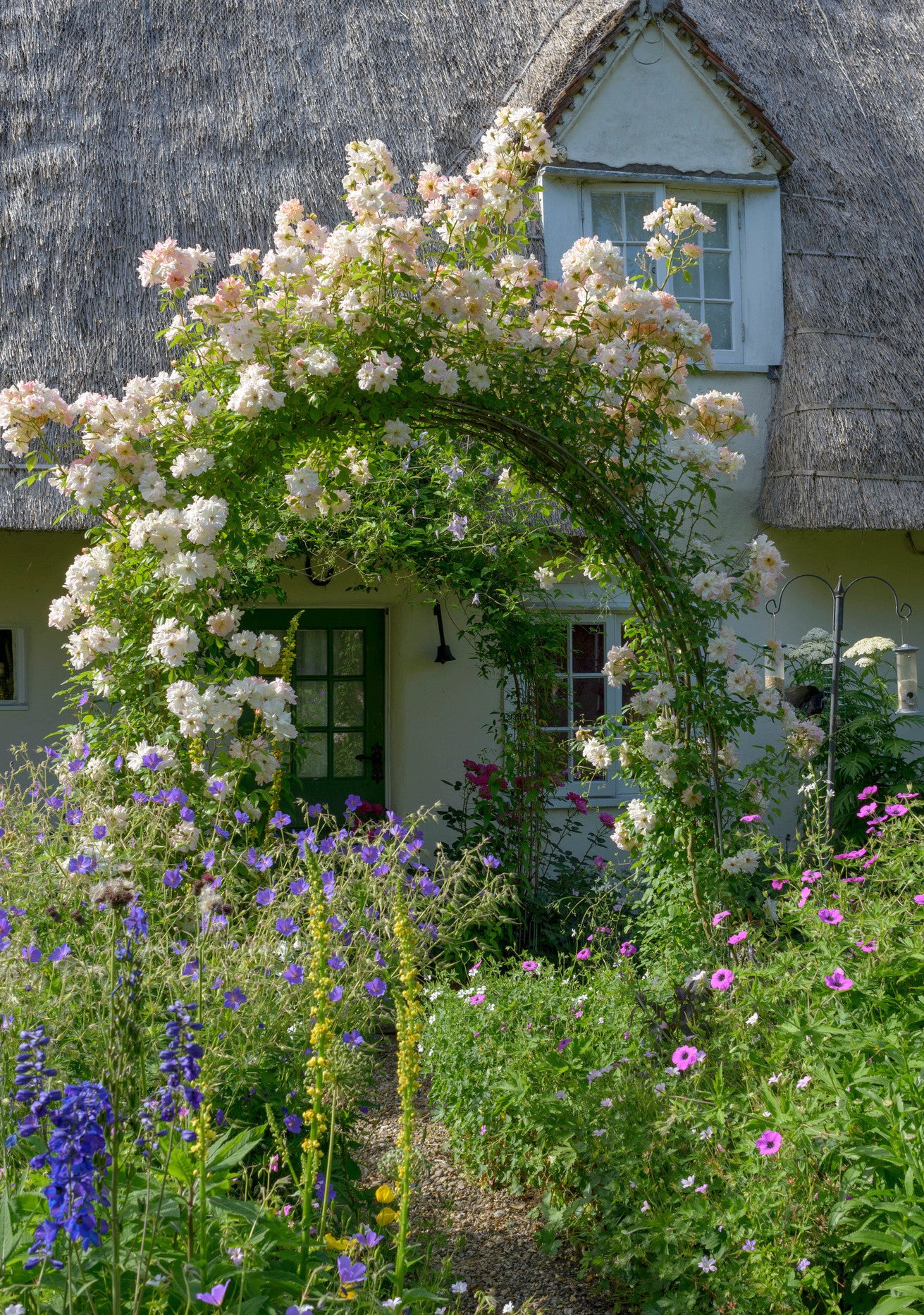
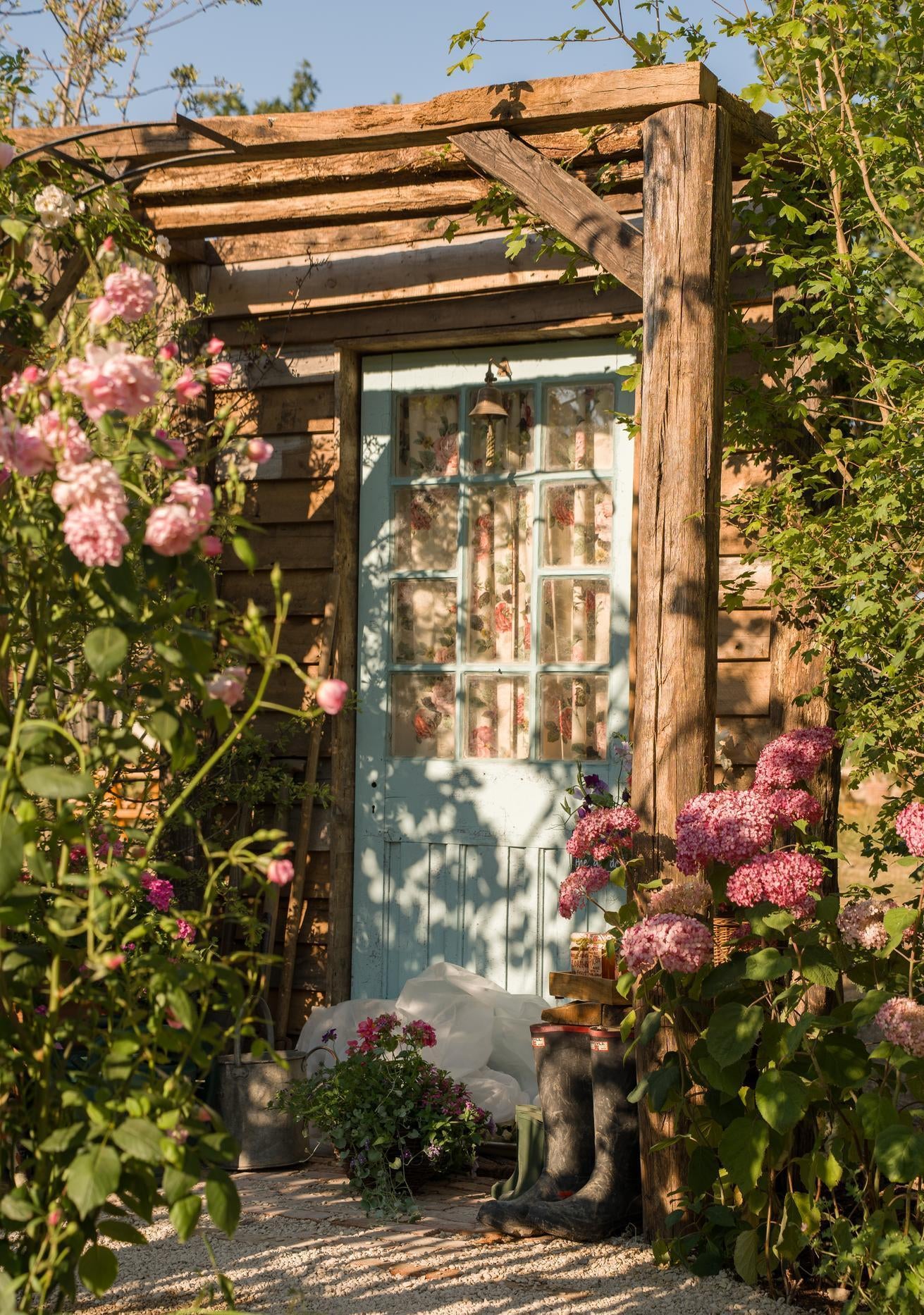
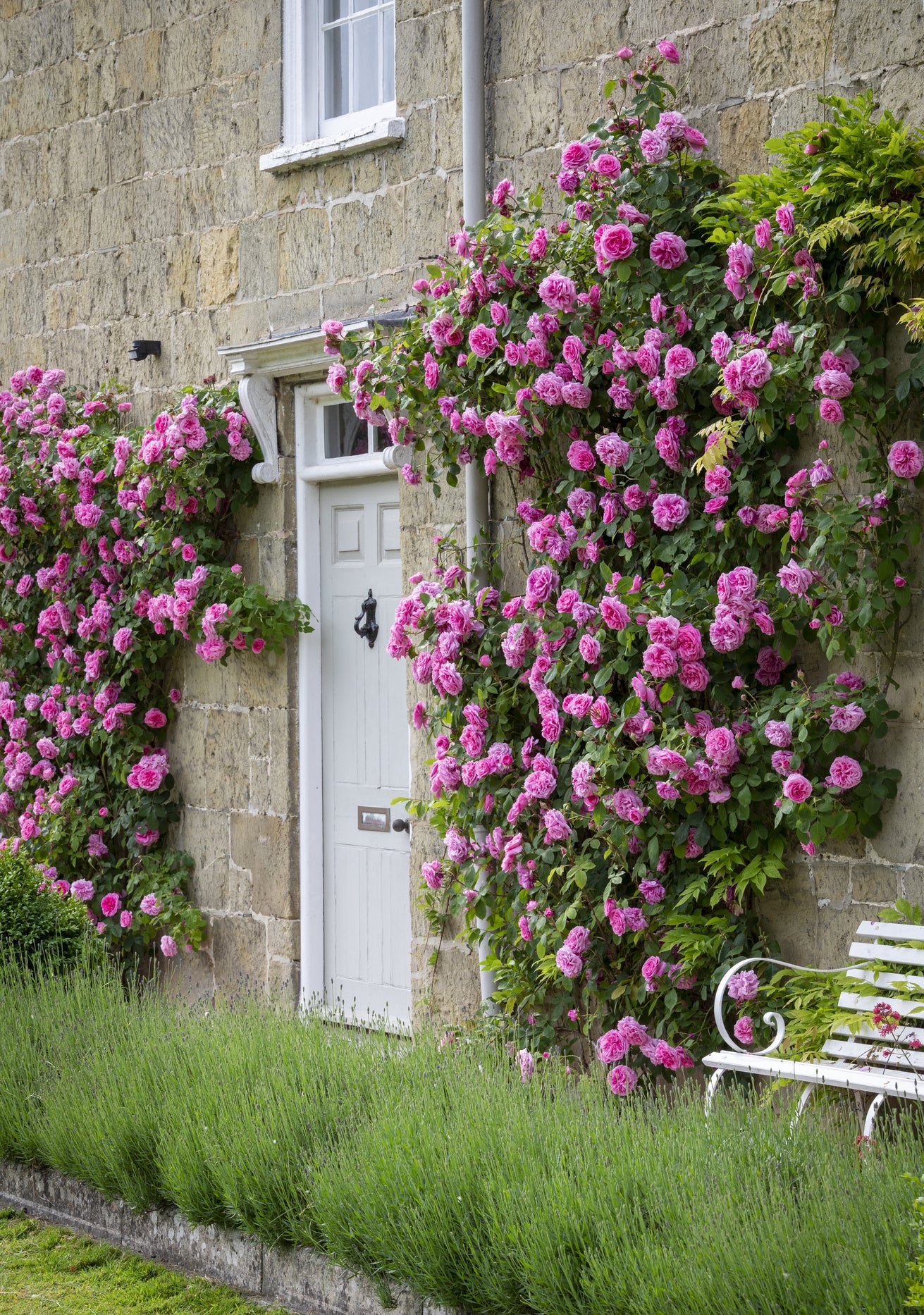
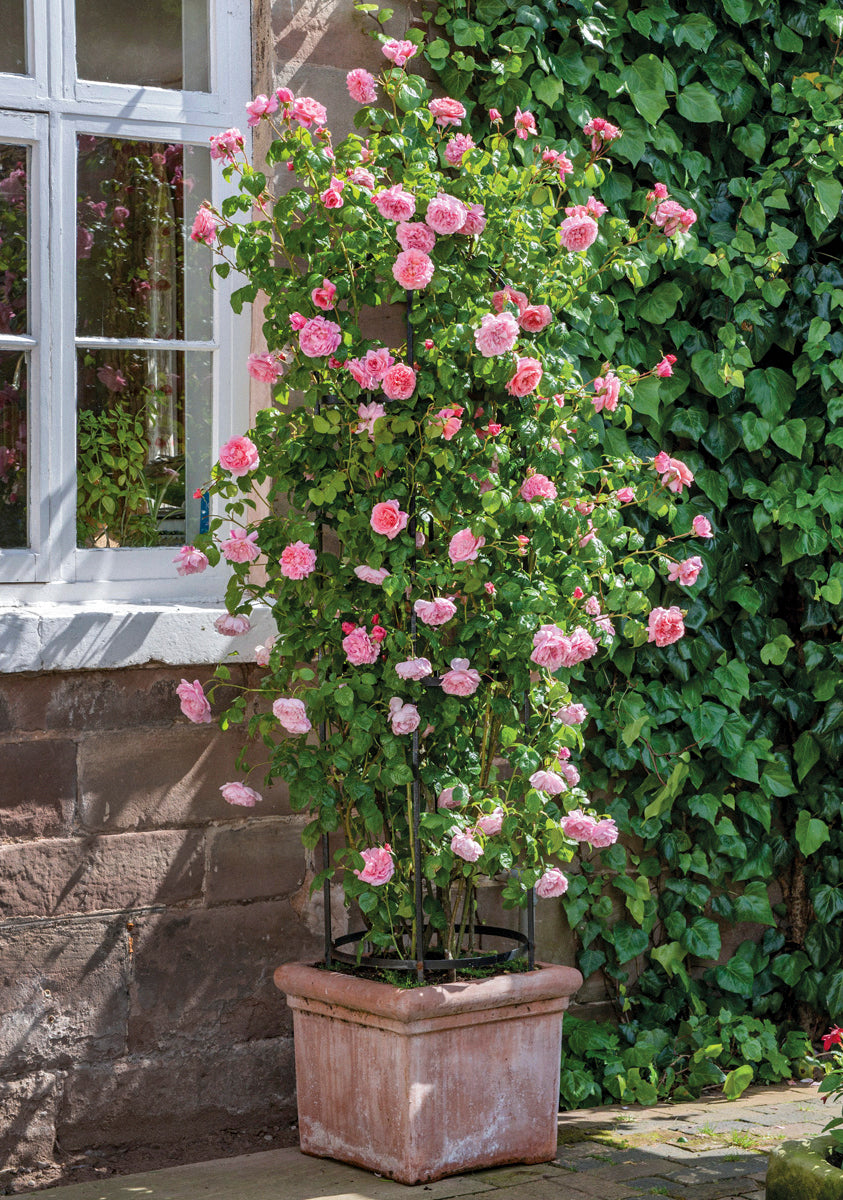
Their stems are generally thicker and more rigid than those of ramblers, making them well suited to being trained neatly across a flat surface.
What is a Rambling Rose?
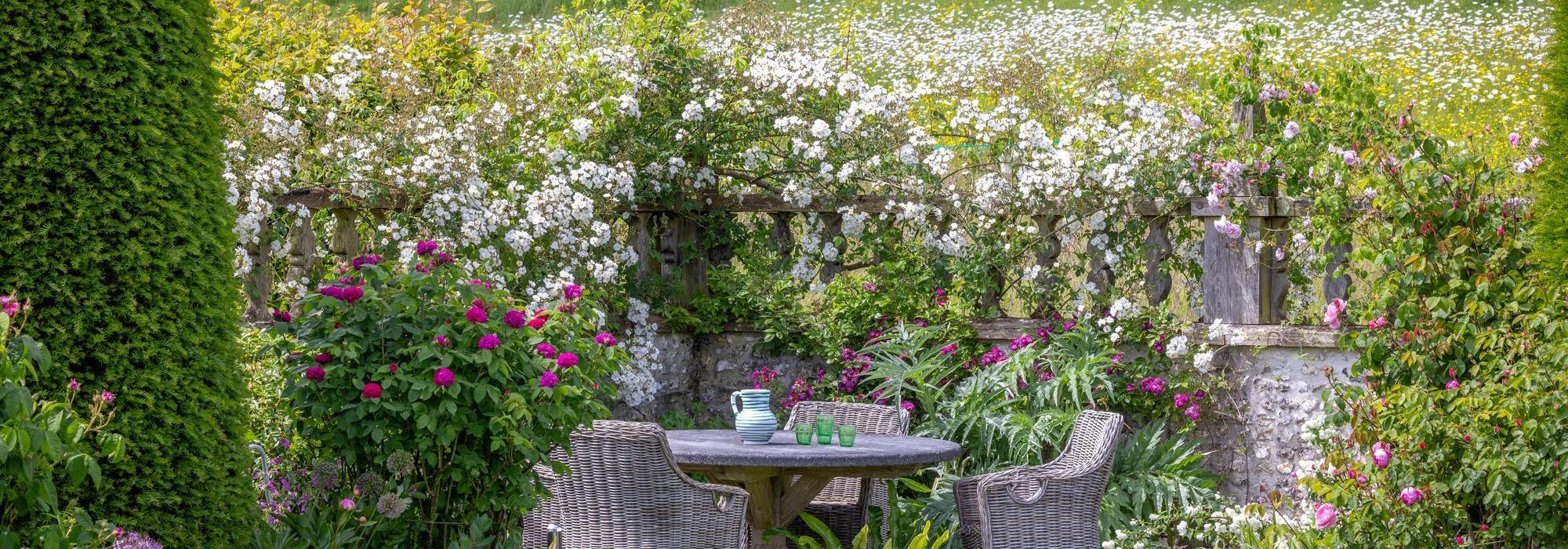
Rambling roses have a much more vigorous and informal habit. They produce long, flexible stems that can quickly cover large structures or weave naturally through mature trees and hedgerows.
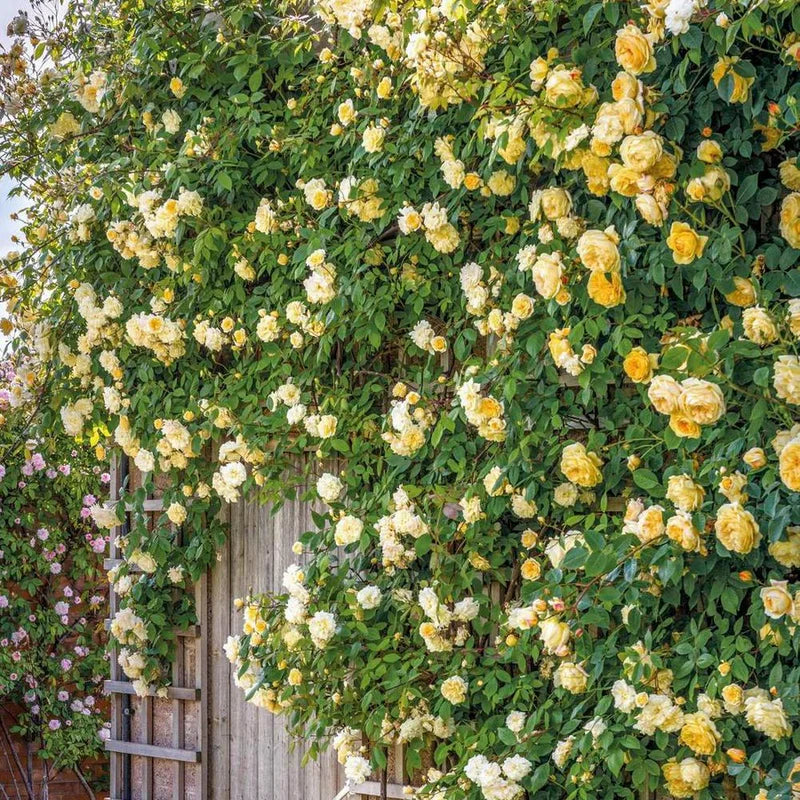
Most ramblers flower just once, usually in early summer. While their flowering season is shorter, the display is often breathtaking, with hundreds of smaller blooms carried in generous clusters.
Rambling roses are ideal for:
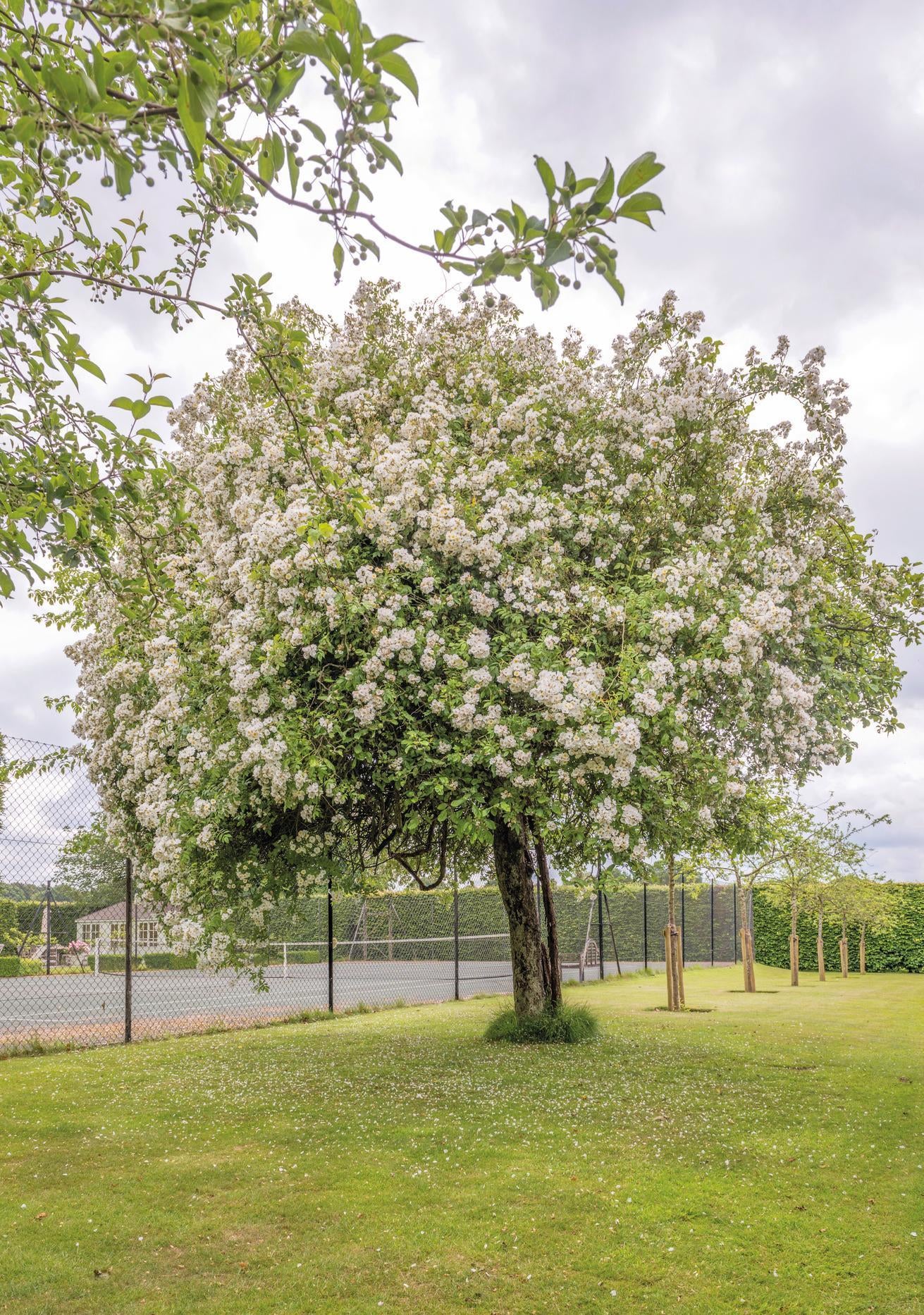
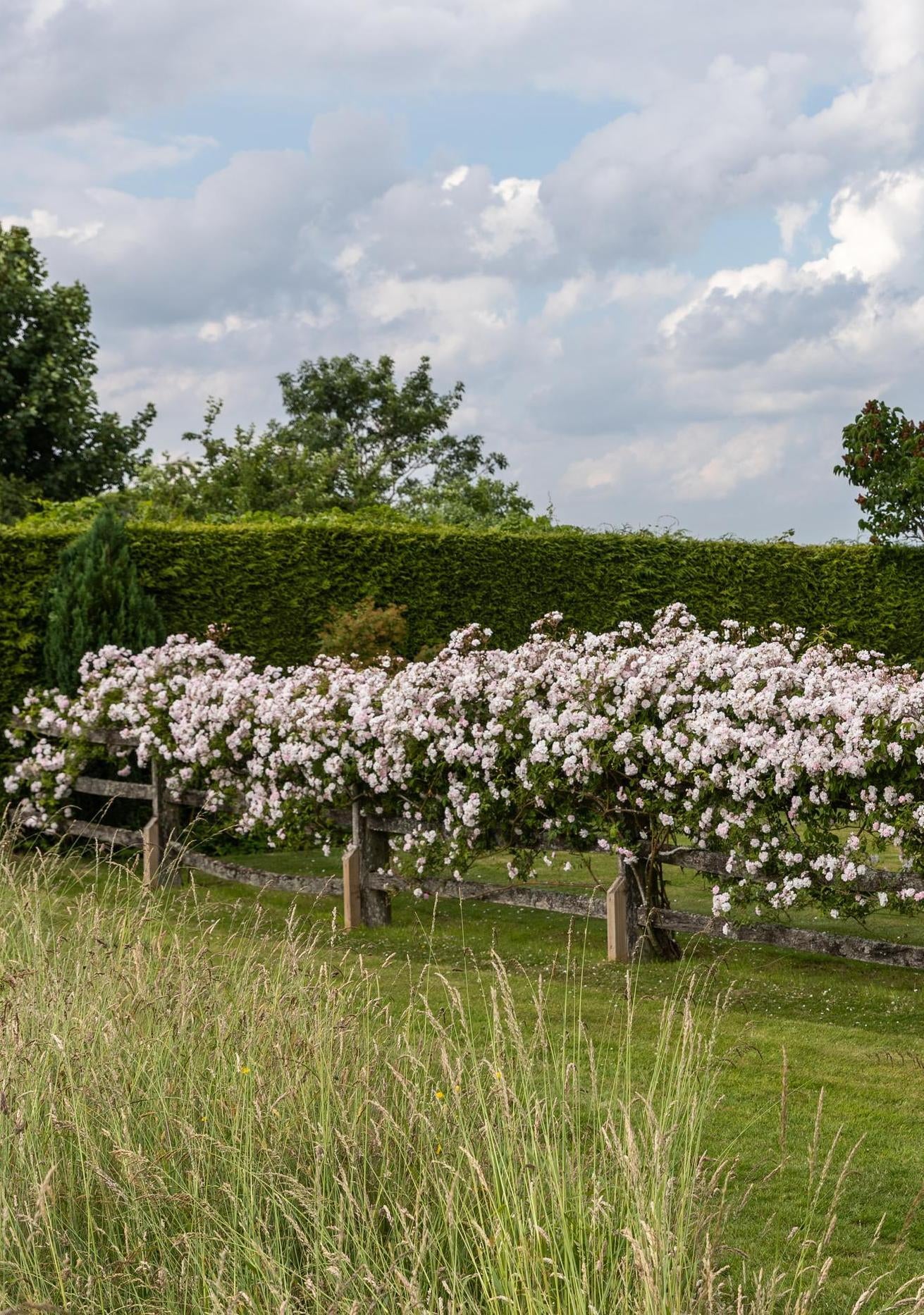
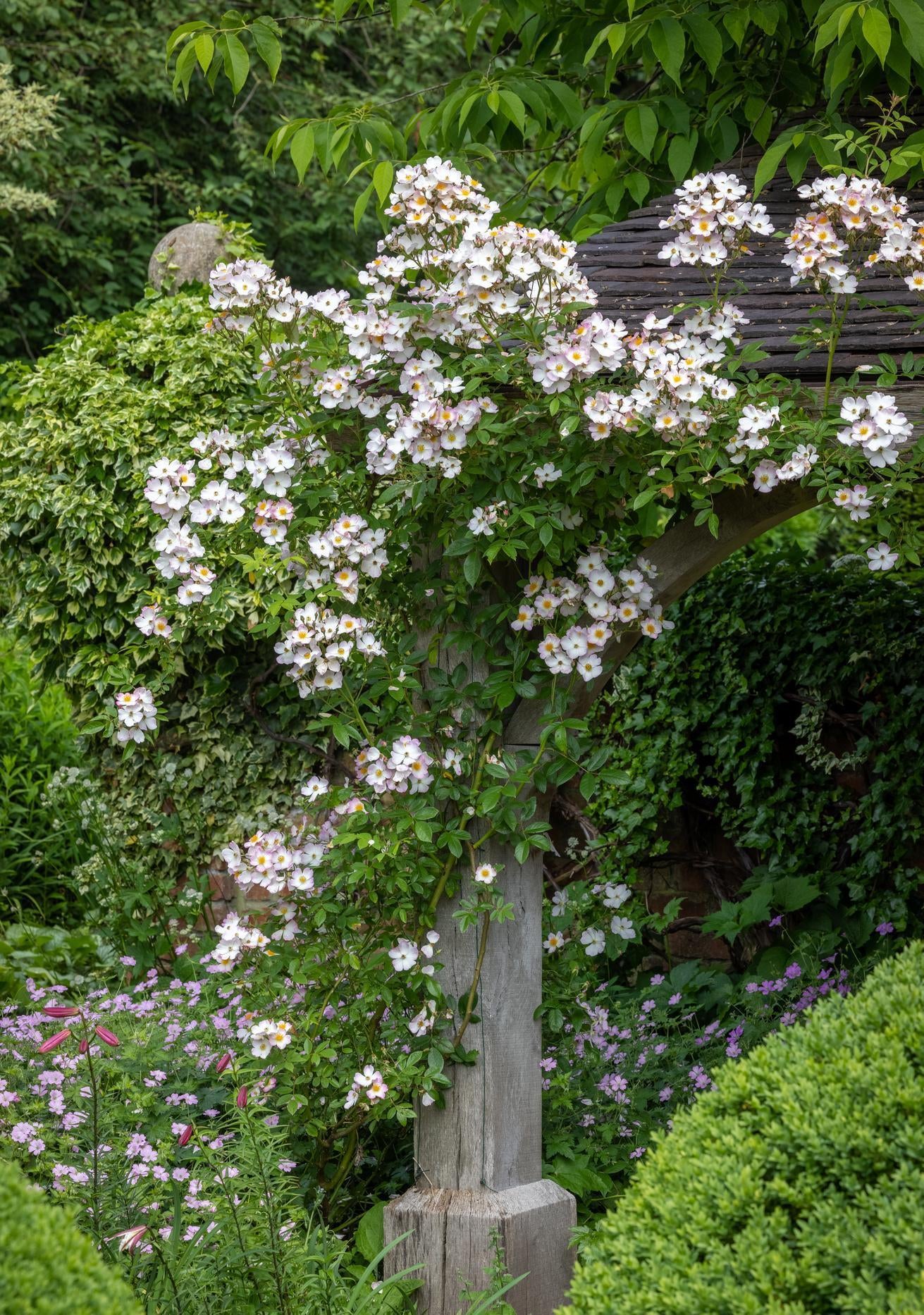
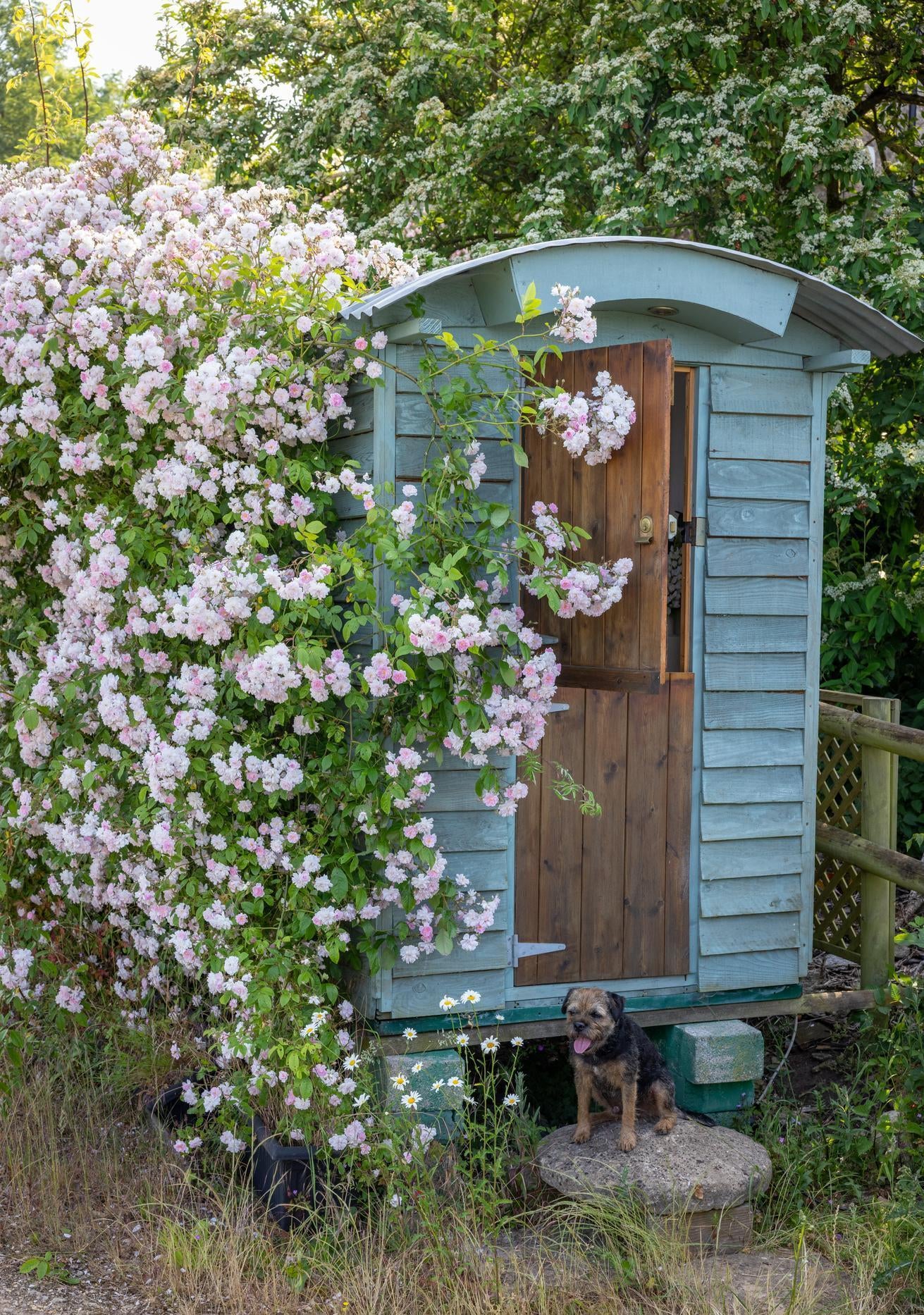
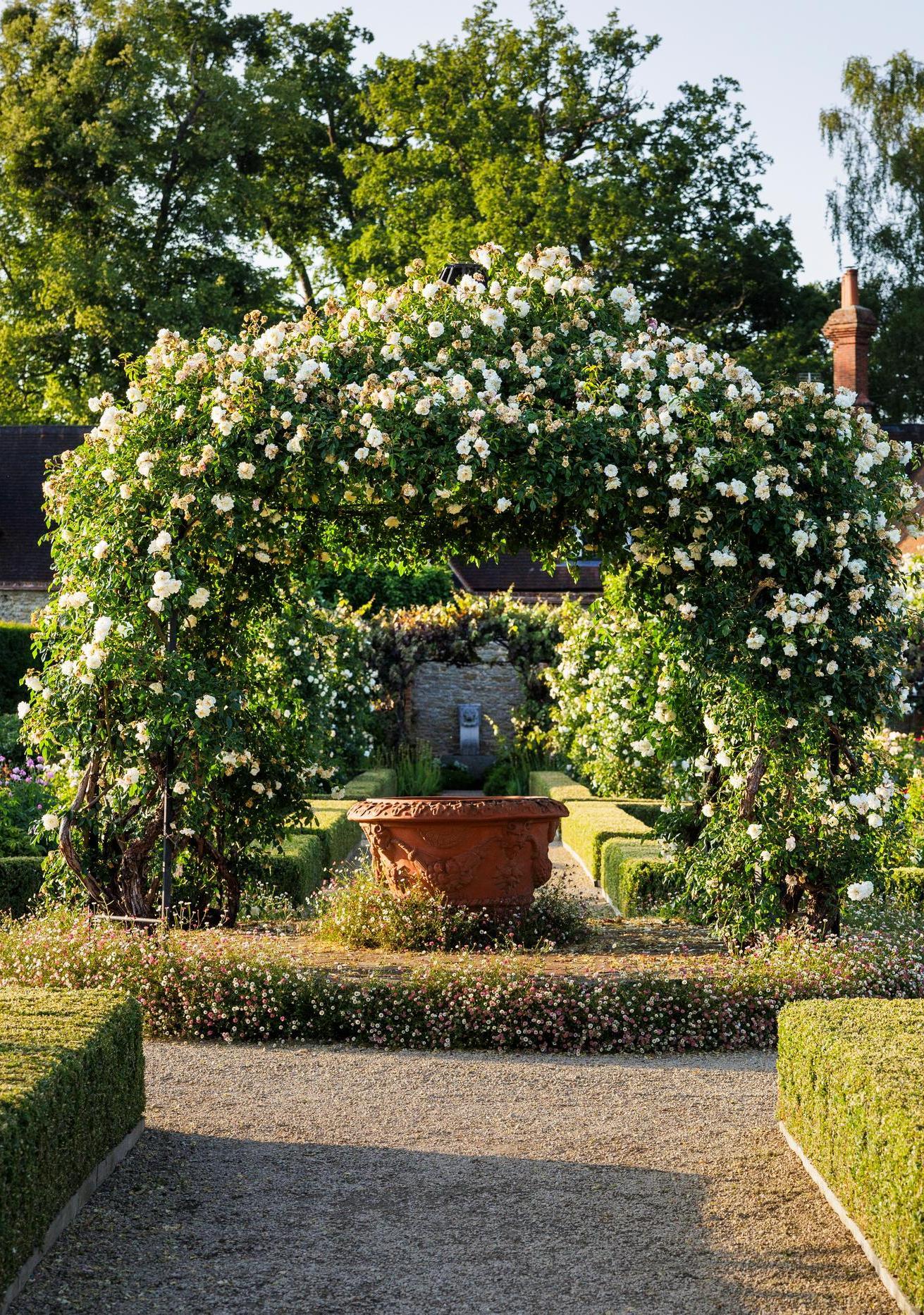
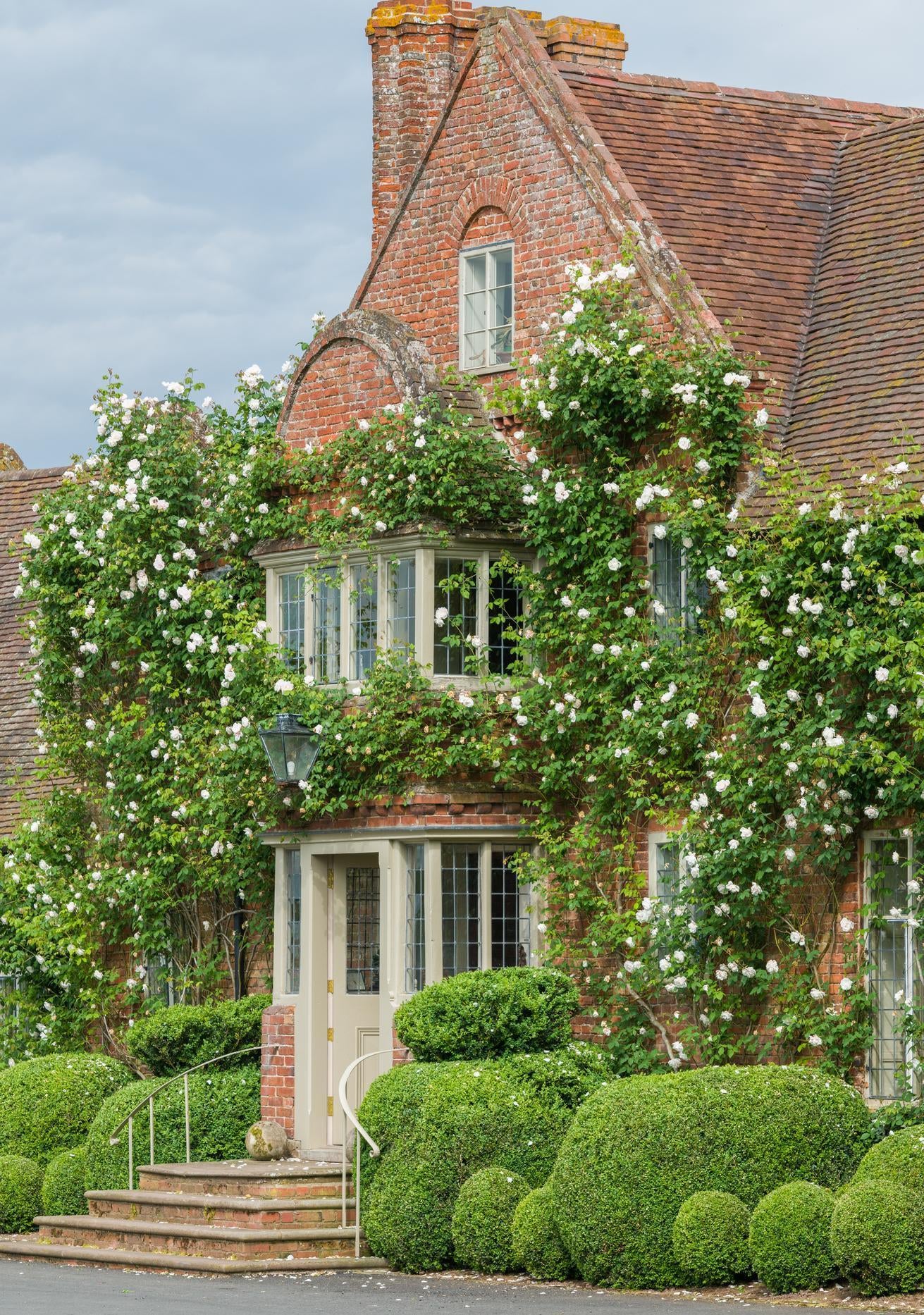
Their flexible stems make them easy to guide around structures, creating a relaxed, natural appearance.
Choosing the Right Rose for your Garden
While climbing roses and rambling roses both bring height, fragrance and beauty to the garden, they each have their own strengths. Choosing the right one is simply a matter of matching the rose to the place you want it to grow.
If you're looking to soften a wall, frame a doorway or bring colour and fragrance to a fence, a climbing rose is often the best choice. Most varieties repeat flower throughout the season, making them ideal for areas you'll enjoy every day.
If you have a mature tree, a large pergola or plenty of room for a rose to wander, a rambler is hard to beat. Although most flower just once, their spectacular display of blooms creates one of the most memorable sights in the early summer garden.
Whichever you choose, both reward careful training and, given the right support and growing conditions, become more beautiful with each passing year.
Supporting Climbing Roses and Rambling Roses
Despite their name, neither climbing roses nor rambling roses climb unaided.
Both need to be tied securely to a support using soft ties or twine. Training stems horizontally or diagonally encourages more flowering shoots to develop along each cane, resulting in a fuller display than allowing stems to grow straight upwards.
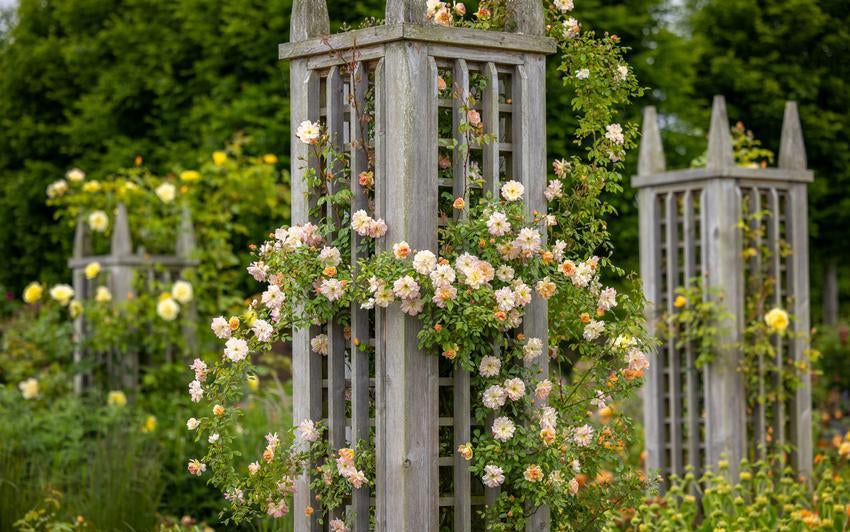
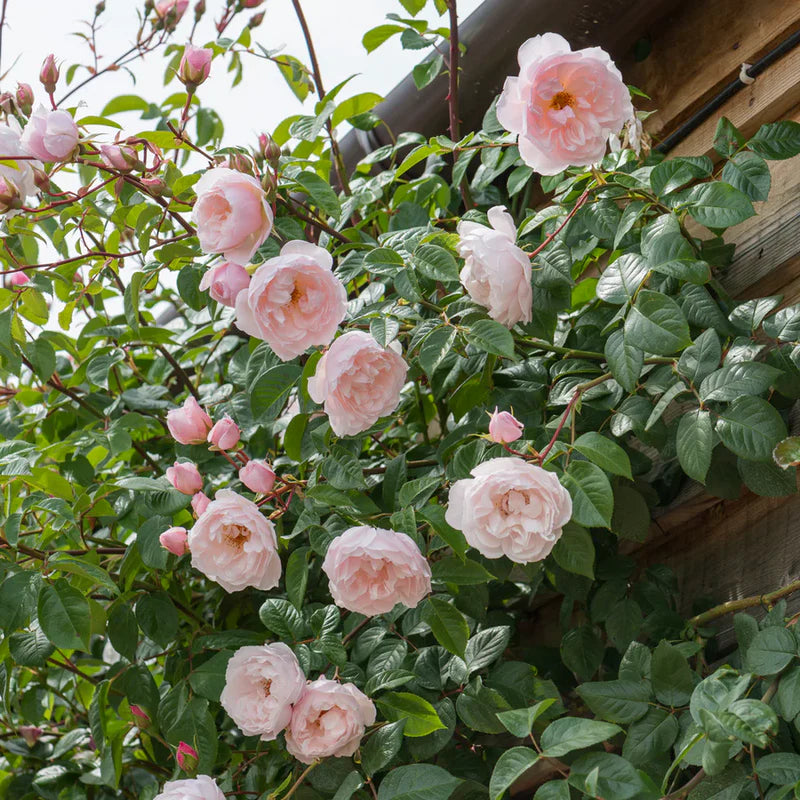
Walls, fences, arches, pergolas, obelisks and pillars all make excellent supports. When growing a rose against a wall, fix galvanised wires using vine eyes to create a framework that allows air to circulate behind the plant while providing plenty of points to tie in new growth.
Choosing the Right Size
One of the most common mistakes is choosing a rose that will eventually outgrow its support.
Some climbing roses reach around 8 to 12 feet (2.5 to 3.5 metres), while vigorous rambling roses can become considerably larger over time. Rather than regularly cutting a rose back to fit its space, it's always better to choose a variety that's naturally suited to the structure you're planting.
Remember that the heights listed in our catalogue are intended as a guide. Soil, sunlight, weather and aftercare all influence how large a rose will become.
Planting and Positioning
Both climbing and rambling roses thrive in fertile, well-drained soil and a position that receives at least four hours of direct sunlight each day.
Plant around 18 inches (45 cm) away from walls or other large plants so the roots have space to establish. Roses growing close to walls may also need additional watering, as rainfall often doesn't reach the base of the plant.
When choosing where to plant, think about the mature size of your rose and ensure the supporting structure is strong enough to support it. Large rambling roses can become surprisingly substantial over time, while climbing roses are generally easier to manage in smaller spaces.
If you're planning to grow a climbing rose in a container, choose a variety suited to life in a pot and use a generous container to give the roots plenty of room to develop. For more advice on choosing the right container, compost and aftercare, read our guide to
Climbing and Rambling Roses in Pots
Very vigorous rambling roses are generally better suited to planting in the ground, where they have space to reach their full potential.
A Rose for Every Garden
Whether you choose a climbing rose for months of repeat flowering or a rambler for its spectacular early summer display, both bring height, fragrance and character to the garden.
Climbing roses offer structure and a long season of interest, making them ideal for walls, fences and smaller garden features. Rambling roses provide a softer, more natural effect, clothing mature trees, pergolas and large structures with remarkable abundance.
Choose the right rose for the right place, give it the support it needs, and it will reward you with a display that becomes more beautiful with each passing year.
-
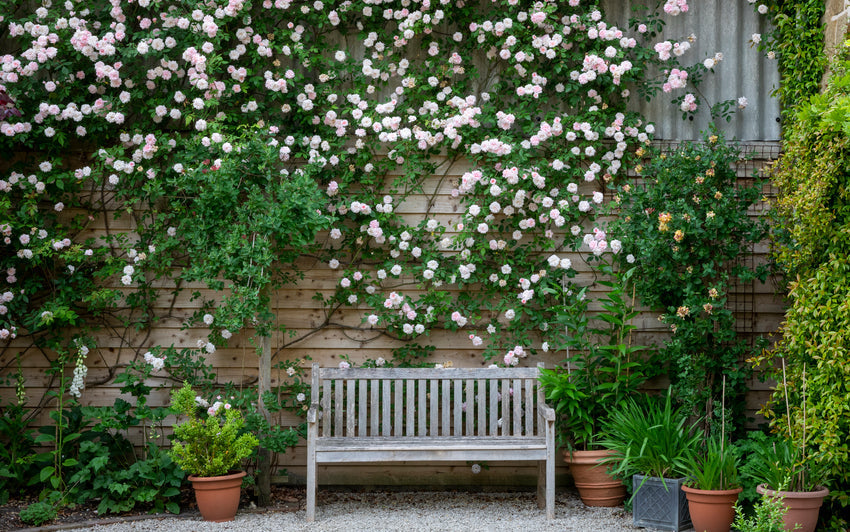
Creating Living Walls with Climbing RosesA living wall has a way of transforming a space, turning a simple surface into a quiet theatre of petals, scent and shifting light. When English Roses form the foundation, the display becomes generous and enduring. Their repeat blooms, soft colours and naturally graceful habit bring depth and character to any vertical space, whether it is a boundary fence, a warm house wall or a tucked-away corner that needs a little life.
-
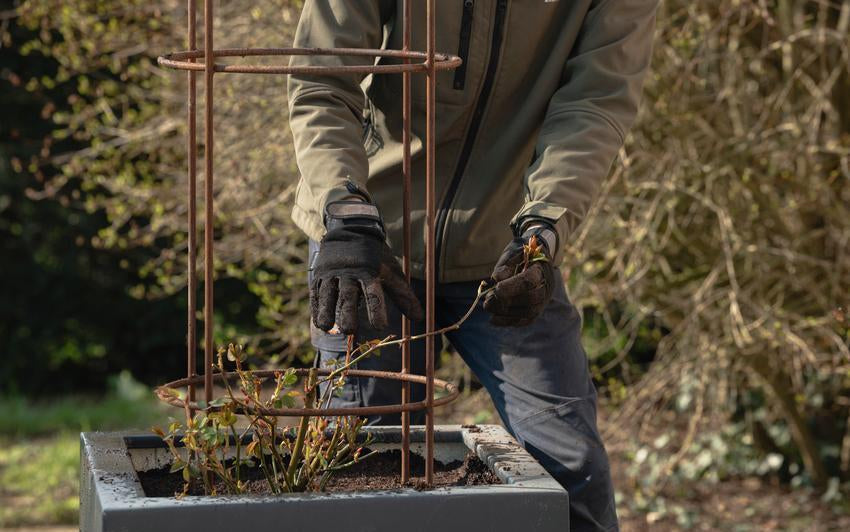
How to Plant a Potted Climbing Rose in a Pot: Step-by-StepPlanting a climbing rose in a container brings height, softness and a quiet sense of structure to the garden. With a generous pot and a little care at the beginning, your rose will settle happily and reward you with graceful growth. Climbing roses are well suited to container life, particularly those of a more moderate height. Given space for their roots and something to climb, they will flourish.
-
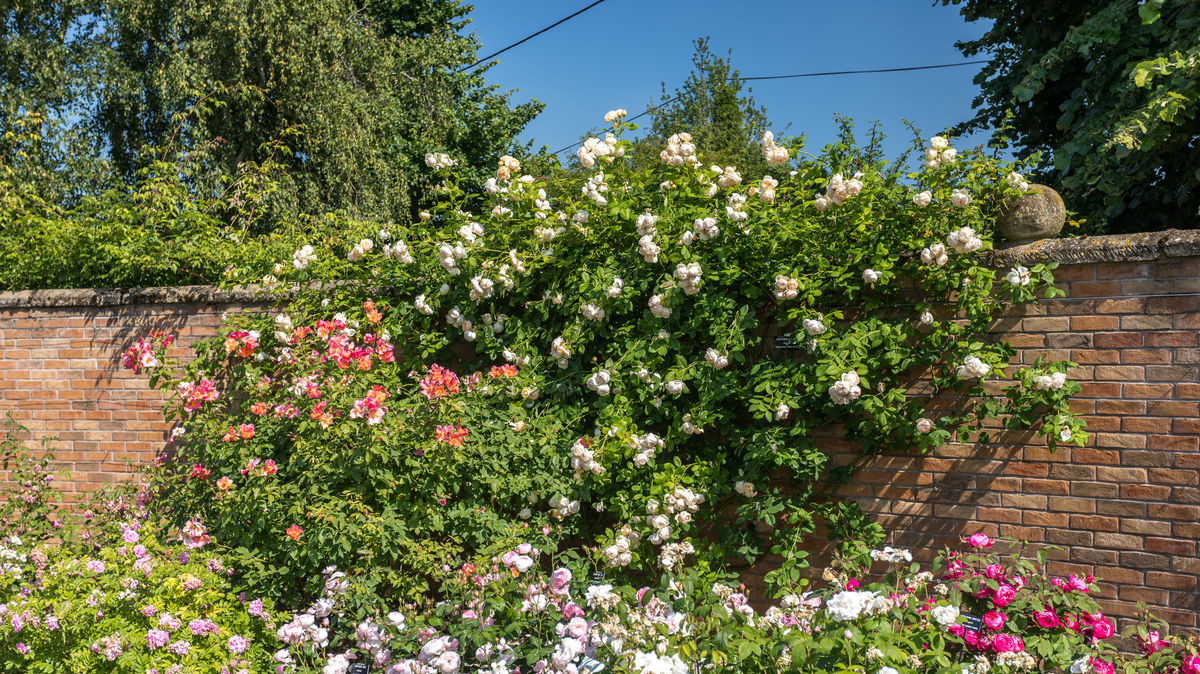
Climbing and Rambling Roses for Covering Walls and FencesBy training a fabulous, fragrant climbing or rambling rose up a wall or or fence, you can convert a dull, even unsightly area into one of the most stunning features in your garden. It draws the eye up from the ground, providing colour and blooms at eye level. Similarly, placing a rose behind a border on a wall or fence will increase the impact and visual depth of the bed.
-
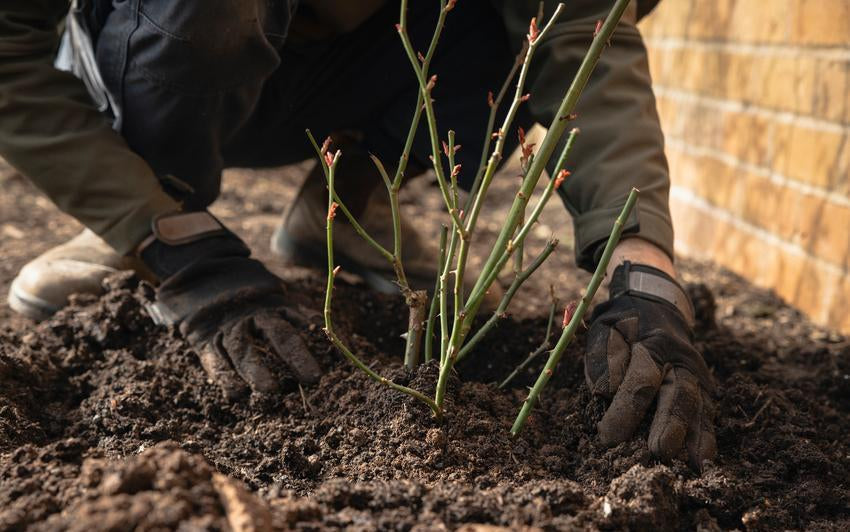
How to Plant a Potted Climbing Rose: Step-by-StepBy following these simple steps, you will ensure your potted climbing rose gets off to the very best start, helping it settle beautifully into the ground and establish the strong, healthy framework needed for years of abundant growth and flowers.
-
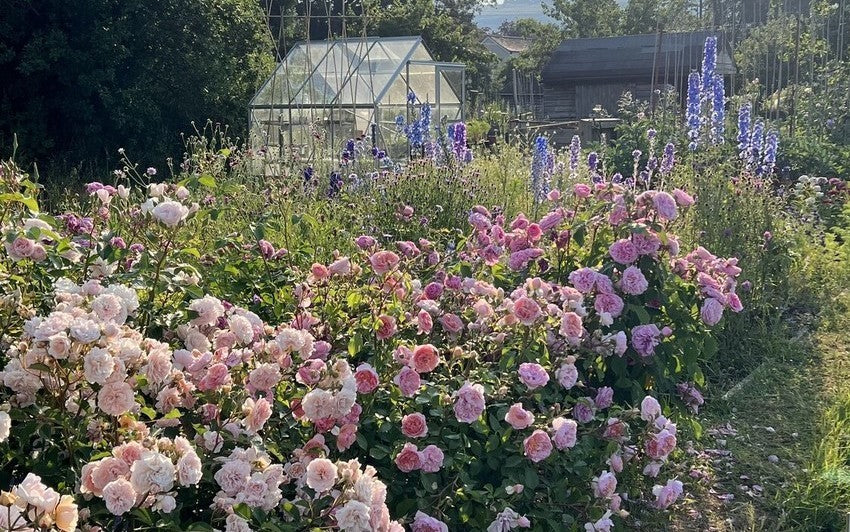
Best Roses for Allotments and Vegetable Patches: A Beginner’s GuideOrderly rows of cabbages, fruit cages heavy with berries, and muddy boots by the shed door define the classic allotment. Roses rarely fit this purely practical image. However, these tough, versatile plants offer immense value to productive spaces. They deliver fragrance, colour, and vital wildlife support directly alongside your harvest.
-
Climbing Roses for Arches, Obelisks and PillarsThere is always room for another rose. When borders are full, the answer is often simply to look upwards. Climbing roses can transform arches, obelisks and pillars into wonderfully abundant garden features, bringing flowers and fragrance to eye level and above. They can tumble over an entrance, rise from the middle of a border or soften a simple post with foliage and bloom. And, with the right rose and a little thoughtful training, they need surprisingly little ground space to make quite an impression.