


Roses for the Last Night of the Proms
There are few evenings quite like the Last Night of the Proms. Familiar melodies fill the Royal Albert Hall, the audience joins in and music heard and loved for generations is given fresh life once more.
This year’s programme got us thinking about the curious connections between music, stories and the names of some of our roses. From Elgar and the Malvern Hills to Britain’s long relationship with the sea, each offers a thread to follow from the concert hall into the garden.
And, of course, no celebration of roses and music would feel quite complete without The Lark Ascending®.
The Lark Ascending® (Ausursula)
Few pieces of music evoke an English summer quite like Ralph Vaughan Williams’s The Lark Ascending. The violin rises and falls with a wonderful lightness, seeming at moments to disappear into the open sky.
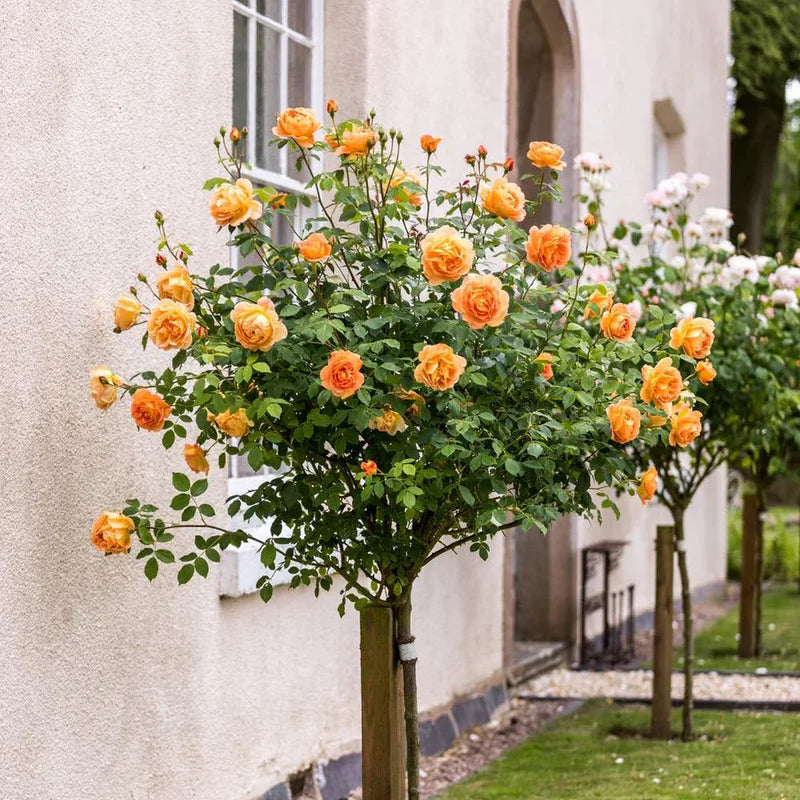
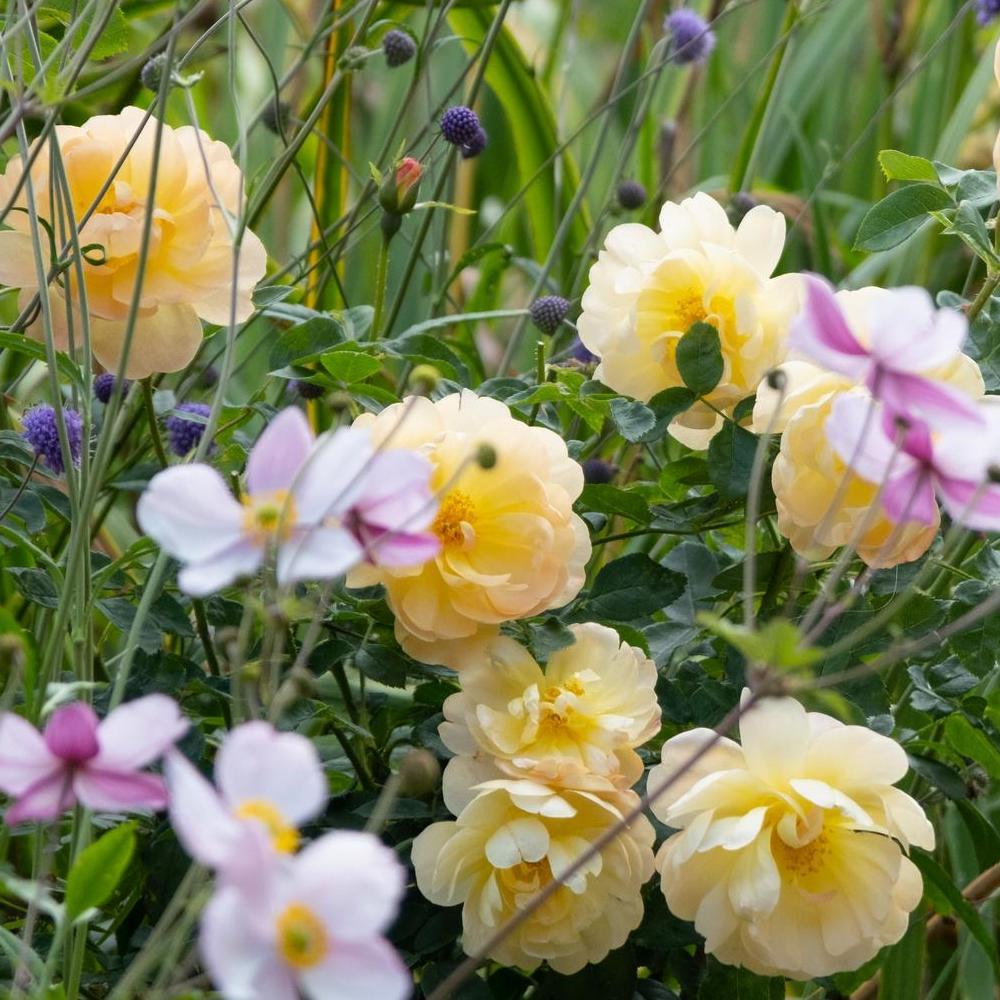
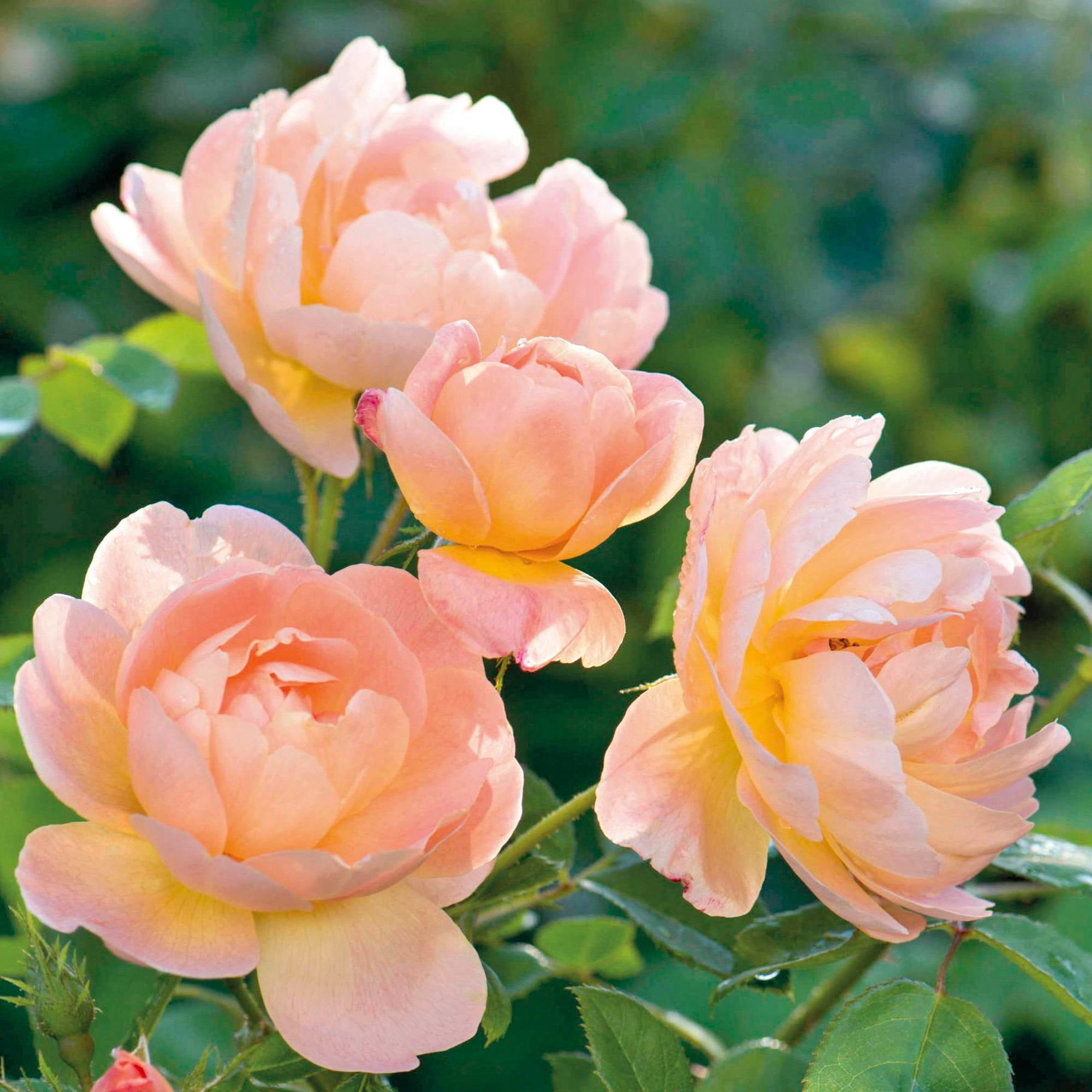
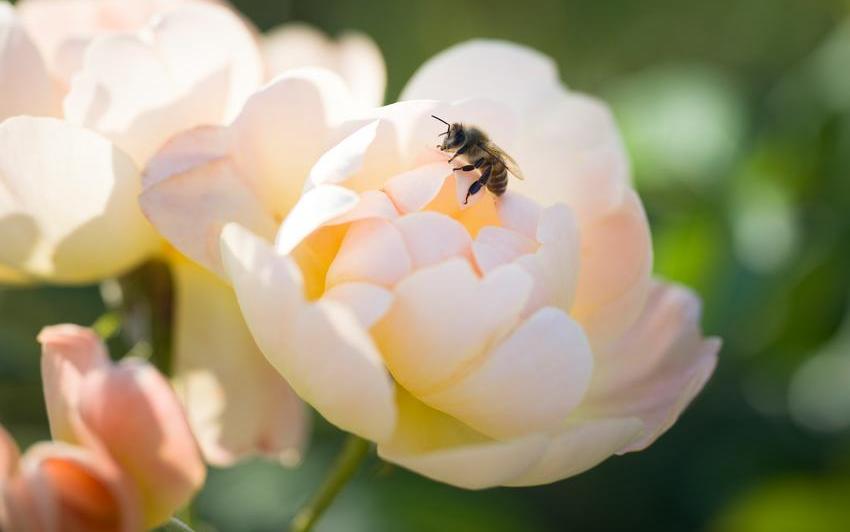
The Lark Ascending® captures something of that same spirit. Its soft apricot, semi-double flowers are held in generous, airy clusters on tall stems, giving the rose a wonderfully light and graceful appearance. As each flower opens, a circle of golden stamens is revealed at its heart, while a light Musk fragrance adds to its gentle character.
With its tall, slightly airy growth, this is a lovely rose for the middle or back of a mixed border, where its flowers can rise above surrounding planting. There is movement to it too, particularly when the stems catch a summer breeze. A fitting namesake for music that seems to belong to the open air.


James Galway® (Auscrystal)
For decades, Sir James Galway has brought the distinctive sound of his flute to audiences around the world, including appearances at the Proms. Known as ‘The Man with the Golden Flute’, his playing is celebrated for its clarity, warmth and seemingly effortless quality.
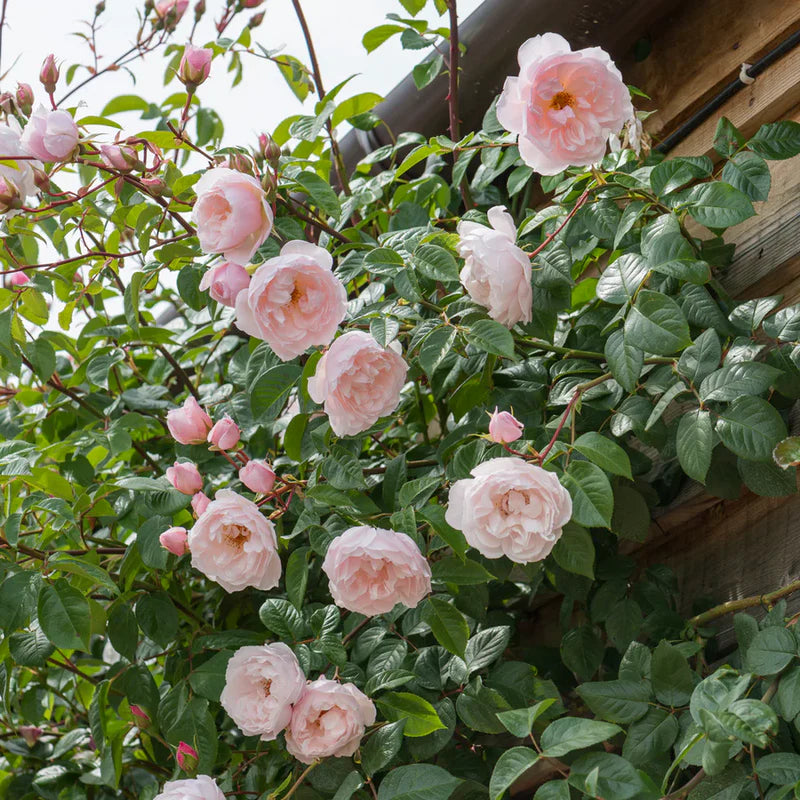
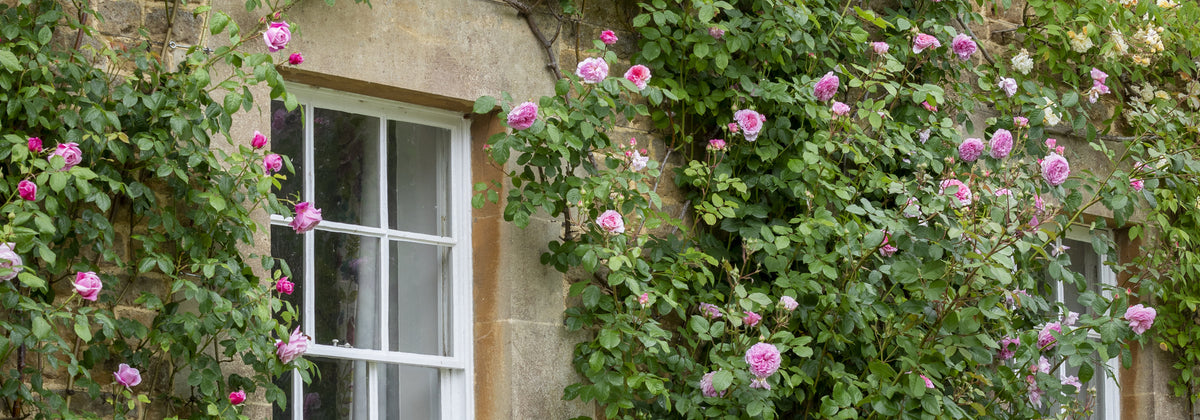
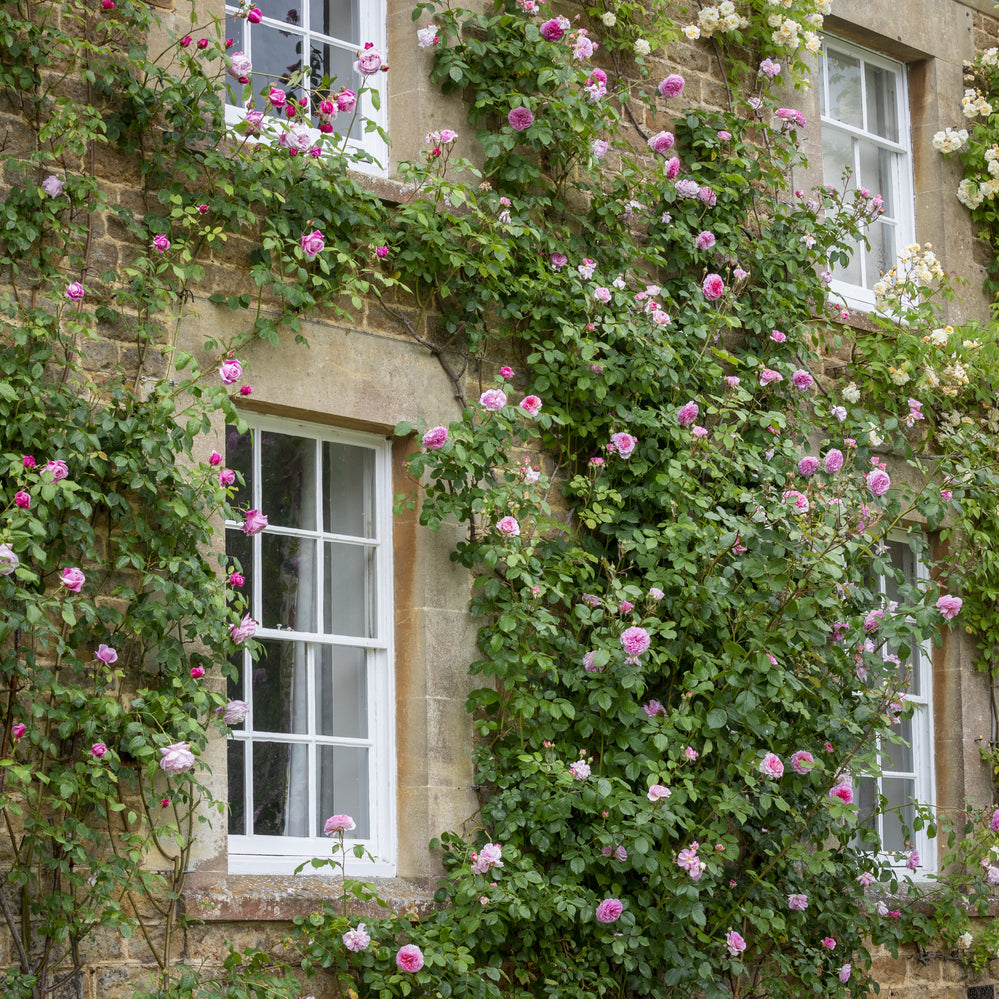
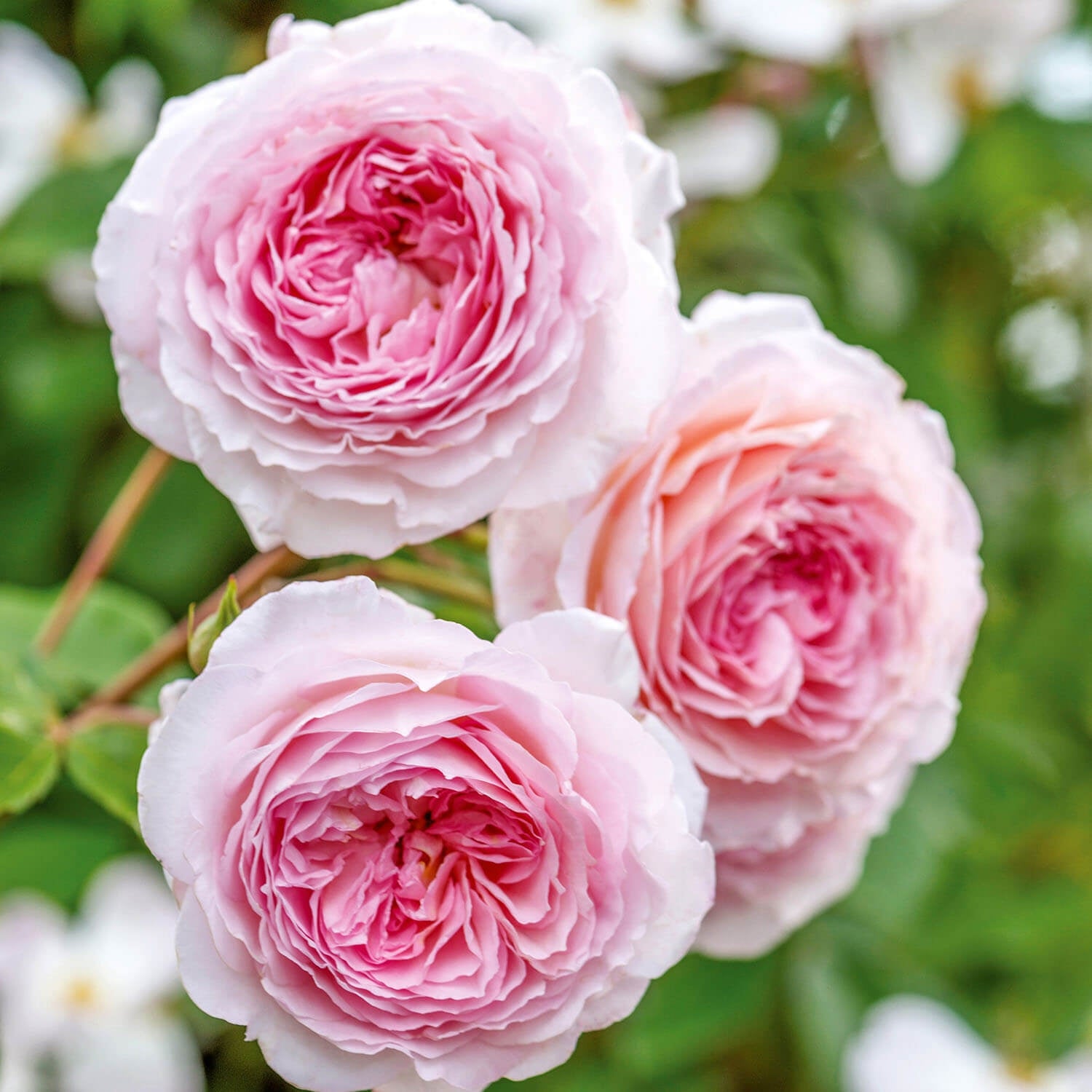
The climbing rose James Galway® has an elegance of its own. Beautifully formed warm pink rosettes are packed with petals, their deeper centres gradually paling towards the edges. As the flowers open, their petals curve slightly outwards to create wonderfully full yet graceful blooms.
A strong climber, it flowers generously through the season and is a lovely choice for bringing height and colour to a wall or arch. Its flowers are carried beautifully above eye level, where their intricate form can be appreciated as you pass.
There is something rather fitting about a climbing rose bearing the name of a musician whose flute could lift a melody so effortlessly above an orchestra.

Malvern Hills® (Auscanary)
Later in the evening comes one of the great Last Night traditions: Edward Elgar’s Pomp and Circumstance March No. 1, with the familiar melody of Land of Hope and Glory.
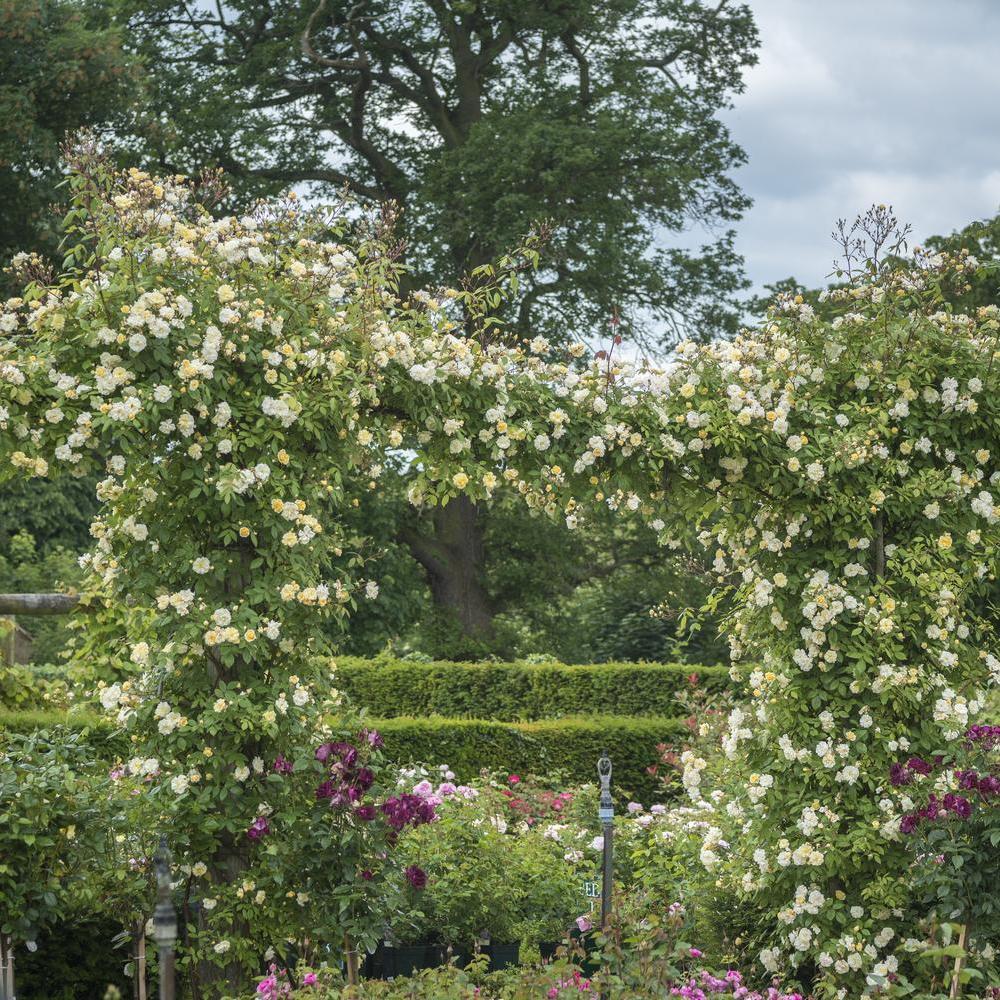
Elgar’s life was closely entwined with the Malvern Hills, the Worcestershire landscape he knew so well. Our rambling rose Malvern Hills® takes its name from those same hills.
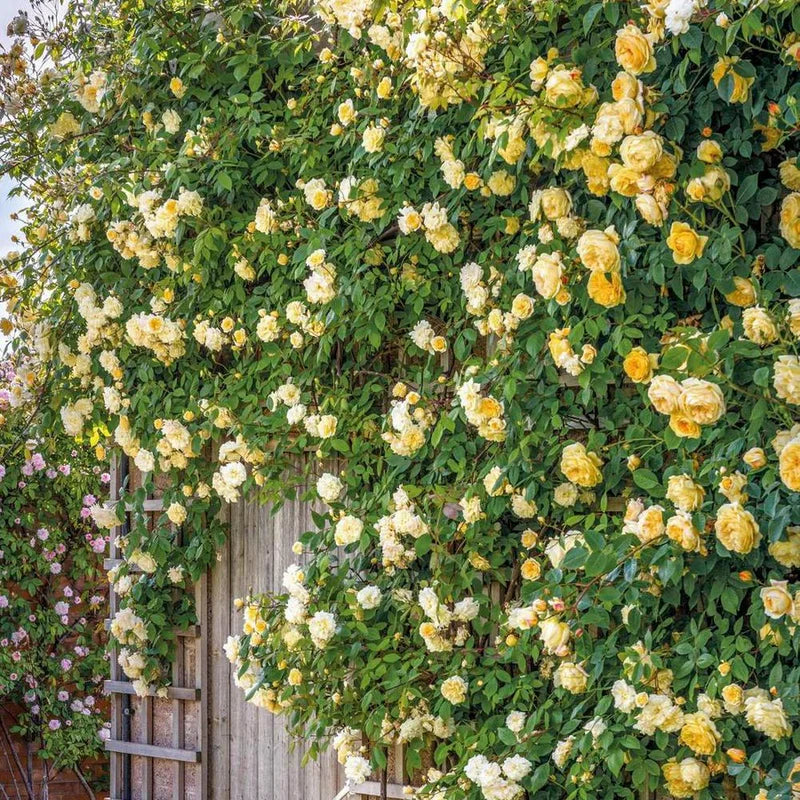
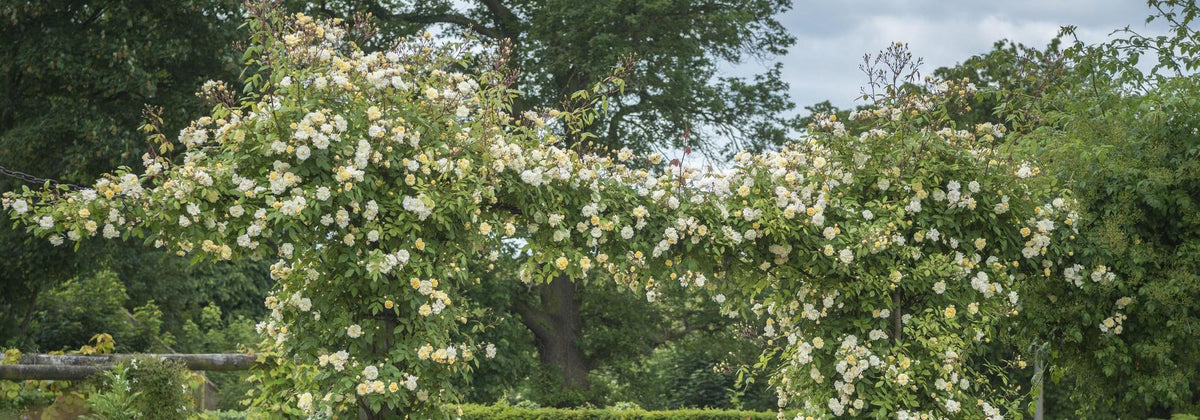
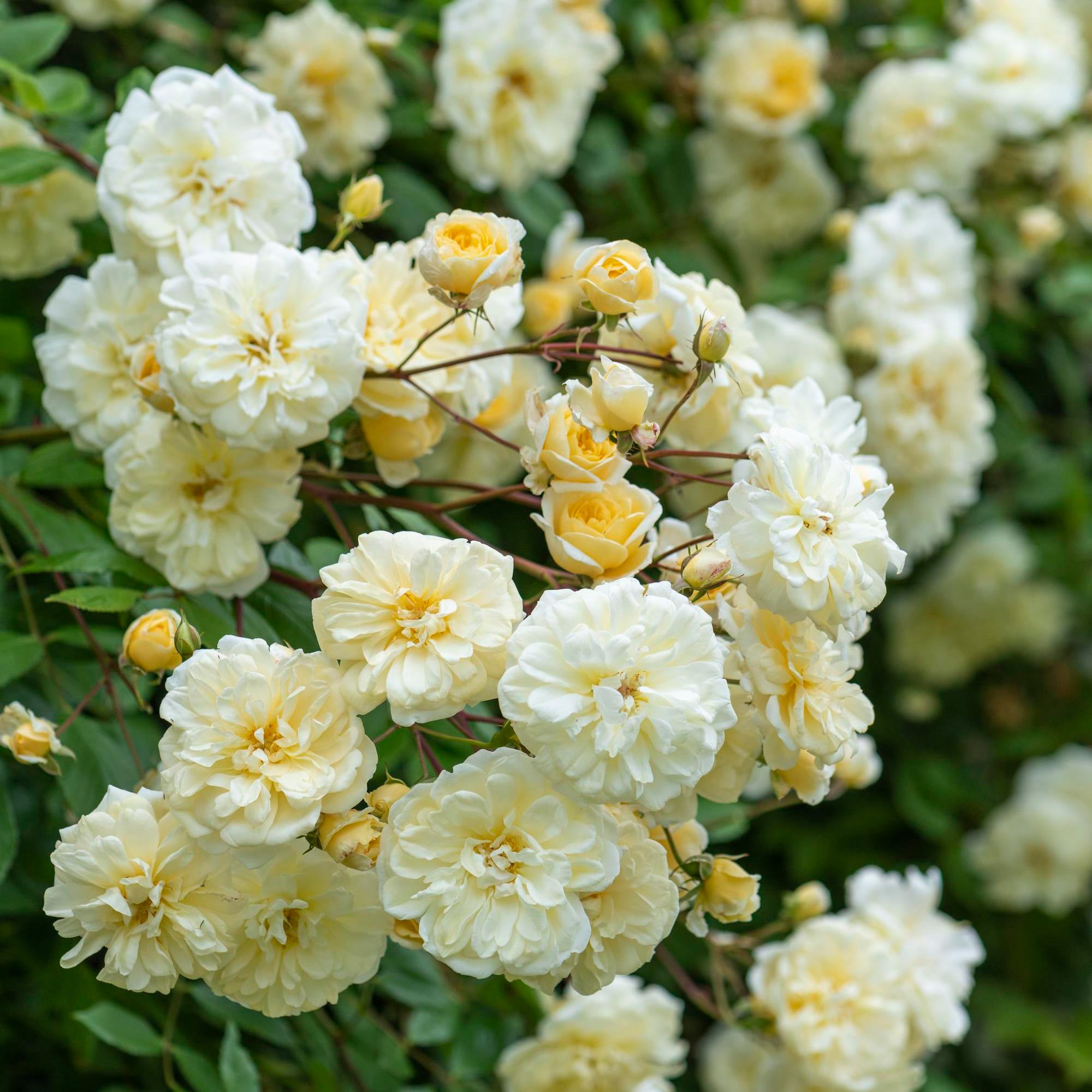
Small, soft yellow flowers appear in generous clusters, opening to reveal golden stamens before gradually fading towards cream. The effect is wonderfully abundant, with several delicate shades often appearing together.
Its long, flexible stems are well suited to an arch or wall, where they can be trained to create great sweeps of flower. Unusually for a rambler, Malvern Hills® repeat flowers too, returning with further blooms as the season unfolds.
It is a lovely meeting of music, rose and landscape, each with its own connection to a much-loved corner of England.

The Mayflower® (Austilly)
When Henry Wood’s Fantasia on British Sea-Songs begins, the evening turns towards Britain’s long relationship with the sea.
For us, it brings to mind The Mayflower®, named after the ship that carried the Pilgrims across the Atlantic to America in 1620. We named the rose to mark the launch of our first American catalogue.
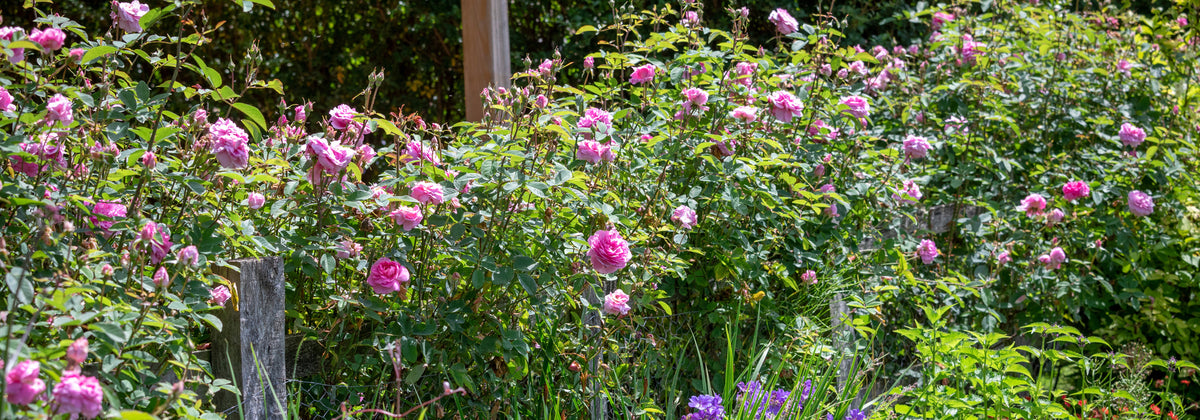
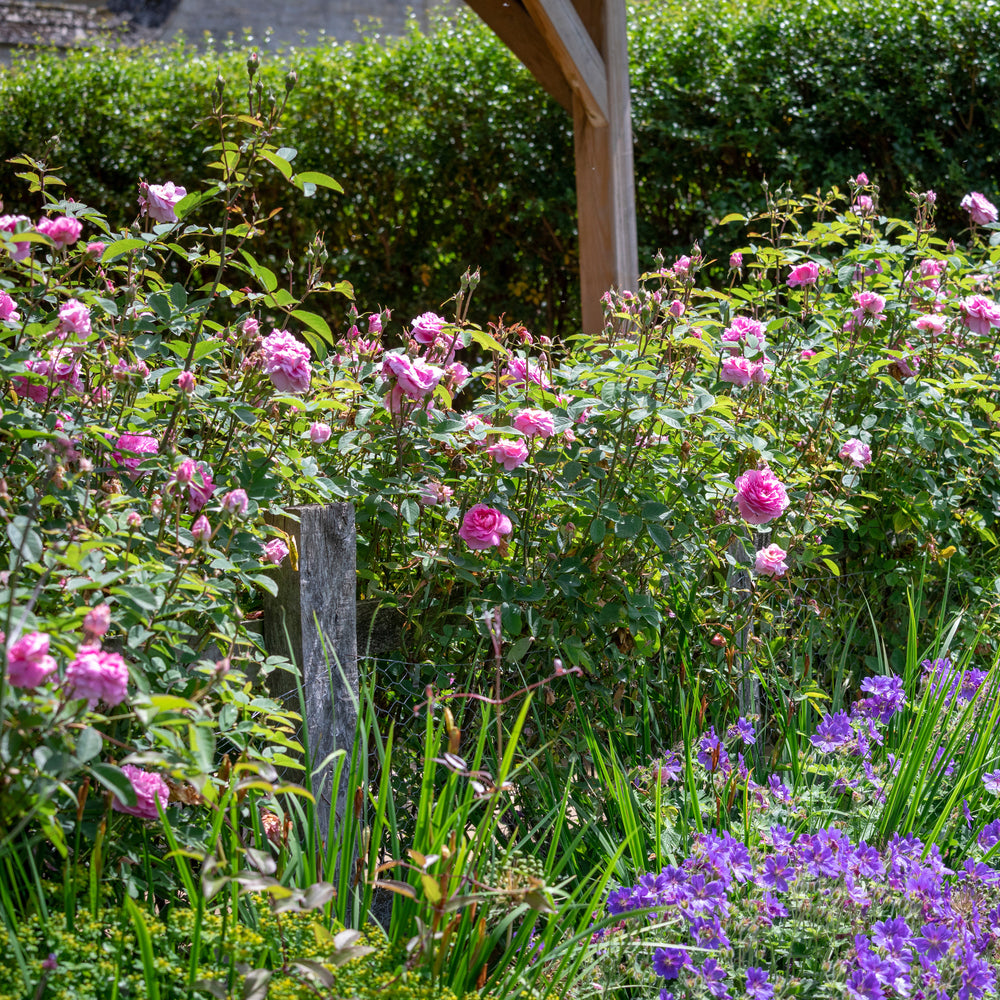
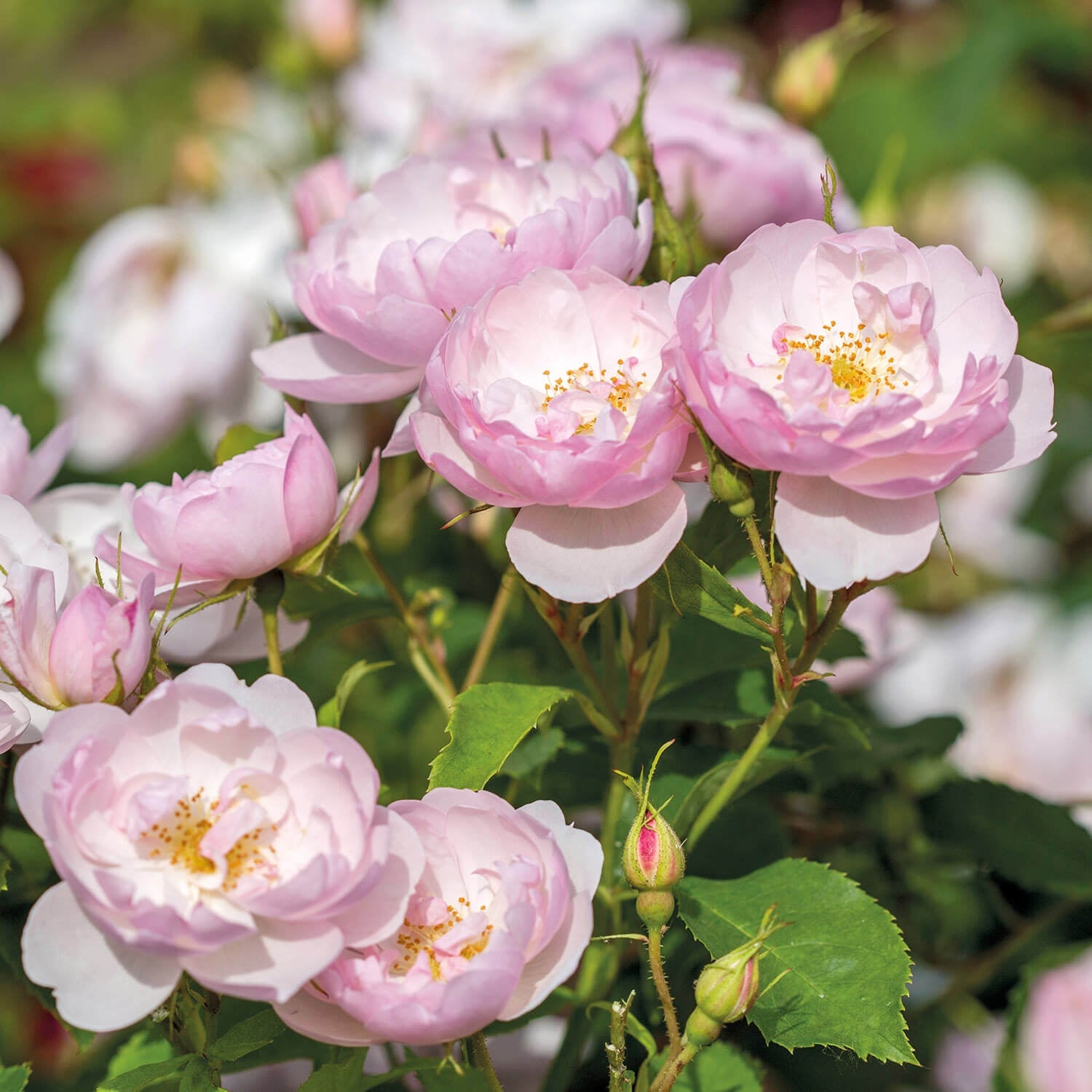
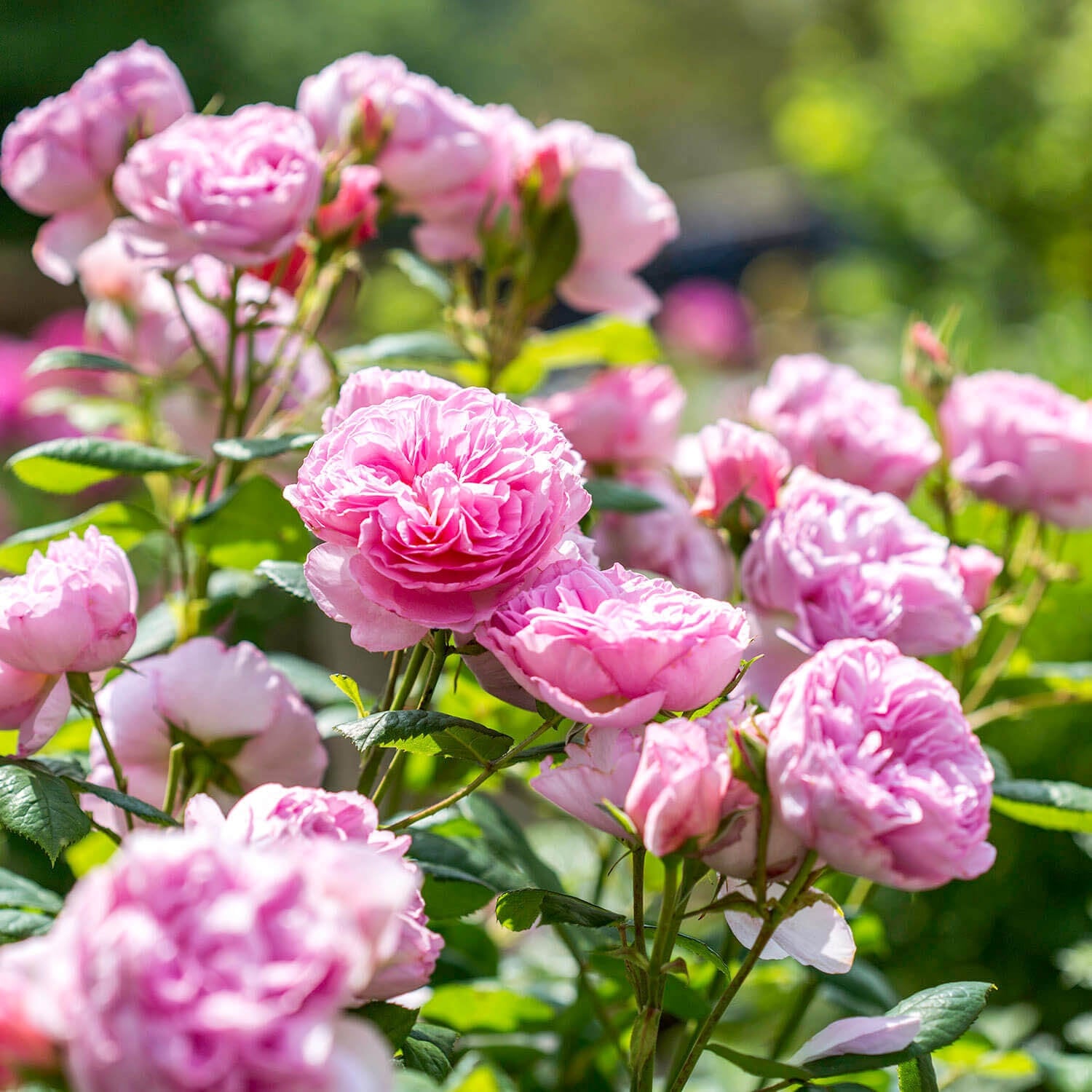
The rose itself has the unmistakable character of an old-fashioned English rose. Medium-sized, mid-pink blooms open above dainty foliage, their many petals forming softly informal, Old Rose-style flowers. A lovely, medium-strong Old Rose fragrance completes the picture.
The Mayflower® forms a tough, hardy shrub with upright, bushy growth and flowers repeatedly through the season. Particularly noted for its health, it is equally at home in a mixed border, a rose hedge or a more lightly shaded corner of the garden.
Its name recalls a journey across the sea, but The Mayflower® has found a rather lovely home in the English garden.

The Ancient Mariner® (Ausoutcry)
And while the orchestra has taken us out to sea, there is one more rose we cannot help but think of.
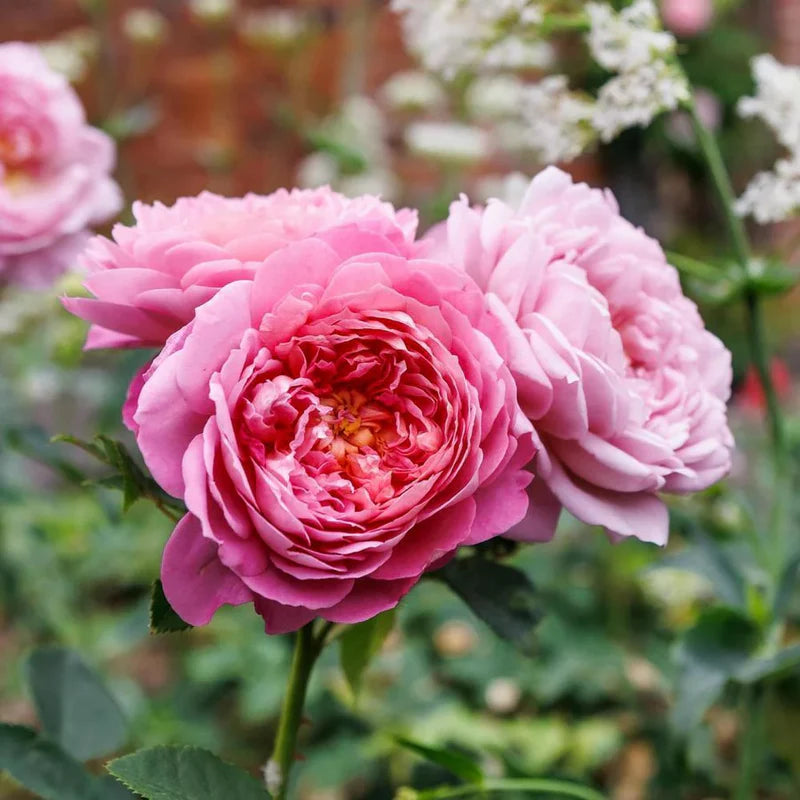
The Ancient Mariner® takes its name from Samuel Taylor Coleridge’s The Rime of the Ancient Mariner, his extraordinary tale of a sailor and a voyage across the ocean.
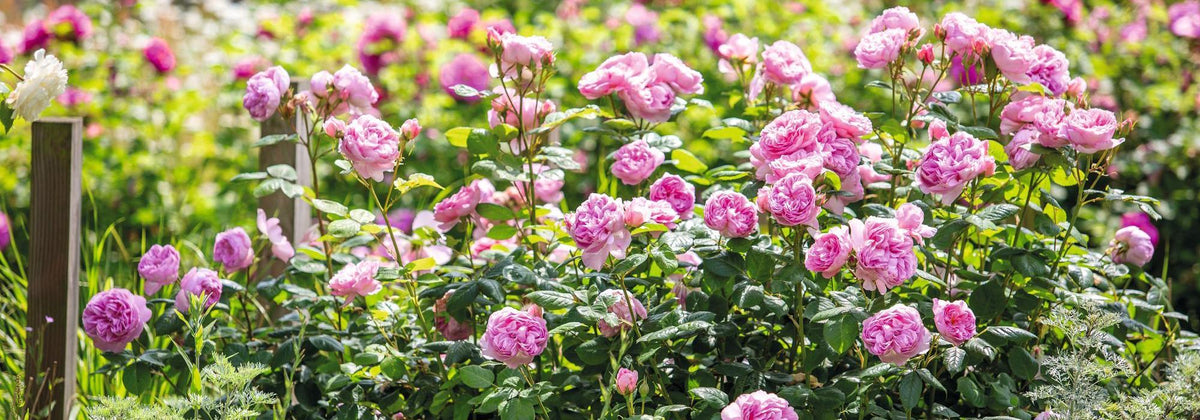
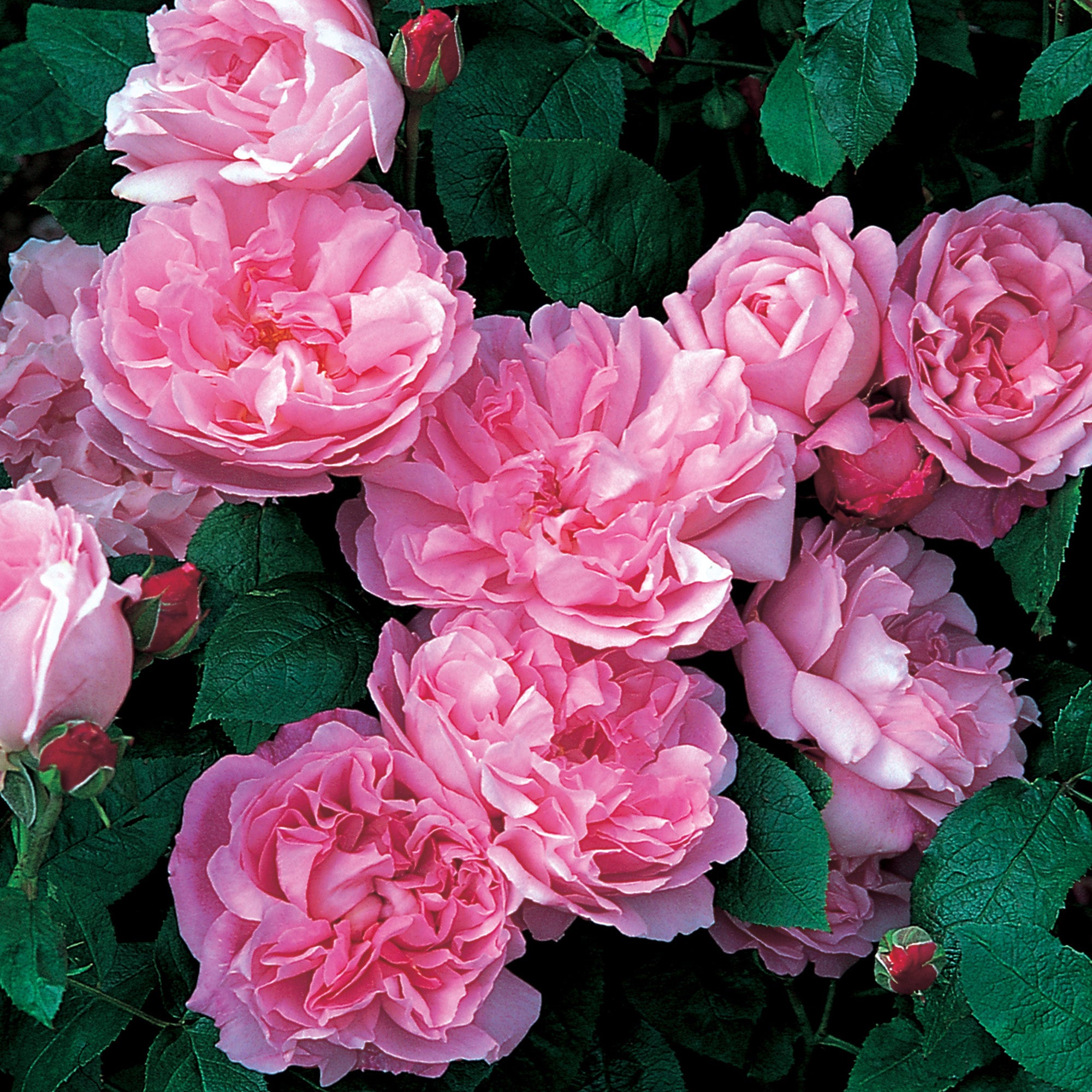
This is a rose of generous proportions. Large, many-petalled flowers open in a glowing pink, with richer colour towards their centres gradually softening towards the outer petals. Several flowers opening together create a particularly sumptuous display.
Its fragrance is strong too, while its substantial, bushy growth makes it a lovely choice where there is room for a rose to develop naturally. Towards the middle or back of a border, its generous flowers can rise among softer surrounding planting, returning in flushes throughout the season.
The connection to the Last Night may begin with the sea rather than the music itself, but it seems a rather fitting companion to the evening’s sea songs.

When Music Meets the Garden
Music and roses have more in common than we might first imagine. Both can become entwined with particular people and places. Both can summon memories unexpectedly. And both reward returning to, even when we know them very well.
There is something seasonal about them too. We wait for a favourite rose to flower just as we might wait for a familiar piece of music to return, knowing what is coming but finding something new to enjoy each time.
So, as Pomp and Circumstance, the Fantasia on British Sea-Songs and those final familiar melodies fill the Royal Albert Hall, there may be another performance still unfolding at home.
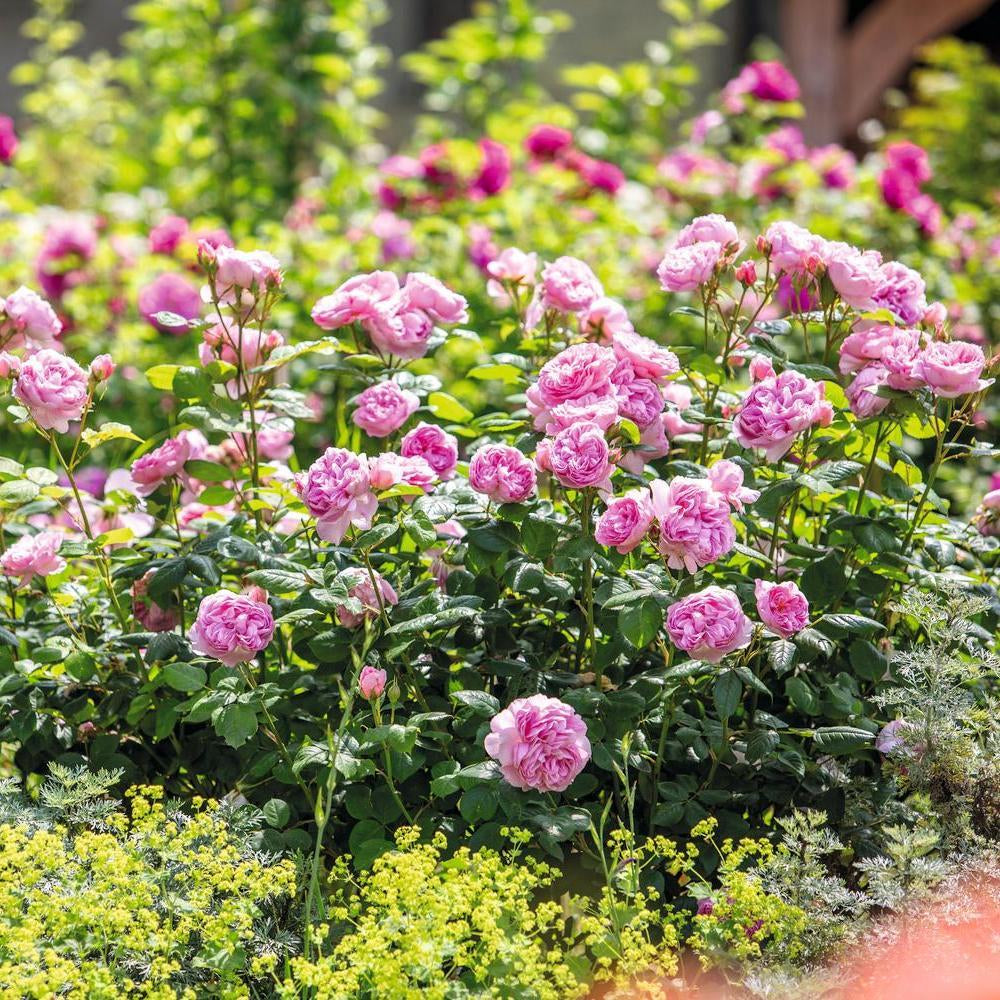
pricot flowers moving gently above a border, a pink climber reaching over an arch, a rambler spilling into bloom and the fragrance of an English Rose caught on the evening air.
A rather lovely accompaniment to the Last Night of summer.
-
Best Fragrant Roses for Autumn: Scent and Colour Beyond SummerThe fragrance of a rose is never quite fixed. Temperature, humidity, time of day and even the stage of the flower can all influence how its scent is released and experienced. As the warmth of summer begins to soften into autumn, cooler mornings and greater moisture in the air create different conditions for fragrance, and a familiar rose can reveal itself in a rather different way.
-
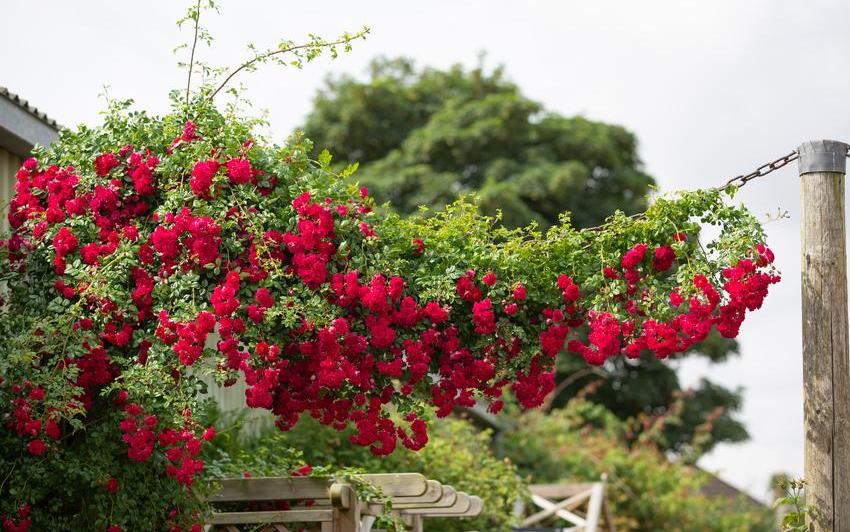
Using Red Roses to Bring Richness and Depth to the GardenA red rose has a wonderfully compelling presence in the garden. Amongst a sea of green, even a glimpse of crimson catches the eye, drawing you closer for another look. Red can sometimes have a reputation for being difficult to use, particularly alongside softer colours. Yet the palette is far more varied than we might first imagine. From clear crimson to deep, velvety tones, red roses can bring warmth, richness and depth to a garden without overwhelming it.
-
Roses for the Last Night of the PromsThere are few evenings quite like the Last Night of the Proms. Familiar melodies fill the Royal Albert Hall, the audience joins in and music heard and loved for generations is given fresh life once more. This year’s programme got us thinking about the curious connections between music, stories and the names of some of our roses. From Elgar and the Malvern Hills to Britain’s long relationship with the sea, each offers a thread to follow from the concert hall into the garden.
-
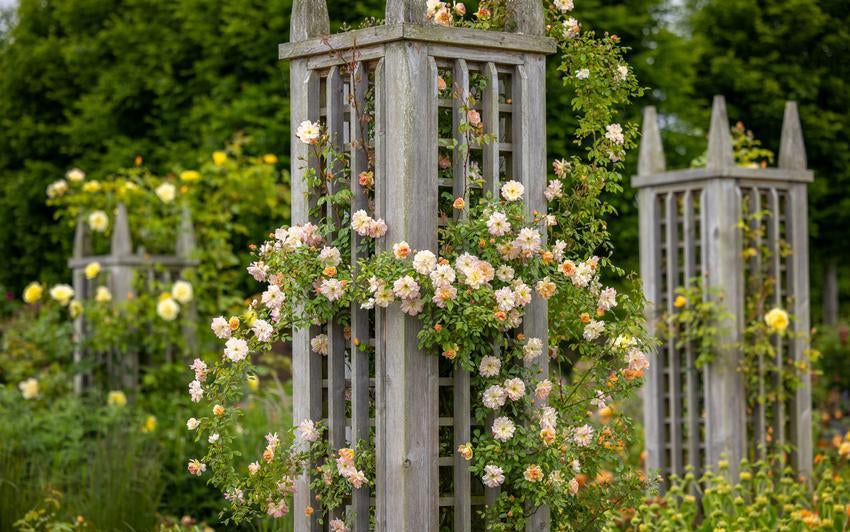
Climbing Roses for Arches, Obelisks and PillarsThere is always room for another rose. When borders are full, the answer is often simply to look upwards. Climbing roses can transform arches, obelisks and pillars into wonderfully abundant garden features, bringing flowers and fragrance to eye level and above. They can tumble over an entrance, rise from the middle of a border or soften a simple post with foliage and bloom. And, with the right rose and a little thoughtful training, they need surprisingly little ground space to make quite an impression.
-
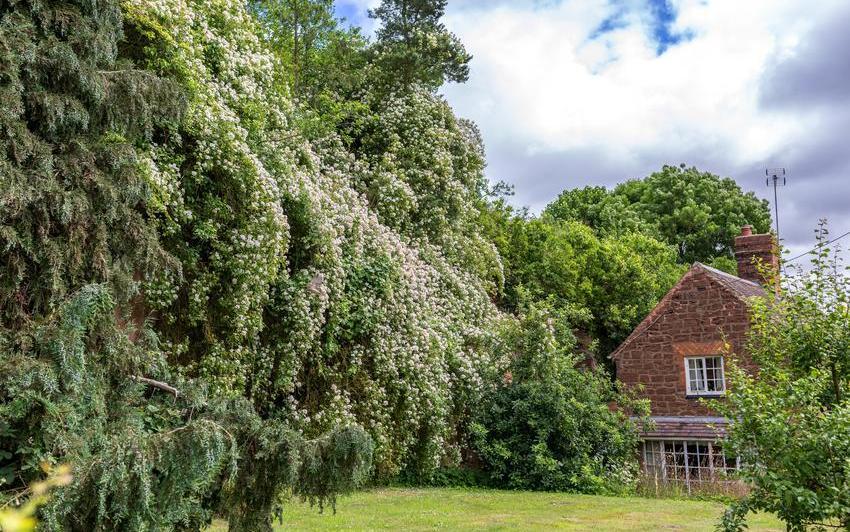
How to Plant and Grow a Rambling Rose Up a TreeRambling Roses have a natural affinity with trees. Their long, vigorous stems can be encouraged upwards into the branches, where they gradually weave through the canopy and open their flowers amongst the leaves. As the rose matures, the effect becomes increasingly natural, with great trusses of bloom appearing high above the ground and tumbling softly from the branches.
-
Using Yellow Roses to Bring Light and Warmth to the GardenYellow roses have a particular way of bringing light into the garden. From the palest lemon to rich, glowing gold, their colours can feel wonderfully inviting without necessarily being bold, illuminating a border much as sunshine does.


