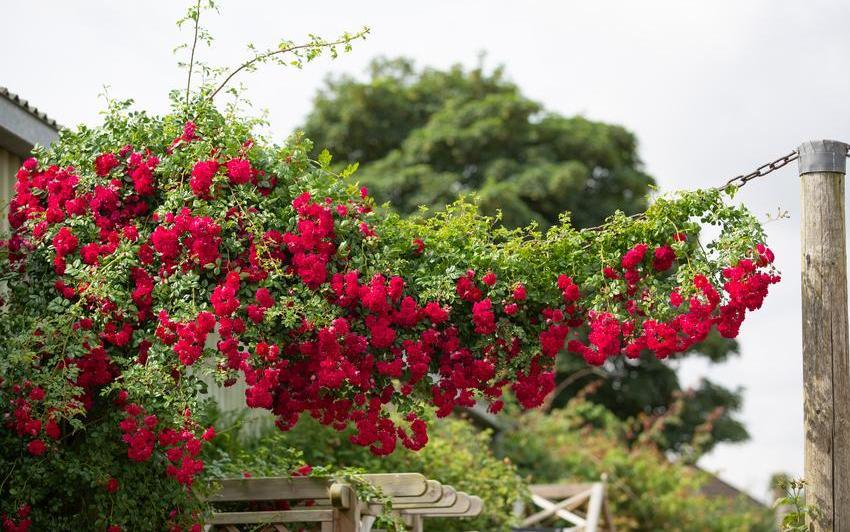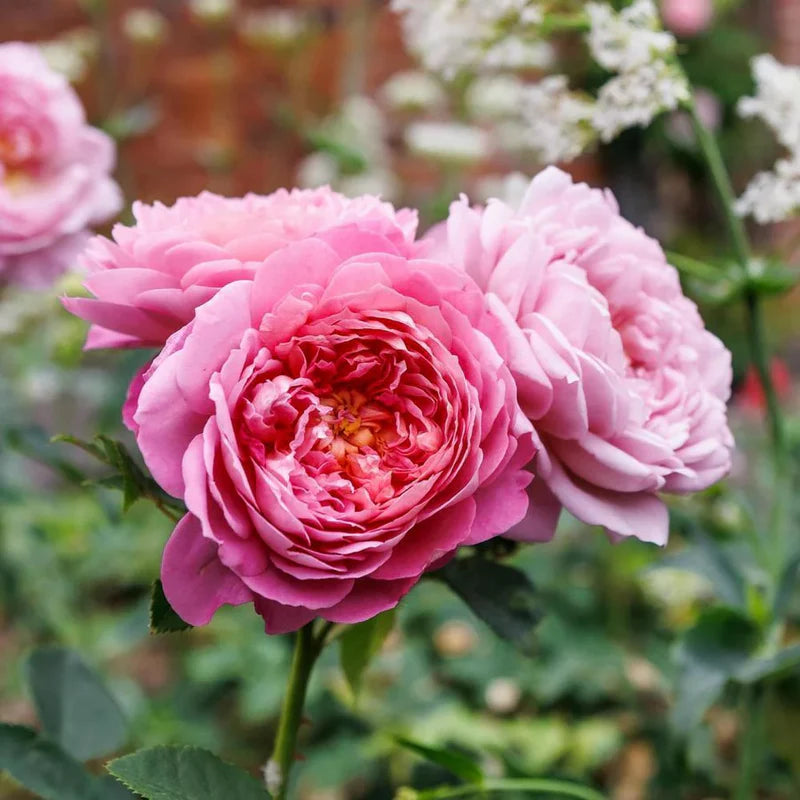
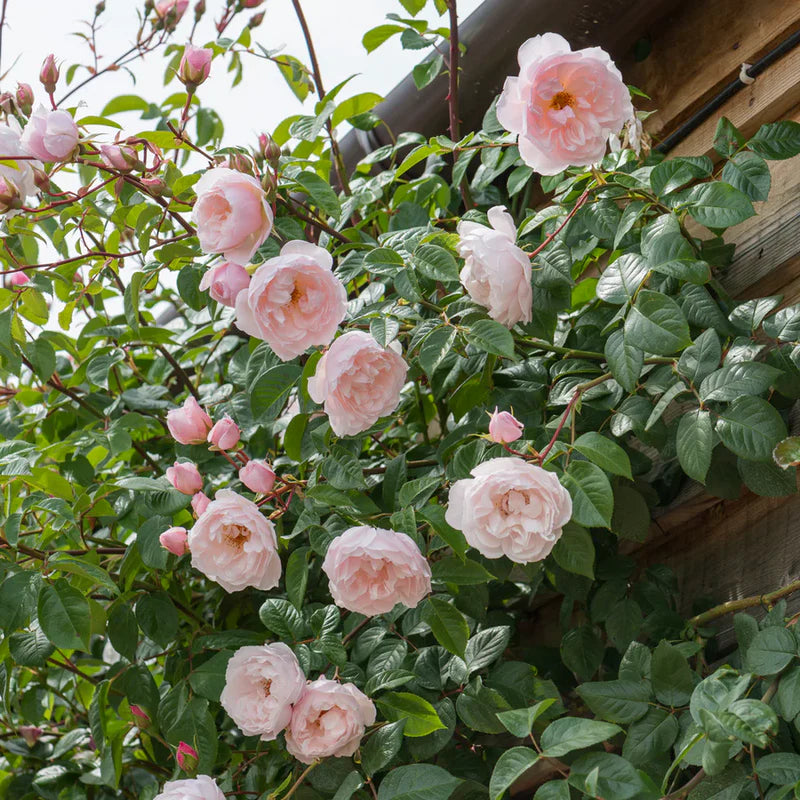
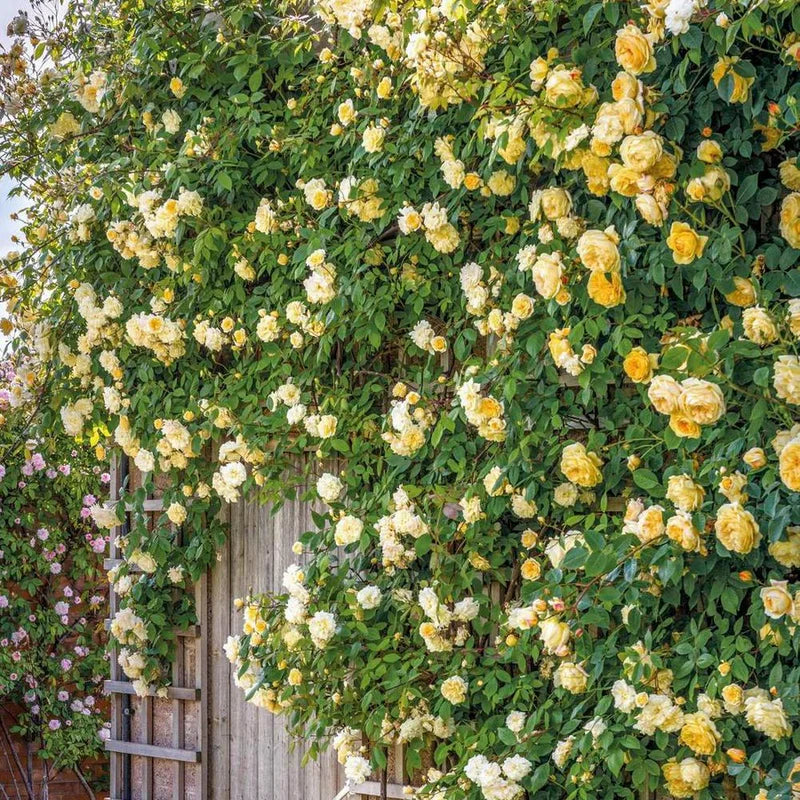
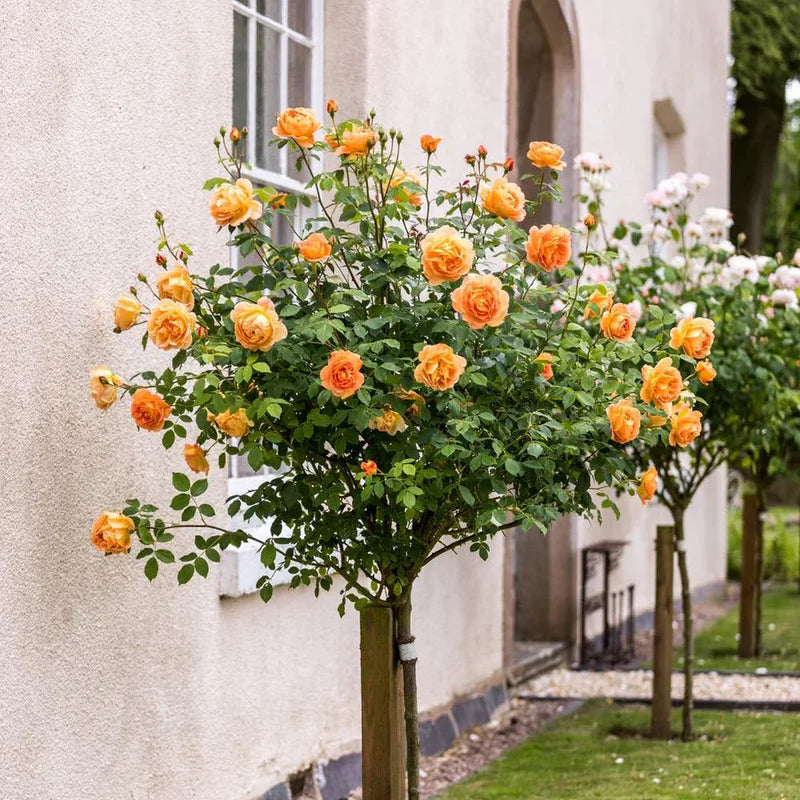

- Rose Bloom Shapes
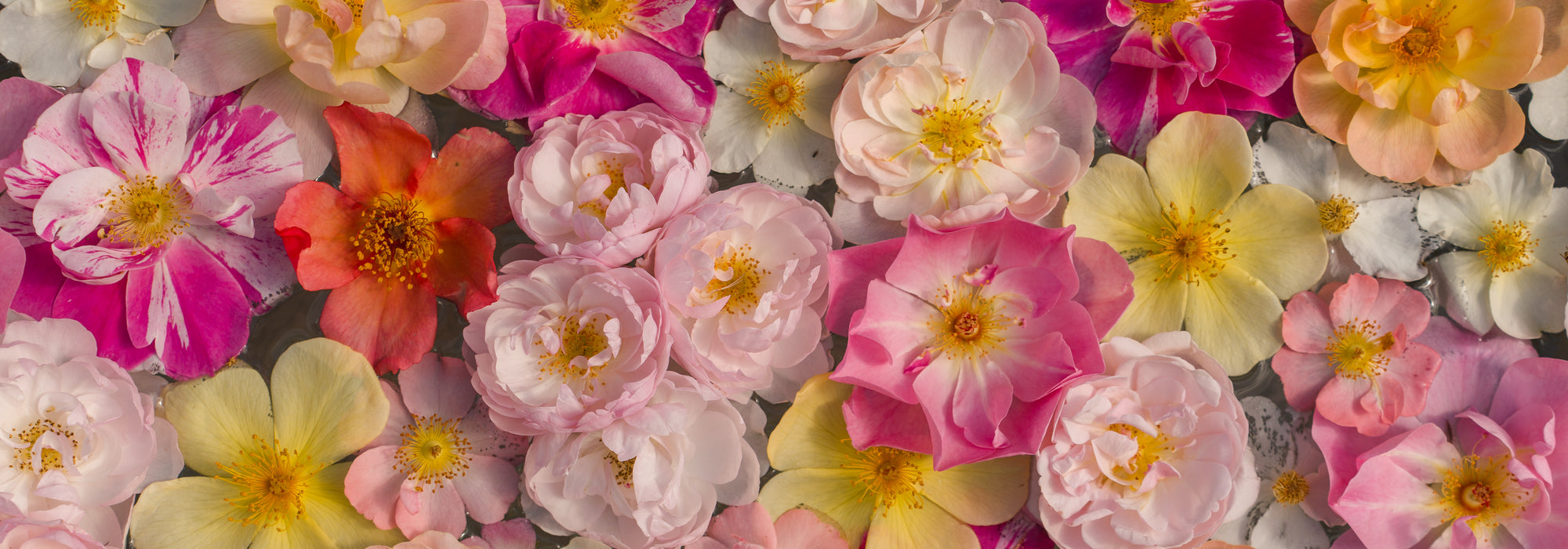
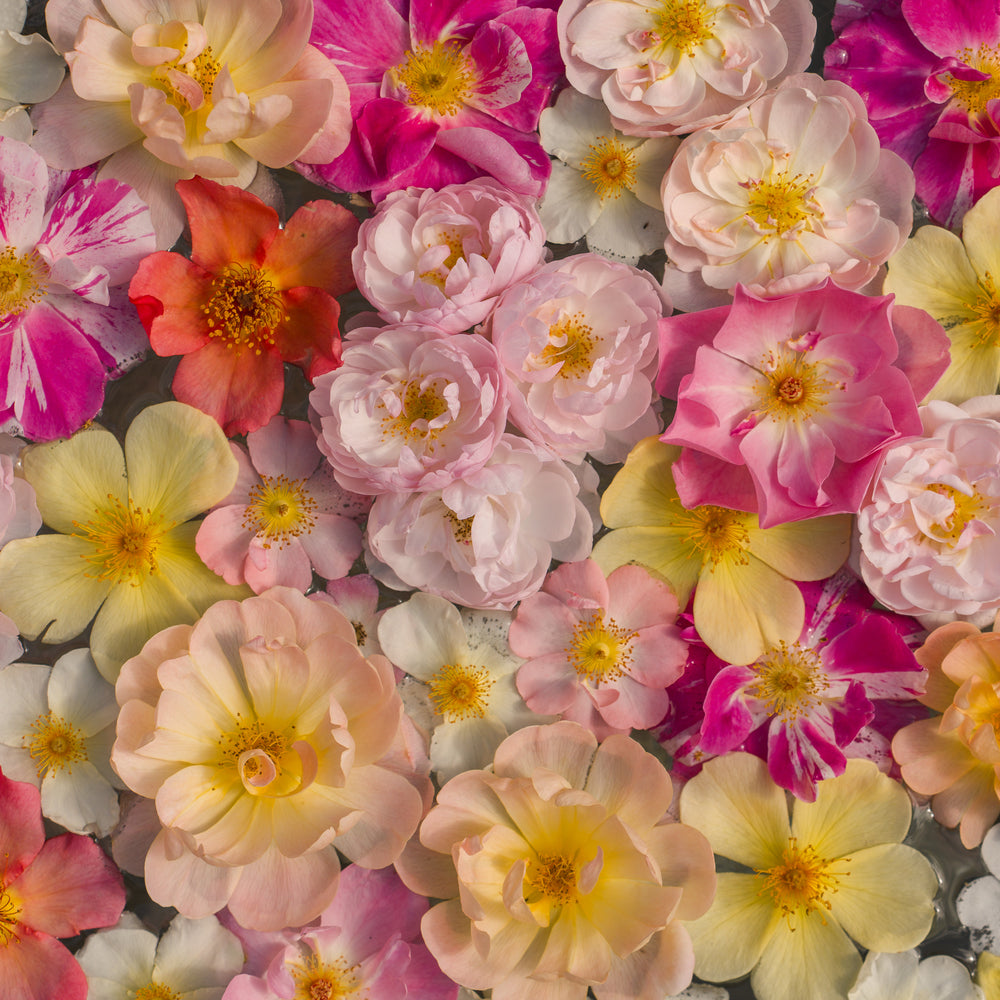
A Guide to the Different Types of Rose Flowers
No two roses are quite alike. Colour and fragrance may be what first catch the eye, but look a little closer and it is often the shape of the flower that gives a rose its particular character.
Some blooms are simple and open, their golden stamens on full display. Others are made up of layer upon layer of petals, slowly unfurling into wonderfully intricate flowers. These different rose bloom shapes are the result of centuries of careful breeding and selection.
Here are five distinctive forms you are likely to come across.
 Single & Semi-double Roses
 Rosette-shaped Roses
 Chalice-shaped Roses
 Cupped Roses


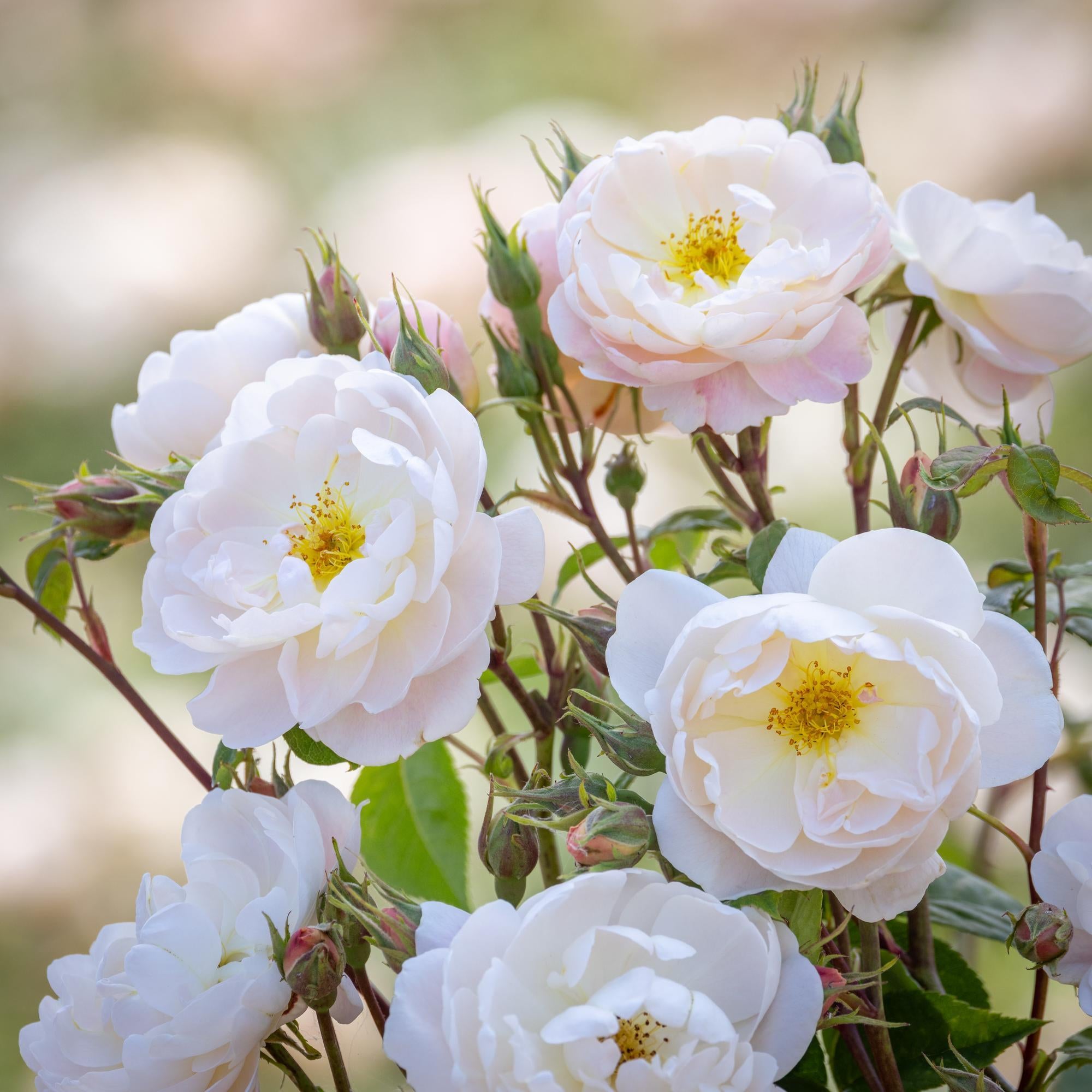
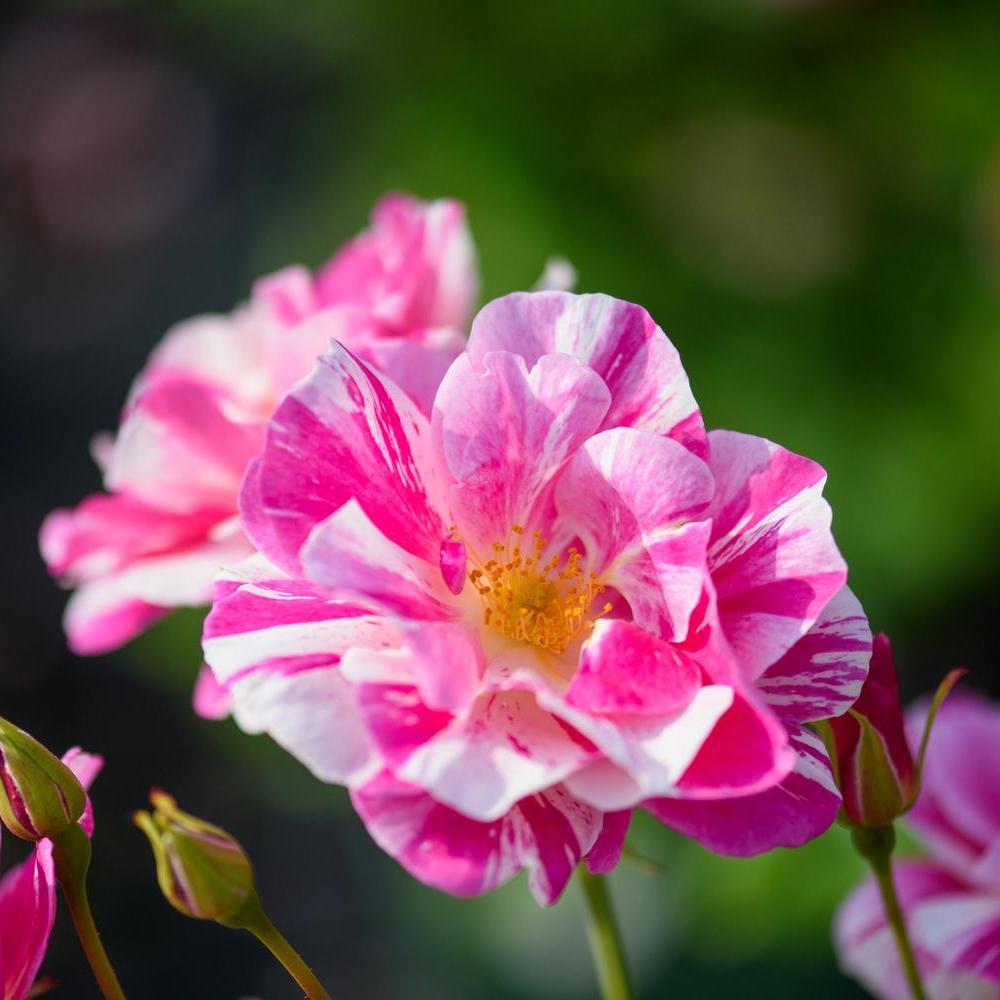
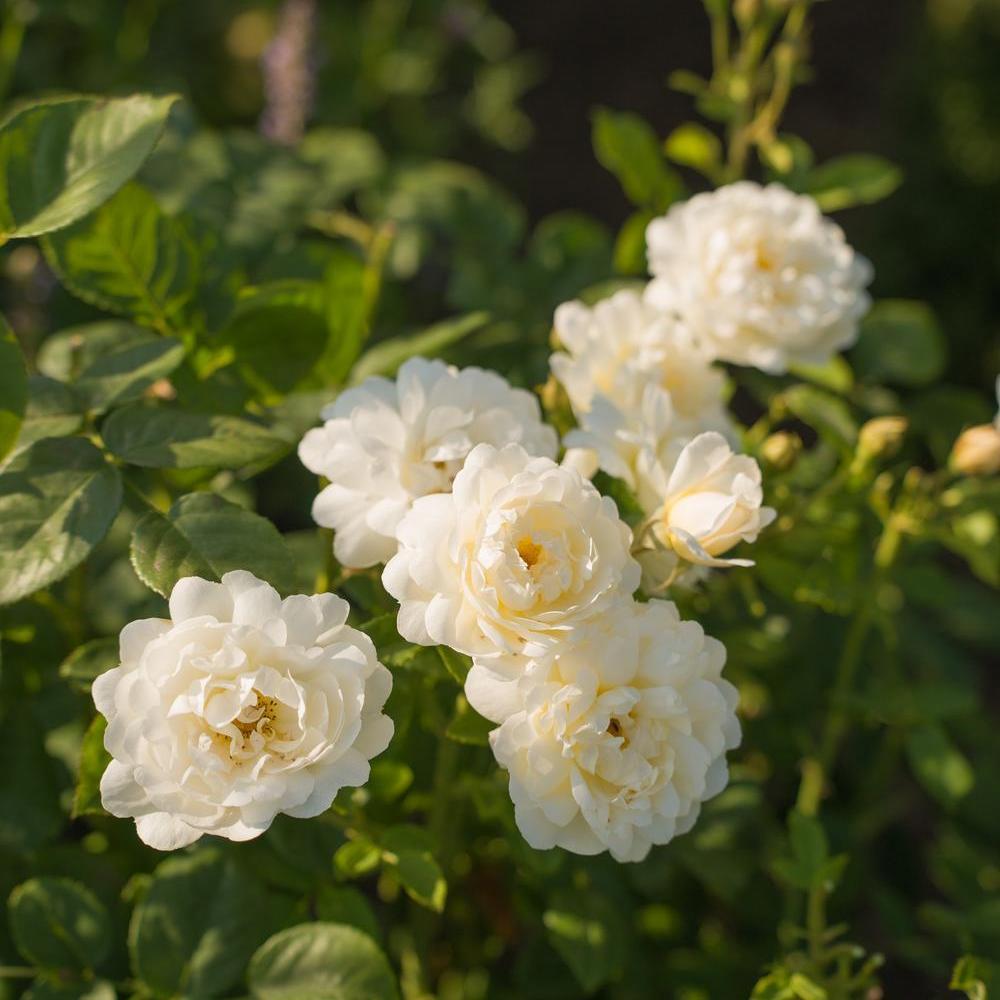
For a lighter, more natural look, single and semi-double roses have relatively few petals, often leaving their golden stamens beautifully exposed.
Singles are the simplest of all rose forms, while semi-doubles have a few more layers of petals and a little extra fullness. Both retain a wonderfully relaxed character and sit easily amongst grasses, perennials and other garden plants.
Their open centres also make them particularly welcoming to bees and other pollinating insects, while their simpler flowers tend to cope rather well with wet weather.
Roses to look for: Tottering-by-Gently®, Kew Gardens®, The Lark Ascending® and Scarborough Fair®.
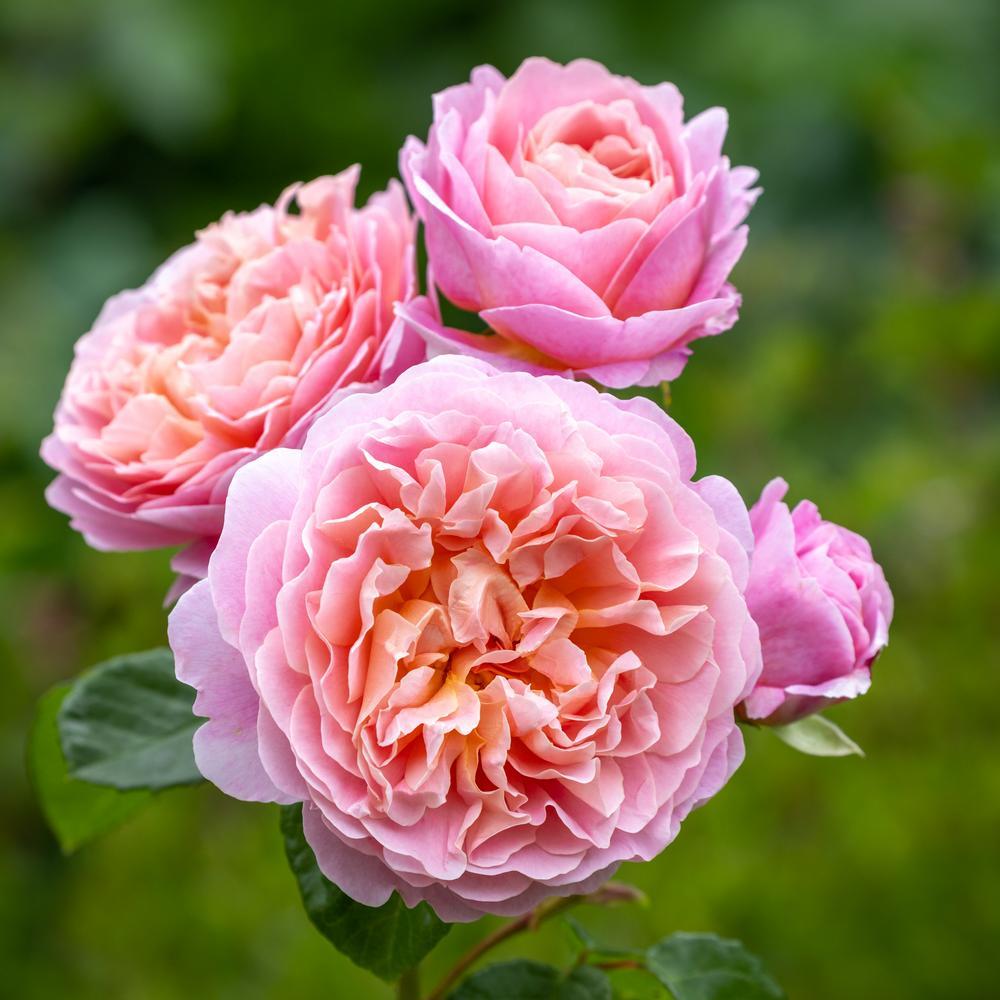
Perhaps one of the shapes most readily associated with English Roses, the rosette is made up of many overlapping petals, creating a broad, wonderfully intricate flower.
Part of its charm is the way it develops. A tightly held bud gradually relaxes to reveal layer upon layer of petals, often giving the flower a slightly different character from one day to the next.
Roses to look for: Gertrude Jekyll®, Gabriel Oak® and Elizabeth®.
Chalice-shaped Roses
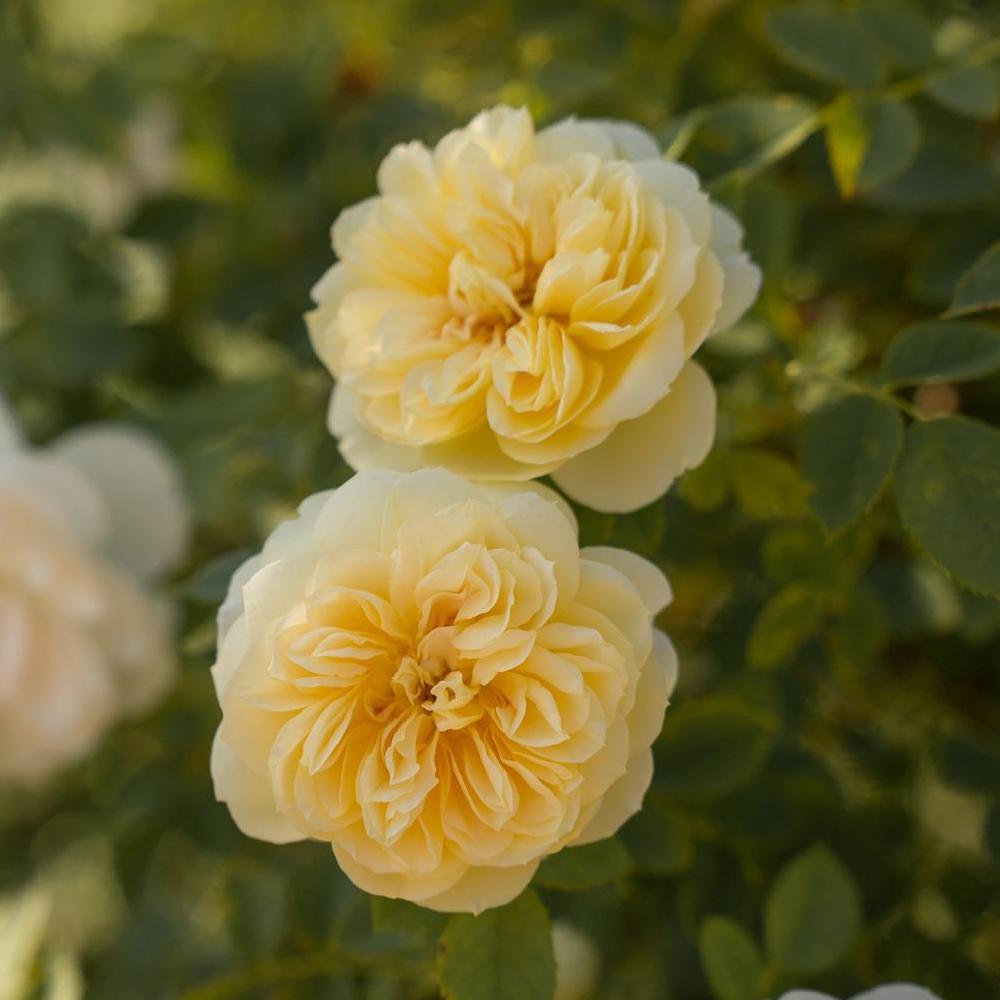
With petals that curve gently inwards, chalice-shaped roses form soft, rounded flowers with a particularly graceful appearance.
There is an understated elegance to this shape. It feels just as comfortable amongst the looser planting of a mixed border as it does taking centre stage in a more traditional rose garden.
Roses to look for: Desdemona®, Dannahue® and Wollerton Old Hall®.
Cupped Roses
One of the characteristic forms found amongst many English Roses, cupped blooms have petals that curve upwards to create a beautifully rounded, bowl-like flower.
Some are deep and generously filled, while others gradually open and relax as they mature. Either way, their curved petals give these roses a lovely sense of depth and softness.
Roses to look for: Roald Dahl®, Scepter’d Isle® and The Generous Gardener®.


Which Rose Bloom Shape Should You Choose?
There really is no need to choose just one. Part of the pleasure comes from seeing different flower shapes growing together.
The open flowers of single and semi-double roses bring lightness and movement, while generous rosettes, chalice-shaped and cupped blooms introduce fullness and depth. Growing several forms together creates subtle contrasts of shape and texture, giving a border a naturally varied appearance.
And roses rarely stay the same for long. A neatly cupped bud may become softer and more open as the days pass, revealing a slightly different flower each morning. It is one of those small details that makes spending time amongst roses so rewarding.
 New This YearThe Last Bloom Last BloomMost of our roses have now been cut back for winter. But we’ve held back a limited selection, hand-picked from our fields with buds and blooms still to come. Plant them now and enjoy a final flourish of colour before winter arrives.Sir David BeckhamEnglish Shrub Rose£27.50 - £38.50Fragrance strength
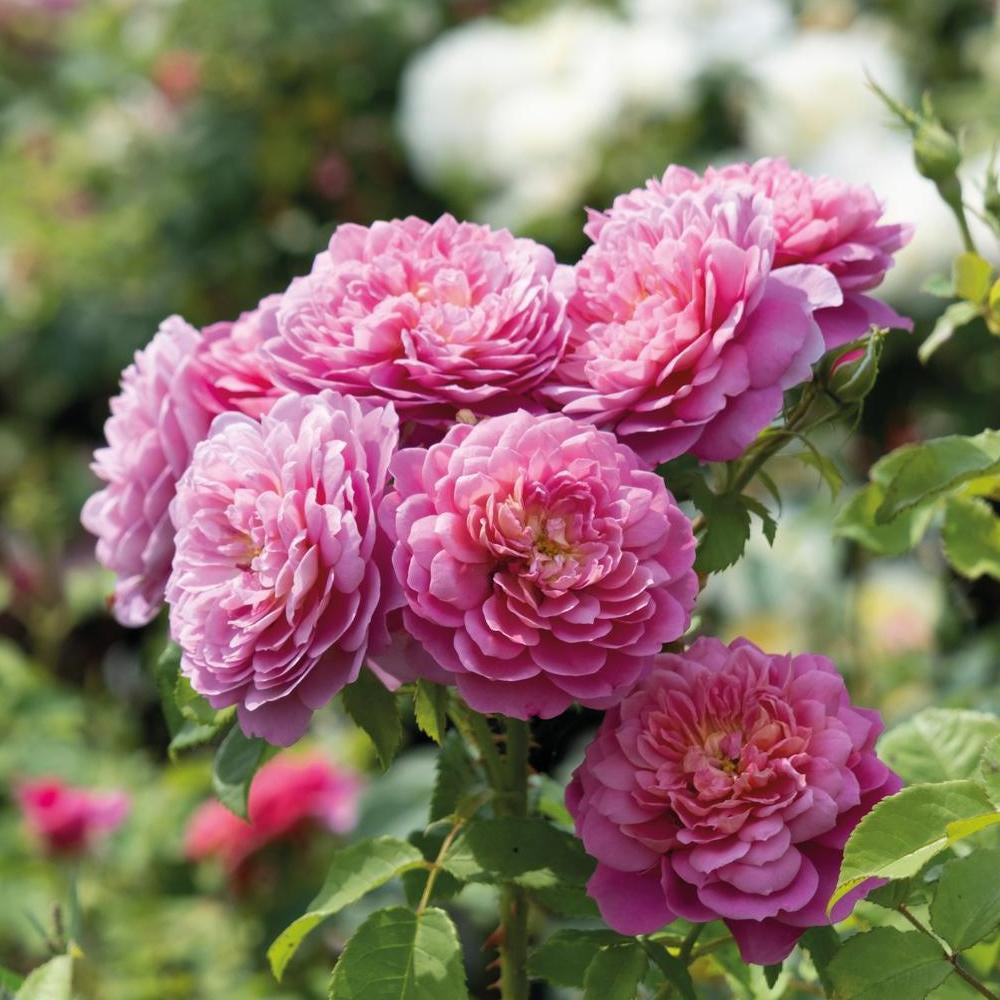 The Last Bloom Last BloomMost of our roses have now been cut back for winter. But we’ve held back a limited selection, hand-picked from our fields with buds and blooms still to come. Plant them now and enjoy a final flourish of colour before winter arrives.Emma Bridgewater®English Shrub Rose£24.00 - £35.00Fragrance strength
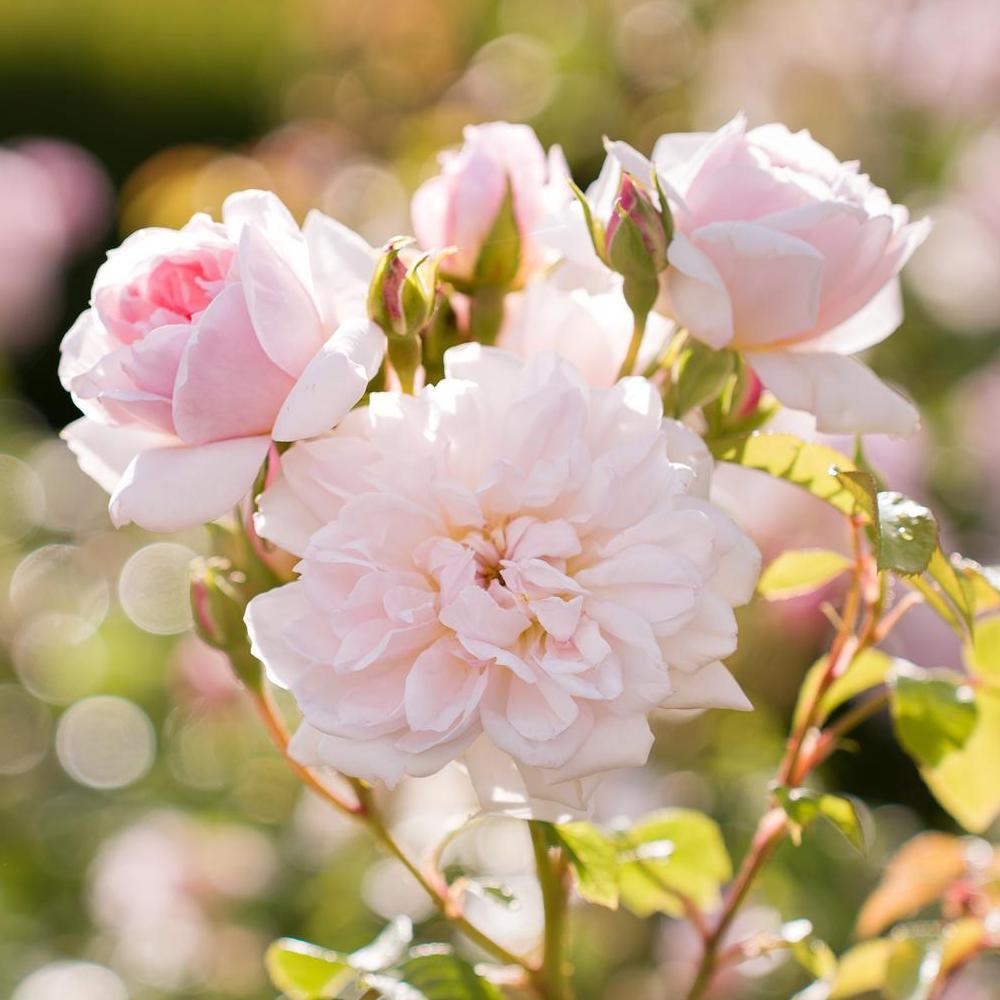 The Last Bloom Last BloomMost of our roses have now been cut back for winter. But we’ve held back a limited selection, hand-picked from our fields with buds and blooms still to come. Plant them now and enjoy a final flourish of colour before winter arrives.Elizabeth®English Shrub Rose£24.00 - £35.00Fragrance strength
-
The Rose Year BeginsAutumn brings a distinct richness that invites us to slow down and notice the changes. Leaves turn shades of amber and gold, while the lower, softer light catches the borders in the late afternoon. As cooler mornings bring heavy dew and that unmistakable, earthy scent of damp soil, the garden gradually settles down for the season.
-
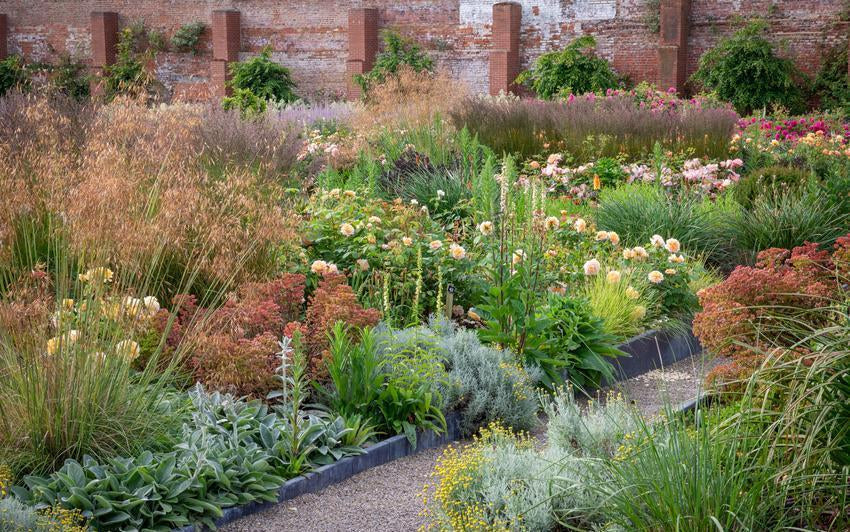
What to Plant with English Roses for Autumn ColourBy the end of September, the rose garden is changing. The exuberance of summer is giving way to a slower rhythm, and many English Roses are setting hips, their once-constant flowers replaced by clusters of glowing fruit. Yet the borders need not feel diminished. With the right companions, roses can be framed and supported so that the garden still sings with colour, texture and grace well into October and beyond.
-
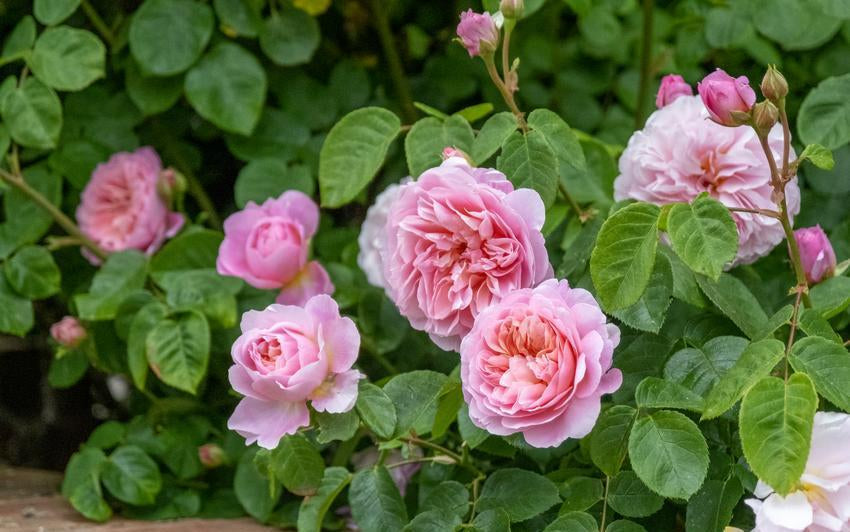
Roses with Large Blooms: Varieties for Garden ImpactA rose in full flower can transform a garden. Large, many-petalled blooms draw the eye through a border, bring colour to a quiet corner or create a beautiful focal point when grown in a pot.
-
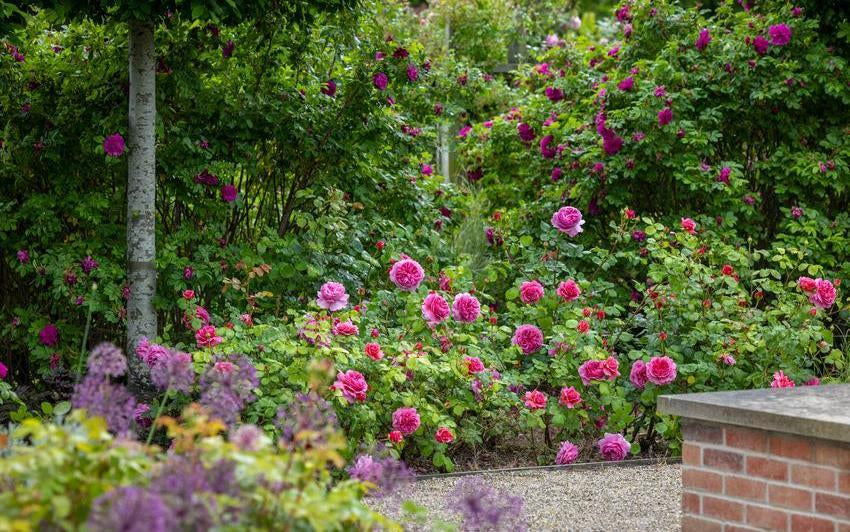
Best Fragrant Roses for Autumn: Scent and Colour Beyond SummerThe fragrance of a rose is never quite fixed. Temperature, humidity, time of day and even the stage of the flower can all influence how its scent is released and experienced. As the warmth of summer begins to soften into autumn, cooler mornings and greater moisture in the air create different conditions for fragrance, and a familiar rose can reveal itself in a rather different way.
-
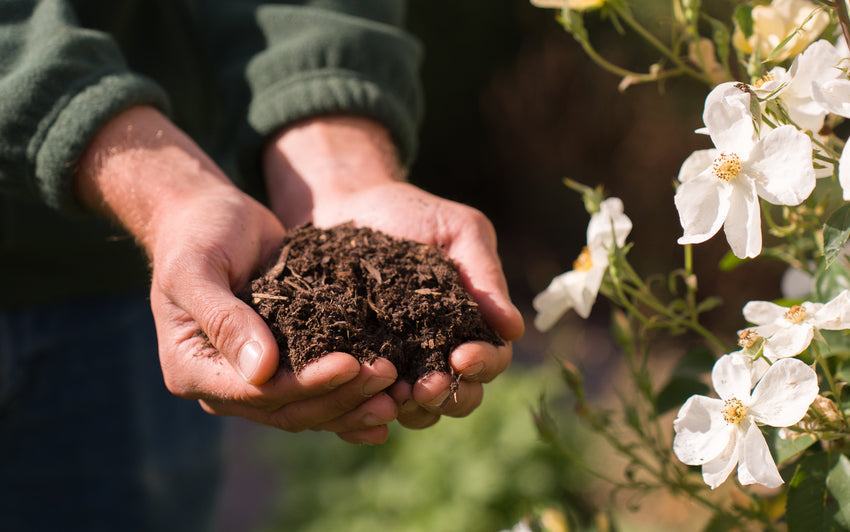
Growing Beautiful Roses, Without PeatGrowing without peat is a change many gardeners are becoming familiar with. Peat-free compost behaves a little differently from traditional compost, so it is quite natural to wonder whether your roses will grow and flower just as beautifully.
-
Using Red Roses to Bring Richness and Depth to the GardenA red rose has a wonderfully compelling presence in the garden. Amongst a sea of green, even a glimpse of crimson catches the eye, drawing you closer for another look. Red can sometimes have a reputation for being difficult to use, particularly alongside softer colours. Yet the palette is far more varied than we might first imagine. From clear crimson to deep, velvety tones, red roses can bring warmth, richness and depth to a garden without overwhelming it.