

Inspiration
-
 The Beautiful Beginning: Why Autumn is the Start of the Gardening YearAutumn drifts into the garden with a soft, golden light. The air is cooler, leaves are turning, and the days feel slower. It’s tempting to think the gardening year is over, but for rose lovers, this is the moment to start preparing for the months ahead.Read more
 -
 What to Plant with English Roses for Autumn ColourBy the end of September, the rose garden is changing. The exuberance of summer is fading, and the rhythm of the season is slowing. Many English Roses are setting hips now, their once-constant flowers giving way to clusters of glowing fruits. Yet the borders need not feel diminished. With the right companions, roses can be framed and supported so that the garden still sings with colour, texture and grace well into autumn.Read more
 -
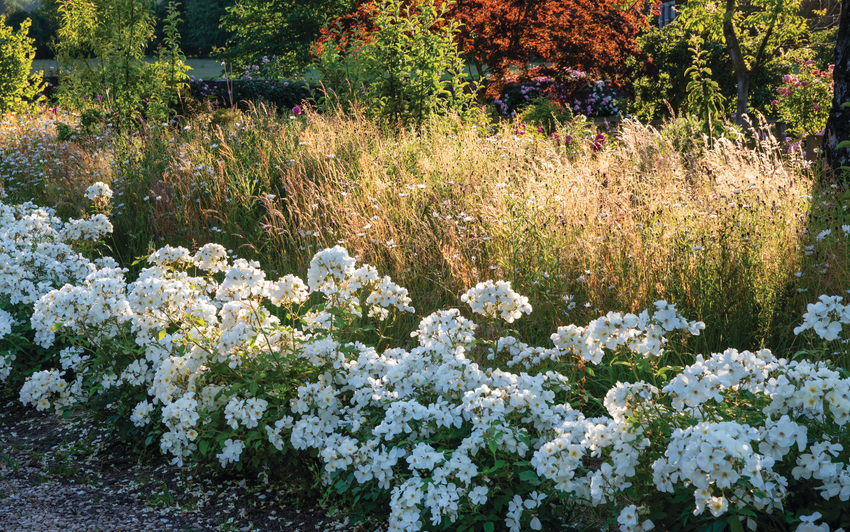 Wind-Swept Charm: English Roses for Exposed LocationsGardens high on hills, offer breathtaking views, but the combination of wind, cold winters, and shorter growing seasons can make growing roses a challenge. With careful selection and planting, even these exposed gardens can thrive with elegant, fragrant blooms.Read more
 -
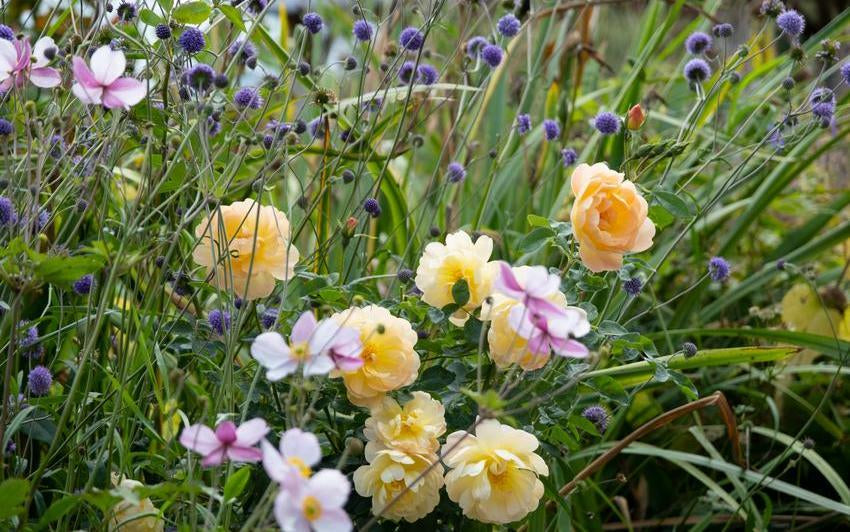 When Music Meets the Garden: Roses Inspired by the PromsEach summer the Proms bring music, tradition and joy to the Royal Albert Hall. From the first shimmering notes to the final chorus, audiences are carried into a world where sound becomes memory. At David Austin®, we mark this festival in our own way, with roses that are themselves named after music and musicians who have moved us. These varieties hold within them the same qualities of rhythm, harmony and timeless beauty.Read more
 -
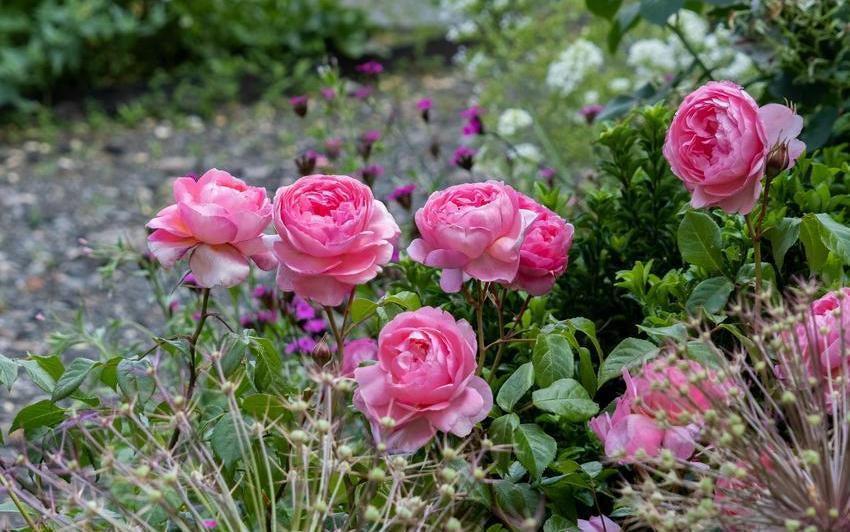 Penelope Lively® (Ausb18a15): A Rose for a StorytellerSome roses seem to hold a story in their petals, and Rosa Penelope Lively is one of them. Named for the much-loved writer, this English Shrub Rose carries both elegance and quiet depth, a living tribute to a voice that has shaped contemporary literature.Read more
 -
 Growing a Love of Roses with ChildrenGuest blog by Helen Cross - Author, Journalist, Presenter, and School Gardening Champion. At the start of every gardening session with a new group of children, I always ask them what flower, fruit, or vegetable they would like to grow in their school garden. You might be surprised, but over the last five years, three or four out of every ten children have told me they want to grow roses.Read more
 -
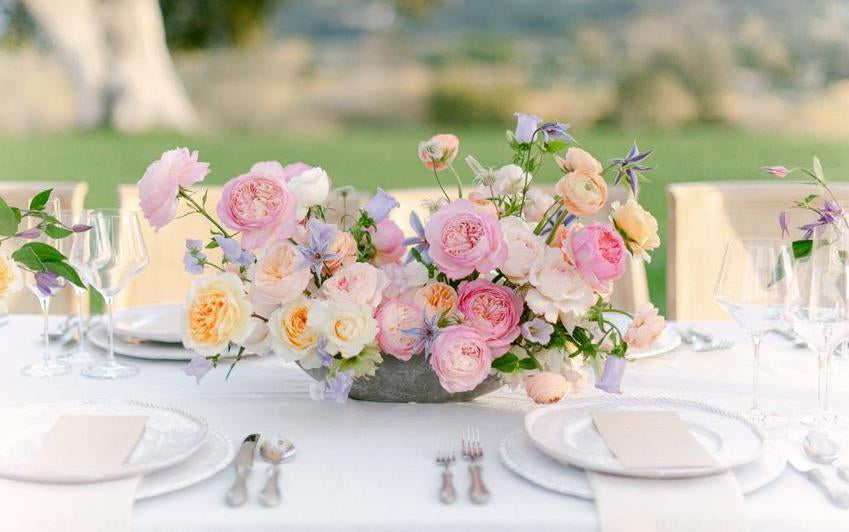 David Austin® Wedding Roses and Garden Roses: Exploring Their DifferencesDavid Austin® Roses are loved for their beauty and character, yet they serve two very different purposes. Our garden roses are created to live and flourish outdoors, returning year after year with timeless colour, fragrance and charm. Our Wedding Roses by contrast, are grown exclusively for the floral industry, crafted to create exquisite bouquets and floral arrangements for life’s most memorable moments.Read more
 -
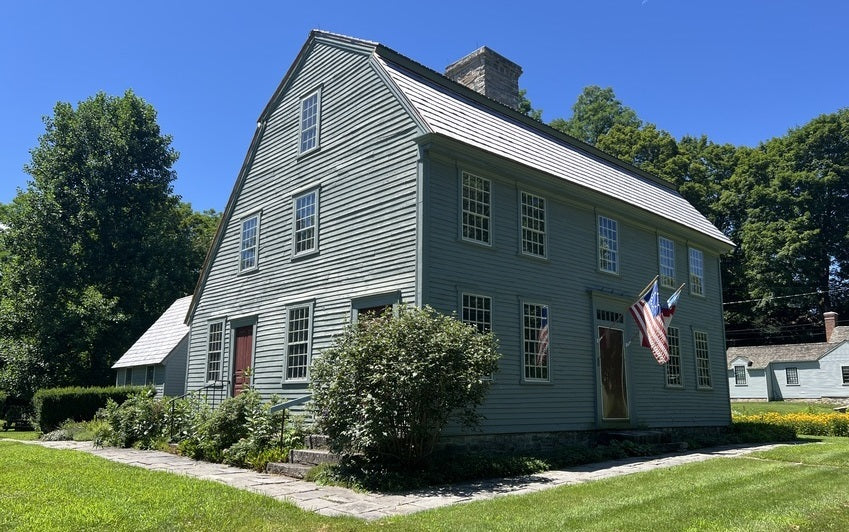 Gertrude Jekyll’s Timeless Design at the Glebe House GardenIn the quiet town of Woodbury, Connecticut, sits the Old Glebe House Museum, an 18th-century parsonage with a remarkable story to tell. Within its grounds lies something truly special: one of only three gardens in the United States designed by the legendary British plants woman, Gertrude Jekyll. It is also the only one fully realised according to her original plan.Read more
 -
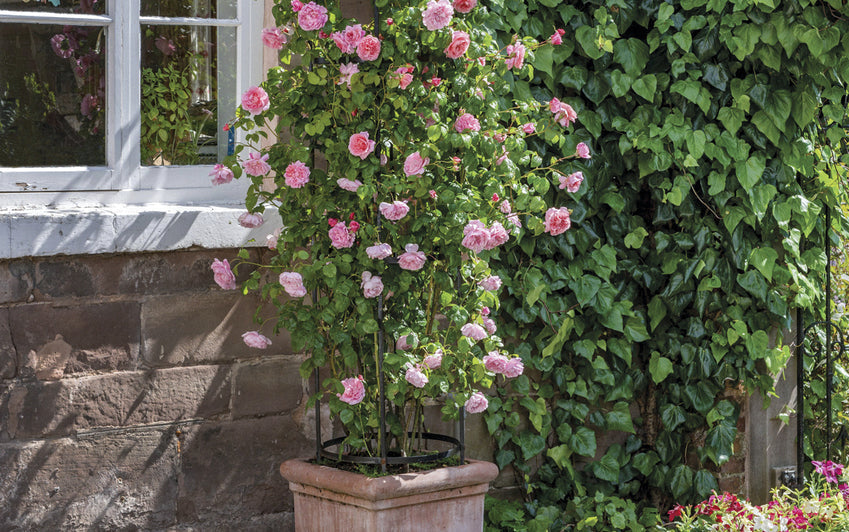 Growing Climbing and Rambling Roses in PotsPlanting a climbing or rambling rose in a pot is one of the most effective ways to introduce height, fragrance and structure to smaller gardens, courtyards and terraces. Whether used to frame a doorway, create a flowering screen along a wall or soften the lines of an obelisk, these roses offer a remarkable display when given the right conditions. Though the approach demands a little more upkeep than planting in open ground, the rewards are considerable: abundant blooms, repeat flowering, and a sense of movement and beauty that elevates even the most compact of spaces.Read more
 -
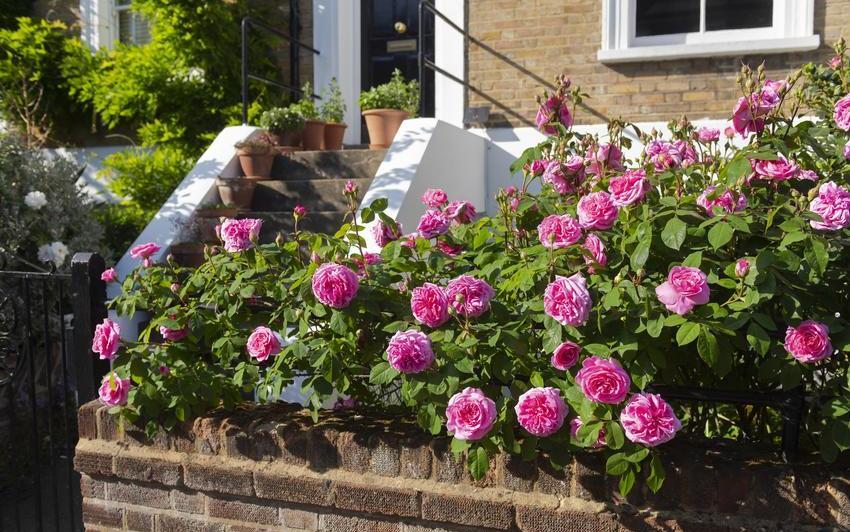 Designing with Gertrude Jekyll: A Rose at Home in Every BorderFew roses are held in such regard as Gertrude Jekyll® (Ausbord). Valued for its rich, mid-pink blooms and one of the strongest Old Rose fragrances in cultivation, it has become a familiar name among gardeners. Yet it is not only the scent that secures its place. This is a rose with structure, presence and the ability to draw planting together. It offers more than a single season’s beauty. It gives shape to the garden and settles easily among other plants, whether used in formal arrangements or in looser, more naturalistic schemes.Read more
 -
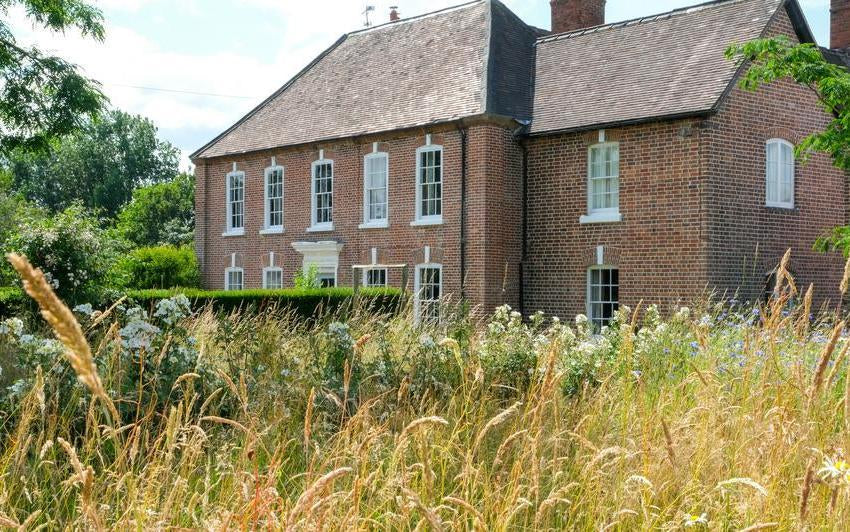 A Garden Seen Through the Kitchen WindowFrom the kitchen window of Bowling Green House, the view is quiet but alive. Beyond the old glass panes, a narrow canal runs still beneath the branches of the weeping ash, its surface shifting with light and the soft wake of ducks. Native reeds and waterlilies fringe the banks, creating a scene that feels more discovered than designed. David C. H. Austin had it dug after admiring something similar in a friend’s garden. Here, it became the garden’s steady centre, a reflective ribbon running through the planting, anchoring moments of calm.Read more
 -
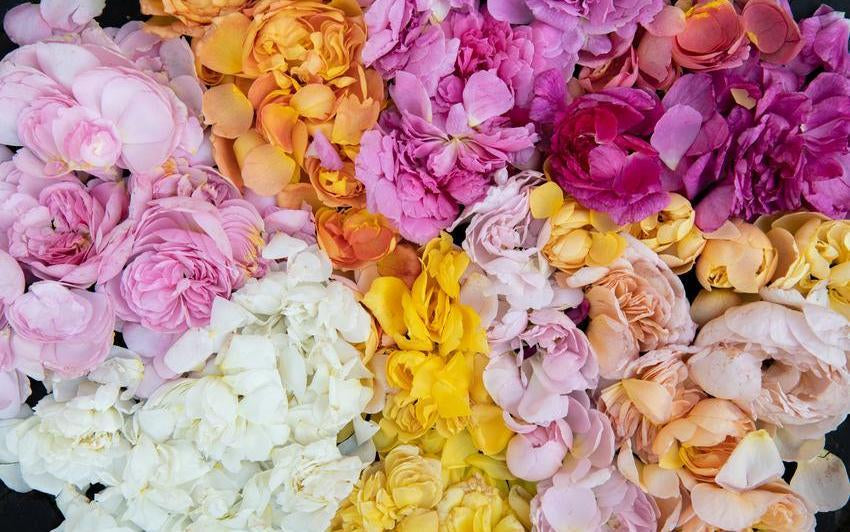 What to Do with Rose Petals After DeadheadingDeadheading roses can feel a bit like clearing up after something quietly wonderful. One flower fades, its colours softening and edges curling, while another is just beginning to open, full of promise. Suddenly your hands are full of petals - soft, warm from the sun, and still carrying that unmistakable, subtle scent of the garden. It’s easy to let them drop back to the soil, returning to where they came from. But sometimes they feel too lovely to leave behind, as though they’ve still got more to offer.Read more
 -
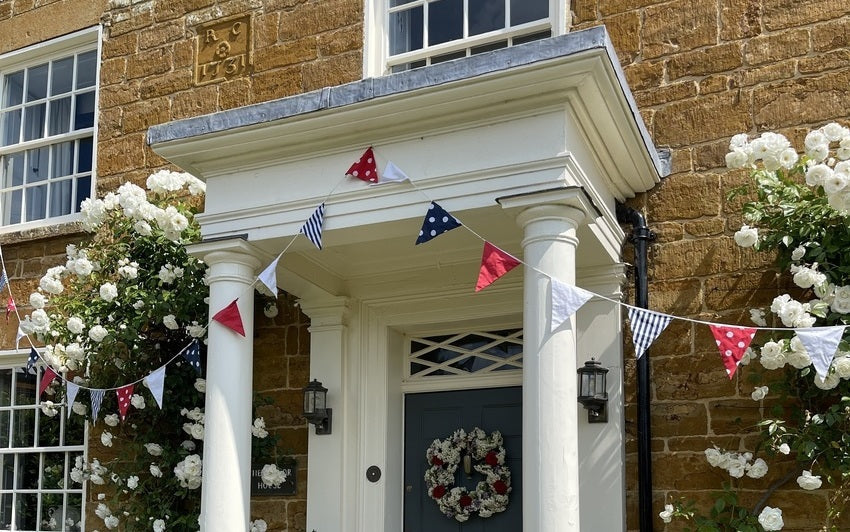 English Roses Fit for a King: Honouring Trooping the Colour and His Majesty, King Charles III’s BirthdayEach June, as the nation gathers to mark Trooping the Colour, a ceremony full of history and pageantry, there is another way to celebrate. Not on the parade ground but in the garden, where beauty grows with care and purpose.Read more


