
Planting a Rose Where a Rose Has Been Before
Replacing a rose in the same spot is a common dilemma. Perhaps a favourite climber has finally given up, or you've inherited a tired rose bed and want to start fresh. It can be done, but planting straight into the old soil often leaves the new rose struggling, thanks to a condition called rose replant disease. Here's what's going on underground, which myths to ignore, and how to give your new rose the best possible start.
What's Really Going On: Rose Replant Disease
Rose replant disease (also called rose sickness or, more formally, specific replant disease) is a problem where young roses planted into soil that has grown roses before fail to establish properly. The old rose may have looked fine for decades; the trouble only shows up in the newcomer.
The exact cause still isn't fully pinned down, which is partly why so many myths have grown up around it. The best current understanding is that it's a build-up of soil organisms (a mix of microscopic fungi, bacteria and root-feeding nematodes) that collect around rose roots over the years. An established rose has a big, tough root system and copes. A new rose's young feeder roots get attacked from day one and never get going.
Three things are worth knowing straight away:
- It's a family problem. It affects plants in the rose family (Rosaceae), so the same thing happens with apples, pears, cherries and plums replanted after their own kind. Other plants are generally unaffected.
- It's local. The problem lives in the soil where the old roots were. Fresh soil from elsewhere in the garden is usually fine.
- It lingers. It doesn't clear up in a season or two. Soil can stay "rose-sick" for many years.
Seven Myths, Debunked
This is really the only question that matters, and the honest answer is: it depends on what you're doing.
Myth 1: "The Old Rose Used Up All the Nutrients"
This is the most common explanation, and it's wrong. If it were simply about nutrients, a good feed would fix it, and it doesn't. You can pile fertiliser into rose-sick soil and the new rose will still struggle, because the issue is biological, not a missing ingredient. Feeding is good practice, but it isn't a cure.
Myth 2: "It Only Matters If the Old Rose Died of a Disease"
Not true. Replant disease has nothing to do with black spot, rust or whatever finished the old plant off. A perfectly healthy rose that you dug up because you fancied a change leaves the same problem behind. The cause is in the soil around the roots, not in the leaves.
Myth 3: "Just Leave the Spot Empty for a Year and It'll Be Fine"
A fallow year won't do it. The organisms responsible persist in the soil for a long time. Many gardeners and growers work on the basis of years, not months. If you want to rest the spot, plant something unrelated there (bulbs, perennials, annuals) and put the rose elsewhere.
Myth 4: "A Handful of Mycorrhizal Fungi Solves Everything"
Mycorrhizal fungi are genuinely useful: they partner with a rose's roots and aid root development, which is exactly what a newly planted rose needs. But they aren't a cure on their own. Use them alongside fresh soil, not instead of it, and you give your rose the best possible start.
Myth 5: "Container-Grown Roses Are Immune"
Pot-grown roses arrive with their own ball of fresh compost, so they often look happy for the first season. That's a head start, not immunity. Once the roots grow out into the old soil, problems can appear. Bare root roses are hit harder and faster, but neither type is safe in untreated rose-sick soil.
Myth 6: "Shifting It a Foot to the Left Is Enough"
The old rose's roots spread well beyond where the stem stood, so moving the planting hole a short distance often lands you in the same affected soil. If you're relying on distance alone rather than replacing soil, give yourself a generous gap, ideally a different bed.
Myth 7: "Your Soil Is Ruined and Nothing Will Grow There Now"
Plenty will. Replant disease is specific to the rose family. Lavender, salvias, hardy geraniums, alliums, clematis and most other garden plants will grow happily in the exact spot your old rose occupied.
How to Plant a Rose in the Same Spot and Have It Thrive
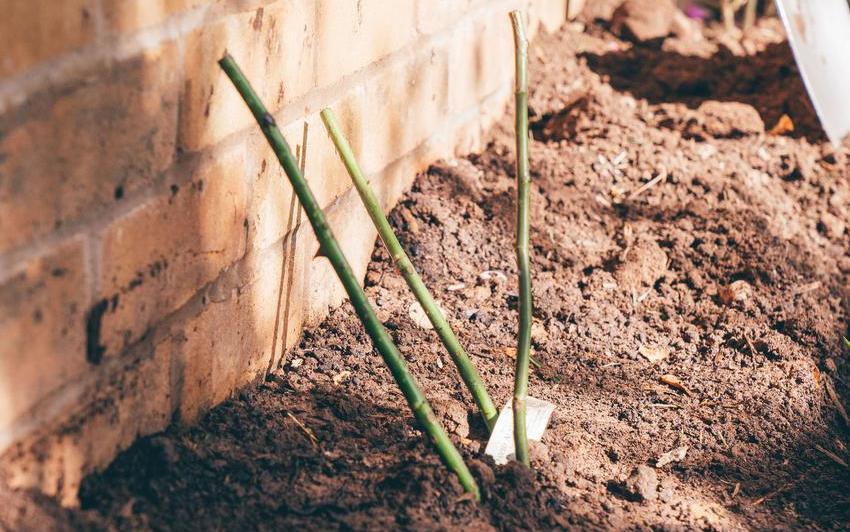
If possible, we suggest you avoid planting a new rose in the same position. If you do decide to plant in the same spot, the reliable solution is to give the new rose a pocket of soil that has never grown roses. You have two good ways to do that.
Option 1: The Soil Swap (The Gold Standard)
-
1
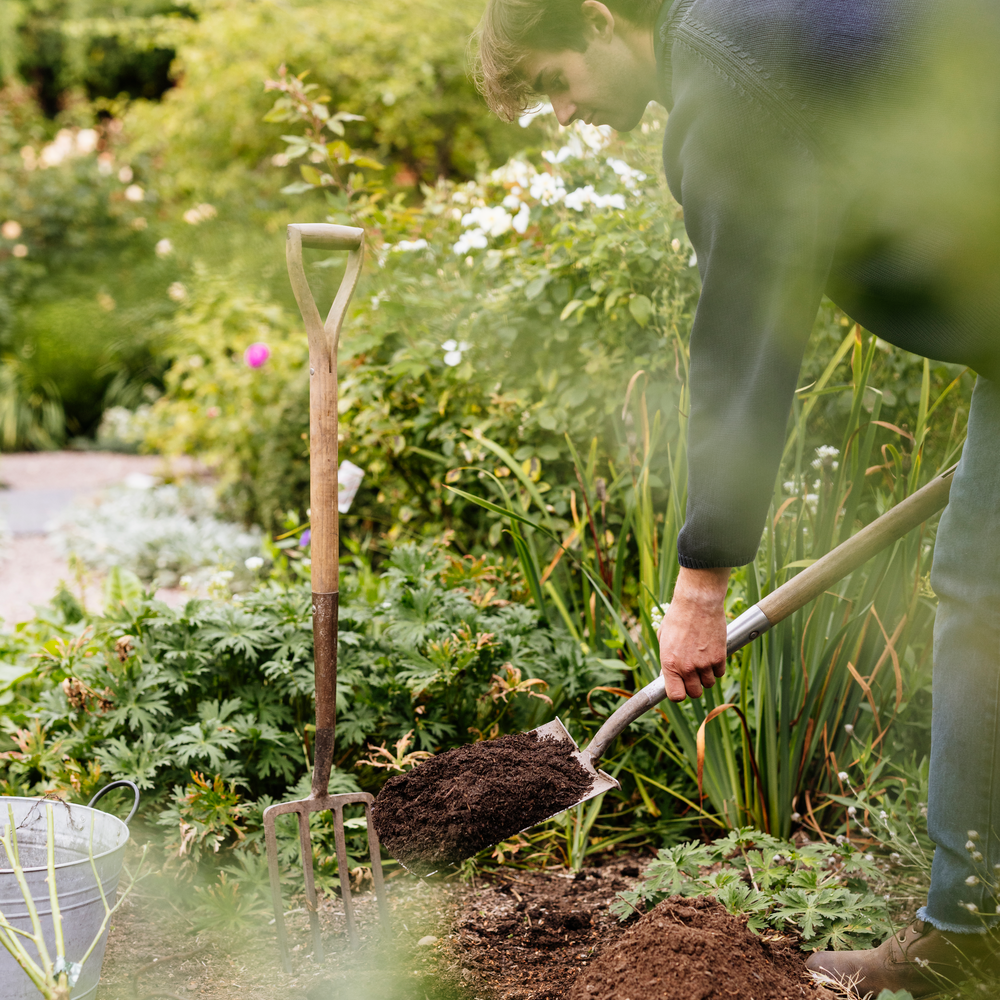
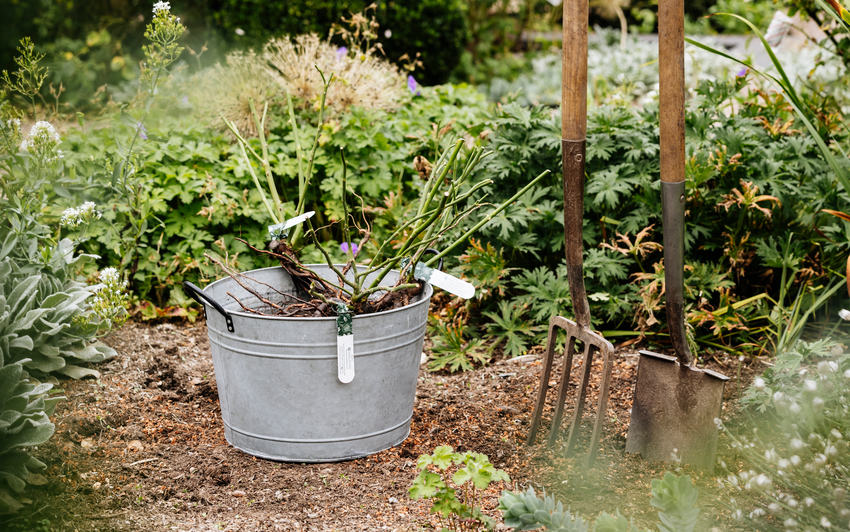
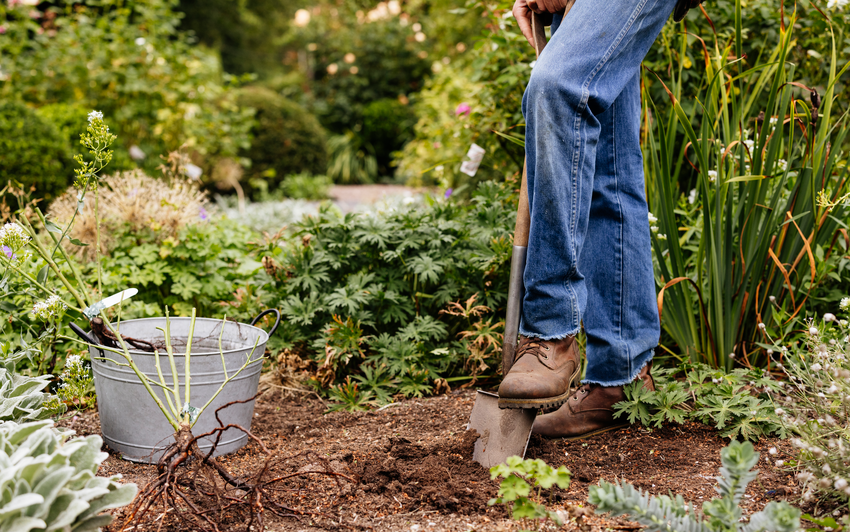
Dig out the old rose, removing as much root as you can.
-
2
Remove as much of the old soil as possible. Aim for a hole at least 45cm (18in) deep and 60cm (2ft) across.
-
3
Swap that soil with soil from a part of the garden where roses (and fruit trees) haven't grown (the veg patch or a border is ideal), or buy in fresh topsoil. The rose-sick soil can go there instead; it won't harm vegetables or most ornamentals.
-
4
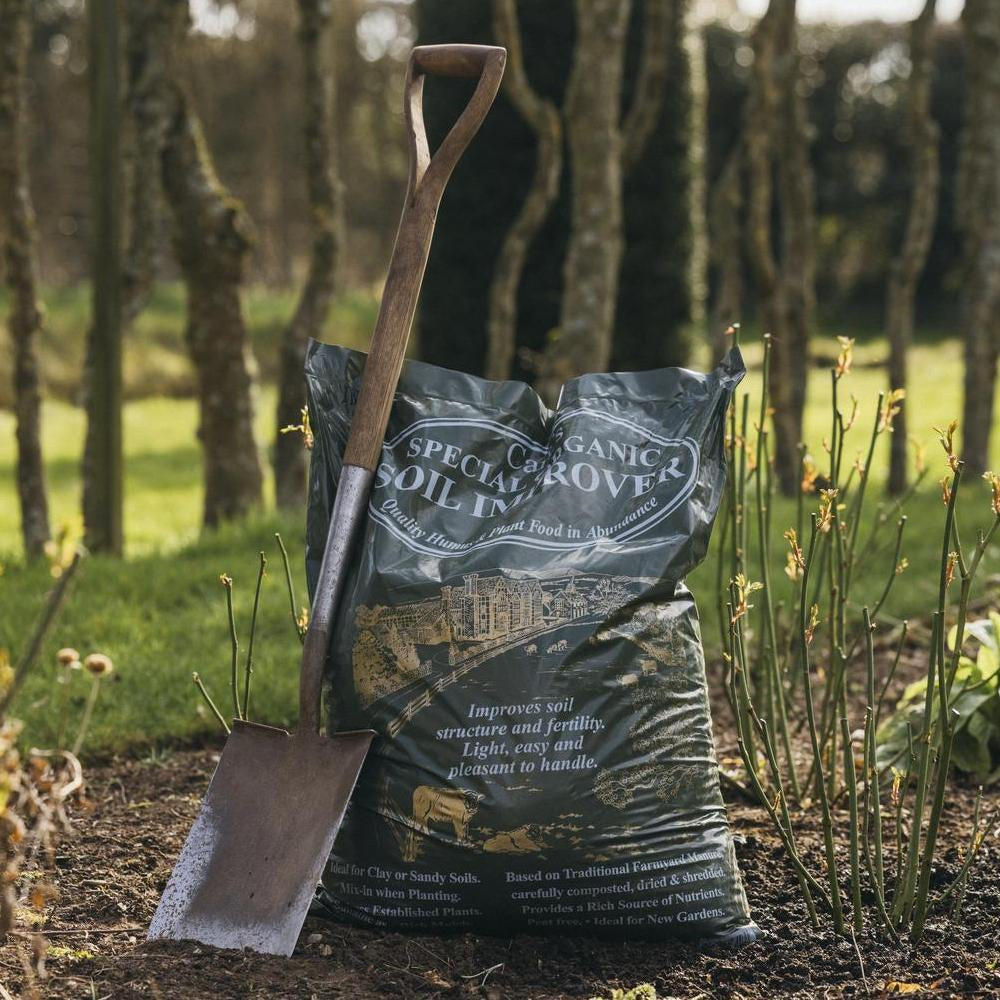
Mix in some well-rotted garden compost or manure.
-
5
Sprinkle our own David Austin® Mycorrhizal Fungi onto the roots to aid root development, then plant your rose at the right depth (graft union should be 2 inches below soil level), water in well and mulch.
Option 2: Plant Somewhere Else (or Grow It in a Pot)
-
1
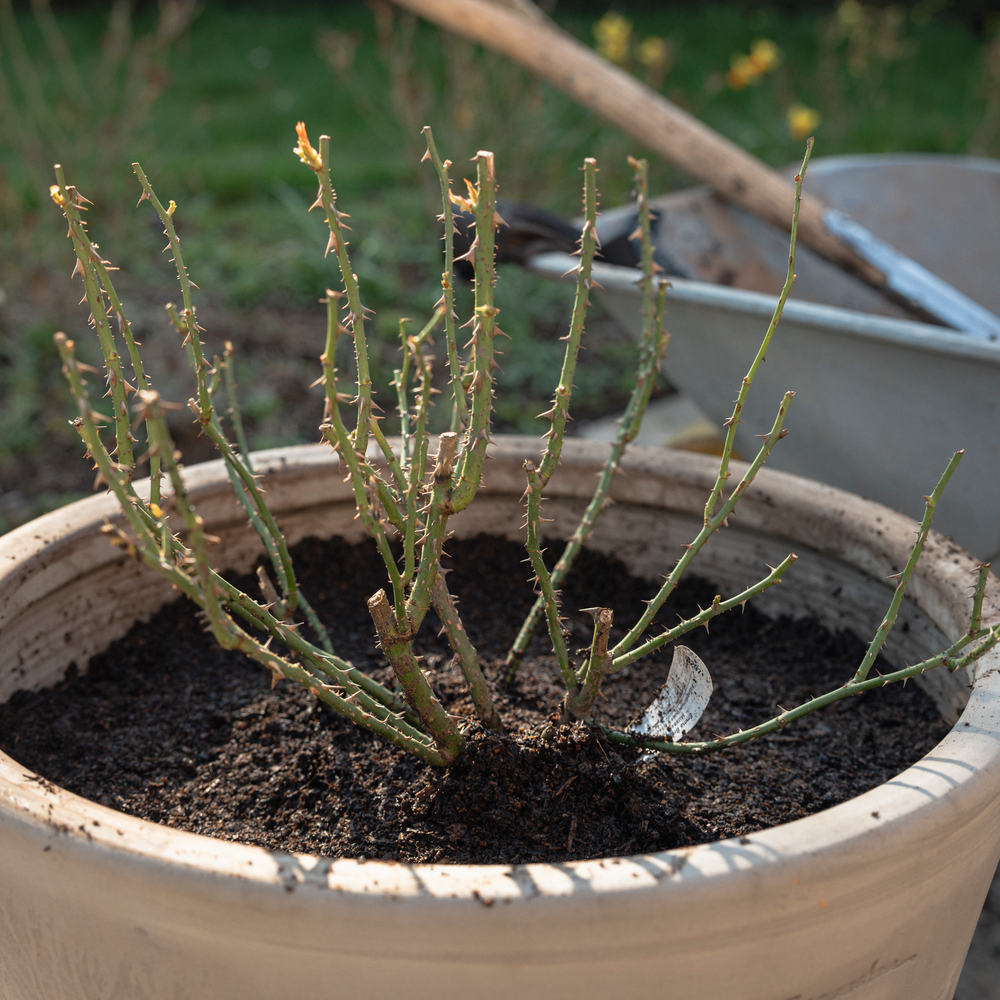
If digging isn't realistic, move the rose to a fresh spot and fill the old gap with something from outside the rose family.
-
2
Alternatively, grow the new rose in a large container, at least 45cm across and deep, using a 50/50 mix of multi-purpose compost and a loam-based compost like John Innes No. 3.
Extras That Help
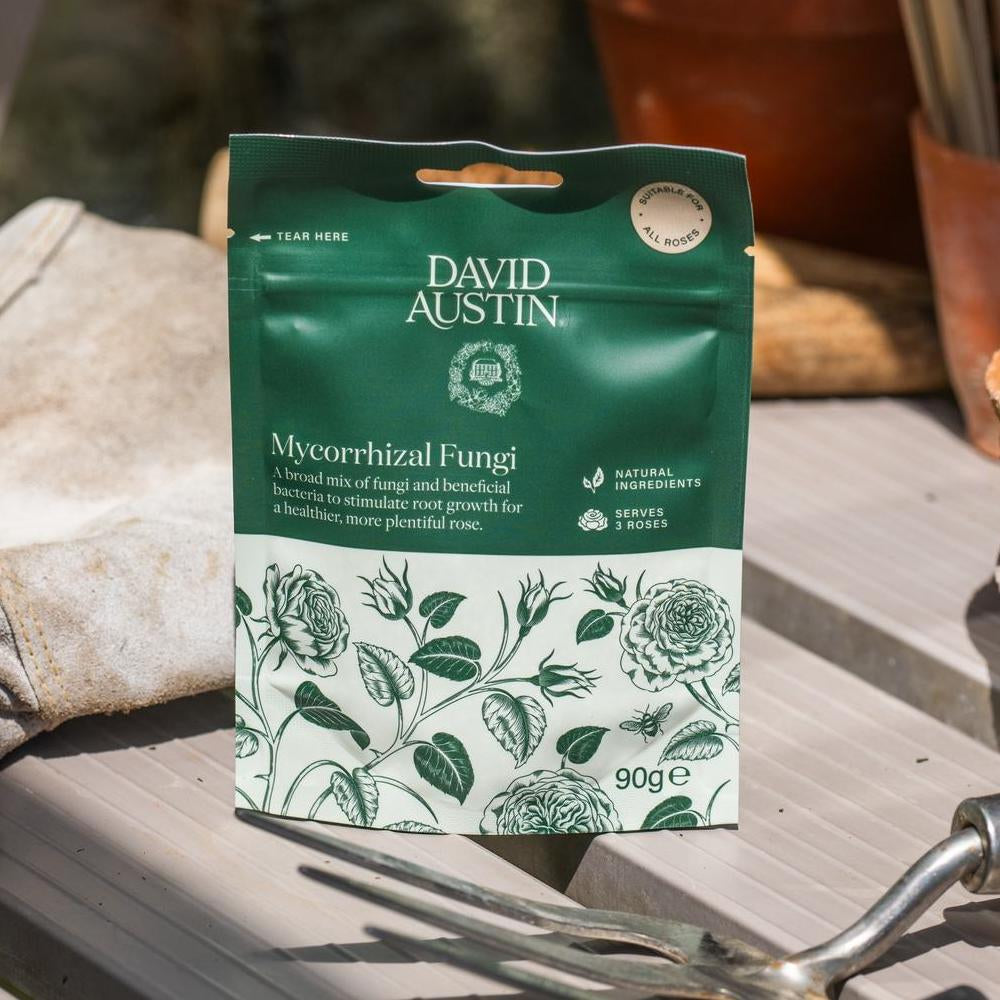
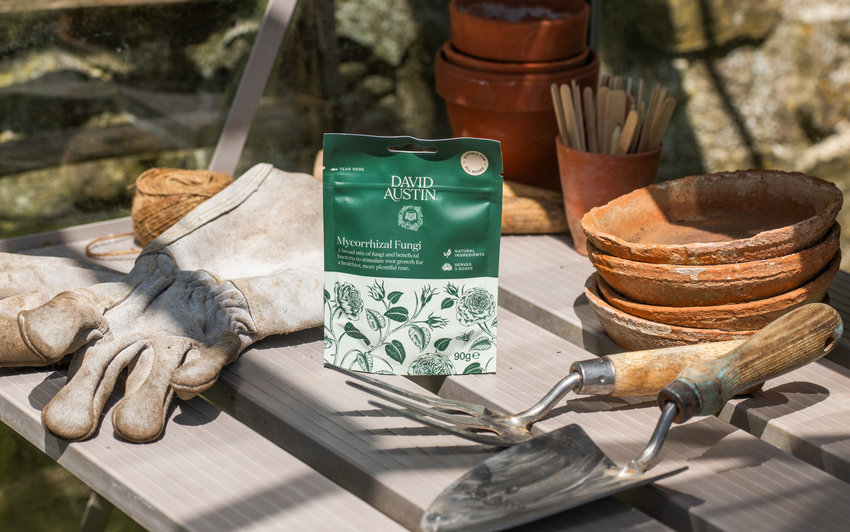
- Mycorrhizal fungi: we recommend our own David Austin® Mycorrhizal Fungi at planting time to aid root development. Use it alongside fresh soil rather than instead of it.
- Timing: bare root roses are planted from roughly November to March, when they're dormant. Potted roses can go in at most times of year, as long as the ground isn't frozen or waterlogged.
- Watering: the first summer is the critical one. A deep soak once or twice a week in dry spells beats a daily sprinkle.
- Patience: skip heavy feeding in the first weeks. Start a balanced rose feed once you see healthy new growth in spring.

Already Planted It? Signs of Trouble and How to Rescue It
If you planted straight into the old spot, watch for these during the first growing season:
- Very little new growth, or stems that stay short and spindly
- Small, pale or yellowish leaves
- Few or no flowers on a variety that should bloom freely
- A plant that looks no bigger in late summer than when you planted it
- On lifting it, a small, dark, stubby root system with few fine roots
The good news is that it's usually recoverable if you act early. In the dormant season (late autumn to early spring), carefully lift the rose, do the soil swap described above, and replant it. Alternatively, move it to a fresh bed or a large pot. A rose that has struggled for one season will often bounce back well the following year once its roots are in clean soil. Do rule out the usual suspects first: drought, water logging, planting too deep or too shallow, and vine weevil grubs in pot-grown plants can all mimic replant disease.
Quick Answers
Yes, though if possible, we suggest choosing a new position. If you do use the same spot, replace as much soil as possible with soil from a rose-free part of the garden or bought topsoil.
It can persist in the soil for several years, so it's best to choose a new spot or replace the soil.
Yes, anywhere roses and fruit trees won't be planted. The veg patch is perfect.
Almost anything outside the rose family: perennials, bulbs, shrubs like lavender or
hydrangea, or a clematis.
We recommend it. Our David Austin® Mycorrhizal Fungi aids root development and works best alongside fresh soil.
The Bottom Line
Rose replant disease is real, but it isn't a reason to give up on that spot. Forget the myths about exhausted soil and fallow years. Give the new rose a generous pocket of fresh soil, water it well through its first summer, and it should grow just as happily as the one before it.

-
Planting a Rose Where a Rose Has Been BeforeReplacing a rose in the same spot is a common dilemma. Perhaps a favourite climber has finally given up, or you've inherited a tired rose bed and want to start fresh. It can be done, but planting straight into the old soil often leaves the new rose struggling, thanks to a condition called rose replant disease. Here's what's going on underground, which myths to ignore, and how to give your new rose the best possible start.
-
The Hidden World of Mycorrhizal Fungi: Why Your Roses Need ThemStrong roses start with strong roots. Here's how one of nature's oldest partnerships can give yours the best possible start.
-
Get Your Garden Ready for Bare Root Rose SeasonBare root rose season runs from November to April, making the cooler months a lovely time to introduce new roses to your garden. Whether you're planning a new border, adding to an existing collection or planting a climbing rose against a favourite wall, there is plenty to look forward to.
-
Bare Root or Potted? Why Our Roses Come Two WaysAcross the year, you'll find two different forms of David Austin® rose available. For much of the year, our potted roses are ready and waiting, cut back and dormant during the cooler months, in leaf and growth through the warmer ones. Then, once the growing season draws to a close, our bare root roses come into their own, dug fresh from the field and sent out while fully dormant, just as English roses have been grown and shared for generations.
-
Planting Bare Root Roses: Step-by-Step for Garden and PotsBare root roses arrive simply, as stems and roots, quietly waiting for the garden to bring them to life. With care, they can transform into lush, flowering plants, filling a garden with colour, fragrance, and presence. Affordable, easy to handle, and a traditional favourite among gardeners, they offer both charm and reward.
-
Planting Bare Root Climbing and Rambler Roses in the Ground: Step-by-StepBare root climbing and rambling roses bring both structure and romance to the garden, offering a traditional and sustainable way to cover walls, fences, and arches with abundant blooms. Planted between autumn and early spring, these roses establish naturally through the cooler months, ready to send out vigorous new shoots when warmth returns. With a little preparation and care, they will reward you for many years with graceful growth and exquisite fragrance.