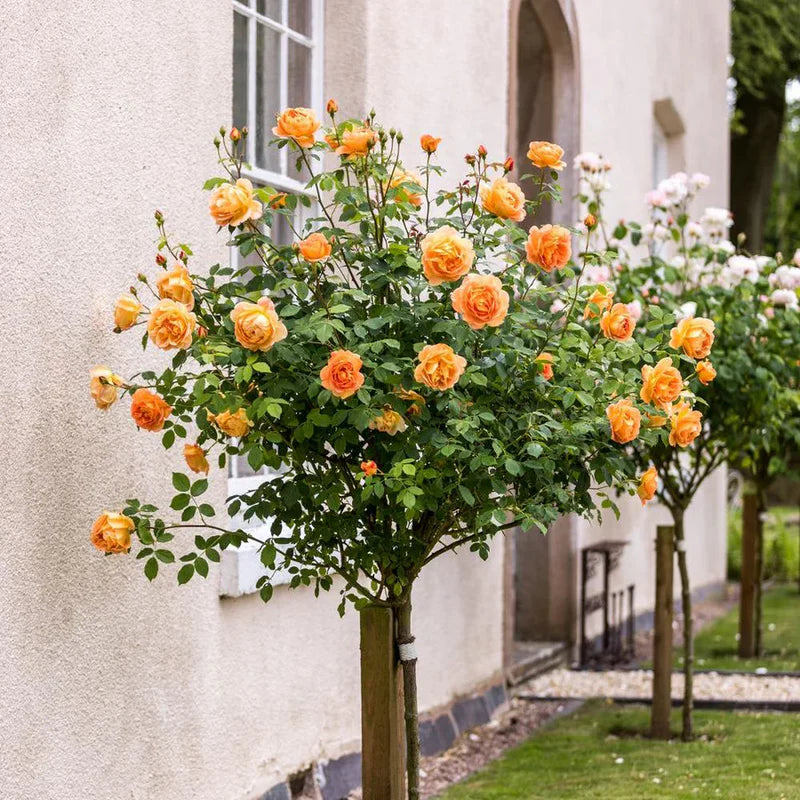

How to Plant and Care for Roses in Different Soil Types
Ask any seasoned rose grower for their secret and, sooner or later, they'll point at the ground. The flowers get the admiration, but the soil does the real work: it holds the water, feeds the roots and decides whether your rose sails through a dry July or sulks in a soggy September.
The good news is that roses are wonderfully adaptable. They'll grow happily in almost any garden, from heavy clay to light sand, as long as you understand what your soil is doing and give it a helping hand.
Getting to Know Your Soil
Before you plant a single rose, spend five minutes getting acquainted with your soil. You don't need a lab, just a trowel and your hands.
The squeeze test. Take a handful of moist soil from a few inches down and squeeze it. Clay forms a sticky, shiny ball that holds its shape and can be rolled into a sausage. Sandy soil feels gritty and falls apart as soon as you open your hand. Loam sits happily in between: it holds together loosely and crumbles when prodded.
The pH test. An inexpensive kit from the garden centre will tell you how acidic or alkaline your soil is. Roses are happiest in well-drained soil that's close to neutral, around pH 7.0. They'll cope with anything from about 5.5 to 7.5, but outside that range they can struggle to take up some of the nutrients they need.
Once you know what you're working with, here's how each type tends to behave:
Clay feels sticky and heavy and holds together in a ball. It drains slowly and can become waterlogged, so it needs watering less often, but it shouldn't be allowed to dry out completely. The fix is organic matter to open up its structure.
Sandy soil feels gritty and loose and falls apart in your hand. It drains very quickly, so roses need watering more often. Organic matter helps it hold on to moisture.
Chalky soil is pale, often stony and usually shallow. Like sand, it drains fast and needs more frequent watering, along with plenty of organic matter and regular mulching.
Loam is dark, soft and crumbly. It drains well while still holding moisture, so watering needs are moderate. Just keep it topped up with compost.
Gravelly soil is full of stones and grit, often thin and hungry. Water rushes straight through it, so it needs frequent watering and lots of organic matter to give roots something to hold on to.
After a Hot, Dry Summer
A scorching summer leaves its mark on every soil type. Clay bakes hard and cracks, and when rain finally arrives it can run straight off the surface rather than soaking in. Sandy and chalky soils dry out even faster, leaving roses short of both water and nutrients. In pots, peat-free compost that has dried out completely can turn water-repellent, so water runs down the sides without ever wetting the roots. Dry soil is hard on soil life too, as earthworms retreat deep underground until conditions improve.
Autumn is the perfect time to put things right. Once the rain has re-wetted the ground, spread a generous layer of compost or soil improver to restore structure and moisture-holding power. And don't be fooled by a few heavy showers: dig down to check, because after a drought the surface can look damp while the soil around the roots is still dry.
Clay Soil: Rich but Temperamental
Here's a secret that surprises many gardeners: roses actually like clay. It's packed with nutrients and brilliant at holding on to moisture, so once a rose is established in clay it can be remarkably robust.
The catch is that clay swings between extremes. In a wet winter it can become waterlogged, starving roots of the air they need. In a hot summer, if it's allowed to dry out completely, it bakes hard and cracks, which can be very problematic for the plant.
Planting in Clay
- Avoid digging when the soil is wet and sticky, as you'll squash out the air and make things worse.
- Dig a generous hole and break up the sides with a fork so roots can push out rather than circling around the planting hole.
- Mix plenty of organic matter into the backfill to improve texture and drainage.
Caring for Roses in Clay
Clay roses usually need less water than those in lighter soils, so resist the urge to water on a schedule. Check below the surface first, and be cautious not to overwater. After long spells of rain the ground may become saturated, in which case hold off until it has returned to normal.
Improving Clay Over Time
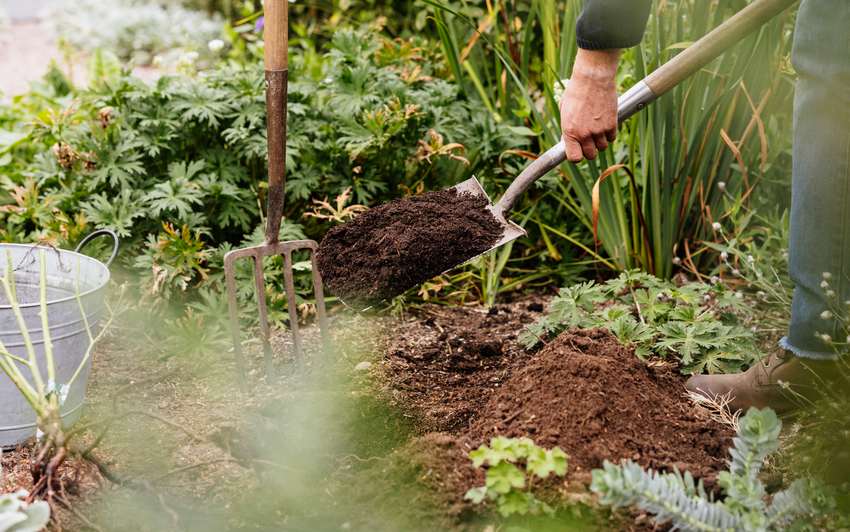
The single best thing you can do is keep adding organic matter. Each year, spread compost, well-rotted manure or a soil improver over the surface and let the worms carry it down. Over a few seasons this opens up the structure, making clay drain better in winter and stay workable in summer.
Sandy Soil: Easy to Dig, Quick to Dry
Sandy soil is a joy to work with. It warms up quickly in spring, never gets claggy underfoot and rarely waterlogs. The downside is that it's very free-draining, so water (and the nutrients dissolved in it) slips straight past the roots.
Planting in Sandy Soil
- Add generous amounts of organic matter to the planting hole. In sand, this acts like a sponge, holding moisture and food where the roots can reach them.
- Water the rose in thoroughly after planting and keep a close eye on it through its first summer.
Caring for Roses in Sandy Soil
Expect to water more often than you would on clay, especially in hot or dry spells. Even after rain, dig down at least 3 inches with a trowel to check: a shower can wet the surface without ever reaching the roots. Feeding matters more here too, as nutrients wash through faster.
Improving Sandy Soil Over Time
The recipe is the same as for clay, which is one of gardening's nicest ironies: organic matter, and lots of it. Topping up with a thick mulch every year slowly builds a richer, more moisture-retentive soil.
Chalky and Loamy Soils
Chalky soil is often thin, stony and alkaline, sitting on top of chalk or limestone. It drains quickly, a bit like sand, and the higher pH can make it harder for roses to take up some nutrients, which sometimes shows as yellowing between the leaf veins. Roses can still do well here with a little extra care. Dig in plenty of organic matter at planting time, mulch every year, and water through dry spells. Some of the tougher, more vigorous varieties, such as many rambling and species roses, tend to cope best.
Loam is the soil every gardener dreams of: a balanced mix of sand, silt and clay that drains well but still holds moisture and nutrients. If you have it, congratulations. Your job is simply to keep it that way by adding compost or a soil improver as a mulch each year, so it never runs short of organic matter.
Gravelly Soil: Free-Draining and Hungry
If your spade clinks on stones with every push, you're gardening on gravel. It's common on old riverbeds, coastal areas and new-build plots where rubble has been left behind. Gravelly soil never waterlogs, which roses appreciate, but it holds very little water or food and is often shallow, so roots struggle to get a firm footing.
Planting in Gravelly Soil
- Dig a wider and deeper hole than usual and pick out as many large stones as you can.
- Backfill with a generous mix of the best soil you can find, plus plenty of compost or well-rotted manure. In very poor or shallow ground, bringing in some good topsoil makes a real difference.
- Water in thoroughly and keep a close eye on newly planted roses, as they'll dry out quickly in their first summer.
Caring for Roses in Gravelly Soil
Treat gravelly soil much like sand, only more so. Expect to water often in warm weather, giving a deep soak rather than a light sprinkle so the water reaches the roots before draining away. Regular feeding through the growing season helps too, as nutrients are washed through quickly.
Improving Gravelly Soil Over Time
Organic matter is the answer once again. A thick mulch every year slowly builds up a layer of richer soil, and the worms will gradually work it down between the stones. Be patient: it takes a few seasons, but each year your roses will have a little more to grow into.
One thing not to confuse this with is gravel used as a surface mulch. That's a different matter, and if you use it around roses, leave a clear circle around the base so rain can reach the roots (more on this in the mulch section below).
Feeding Roses in Difficult Soils
On poorer soils, such as sand, chalk and gravel, nutrients can be in short supply or hard for roses to take up. A controlled-release fertiliser is the easiest fix. Simply sprinkle the granules around the base of the rose and they'll release food gradually over the season, so there's no need to remember regular feeds.
A foliar feed, which is sprayed onto the leaves, can give an extra boost, as the leaves absorb nutrients directly. Apply it early on a dry, still morning so the leaves have time to dry off before evening.
Tricky Spots: Walls, Fences, Trees and Hedges
Soil type isn't the whole story. Where you plant matters just as much.
Against walls and fences
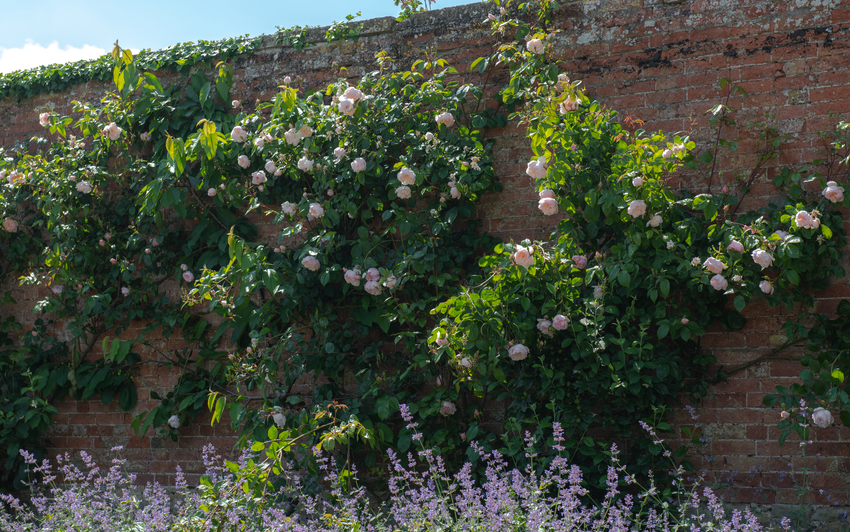
Climbing roses trained up a wall are glorious, but the soil at their feet is often bone dry. This is the rain shadow effect: depending on the wind and the height of the structure, rain can be blown away from the base of the plant. Plant around 30–45cm (12–18 inches) away from the wall and lean the rose in towards it, so the roots sit in damper ground. Be careful not to overcorrect, though. A shaded wall can also keep the soil cool and damp for a long time, so always feel below the surface before watering.
Near trees and hedges
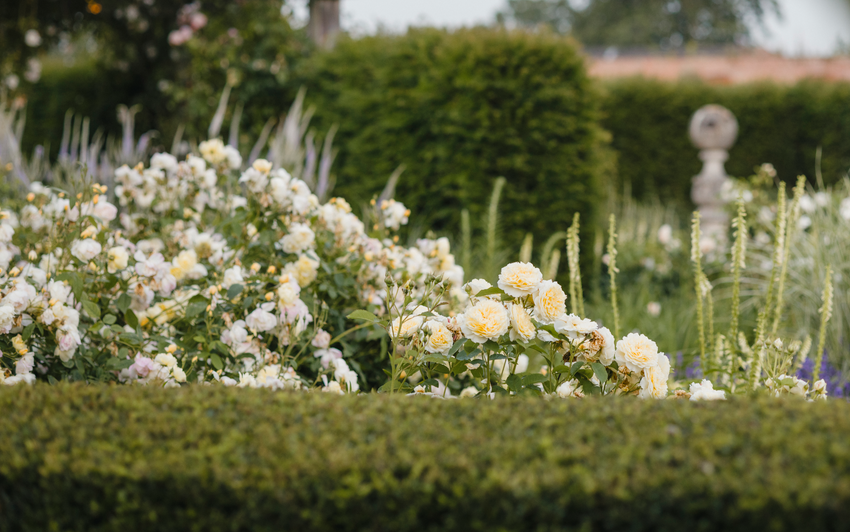
Established trees and hedges are thirsty neighbours, and they'll happily drink the water and nutrients meant for your rose. Roses here usually need extra water. In really poor, root-filled ground, a watering pipe sunk next to the rose lets you deliver water straight down to its roots.
Watering: How Much, How and When
Whatever your soil, the golden rule is the same: check before you water. Push a trowel down at least 3 inches and look at the soil near the roots. The surface tells you very little. You want it moist, never bone dry and never sitting in water.
When
In the ground, roses rarely need watering between October and April. From May to September, keep checking the soil, especially for newly planted roses, which need extra attention for their first two years while their roots establish.
How much
As a guide, give each rose about 5 litres per watering. A watering can makes this easy to measure. If you use a hose, time how long it takes to fill a 5-litre bucket and you'll know exactly how long to linger at each plant.
How
- Water at the base only. Wet leaves, particularly overnight, encourage fungal diseases.
- Use a gentle flow rather than a fierce jet. Taking the nozzle off and laying the hose on the ground works beautifully.
- If water runs off instead of soaking in, pause and let it settle, or build a shallow well of soil around the base so the water pools over the roots.
- Drip irrigation can help with large plantings, but it's tricky to get right and doesn't encourage deep roots the way hand watering does. Check it regularly and adjust the timings.
A word on pots
A word on pots. Roses in containers dry out far faster than those in the ground, whatever soil you have in the garden. If you're using peat-free compost, little and often is the key, as some peat-free materials repel water once they've dried out completely. A water-retaining gel helps, and avoiding black or very dark pots stops the compost overheating in summer.
Mulch: The Great Leveller
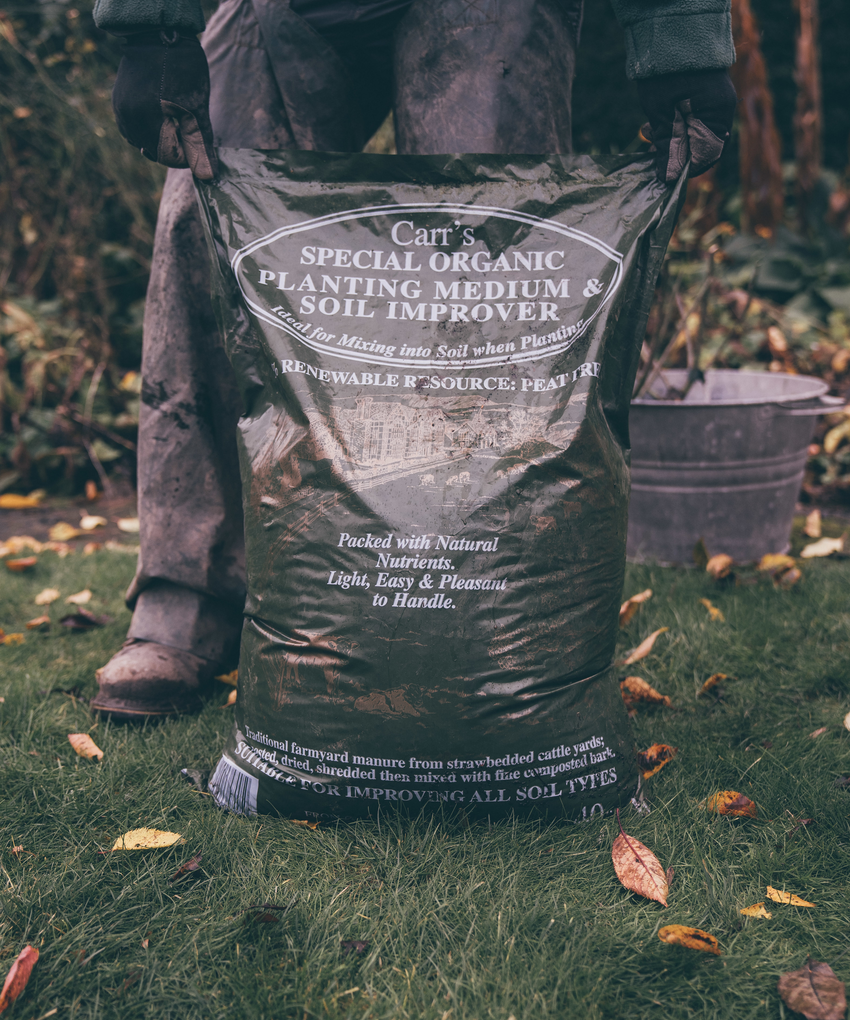
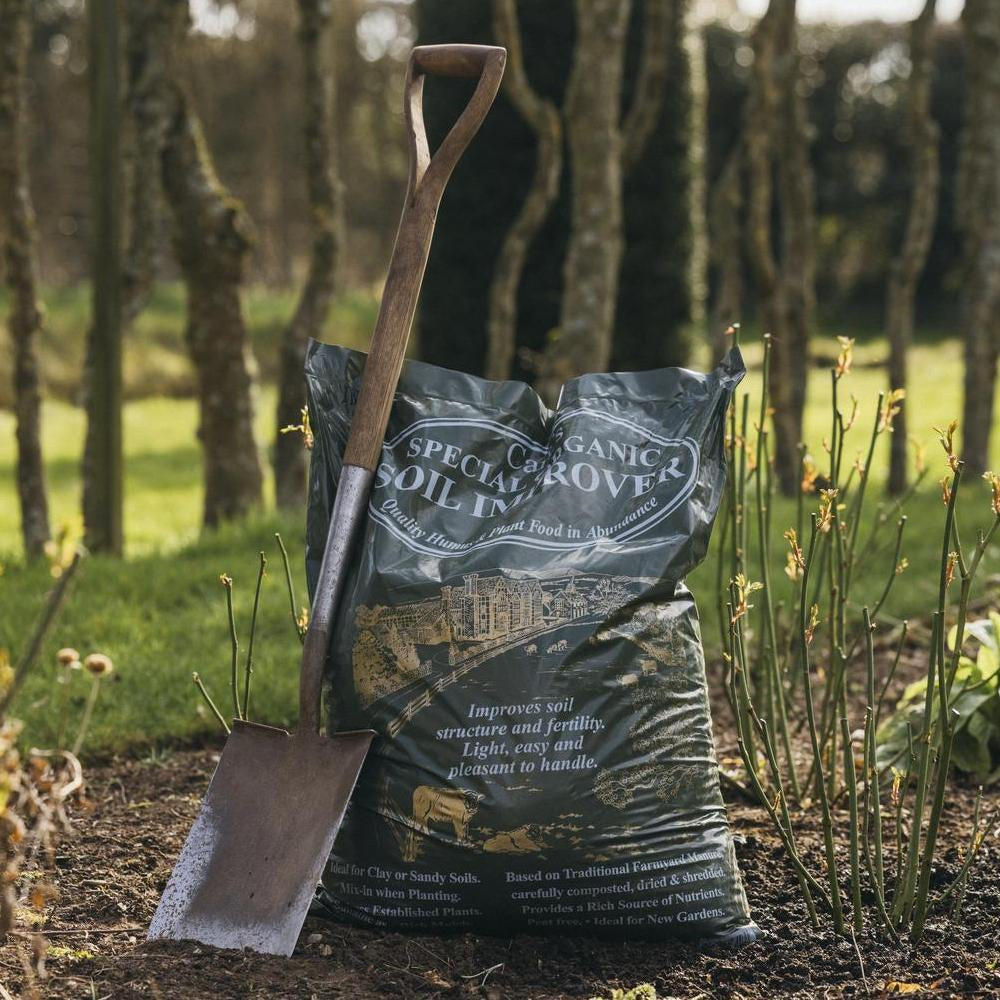
If there's one habit that helps roses in every soil type, it's mulching. A 2–3 inch layer of organic matter spread over the soil around your roses keeps the ground cool, locks in moisture for much longer and, as it breaks down, slowly improves the soil underneath. On clay it opens things up; on sand and chalk it adds body and holds water. Good options include Carr's Organic Soil Improver, composted bark, good-quality garden compost and well-rotted manure.
A few tips:
- Mulch in spring when the soil is moist, not when it's dry or frozen.
- Keep the mulch a few centimetres clear of the stems themselves.
- If you use gravel, a weed membrane or another non-organic mulch, leave a 12-inch gap around the base of each rose so rain can still reach the roots.
Saving water as you go
Collecting rainwater in a water butt is kinder to the environment than using tap water, and roses love it. During a drought or hosepipe ban, grey water from the bath, shower or washing-up is fine for short periods, as long as you've been using eco-friendly products.
Reading the Signs
Your roses will tell you when something's wrong, but they can be a little cryptic. Wilting, for example, can mean too much water or too little, which is why checking the soil is always the deciding step.
Signs of too much water are most common on clay and in shady spots. Look out for pale or yellowing leaves, drooping foliage, stunted growth and more disease than usual. In pots, a stagnant smell from the compost is a giveaway.
Signs of too little water are most common on sandy and chalky soils and in pots. Leaves may curl, become distorted or lose their shine, with edges turning brown and eventually dropping. Flowers may droop, fail to open or be smaller than usual, and the whole plant can look tired and lacking in vigour. Powdery mildew is another tell-tale sign of a thirsty rose.
If a potted rose has been badly overwatered and the compost smells stale, it's usually best to repot it into fresh compost.
Happy Soil, Happy Roses
There's no such thing as a hopeless soil for roses, only soils that need a bit of understanding. Clay needs opening up and protecting from extremes. Sand, chalk and gravel need feeding and help holding water. Loam just needs looking after. And in every case, the same three habits do most of the work: add organic matter, mulch every year, and check the soil before you reach for the watering can.
Get the ground right and the roses will take care of the rest.

-
How to Plant and Care for Roses in Different Soil TypesAsk any seasoned rose grower for their secret and, sooner or later, they'll point at the ground. The flowers get the admiration, but the soil does the real work: it holds the water, feeds the roots and decides whether your rose sails through a dry July or sulks in a soggy September. The good news is that roses are wonderfully adaptable. They'll grow happily in almost any garden, from heavy clay to light sand, as long as you understand what your soil is doing and give it a helping hand.
-
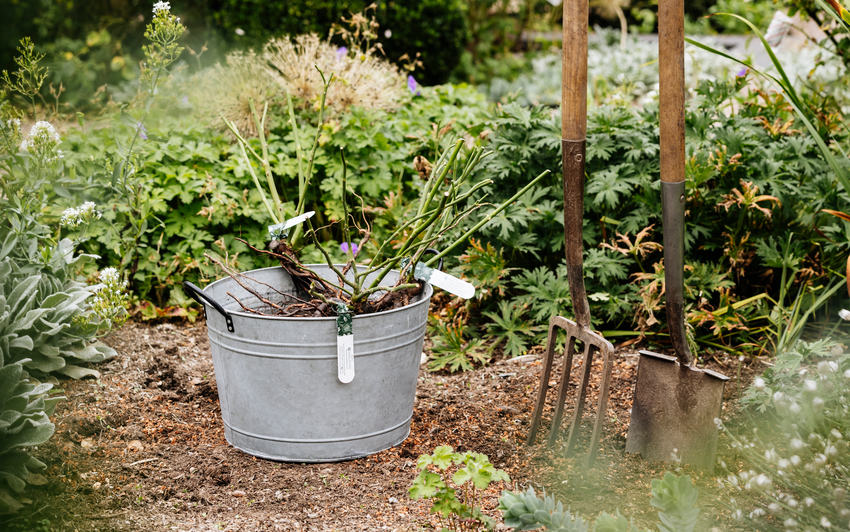
Planting a Rose Where a Rose Has Been BeforeReplacing a rose in the same spot is a common dilemma. Perhaps a favourite climber has finally given up, or you've inherited a tired rose bed and want to start fresh. It can be done, but planting straight into the old soil often leaves the new rose struggling, thanks to a condition called rose replant disease. Here's what's going on underground, which myths to ignore, and how to give your new rose the best possible start.
-
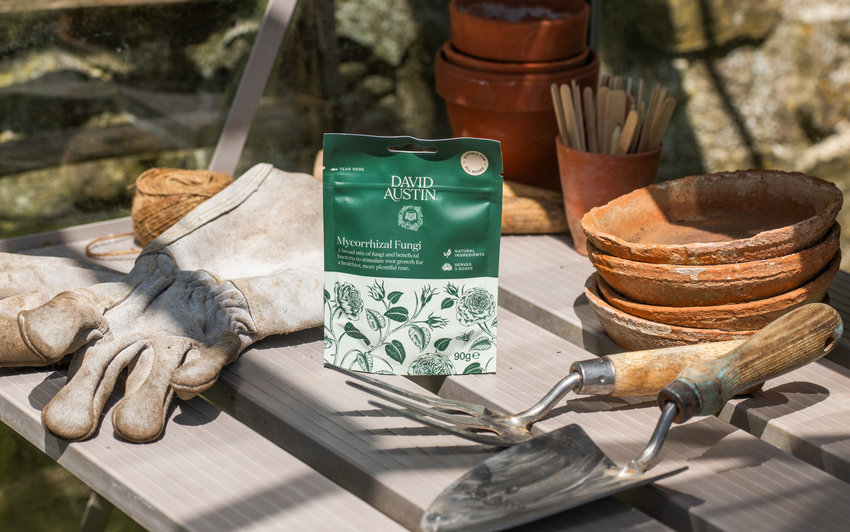
The Hidden World of Mycorrhizal Fungi: Why Your Roses Need ThemStrong roses start with strong roots. Here's how one of nature's oldest partnerships can give yours the best possible start.
-
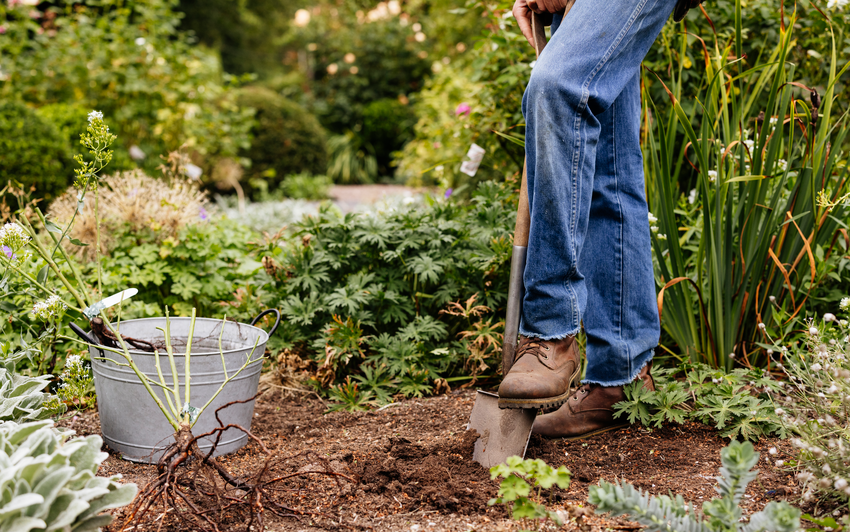
Get Your Garden Ready for Bare Root Rose SeasonBare root rose season runs from November to April, making the cooler months a lovely time to introduce new roses to your garden. Whether you're planning a new border, adding to an existing collection or planting a climbing rose against a favourite wall, there is plenty to look forward to.
-
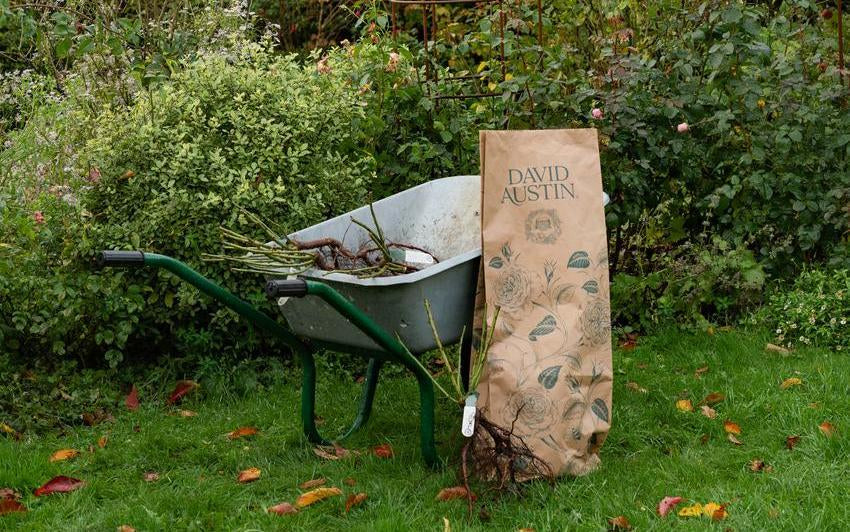
Bare Root or Potted? Why Our Roses Come Two WaysAcross the year, you'll find two different forms of David Austin® rose available. For much of the year, our potted roses are ready and waiting, cut back and dormant during the cooler months, in leaf and growth through the warmer ones. Then, once the growing season draws to a close, our bare root roses come into their own, dug fresh from the field and sent out while fully dormant, just as English roses have been grown and shared for generations.
-
Planting Bare Root Roses: Step-by-Step for Garden and PotsBare root roses arrive simply, as stems and roots, quietly waiting for the garden to bring them to life. With care, they can transform into lush, flowering plants, filling a garden with colour, fragrance, and presence. Affordable, easy to handle, and a traditional favourite among gardeners, they offer both charm and reward.