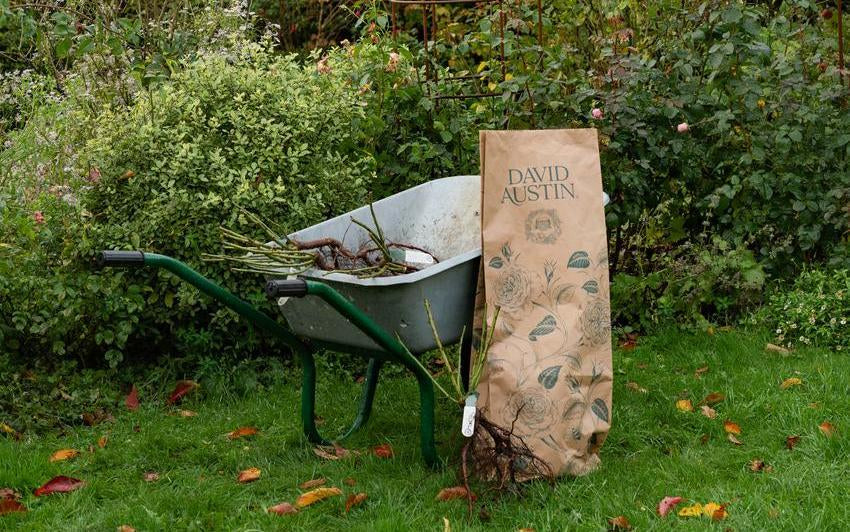
The Garden to Come: Planning Next Summer's Rose Garden
The Colour That’s Coming
When we think of colourful gardens, our minds naturally turn to summer. Roses in full bloom, borders alive with soft apricots, glowing yellows and rich pinks are often the moments we remember most. Yet the colours of next summer are not chosen when the flowers appear. They are chosen now.
Autumn offers a different perspective on the garden. As borders begin to soften and the structure of the planting becomes clearer, it is easier to step back and imagine what the seasons ahead might look like. Perhaps a corner could be brightened with warm apricot blooms, or a pathway softened with gentle blush tones. Without the distraction of summer’s abundance, autumn gives us the space to plan with fresh eyes.
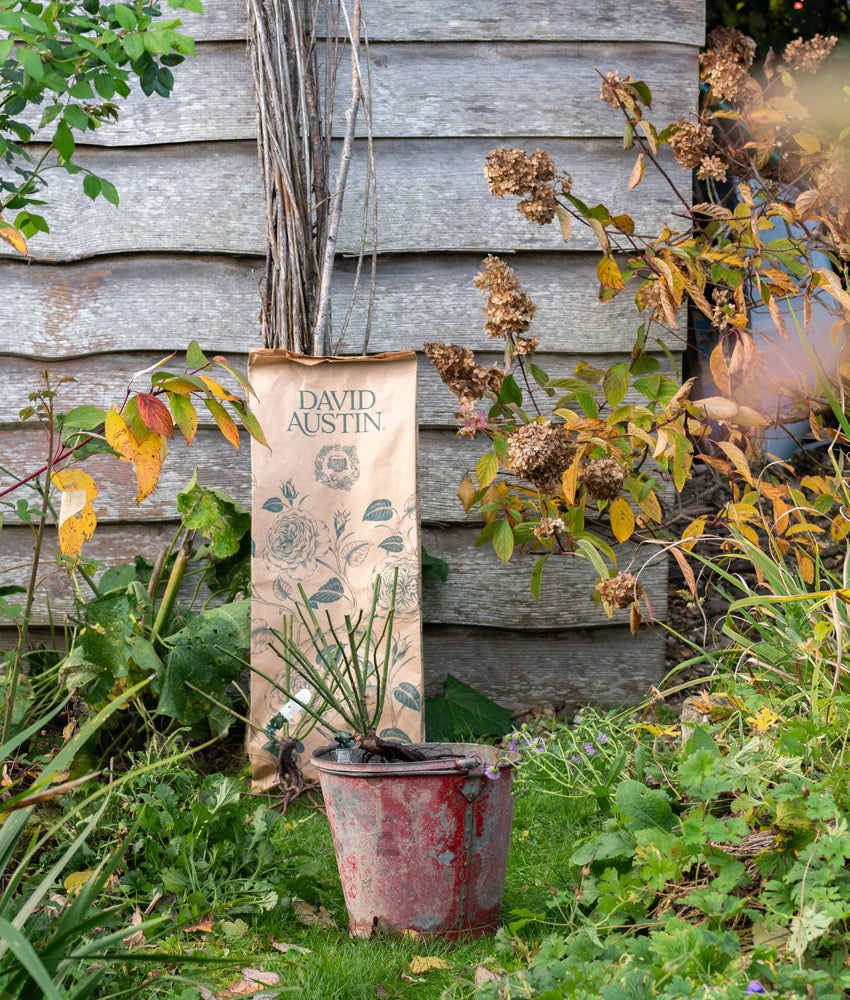
Bare root season is when those ideas begin to take shape. Every rose planted is a decision that will reveal itself in the months to come, gradually transforming the garden as spring awakens and summer arrives. It is a quieter kind of creativity, one that asks us to imagine the finished picture long before the first flower opens.
That is one of the great pleasures of planting bare root roses. Rather than simply preparing for the season ahead, we are creating it. The colours we admire next summer begin not with the blooms themselves, but with the thoughtful choices we make today.
So where do you begin? Before you order a single rose, it helps to think about four things: the space you have, the colours you love, how big each plant will grow, and what will grow alongside it. Get these right now, and next summer’s garden will almost plan itself.
Start with the Space
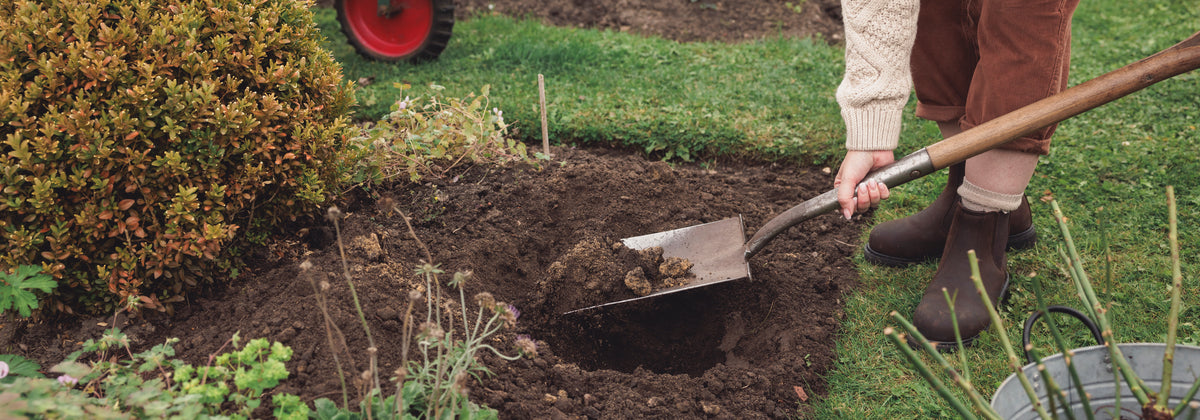
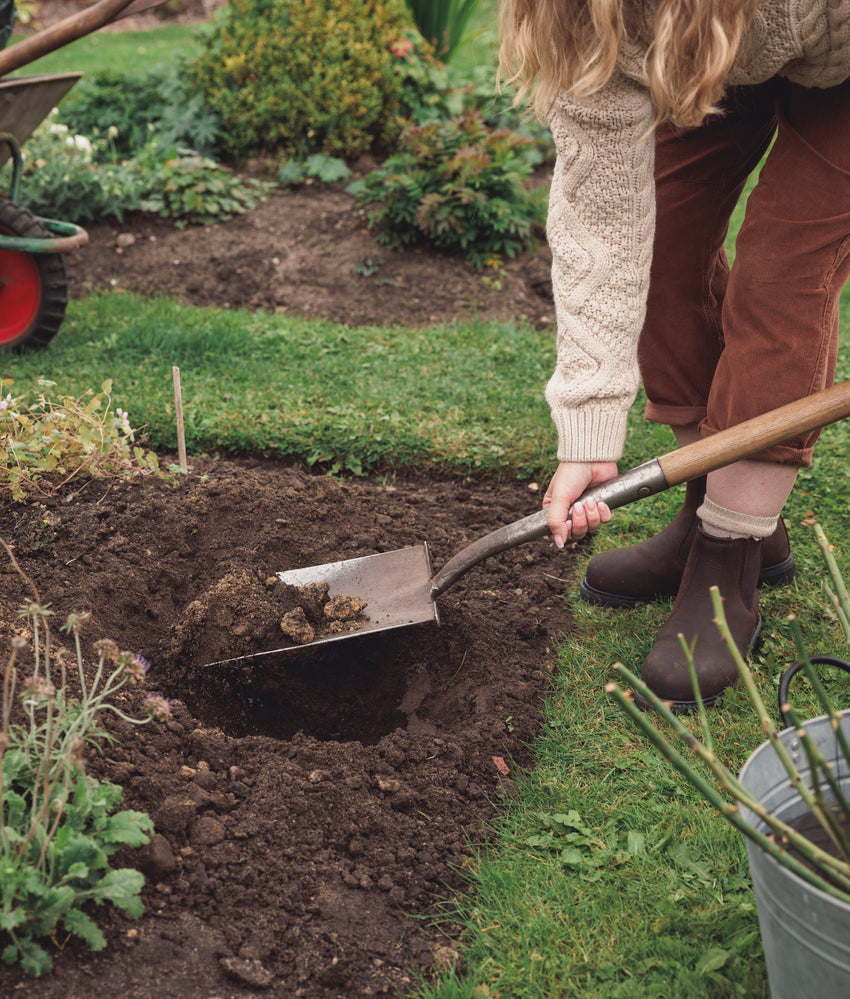
Walk your garden on a bright autumn day and notice where the light falls. Most roses flower best with at least four hours of sun. Note which beds stay soggy after rain and which dry out quickly: roses enjoy rich, well-drained soil, and a generous dig of well-rotted organic matter now will pay you back for years.
Think, too, about how you use the space. A fragrant rose by the back door or beside a bench will give far more pleasure than one tucked away where you rarely pass.
Choose a Colour Story
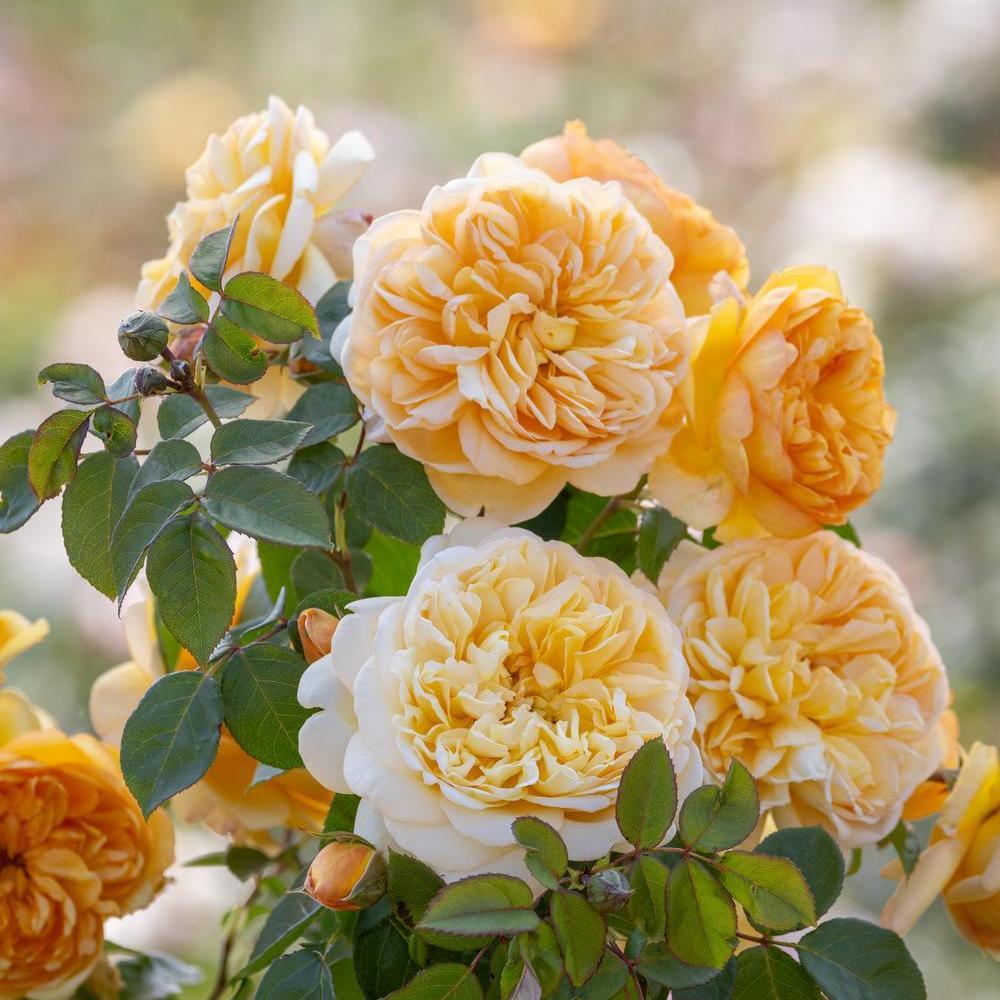
Colour sets the mood of a garden. Before choosing varieties, decide whether you want harmony or contrast. Harmonising shades, such as apricot, blush and soft yellow, flow gently into one another for a calm, romantic feel. Contrasting colours, such as coral with deep pink, create energy and make each plant stand out.
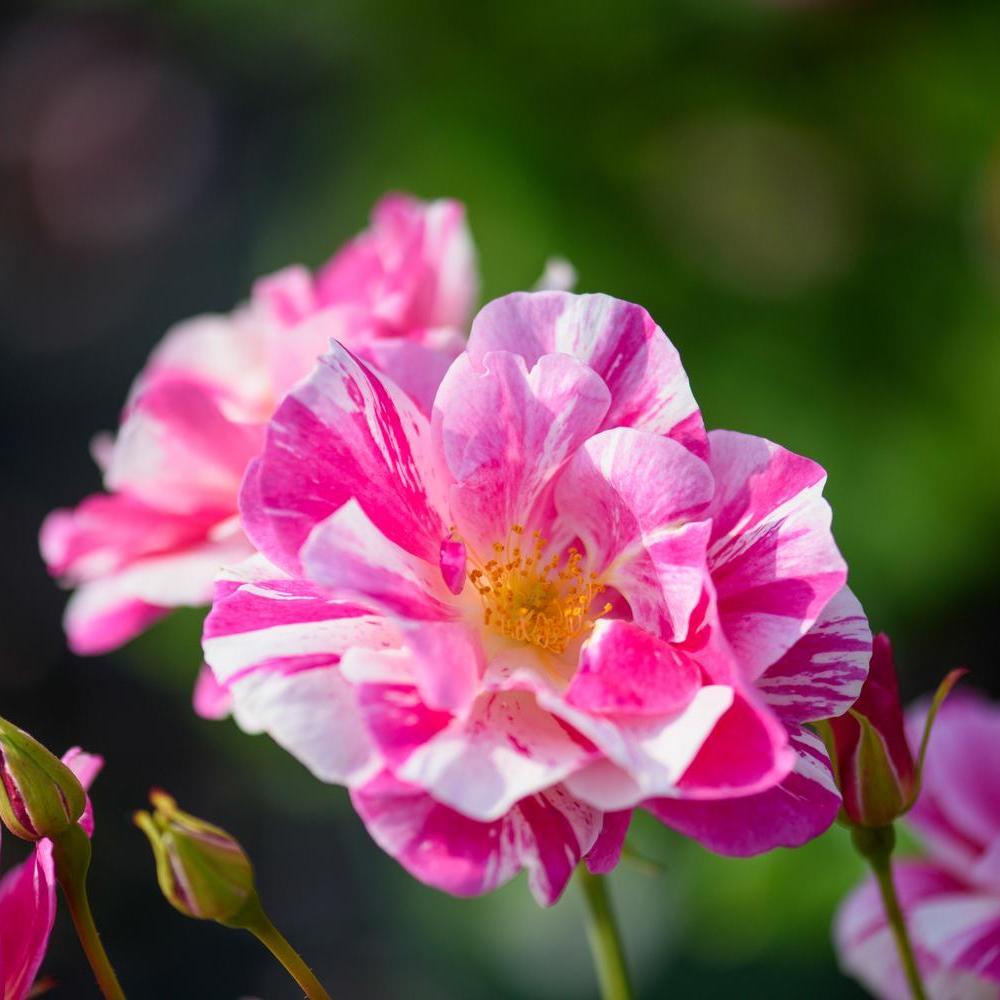
Emma Bridgewater®
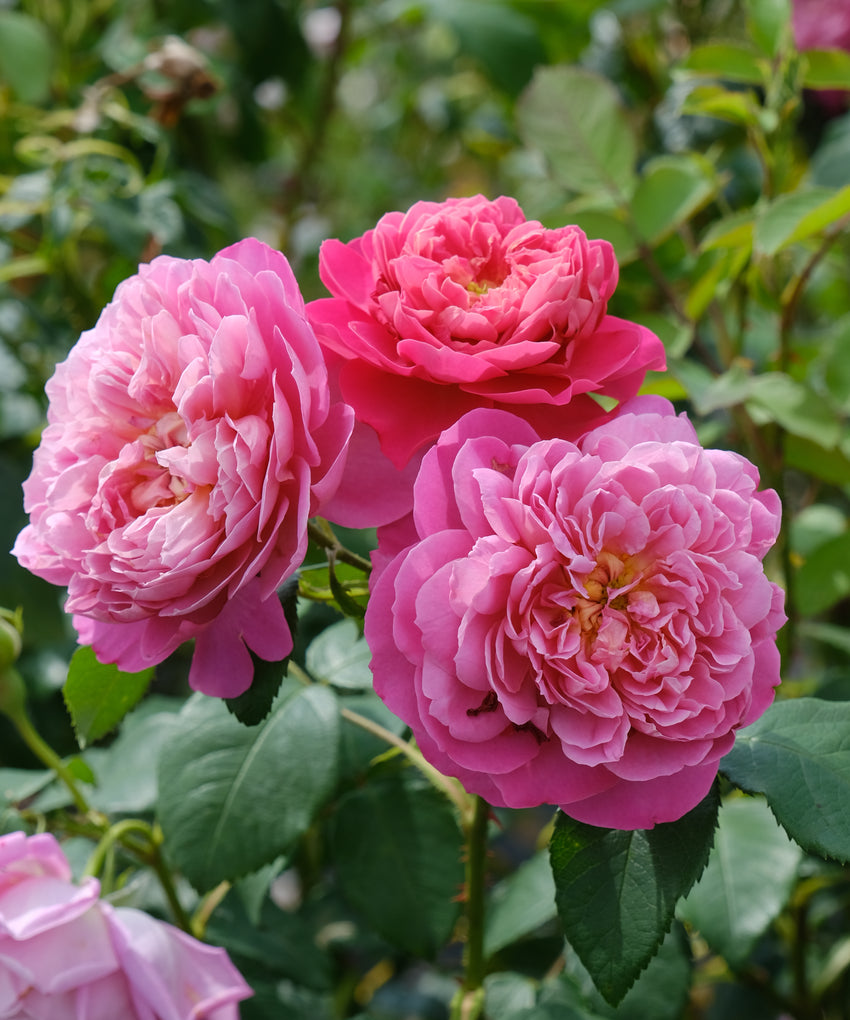
Emma Bridgewater never stands still. Its blooms open pink with a golden button eye, warm to coral-pink, then soften to mauve and lilac.
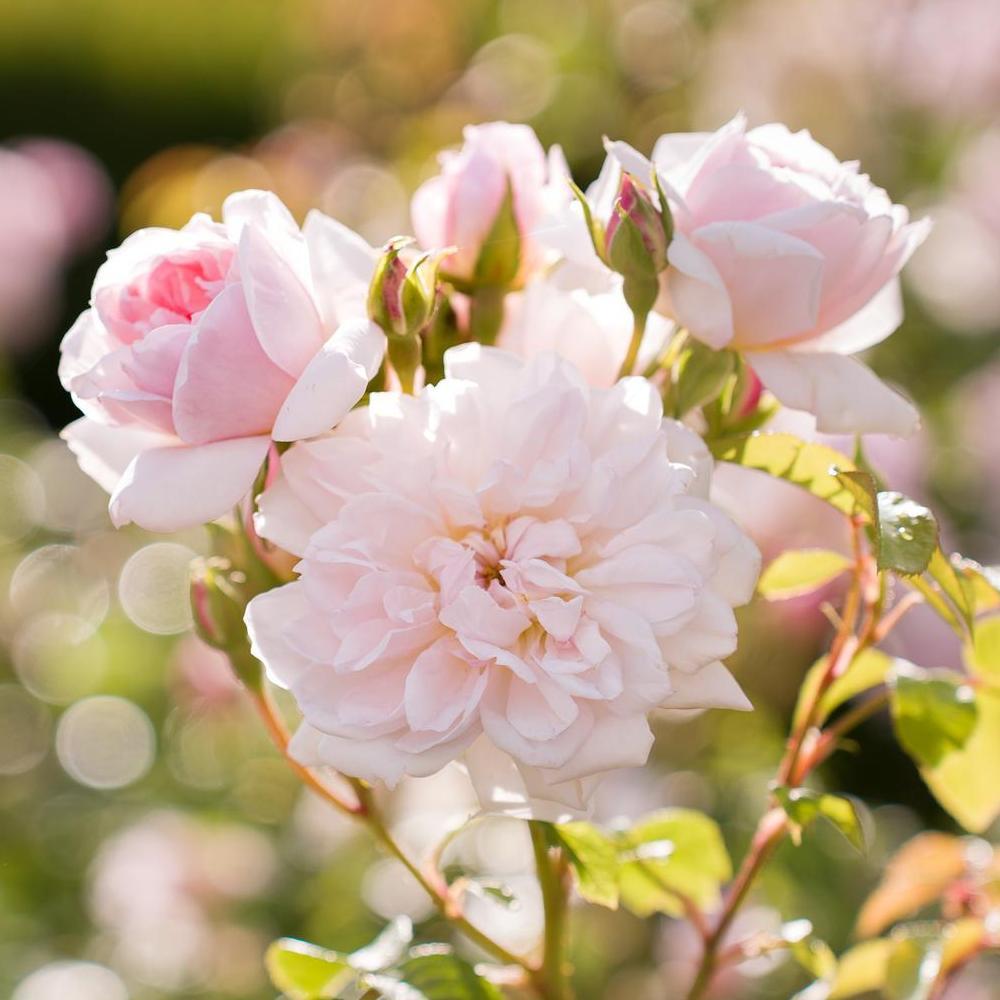
Gentle Hermione®
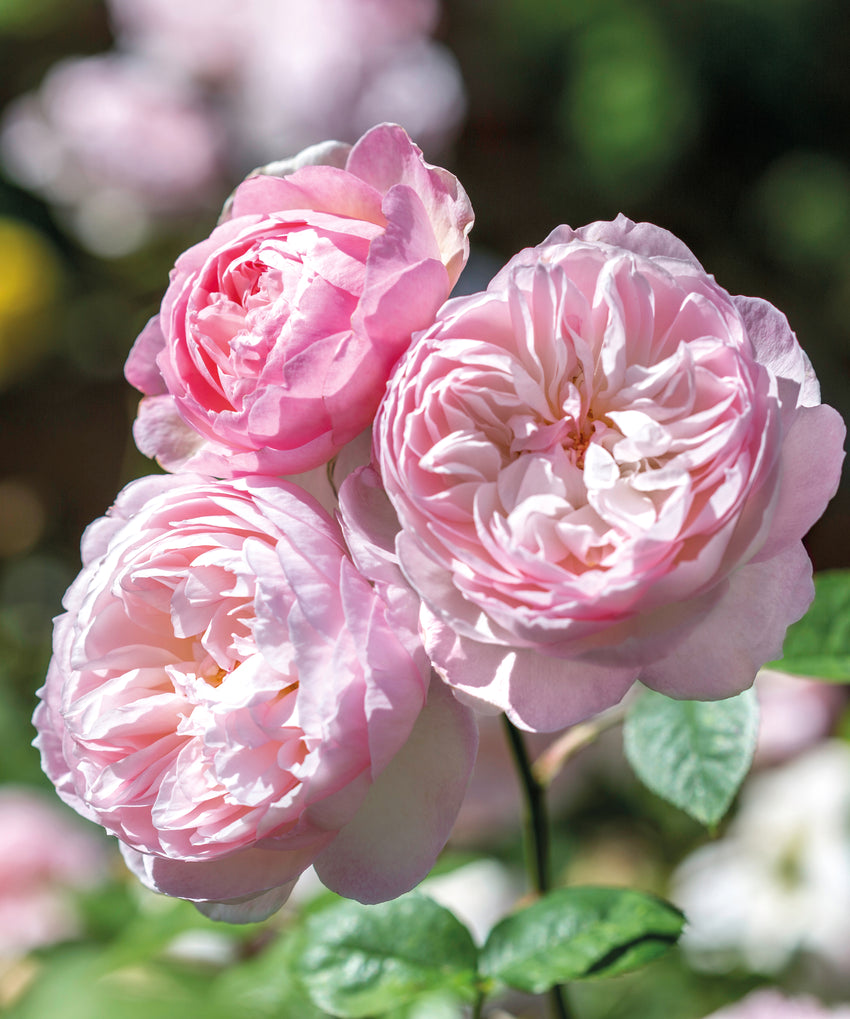
Shallow cups of pure light pink with a strong myrrh fragrance, for a soft, classic look.
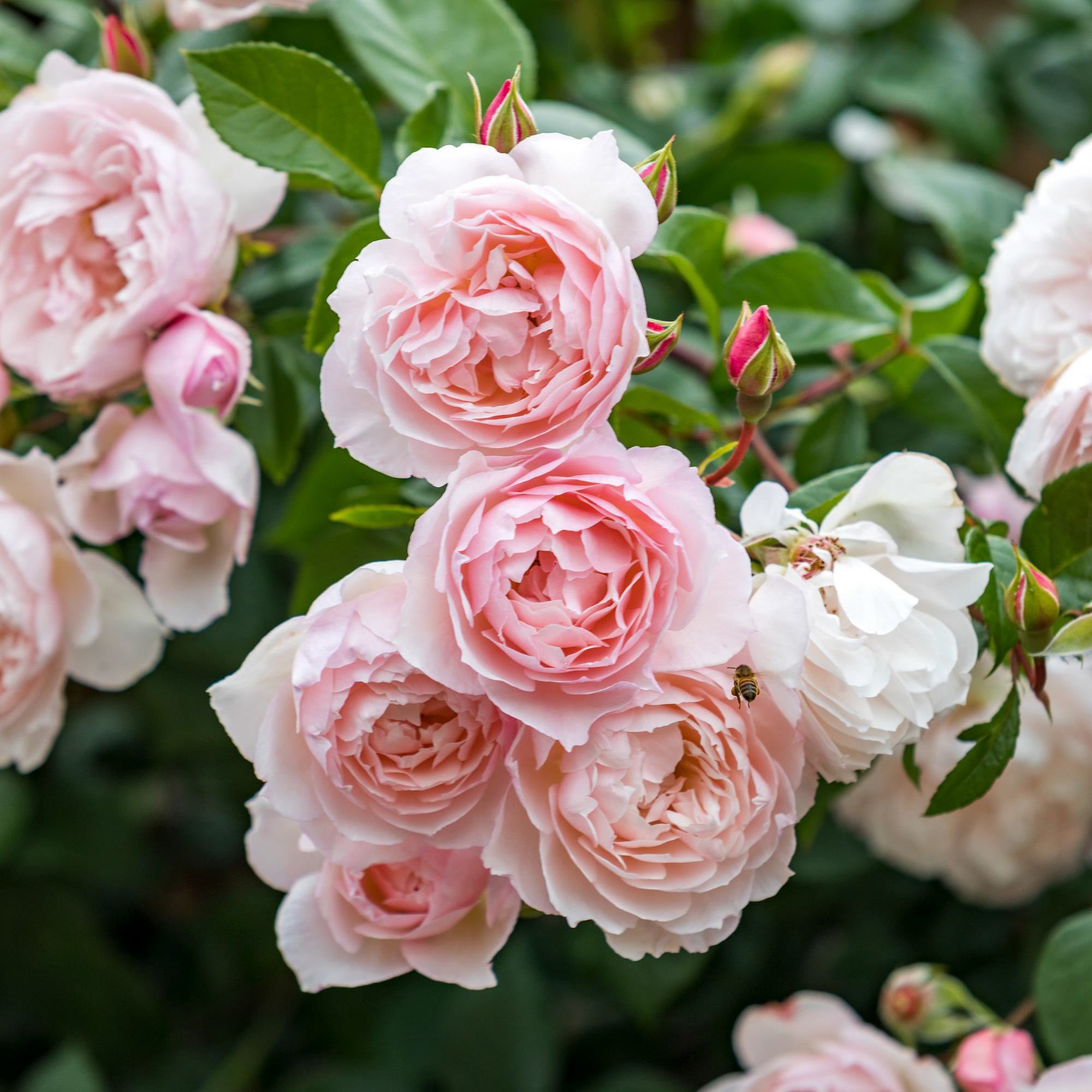
The Lady Gardener®
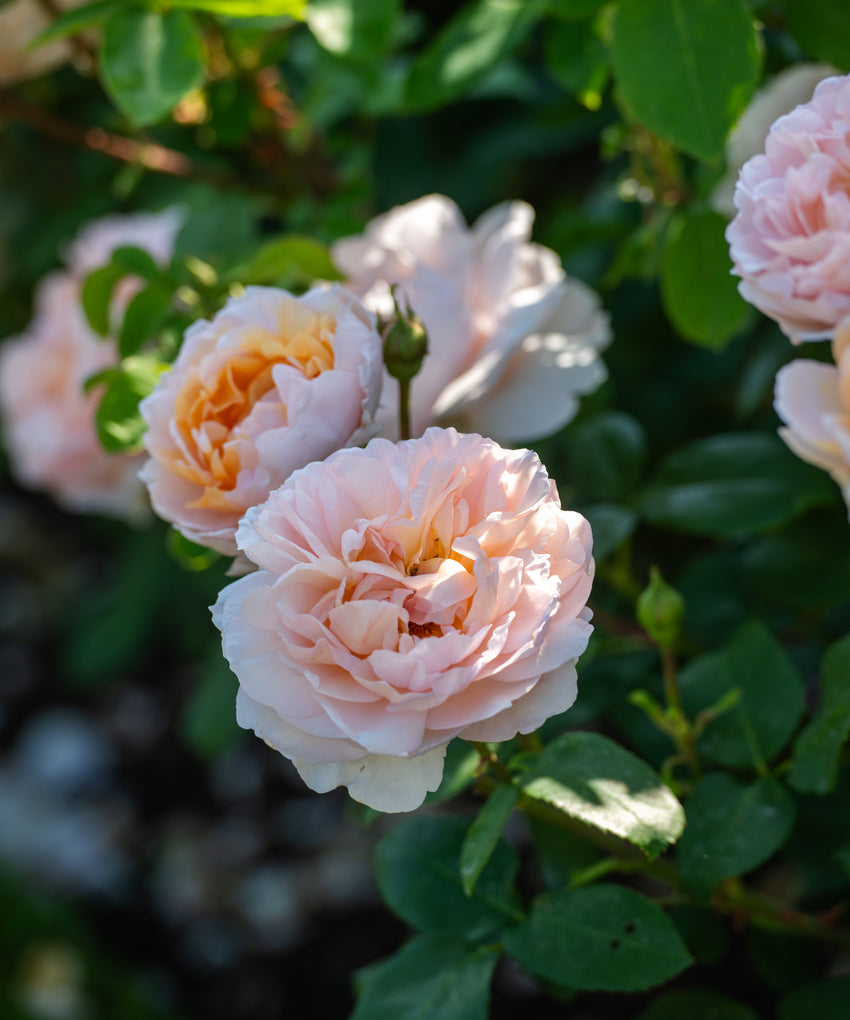
Large, quartered rosettes of pure apricot with a Tea fragrance, hinting at cedar wood and vanilla.
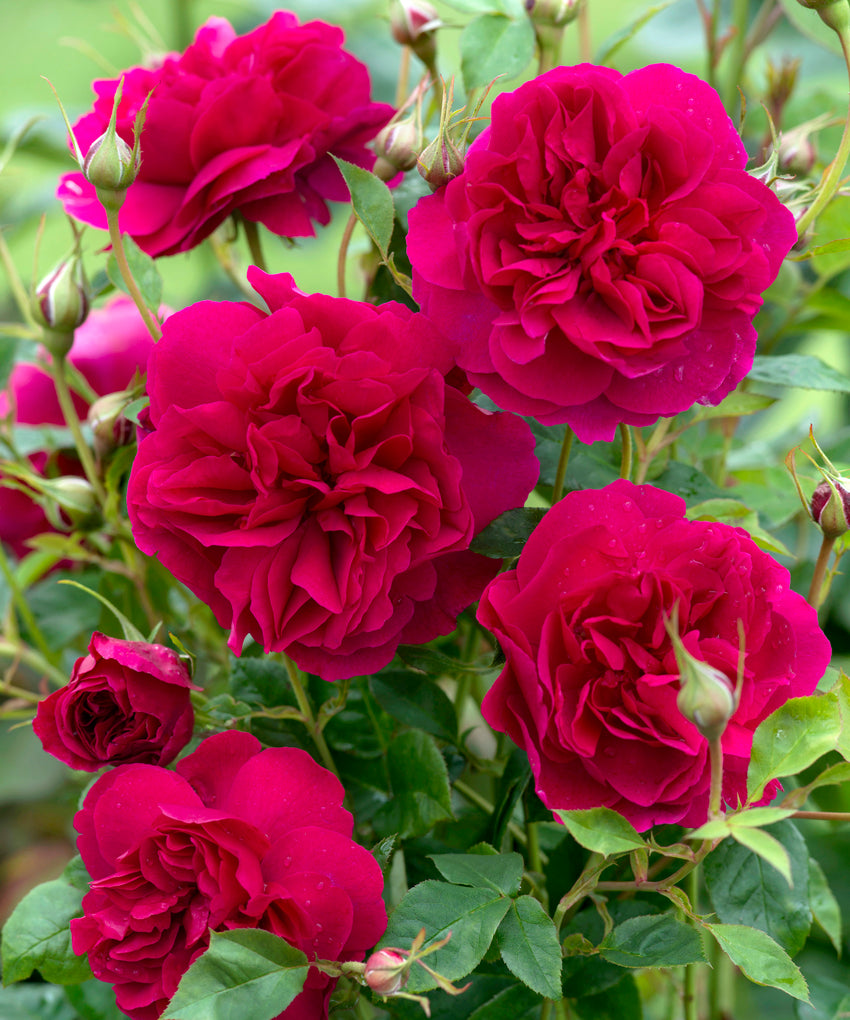
Thomas à Becket®
Striking crimson-red rosettes with a lemon-zest scent, to bring depth and drama among paler shades.
Size, Shape and Spacing
A bare root rose looks small in November, so it’s easy to forget how much room it will need. Check each variety’s height and width before you buy, and plan for the size it will reach in three years, not the size it arrives.
- Layer by height. Taller roses and climbers at the back, medium shrubs in the middle, and lower plants spilling over the front.
- Plant in threes. Three roses of the same variety, set about 50cm apart, grow together into one generous shrub and give a far stronger splash of colour than single plants dotted about.
- Leave breathing space. Keep perennials at least 45cm from the base of each rose, so they don’t compete for water and nutrients while it establishes. Good airflow also helps keep roses healthy.
- Repeat to unite. Using the same rose or colour at intervals carries the eye through the garden and gives it rhythm.
Pictured: Scepter'd Isle® alongside Geranium 'Rozanne' and Salvia nemorosa 'Caradonna'.
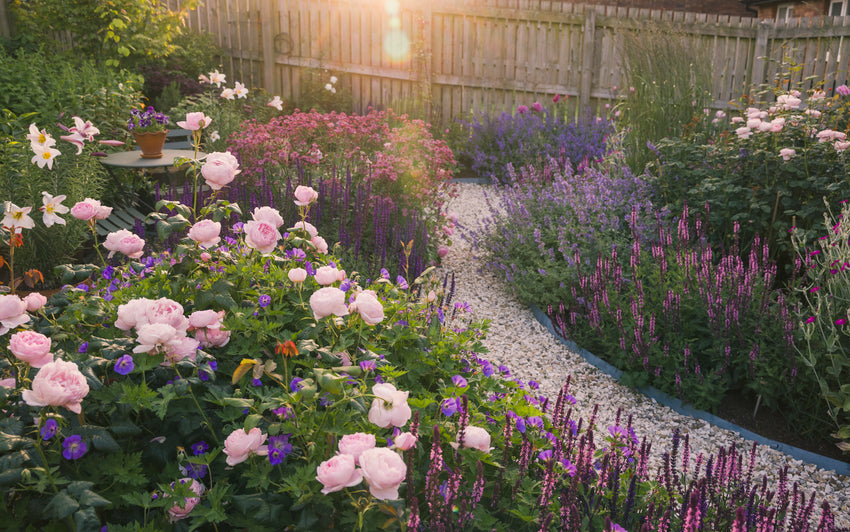
Choosing Companions
Roses are at their most beautiful in good company. Perennials hide bare stems at the base, extend the season of interest, and bring in new shapes: spires, daisies and airy clouds that contrast with the full, rounded blooms.
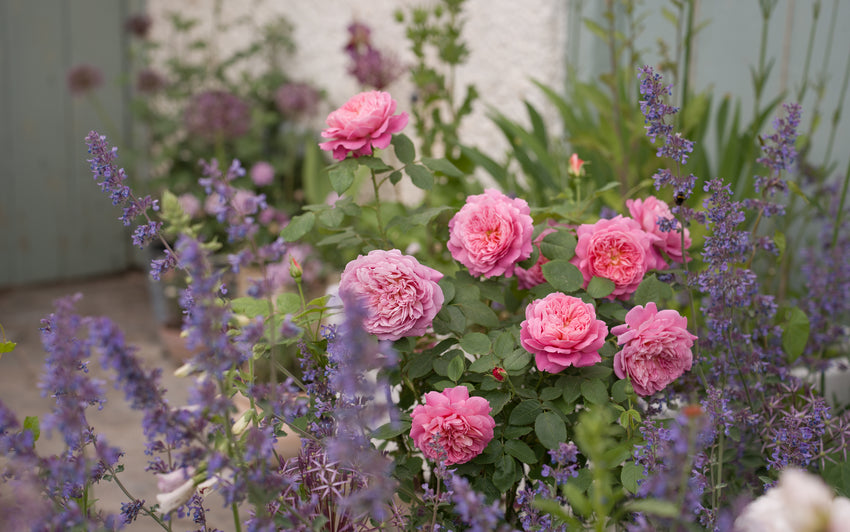
You don’t need many. One rose and two well-chosen perennials can be enough to create a border. Take Emma Bridgewater® as an example:
For a romantic look, pair it with Foxglove ‘Sutton’s Apricot’, whose soft spires echo its warmer tones, and Erigeron, whose little white and pink daisies spill over the front edge for months.
For a bolder look, try Geum ‘Totally Tangerine’ to pick up its coral, with Nepeta ‘Walker's Low’ or Verbena ‘Bampton’ for a rich purple contrast.
The same approach works with any rose: pick one plant that echoes its colour, and one that contrasts or softens it.
Pictured: Emma Bridgewater® with Nepeta 'Walker's Low'.
Next Summer’s Garden
It might look bare now, a few stems and a scattering of young plants in cold soil. But by June, the colours you chose today will be opening in the borders, the air will carry their fragrance, and the garden you imagined will be the one you step into.
-
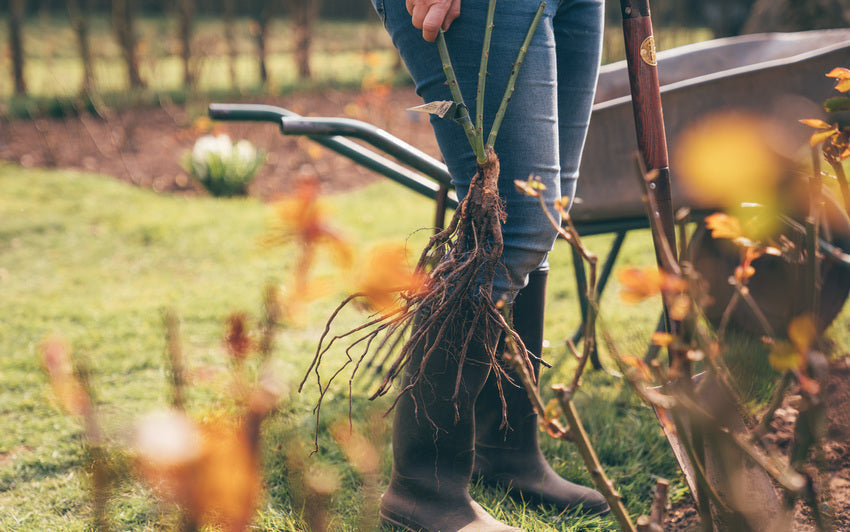
Planting Bare Root Roses: Step-by-Step for Garden and PotsBare root roses arrive simply, as stems and roots, quietly waiting for the garden to bring them to life. With care, they can transform into lush, flowering plants, filling a garden with colour, fragrance, and presence. Affordable, easy to handle, and a traditional favourite among gardeners, they offer both charm and reward.
-
Planting Bare Root Climbing and Rambler Roses in the Ground: Step-by-StepBare root climbing and rambling roses bring both structure and romance to the garden, offering a traditional and sustainable way to cover walls, fences, and arches with abundant blooms. Planted between autumn and early spring, these roses establish naturally through the cooler months, ready to send out vigorous new shoots when warmth returns. With a little preparation and care, they will reward you for many years with graceful growth and exquisite fragrance.

-
Three Ways to Plant for Impact: A Guide to Planting DistancesAllowing the right amount of space between roses is one of the quiet secrets of a well-balanced garden. When shrub roses are planted too closely together, the border can quickly feel crowded as the plants mature. Planted too far apart, however, and the planting may appear sparse, with bare patches of soil between each rose.

-
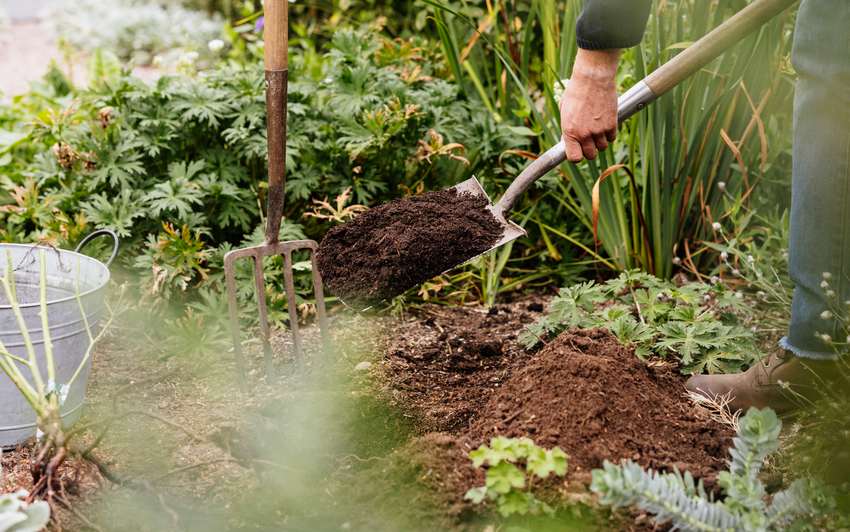
How to Plant and Care for Roses in Different Soil TypesAsk any seasoned rose grower for their secret and, sooner or later, they'll point at the ground. The flowers get the admiration, but the soil does the real work: it holds the water, feeds the roots and decides whether your rose sails through a dry July or sulks in a soggy September. The good news is that roses are wonderfully adaptable. They'll grow happily in almost any garden, from heavy clay to light sand, as long as you understand what your soil is doing and give it a helping hand.
-
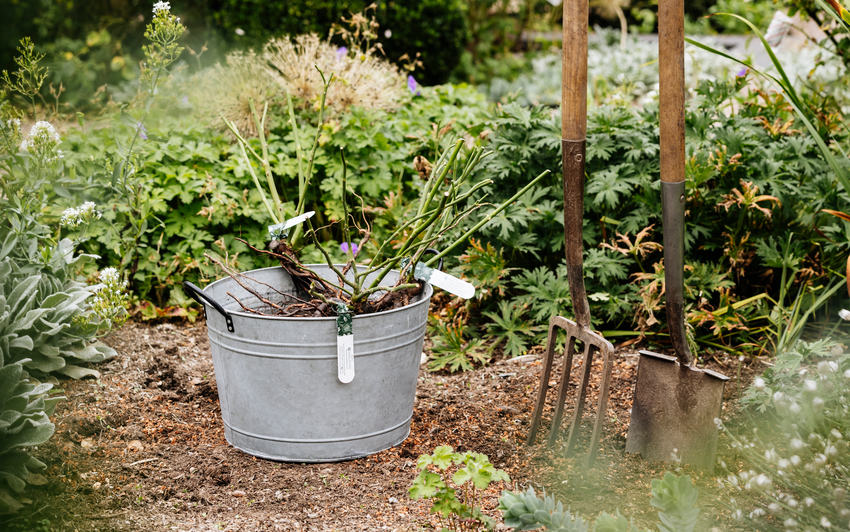
Planting a Rose Where a Rose Has Been BeforeReplacing a rose in the same spot is a common dilemma. Perhaps a favourite climber has finally given up, or you've inherited a tired rose bed and want to start fresh. It can be done, but planting straight into the old soil often leaves the new rose struggling, thanks to a condition called rose replant disease. Here's what's going on underground, which myths to ignore, and how to give your new rose the best possible start.
-
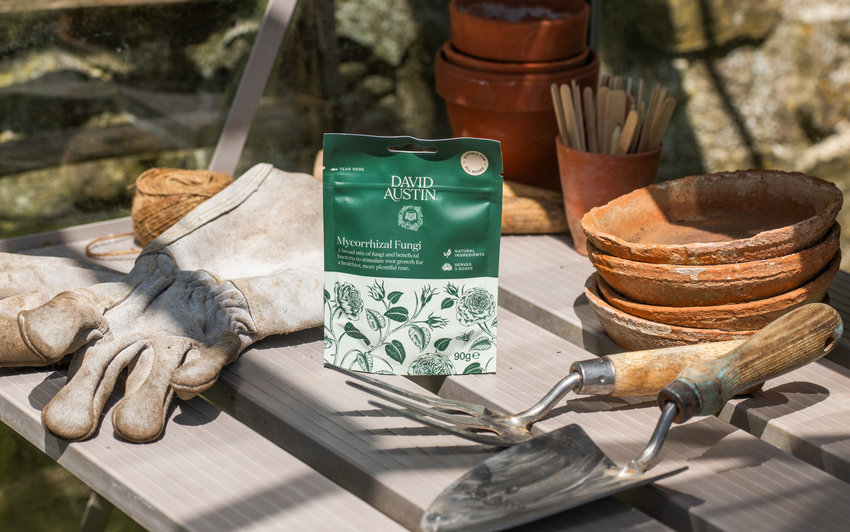
The Hidden World of Mycorrhizal Fungi: Why Your Roses Need ThemStrong roses start with strong roots. Here's how one of nature's oldest partnerships can give yours the best possible start.
-
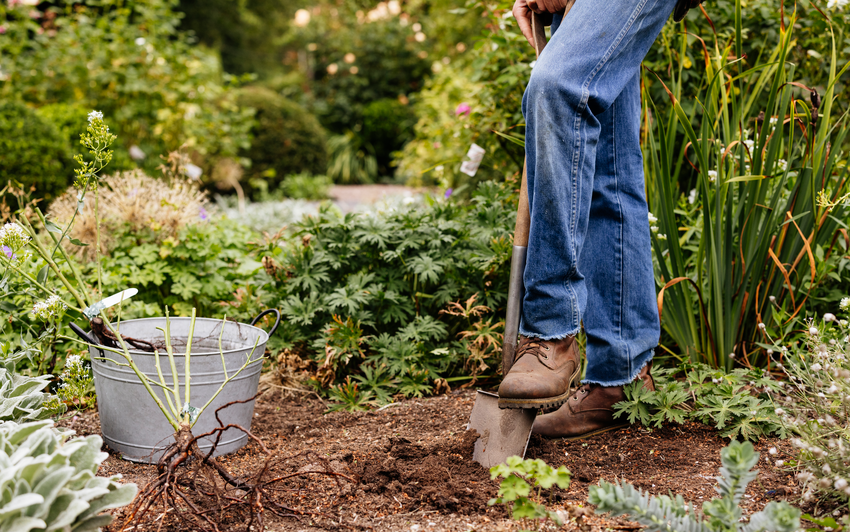
Get Your Garden Ready for Bare Root Rose SeasonBare root rose season runs from November to April, making the cooler months a lovely time to introduce new roses to your garden. Whether you're planning a new border, adding to an existing collection or planting a climbing rose against a favourite wall, there is plenty to look forward to.
-
Bare Root or Potted? Why Our Roses Come Two WaysAcross the year, you'll find two different forms of David Austin® rose available. For much of the year, our potted roses are ready and waiting, cut back and dormant during the cooler months, in leaf and growth through the warmer ones. Then, once the growing season draws to a close, our bare root roses come into their own, dug fresh from the field and sent out while fully dormant, just as English roses have been grown and shared for generations.